哲学家
安东尼奥·葛兰西
1891 - 1937
ZH.WIKIPEDIA PAGE VIEWS (PV)
 安东尼奥·葛兰西
Memorability Metrics
1.1M
Page Views
Past 12 months
80.94
HPI
Historical Popularity Index
Page views of 安东尼奥·葛兰西 by language
Among 哲学家
Among 哲学家, 安东尼奥·葛兰西 ranks 66 out of 1,267. Before him are Zeno of Elea, Zhuang Zhou, Epictetus, Thomas More, Johann Gottlieb Fichte, and Zhu Xi. After him are Zeno of Citium, Xenophanes, Gorgias, Ibn Arabi, Nagarjuna, and Pliny the Elder.
Most Popular 哲学家 in Wikipedia
Go to all Rankings
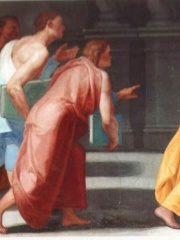
Zeno of Elea
490 BC - 425 BC
HPI: 81.64
Rank: 60
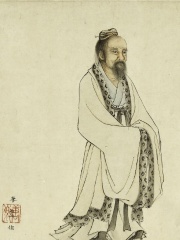
Zhuang Zhou
369 BC - 286 BC
HPI: 81.63
Rank: 61
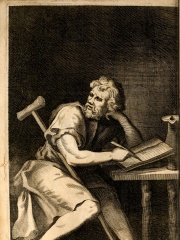
Epictetus
50 - 135
HPI: 81.53
Rank: 62
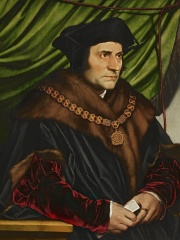
Thomas More
1478 - 1535
HPI: 81.52
Rank: 63
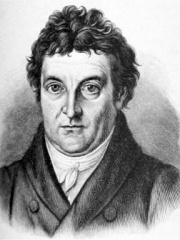
Johann Gottlieb Fichte
1762 - 1814
HPI: 81.40
Rank: 64
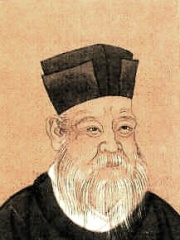
Zhu Xi
1130 - 1200
HPI: 81.27
Rank: 65
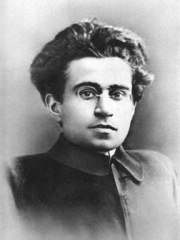
Antonio Gramsci
1891 - 1937
HPI: 80.94
Rank: 66
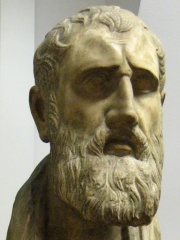
Zeno of Citium
334 BC - 263 BC
HPI: 80.94
Rank: 67
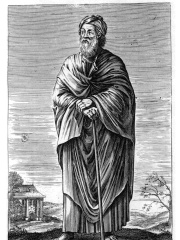
Xenophanes
570 BC - 475 BC
HPI: 80.90
Rank: 68
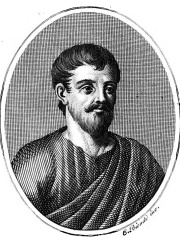
Gorgias
483 BC - 375 BC
HPI: 80.90
Rank: 69
Ibn Arabi
1165 - 1240
HPI: 80.85
Rank: 70
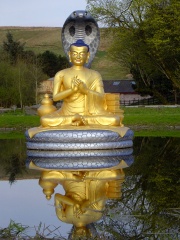
Nagarjuna
150 - 250
HPI: 80.71
Rank: 71
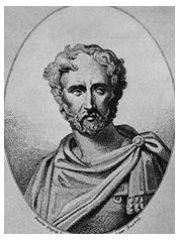
Pliny the Elder
23 - 79
HPI: 80.68
Rank: 72

Contemporaries
Among people born in 1891, 安东尼奥·葛兰西 ranks 3. Before him are Karl Dönitz, and Erwin Rommel. After him are Sergei Prokofiev, B. R. Ambedkar, Mikhail Bulgakov, Max Ernst, Nelly Sachs, James Chadwick, Walter Model, Edith Stein, and Pär Lagerkvist. Among people deceased in 1937, 安东尼奥·葛兰西 ranks 7. Before him are Ernest Rutherford, Guglielmo Marconi, Maurice Ravel, Pierre de Coubertin, John D. Rockefeller, and Alfred Adler. After him are H. P. Lovecraft, Amelia Earhart, Erich Ludendorff, Tomáš Garrigue Masaryk, Lou Andreas-Salomé, and George Gershwin.
Others Born in 1891
Go to all Rankings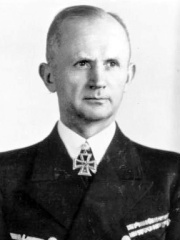
Karl Dönitz
MILITARY PERSONNEL
1891 - 1980
HPI: 84.90
Rank: 1
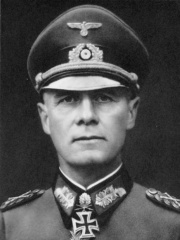
Erwin Rommel
MILITARY PERSONNEL
1891 - 1944
HPI: 82.62
Rank: 2
Antonio Gramsci
PHILOSOPHER
1891 - 1937
HPI: 80.94
Rank: 3
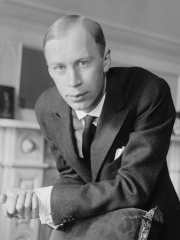
Sergei Prokofiev
COMPOSER
1891 - 1953
HPI: 80.86
Rank: 4
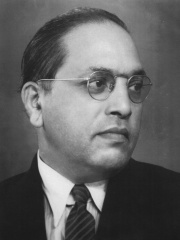
B. R. Ambedkar
POLITICIAN
1891 - 1956
HPI: 80.47
Rank: 5
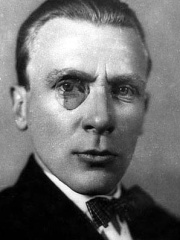
Mikhail Bulgakov
WRITER
1891 - 1940
HPI: 78.73
Rank: 6
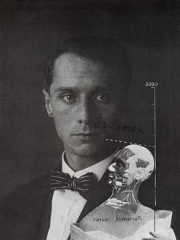
Max Ernst
PAINTER
1891 - 1976
HPI: 77.62
Rank: 7
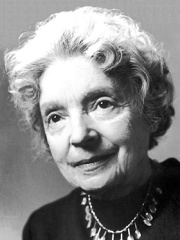
Nelly Sachs
WRITER
1891 - 1970
HPI: 77.39
Rank: 8
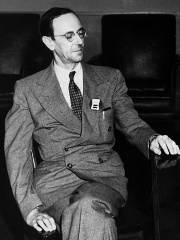
James Chadwick
PHYSICIST
1891 - 1974
HPI: 77.34
Rank: 9
Walter Model
MILITARY PERSONNEL
1891 - 1945
HPI: 76.94
Rank: 10
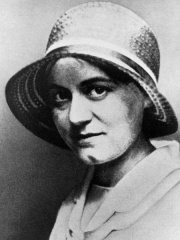
Edith Stein
PHILOSOPHER
1891 - 1942
HPI: 76.33
Rank: 11
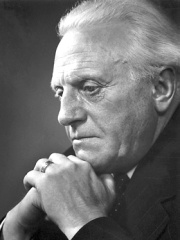
Pär Lagerkvist
WRITER
1891 - 1974
HPI: 76.22
Rank: 12
Others Deceased in 1937
Go to all Rankings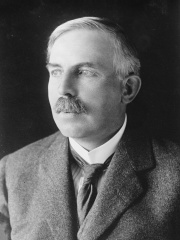
Ernest Rutherford
PHYSICIST
1871 - 1937
HPI: 83.66
Rank: 1
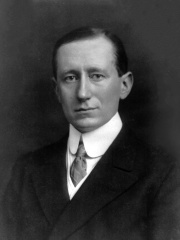
Guglielmo Marconi
INVENTOR
1874 - 1937
HPI: 83.41
Rank: 2
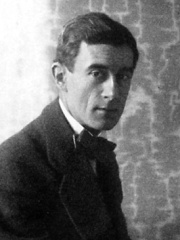
Maurice Ravel
COMPOSER
1875 - 1937
HPI: 83.16
Rank: 3
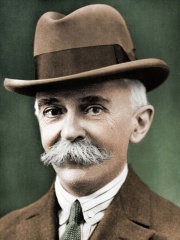
Pierre de Coubertin
BUSINESSPERSON
1863 - 1937
HPI: 82.65
Rank: 4
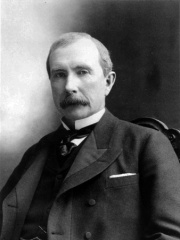
John D. Rockefeller
BUSINESSPERSON
1839 - 1937
HPI: 81.30
Rank: 5
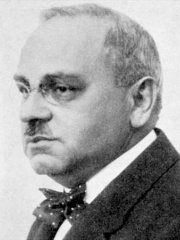
Alfred Adler
PSYCHOLOGIST
1870 - 1937
HPI: 81.23
Rank: 6
Antonio Gramsci
PHILOSOPHER
1891 - 1937
HPI: 80.94
Rank: 7
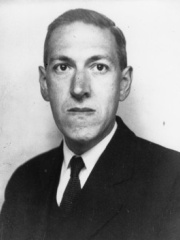
H. P. Lovecraft
WRITER
1890 - 1937
HPI: 79.50
Rank: 8
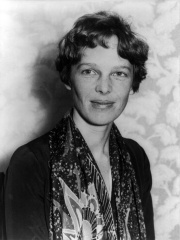
Amelia Earhart
PILOT
1897 - 1937
HPI: 77.69
Rank: 9
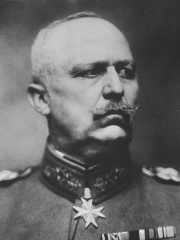
Erich Ludendorff
MILITARY PERSONNEL
1865 - 1937
HPI: 77.47
Rank: 10
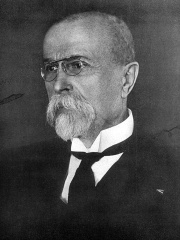
Tomáš Garrigue Masaryk
POLITICIAN
1850 - 1937
HPI: 77.19
Rank: 11
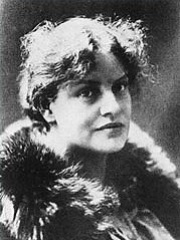
Lou Andreas-Salomé
WRITER
1861 - 1937
HPI: 77.10
Rank: 12
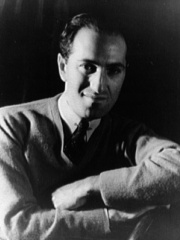
George Gershwin
COMPOSER
1898 - 1937
HPI: 77.09
Rank: 13
In 意大利
Among people born in 意大利, 安东尼奥·葛兰西 ranks 164 out of NaN. Before him are Michael Collins (1930), Pope Anacletus (1), Pope Gregory IX (1160), Giuseppe Arcimboldo (1526), Numa Pompilius (-753), and Cardinal Mazarin (1602). After him are Pope Eugene IV (1383), Enzo Ferrari (1898), Pliny the Elder (23), Marcus Claudius Tacitus (200), Domenico Scarlatti (1685), and Pope Benedict IX (1012).
Others born in 意大利
Go to all Rankings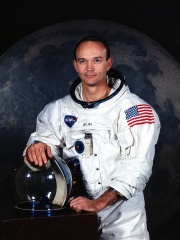
Michael Collins
ASTRONAUT
1930 - 2021
HPI: 81.19
Rank: 158
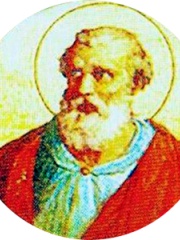
Pope Anacletus
RELIGIOUS FIGURE
1 - 92
HPI: 81.15
Rank: 159
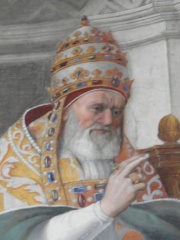
Pope Gregory IX
RELIGIOUS FIGURE
1160 - 1241
HPI: 81.10
Rank: 160
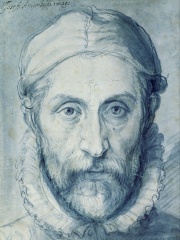
Giuseppe Arcimboldo
PAINTER
1526 - 1593
HPI: 80.96
Rank: 161
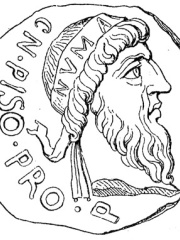
Numa Pompilius
POLITICIAN
753 BC - 673 BC
HPI: 80.95
Rank: 162
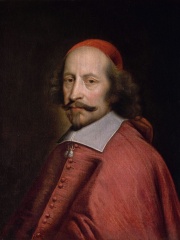
Cardinal Mazarin
POLITICIAN
1602 - 1661
HPI: 80.95
Rank: 163
Antonio Gramsci
PHILOSOPHER
1891 - 1937
HPI: 80.94
Rank: 164
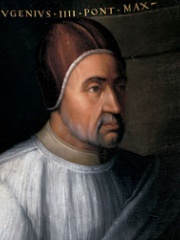
Pope Eugene IV
RELIGIOUS FIGURE
1383 - 1447
HPI: 80.91
Rank: 165
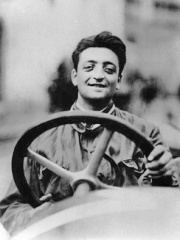
Enzo Ferrari
RACING DRIVER
1898 - 1988
HPI: 80.84
Rank: 166
Pliny the Elder
PHILOSOPHER
23 - 79
HPI: 80.68
Rank: 167
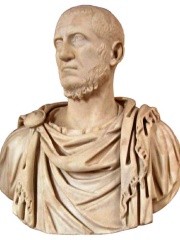
Marcus Claudius Tacitus
POLITICIAN
200 - 276
HPI: 80.67
Rank: 168
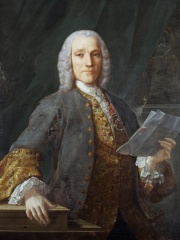
Domenico Scarlatti
COMPOSER
1685 - 1757
HPI: 80.67
Rank: 169
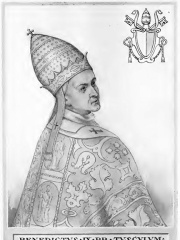
Pope Benedict IX
RELIGIOUS FIGURE
1012 - 1055
HPI: 80.65
Rank: 170
Among 哲学家 In 意大利
Among 哲学家 born in 意大利, 安东尼奥·葛兰西 ranks 8. Before him are Thomas Aquinas (1225), Maria Montessori (1870), Parmenides (-501), Lucretius (-94), Empedocles (-490), and Zeno of Elea (-490). After him are Pliny the Elder (23), Giovanni Pico della Mirandola (1463), Boethius (480), Bonaventure (1221), Marsilio Ficino (1433), and Giambattista Vico (1668).
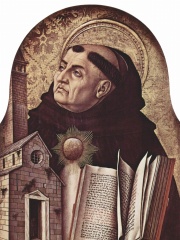
Thomas Aquinas
1225 - 1274
HPI: 88.70
Rank: 2
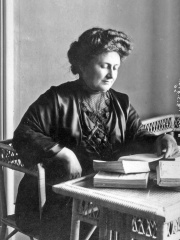
Maria Montessori
1870 - 1952
HPI: 84.59
Rank: 3
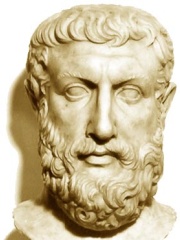
Parmenides
501 BC - 470 BC
HPI: 84.47
Rank: 4
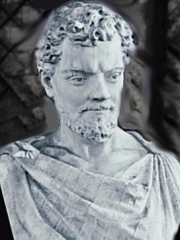
Lucretius
94 BC - 55 BC
HPI: 83.96
Rank: 5
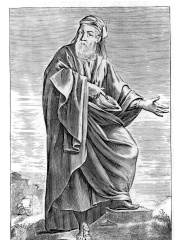
Empedocles
490 BC - 430 BC
HPI: 83.60
Rank: 6
Zeno of Elea
490 BC - 425 BC
HPI: 81.64
Rank: 7
Antonio Gramsci
1891 - 1937
HPI: 80.94
Rank: 8
Pliny the Elder
23 - 79
HPI: 80.68
Rank: 9
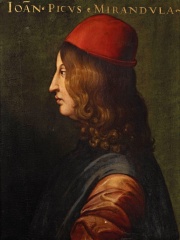
Giovanni Pico della Mirandola
1463 - 1494
HPI: 79.56
Rank: 10
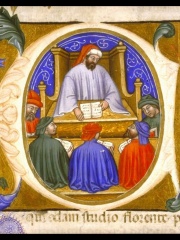
Boethius
480 - 525
HPI: 78.53
Rank: 11
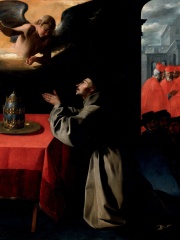
Bonaventure
1221 - 1274
HPI: 77.62
Rank: 12
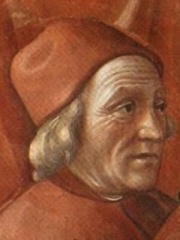
Marsilio Ficino
1433 - 1499
HPI: 77.16
Rank: 13
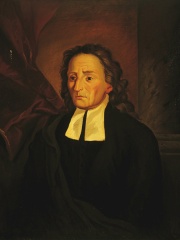
Giambattista Vico
1668 - 1744
HPI: 76.67
Rank: 14




