Filozof
Antonio Negri
1933 - 2023
PL.WIKIPEDIA PAGE VIEWS (PV)
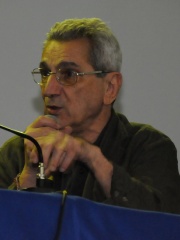
 Antonio Negri
Jego biografia jest dostępna w 39 różnych językach w Wikipedii. Antonio Negri jest 348. najpopularniejszym filozof (spadek z 275. w 2024 roku), 1002. najpopularniejszą biografią Włochy (spadek z 740. w 2019 roku) oraz 27. najpopularniejszym filozof Włochy.
Memorability Metrics
130k
Page Views
Past 12 months
69.41
HPI
Historical Popularity Index
Page views of Antonio Negri by language
Among Filozofs
Among filozofs, Antonio Negri ranks 348 out of 1,267. Before him are Nachmanides, David Strauss, Louis Couturat, Rudolf Otto, Anne Sullivan, and Justus Lipsius. After him are Crates of Thebes, Pompeia Plotina, Aristoxenus, Robert Nozick, Hermann Cohen, and Günther Anders.
Most Popular Filozofs in Wikipedia
Go to all Rankings

Nachmanides
1194 - 1270
HPI: 69.54
Rank: 342
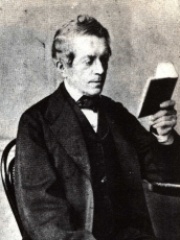
David Strauss
1808 - 1874
HPI: 69.52
Rank: 343
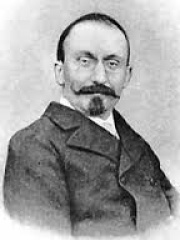
Louis Couturat
1868 - 1914
HPI: 69.51
Rank: 344
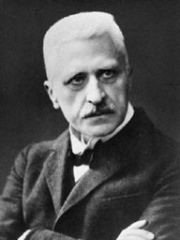
Rudolf Otto
1869 - 1937
HPI: 69.50
Rank: 345
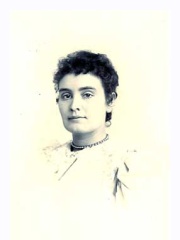
Anne Sullivan
1866 - 1936
HPI: 69.47
Rank: 346
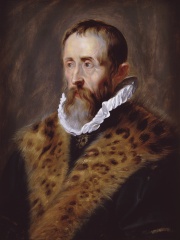
Justus Lipsius
1547 - 1606
HPI: 69.44
Rank: 347
Antonio Negri
1933 - 2023
HPI: 69.41
Rank: 348
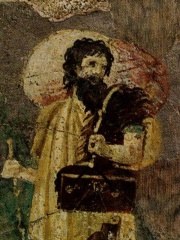
Crates of Thebes
365 BC - 285 BC
HPI: 69.38
Rank: 349
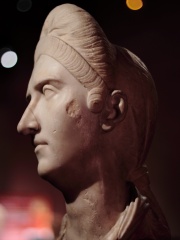
Pompeia Plotina
65 - 121
HPI: 69.35
Rank: 350
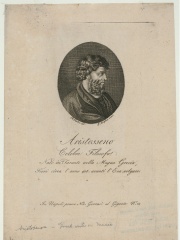
Aristoxenus
360 BC - 300 BC
HPI: 69.34
Rank: 351
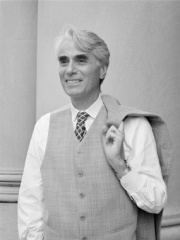
Robert Nozick
1938 - 2002
HPI: 69.33
Rank: 352
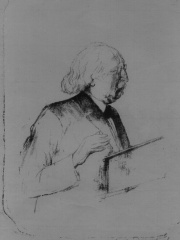
Hermann Cohen
1842 - 1918
HPI: 69.32
Rank: 353
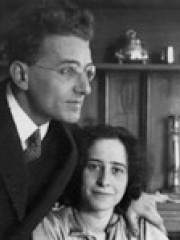
Günther Anders
1902 - 1992
HPI: 69.32
Rank: 354

Contemporaries
Among people born in 1933, Antonio Negri ranks 53. Before him are Samora Machel, John Hopfield, Gian Maria Volonté, Gene Wilder, Lee Radziwill, and Charles K. Kao. After him are John Barry, Jerzy Grotowski, Jayne Mansfield, Ali Shariati, Stanley Milgram, and Sylva Koscina. Among people deceased in 2023, Antonio Negri ranks 47. Before him are Pervez Musharraf, Alan Arkin, Ben Ferencz, Li Keqiang, Ray Stevenson, and Lucile Randon. After him are Ferid Murad, Wolfgang Schäuble, Tony Bennett, Lisa Marie Presley, Robert Solow, and Ivan Silayev.
Others Born in 1933
Go to all Rankings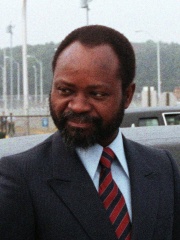
Samora Machel
POLITICIAN
1933 - 1986
HPI: 69.83
Rank: 47

John Hopfield
BIOLOGIST
1933 - Present
HPI: 69.81
Rank: 48
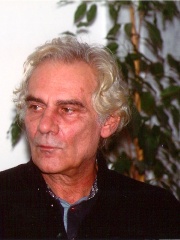
Gian Maria Volonté
ACTOR
1933 - 1994
HPI: 69.70
Rank: 49
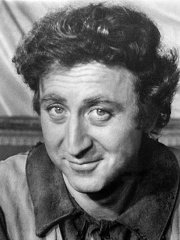
Gene Wilder
ACTOR
1933 - 2016
HPI: 69.62
Rank: 50
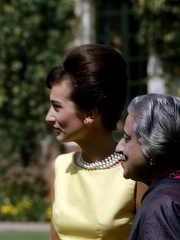
Lee Radziwill
SOCIAL ACTIVIST
1933 - 2019
HPI: 69.62
Rank: 51
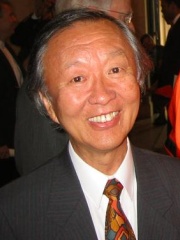
Charles K. Kao
INVENTOR
1933 - 2018
HPI: 69.49
Rank: 52
Antonio Negri
PHILOSOPHER
1933 - 2023
HPI: 69.41
Rank: 53
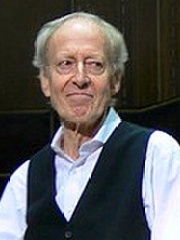
John Barry
COMPOSER
1933 - 2011
HPI: 69.40
Rank: 54
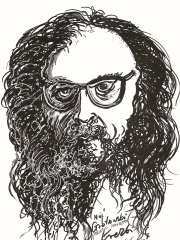
Jerzy Grotowski
FILM DIRECTOR
1933 - 1999
HPI: 69.33
Rank: 55
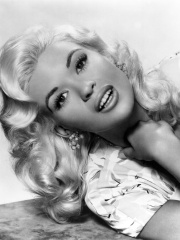
Jayne Mansfield
ACTOR
1933 - 1967
HPI: 69.20
Rank: 56
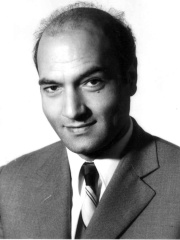
Ali Shariati
WRITER
1933 - 1977
HPI: 69.15
Rank: 57
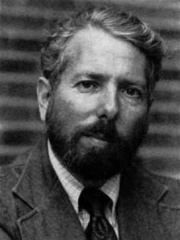
Stanley Milgram
PSYCHOLOGIST
1933 - 1984
HPI: 69.15
Rank: 58

Sylva Koscina
ACTOR
1933 - 1994
HPI: 69.07
Rank: 59
Others Deceased in 2023
Go to all Rankings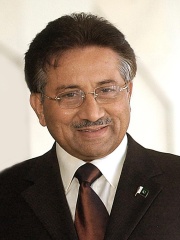
Pervez Musharraf
POLITICIAN
1943 - 2023
HPI: 70.12
Rank: 41
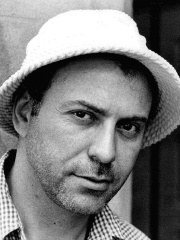
Alan Arkin
ACTOR
1934 - 2023
HPI: 69.77
Rank: 42
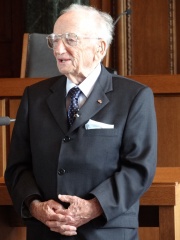
Ben Ferencz
POLITICIAN
1920 - 2023
HPI: 69.71
Rank: 43

Li Keqiang
POLITICIAN
1955 - 2023
HPI: 69.69
Rank: 44
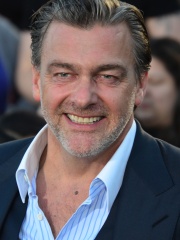
Ray Stevenson
ACTOR
1964 - 2023
HPI: 69.68
Rank: 45
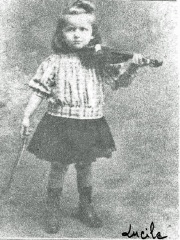
Lucile Randon
RELIGIOUS FIGURE
1904 - 2023
HPI: 69.61
Rank: 46
Antonio Negri
PHILOSOPHER
1933 - 2023
HPI: 69.41
Rank: 47
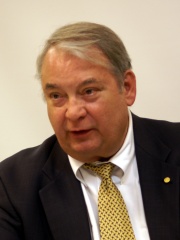
Ferid Murad
PHYSICIAN
1936 - 2023
HPI: 69.36
Rank: 48
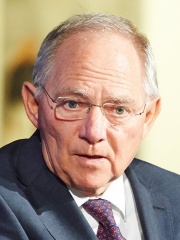
Wolfgang Schäuble
POLITICIAN
1942 - 2023
HPI: 69.32
Rank: 49
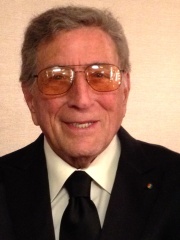
Tony Bennett
SINGER
1926 - 2023
HPI: 69.22
Rank: 50

Lisa Marie Presley
SINGER
1968 - 2023
HPI: 69.17
Rank: 51
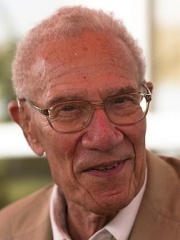
Robert Solow
ECONOMIST
1924 - 2023
HPI: 69.10
Rank: 52
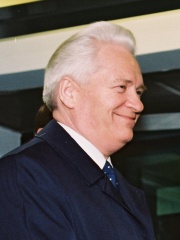
Ivan Silayev
POLITICIAN
1930 - 2023
HPI: 69.09
Rank: 53
In Włochy
Among people born in Włochy, Antonio Negri ranks 1,002 out of NaN. Before him are Vittorio Monti (1868), Lorenzo Costa (1460), Bartolomeo Eustachi (1500), Cesare Pavese (1908), Vincenzo Scamozzi (1548), and Adelaide of Austria (1822). After him are Leopold II, Grand Duke of Tuscany (1797), Leonardo Vinci (1690), Gerard of Cremona (1114), Daniele da Volterra (1509), Hormizd I (250), and Umberto Giordano (1867).
Others born in Włochy
Go to all Rankings
Vittorio Monti
COMPOSER
1868 - 1922
HPI: 69.50
Rank: 996
Lorenzo Costa
PAINTER
1460 - 1535
HPI: 69.47
Rank: 997
Bartolomeo Eustachi
POLITICIAN
1500 - 1574
HPI: 69.44
Rank: 998
Cesare Pavese
WRITER
1908 - 1950
HPI: 69.44
Rank: 999
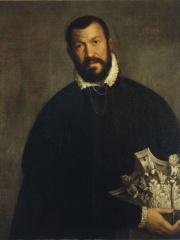
Vincenzo Scamozzi
ARCHITECT
1548 - 1616
HPI: 69.43
Rank: 1,000
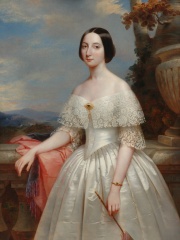
Adelaide of Austria
COMPANION
1822 - 1855
HPI: 69.41
Rank: 1,001
Antonio Negri
PHILOSOPHER
1933 - 2023
HPI: 69.41
Rank: 1,002
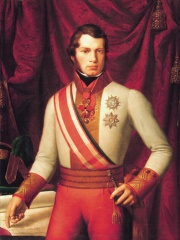
Leopold II, Grand Duke of Tuscany
POLITICIAN
1797 - 1870
HPI: 69.41
Rank: 1,003
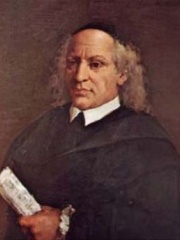
Leonardo Vinci
COMPOSER
1690 - 1730
HPI: 69.40
Rank: 1,004
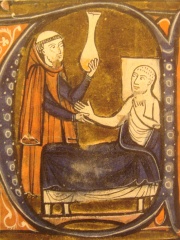
Gerard of Cremona
WRITER
1114 - 1187
HPI: 69.39
Rank: 1,005
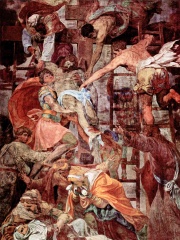
Daniele da Volterra
PAINTER
1509 - 1566
HPI: 69.39
Rank: 1,006
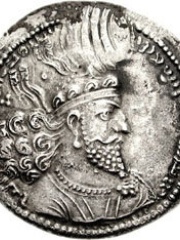
Hormizd I
POLITICIAN
250 - 273
HPI: 69.38
Rank: 1,007
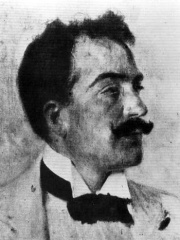
Umberto Giordano
COMPOSER
1867 - 1948
HPI: 69.37
Rank: 1,008
Among Filozofs In Włochy
Among filozofs born in Włochy, Antonio Negri ranks 27. Before him are Benedetto Croce (1866), Giorgio Agamben (1942), Marsilius of Padua (1275), Elena Cornaro Piscopia (1646), Pietro Pomponazzi (1462), and Giovanni Gentile (1875). After him are Aristoxenus (-360), Julius Caesar Scaliger (1484), Bartolus de Saxoferrato (1313), Thomas Cajetan (1469), Lucilio Vanini (1585), and Brunetto Latini (1220).
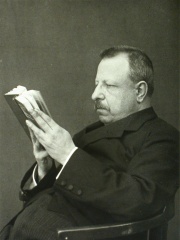
Benedetto Croce
1866 - 1952
HPI: 72.94
Rank: 21
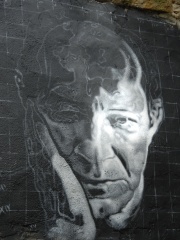
Giorgio Agamben
1942 - Present
HPI: 72.65
Rank: 22

Marsilius of Padua
1275 - 1342
HPI: 71.76
Rank: 23
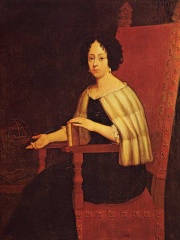
Elena Cornaro Piscopia
1646 - 1684
HPI: 70.48
Rank: 24
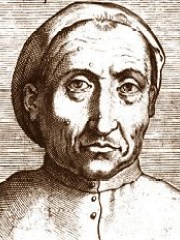
Pietro Pomponazzi
1462 - 1525
HPI: 70.27
Rank: 25
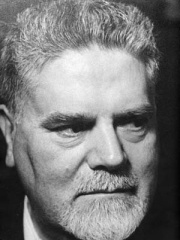
Giovanni Gentile
1875 - 1944
HPI: 69.95
Rank: 26
Antonio Negri
1933 - 2023
HPI: 69.41
Rank: 27
Aristoxenus
360 BC - 300 BC
HPI: 69.34
Rank: 28
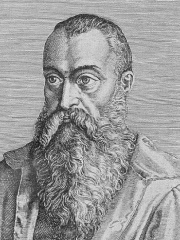
Julius Caesar Scaliger
1484 - 1558
HPI: 69.19
Rank: 29
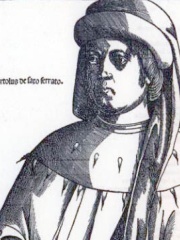
Bartolus de Saxoferrato
1313 - 1357
HPI: 68.37
Rank: 30
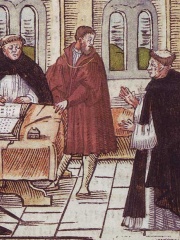
Thomas Cajetan
1469 - 1534
HPI: 67.47
Rank: 31
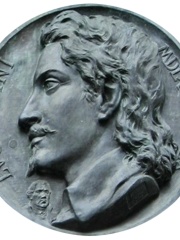
Lucilio Vanini
1585 - 1619
HPI: 67.26
Rank: 32
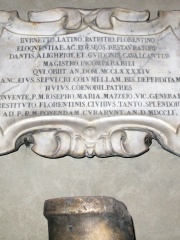
Brunetto Latini
1220 - 1294
HPI: 67.07
Rank: 33




