Philosophe
Xénophane
570 BC - 475 BC
PAGES VUES SUR FR.WIKIPEDIA (PV)
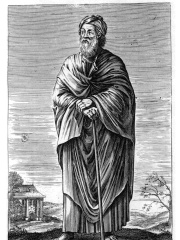
 Xénophane
Sa biographie est disponible en 72 langues sur Wikipédia. Xénophane est le 68th philosophe le plus populaire (en hausse du 77th en 2024), la 52nd biographie la plus populaire de Turquie (en baisse du 49th en 2019), ainsi que le 7th philosophe de Turquie le plus populaire.
Indicateurs de mémorabilité
180k
Pages vues
12 derniers mois
80.90
HPI
Indice de popularité historique
Pages vues de Xénophane par langue
Parmi les Philosophe
Parmi les Philosophe, Xénophane occupe le rang 68 sur 1,267. Avant lui viennent Epictetus, Thomas More, Johann Gottlieb Fichte, Zhu Xi, Antonio Gramsci, et Zeno of Citium. Après lui viennent Gorgias, Ibn Arabi, Nagarjuna, Pliny the Elder, Peter Abelard, et Leucippus.
Philosophe les plus populaires sur Wikipédia
Voir tous les classements

Epictetus
50 - 135
HPI : 81.53
Rang : 62

Thomas More
1478 - 1535
HPI : 81.52
Rang : 63
Johann Gottlieb Fichte
1762 - 1814
HPI : 81.40
Rang : 64

Zhu Xi
1130 - 1200
HPI : 81.27
Rang : 65
Antonio Gramsci
1891 - 1937
HPI : 80.94
Rang : 66
Zeno of Citium
334 BC - 263 BC
HPI : 80.94
Rang : 67
Xenophanes
570 BC - 475 BC
HPI : 80.90
Rang : 68
Gorgias
483 BC - 375 BC
HPI : 80.90
Rang : 69
Ibn Arabi
1165 - 1240
HPI : 80.85
Rang : 70

Nagarjuna
150 - 250
HPI : 80.71
Rang : 71
Pliny the Elder
23 - 79
HPI : 80.68
Rang : 72
Peter Abelard
1079 - 1142
HPI : 80.63
Rang : 73

Leucippus
500 BC - 500 BC
HPI : 80.59
Rang : 74

Contemporains
Parmi les personnes nées en 570 BC, Xénophane occupe le rang 2. Avant lui vient Pythagoras. Après lui viennent Anacreon, Theognis of Megara, et Hystaspes. Parmi les personnes décédées en 475 BC, Xénophane occupe le rang 2. Avant lui vient Xerxes I. Après lui vient Atossa.
Autres personnes nées en 570 BC
Voir tous les classements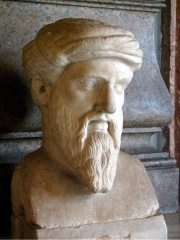
Pythagoras
PHILOSOPHER
570 BC - 495 BC
HPI : 93.36
Rang : 1
Xenophanes
PHILOSOPHER
570 BC - 475 BC
HPI : 80.90
Rang : 2
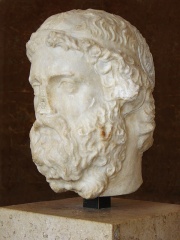
Anacreon
WRITER
570 BC - 485 BC
HPI : 77.55
Rang : 3

Theognis of Megara
WRITER
570 BC - 485 BC
HPI : 70.03
Rang : 4
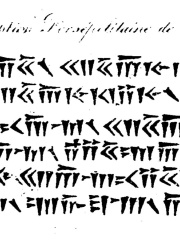
Hystaspes
POLITICIAN
570 BC - 495 BC
HPI : 68.31
Rang : 5
Autres personnes décédées en 475 BC
Voir tous les classements
Xerxes I
POLITICIAN
519 BC - 475 BC
HPI : 87.97
Rang : 1
Xenophanes
PHILOSOPHER
570 BC - 475 BC
HPI : 80.90
Rang : 2
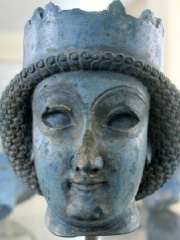
Atossa
POLITICIAN
550 BC - 475 BC
HPI : 69.51
Rang : 3
En Turquie
Parmi les personnes nées en Turquie, Xénophane occupe le rang 52 sur NaN. Avant lui viennent Constantine XI Palaiologos (1404), Nasreddin (1208), Bartholomew I of Constantinople (1940), John Chrysostom (349), Alp Arslan (1029), et Şehzade Mustafa (1515). Après lui viennent Mehmed VI (1861), Zoë Porphyrogenita (978), Ammianus Marcellinus (330), Leucippus (-500), Osman II (1604), et Gregory of Nazianzus (329).
Autres personnes nées en Turquie
Voir tous les classements
Constantine XI Palaiologos
POLITICIAN
1404 - 1453
HPI : 81.38
Rang : 46
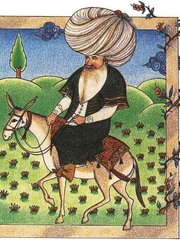
Nasreddin
COMEDIAN
1208 - 1284
HPI : 81.31
Rang : 47

Bartholomew I of Constantinople
RELIGIOUS FIGURE
1940 - présent
HPI : 81.27
Rang : 48

John Chrysostom
RELIGIOUS FIGURE
349 - 407
HPI : 81.25
Rang : 49

Alp Arslan
POLITICIAN
1029 - 1072
HPI : 81.18
Rang : 50

Şehzade Mustafa
POLITICIAN
1515 - 1553
HPI : 80.98
Rang : 51
Xenophanes
PHILOSOPHER
570 BC - 475 BC
HPI : 80.90
Rang : 52
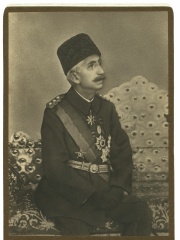
Mehmed VI
POLITICIAN
1861 - 1926
HPI : 80.90
Rang : 53

Zoë Porphyrogenita
POLITICIAN
978 - 1050
HPI : 80.62
Rang : 54

Ammianus Marcellinus
WRITER
330 - 395
HPI : 80.61
Rang : 55
Leucippus
PHILOSOPHER
500 BC - 500 BC
HPI : 80.59
Rang : 56
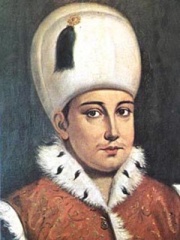
Osman II
POLITICIAN
1604 - 1622
HPI : 80.52
Rang : 57

Gregory of Nazianzus
PHILOSOPHER
329 - 389
HPI : 80.37
Rang : 58
Parmi les Philosophe en Turquie
Parmi les Philosophe nés en Turquie, Xénophane occupe le rang 7. Avant lui viennent Thales of Miletus (-623), Heraclitus (-535), Diogenes (-404), Anaximander (-610), Anaxagoras (-500), et Epictetus (50). Après lui viennent Leucippus (-500), Gregory of Nazianzus (329), Ibn Taymiyyah (1263), Anaximenes of Miletus (-585), Chrysippus (-281), et Proclus (412).
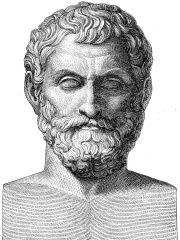
Thales of Miletus
623 BC - 546 BC
HPI : 89.06
Rang : 1

Heraclitus
535 BC - 470 BC
HPI : 89.05
Rang : 2

Diogenes
404 BC - 322 BC
HPI : 88.38
Rang : 3

Anaximander
610 BC - 546 BC
HPI : 83.48
Rang : 4

Anaxagoras
500 BC - 428 BC
HPI : 82.89
Rang : 5
Epictetus
50 - 135
HPI : 81.53
Rang : 6
Xenophanes
570 BC - 475 BC
HPI : 80.90
Rang : 7
Leucippus
500 BC - 500 BC
HPI : 80.59
Rang : 8
Gregory of Nazianzus
329 - 389
HPI : 80.37
Rang : 9

Ibn Taymiyyah
1263 - 1328
HPI : 77.67
Rang : 10
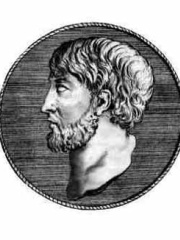
Anaximenes of Miletus
585 BC - 525 BC
HPI : 76.96
Rang : 11
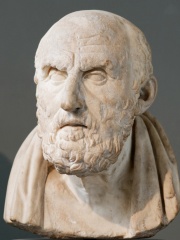
Chrysippus
281 BC - 208 BC
HPI : 76.28
Rang : 12
Proclus
412 - 485
HPI : 76.09
Rang : 13




