哲学家
龍樹
150 - 250
ZH.WIKIPEDIA 页面浏览量 (PV)
 龍樹
龍樹知名度指标
400k
页面浏览量
过去12个月
80.71
HPI
历史知名度指数
数据洞察
龍樹的各语言页面浏览量
在哲学家中
在哲学家中,龍樹排名第71位(共1,285人)。 排在他之前的有:Zhu Xi, Antonio Gramsci, Zeno of Citium, Xenophanes, Gorgias, 和Ibn Arabi. 排在他之后的有:Pliny the Elder, Peter Abelard, Leucippus, Edmund Husserl, Al-Kindi, 和Nicholas of Cusa.
维基百科上最受欢迎的哲学家
查看全部排名
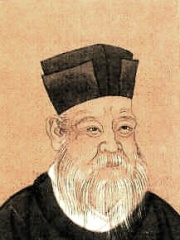
Zhu Xi
1130 - 1200
HPI: 81.27
排名: 65
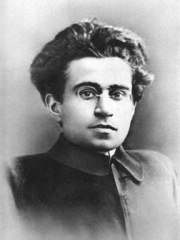
Antonio Gramsci
1891 - 1937
HPI: 80.94
排名: 66
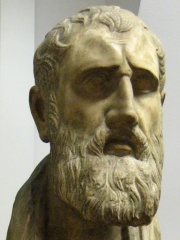
Zeno of Citium
334 BC - 263 BC
HPI: 80.94
排名: 67
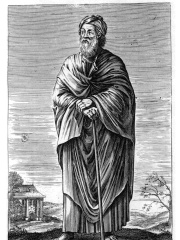
Xenophanes
570 BC - 475 BC
HPI: 80.90
排名: 68
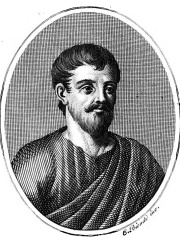
Gorgias
483 BC - 375 BC
HPI: 80.90
排名: 69
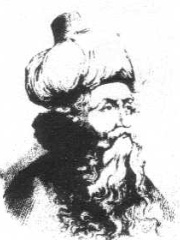
Ibn Arabi
1165 - 1240
HPI: 80.85
排名: 70

Nagarjuna
150 - 250
HPI: 80.71
排名: 71
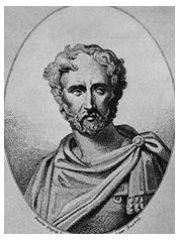
Pliny the Elder
23 - 79
HPI: 80.68
排名: 72
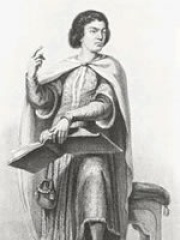
Peter Abelard
1079 - 1142
HPI: 80.63
排名: 73

Leucippus
500 BC - 500 BC
HPI: 80.59
排名: 74
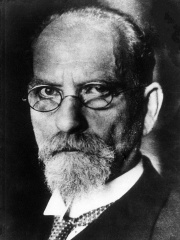
Edmund Husserl
1859 - 1938
HPI: 80.57
排名: 75
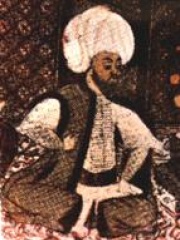
Al-Kindi
801 - 866
HPI: 80.39
排名: 76

Nicholas of Cusa
1401 - 1464
HPI: 80.39
排名: 77

同时代人物
在150年出生的人中,龍樹排名第1位。 排在他之后的有:Shapur I, Clement of Alexandria, Pope Zephyrinus, Clodius Albinus, Lucilla, Vologases IV, Gogukcheon of Goguryeo, Dian Wei, Zhang Zhongjing, Aristides of Athens, 和Mariniana. 在250年去世的人中,龍樹排名第1位。 排在他之后的有:Denis, Pope Fabian, Philostratus, Herodian, Cai Yan, Aryadeva, Saint Mercurius, Aristides Quintilianus, Licinianus, 和Censorinus.
其他150年出生的人
查看全部排名Nagarjuna
PHILOSOPHER
150 - 250
HPI: 80.71
排名: 1
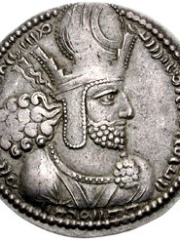
Shapur I
POLITICIAN
150 - 270
HPI: 75.87
排名: 2
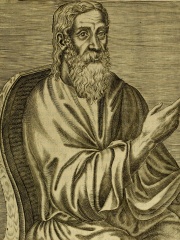
Clement of Alexandria
PHILOSOPHER
150 - 215
HPI: 75.69
排名: 3
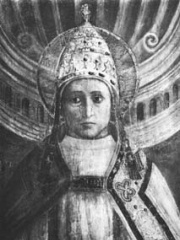
Pope Zephyrinus
RELIGIOUS FIGURE
150 - 217
HPI: 75.21
排名: 4
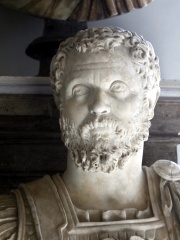
Clodius Albinus
POLITICIAN
150 - 197
HPI: 73.92
排名: 5
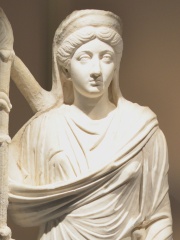
Lucilla
POLITICIAN
150 - 182
HPI: 73.72
排名: 6
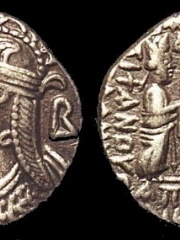
Vologases IV
POLITICIAN
150 - 191
HPI: 68.17
排名: 7

Gogukcheon of Goguryeo
POLITICIAN
150 - 197
HPI: 66.50
排名: 8

Dian Wei
POLITICIAN
150 - 197
HPI: 66.32
排名: 9
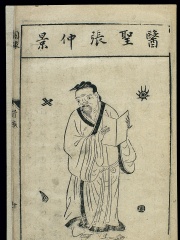
Zhang Zhongjing
PHYSICIAN
150 - 219
HPI: 65.86
排名: 10
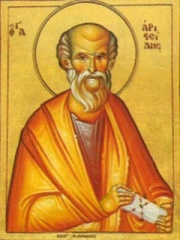
Aristides of Athens
RELIGIOUS FIGURE
150 - 134
HPI: 65.36
排名: 11
Mariniana
COMPANION
150 - 至今
HPI: 65.09
排名: 12
其他250年去世的人
查看全部排名Nagarjuna
PHILOSOPHER
150 - 250
HPI: 80.71
排名: 1
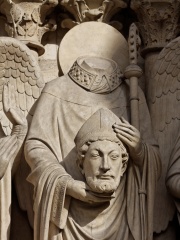
Denis
RELIGIOUS FIGURE
210 - 250
HPI: 77.63
排名: 2
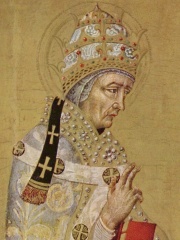
Pope Fabian
RELIGIOUS FIGURE
200 - 250
HPI: 76.05
排名: 3

Philostratus
WRITER
170 - 250
HPI: 68.50
排名: 4

Herodian
WRITER
170 - 250
HPI: 67.46
排名: 5

Cai Yan
WRITER
177 - 250
HPI: 67.04
排名: 6

Aryadeva
WRITER
200 - 250
HPI: 63.10
排名: 7
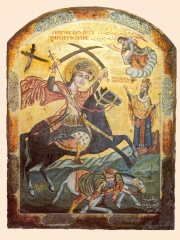
Saint Mercurius
RELIGIOUS FIGURE
224 - 250
HPI: 63.03
排名: 8

Aristides Quintilianus
COMPOSER
150 - 250
HPI: 60.90
排名: 9

Licinianus
POLITICIAN
200 - 250
HPI: 60.50
排名: 10

Censorinus
WRITER
250 - 250
HPI: 60.31
排名: 11
在印度
在出生于印度的人中,龍樹排名第18位(共2,312人)。 排在他之前的有:Ramakrishna (1836), Pratibha Patil (1934), Mahavira (-599), A. P. J. Abdul Kalam (1931), Amitabh Bachchan (1942), 和Droupadi Murmu (1958). 排在他之后的有:Patanjali (-200), B. R. Ambedkar (1891), Bahadur Shah Zafar (1775), Srinivasa Ramanujan (1887), Muhammad Zia-ul-Haq (1924), 和Shah Rukh Khan (1965).
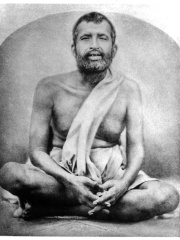
Ramakrishna
PHILOSOPHER
1836 - 1886
HPI: 81.84
排名: 12
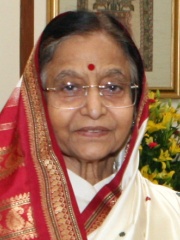
Pratibha Patil
POLITICIAN
1934 - 至今
HPI: 81.77
排名: 13
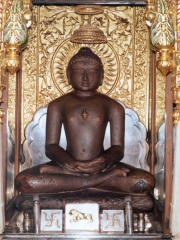
Mahavira
RELIGIOUS FIGURE
599 BC - 527 BC
HPI: 81.77
排名: 14
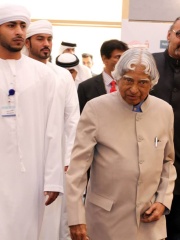
A. P. J. Abdul Kalam
POLITICIAN
1931 - 2015
HPI: 81.57
排名: 15
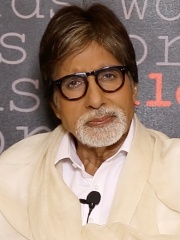
Amitabh Bachchan
ACTOR
1942 - 至今
HPI: 81.47
排名: 16

Droupadi Murmu
POLITICIAN
1958 - 至今
HPI: 80.99
排名: 17
Nagarjuna
PHILOSOPHER
150 - 250
HPI: 80.71
排名: 18

Patanjali
LINGUIST
200 BC - 150 BC
HPI: 80.61
排名: 19
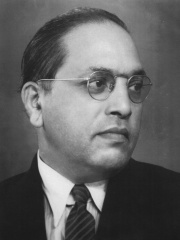
B. R. Ambedkar
POLITICIAN
1891 - 1956
HPI: 80.47
排名: 20
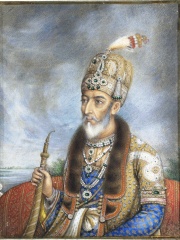
Bahadur Shah Zafar
POLITICIAN
1775 - 1862
HPI: 80.20
排名: 21
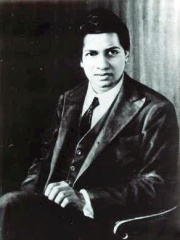
Srinivasa Ramanujan
MATHEMATICIAN
1887 - 1920
HPI: 79.85
排名: 22
Muhammad Zia-ul-Haq
POLITICIAN
1924 - 1988
HPI: 79.61
排名: 23

Shah Rukh Khan
ACTOR
1965 - 至今
HPI: 79.44
排名: 24
在印度的哲学家中
在出生于印度的哲学家中,龍樹排名第4位。 排在他之前的有:Rajneesh (1931), Swami Vivekananda (1863), 和Ramakrishna (1836). 排在他之后的有:Padmasambhava (717), Buddhaghosa (401), Adi Shankara (788), Jiddu Krishnamurti (1895), Ram Mohan Roy (1772), Kabir (1440), Paramahansa Yogananda (1893), 和Aśvaghoṣa (80).
Rajneesh
1931 - 1990
HPI: 83.75
排名: 1
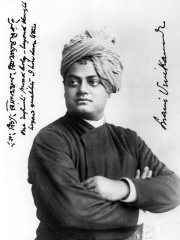
Swami Vivekananda
1863 - 1902
HPI: 82.73
排名: 2
Ramakrishna
1836 - 1886
HPI: 81.84
排名: 3
Nagarjuna
150 - 250
HPI: 80.71
排名: 4

Padmasambhava
717 - 762
HPI: 78.07
排名: 5

Buddhaghosa
401 - 500
HPI: 76.08
排名: 6
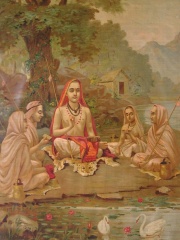
Adi Shankara
788 - 820
HPI: 75.37
排名: 7
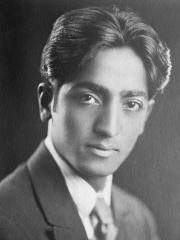
Jiddu Krishnamurti
1895 - 1986
HPI: 75.31
排名: 8
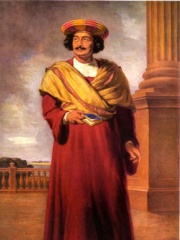
Ram Mohan Roy
1772 - 1833
HPI: 75.03
排名: 9
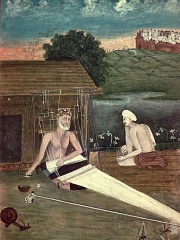
Kabir
1440 - 1518
HPI: 74.51
排名: 10
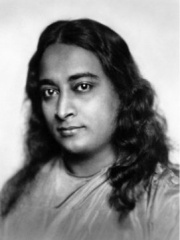
Paramahansa Yogananda
1893 - 1952
HPI: 71.62
排名: 11
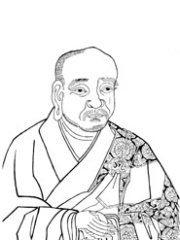
Aśvaghoṣa
80 - 150
HPI: 71.30
排名: 12




