作家
Theognis of Megara
570 BC - 485 BC
ZH.WIKIPEDIA 页面浏览量 (PV)
 Theognis of Megara
知名度指标
39k
页面浏览量
过去12个月
70.03
HPI
历史知名度指数
数据洞察
#757 / 7,707
Theognis of Megara在全球 7,707 位作家中排名第 757,位居该职业前 10%。
Theognis of Megara的各语言页面浏览量
在作家中
在作家中,Theognis of Megara排名第757位(共7,707人)。 排在他之前的有:Berossus, Edmond de Goncourt, Natalia Ginzburg, Hugo Ball, Cao Xueqin, 和Ibn Hawqal. 排在他之后的有:Dio Chrysostom, Abu al-Ghazi Bahadur, Arto Paasilinna, Maurus Servius Honoratus, Harry Mulisch, 和V. S. Naipaul.
维基百科上最受欢迎的作家
查看全部排名

Berossus
公元前400 - 公元前300
HPI: 70.12
排名: 751

Edmond de Goncourt
1822 - 1896
HPI: 70.11
排名: 752

Natalia Ginzburg
1916 - 1991
HPI: 70.10
排名: 753
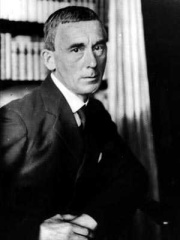
Hugo Ball
1886 - 1927
HPI: 70.09
排名: 754
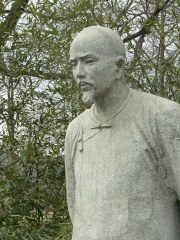
Cao Xueqin
1724 - 1763
HPI: 70.07
排名: 755

Ibn Hawqal
943 - 988
HPI: 70.03
排名: 756
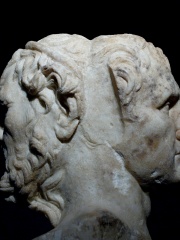
Theognis of Megara
公元前570 - 公元前485
HPI: 70.03
排名: 757

Dio Chrysostom
40 - 120
HPI: 70.02
排名: 758
Abu al-Ghazi Bahadur
1603 - 1664
HPI: 70.02
排名: 759

Arto Paasilinna
1942 - 2018
HPI: 70.00
排名: 760

Maurus Servius Honoratus
363 - 301
HPI: 69.97
排名: 761

Harry Mulisch
1927 - 2010
HPI: 69.95
排名: 762

V. S. Naipaul
1932 - 2018
HPI: 69.95
排名: 763

同时代人物
在570 BC年出生的人中,Theognis of Megara排名第4位。 排在他之前的有:Pythagoras, Xenophanes, 和Anacreon. 排在他之后的有:Hystaspes. 在485 BC年去世的人中,Theognis of Megara排名第2位。 排在他之前的有:Anacreon. 排在他之后的有:Spurius Cassius Viscellinus.
其他570 BC年出生的人
查看全部排名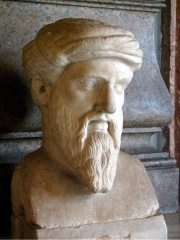
Pythagoras
PHILOSOPHER
公元前570 - 公元前495
HPI: 93.36
排名: 1
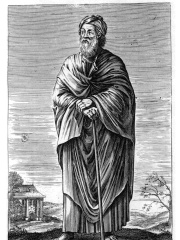
Xenophanes
PHILOSOPHER
公元前570 - 公元前475
HPI: 80.90
排名: 2
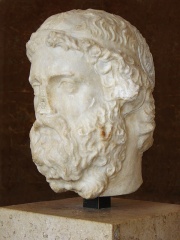
Anacreon
WRITER
公元前570 - 公元前485
HPI: 77.55
排名: 3
Theognis of Megara
WRITER
公元前570 - 公元前485
HPI: 70.03
排名: 4
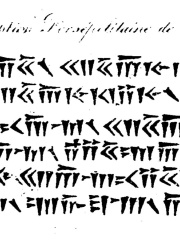
Hystaspes
POLITICIAN
公元前570 - 公元前495
HPI: 68.31
排名: 5
其他485 BC年去世的人
查看全部排名Anacreon
WRITER
公元前570 - 公元前485
HPI: 77.55
排名: 1
Theognis of Megara
WRITER
公元前570 - 公元前485
HPI: 70.03
排名: 2
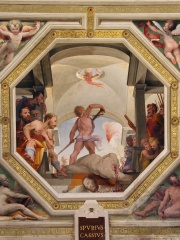
Spurius Cassius Viscellinus
POLITICIAN
公元前540 - 公元前485
HPI: 62.09
排名: 3
在意大利
在出生于意大利的人中,Theognis of Megara排名第940位(共5,905人)。 排在他之前的有:Maria Christina of the Two Sicilies (1806), Giacomo Agostini (1942), Dionysius II of Syracuse (-397), Matteo Zuppi (1955), Gianna Nannini (1954), 和Salvator Rosa (1615). 排在他之后的有:Errico Malatesta (1853), Michelozzo (1396), Juliana of Nicomedia (285), Sandro Mazzola (1942), Decimus Junius Brutus Albinus (-84), 和Francesco Primaticcio (1504).

Maria Christina of the Two Sicilies
COMPANION
1806 - 1878
HPI: 70.07
排名: 934

Giacomo Agostini
RACING DRIVER
1942 - 至今
HPI: 70.07
排名: 935
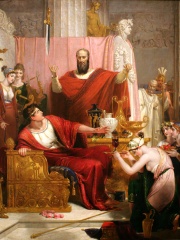
Dionysius II of Syracuse
POLITICIAN
公元前397 - 公元前343
HPI: 70.06
排名: 936
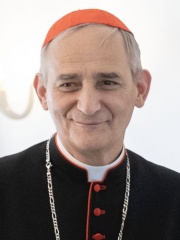
Matteo Zuppi
RELIGIOUS FIGURE
1955 - 至今
HPI: 70.05
排名: 937

Gianna Nannini
MUSICIAN
1954 - 至今
HPI: 70.05
排名: 938
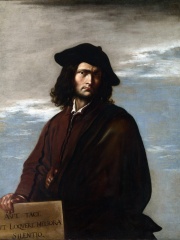
Salvator Rosa
PAINTER
1615 - 1673
HPI: 70.04
排名: 939
Theognis of Megara
WRITER
公元前570 - 公元前485
HPI: 70.03
排名: 940

Errico Malatesta
SOCIAL ACTIVIST
1853 - 1932
HPI: 70.03
排名: 941
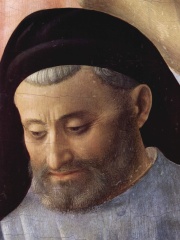
Michelozzo
ARCHITECT
1396 - 1472
HPI: 70.03
排名: 942
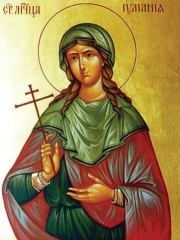
Juliana of Nicomedia
RELIGIOUS FIGURE
285 - 304
HPI: 70.03
排名: 943

Sandro Mazzola
SOCCER PLAYER
1942 - 至今
HPI: 70.02
排名: 944
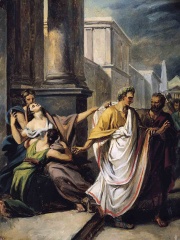
Decimus Junius Brutus Albinus
POLITICIAN
公元前84 - 公元前42
HPI: 70.02
排名: 945
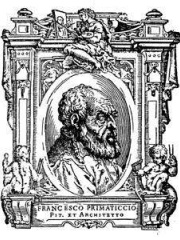
Francesco Primaticcio
PAINTER
1504 - 1570
HPI: 70.02
排名: 946
在意大利的作家中
在出生于意大利的作家中,Theognis of Megara排名第67位。 排在他之前的有:Lorenzo Da Ponte (1749), Cassiodorus (487), Epicharmus of Kos (-524), Pietro Bembo (1470), Emilio Salgari (1862), 和Natalia Ginzburg (1916). 排在他之后的有:Maurus Servius Honoratus (363), Arrigo Boito (1842), Valerius Maximus (-100), Gnaeus Naevius (-275), Cesare Pavese (1908), 和Gerard of Cremona (1114).
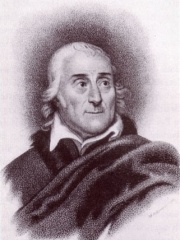
Lorenzo Da Ponte
1749 - 1838
HPI: 70.62
排名: 61
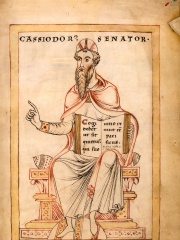
Cassiodorus
487 - 583
HPI: 70.61
排名: 62
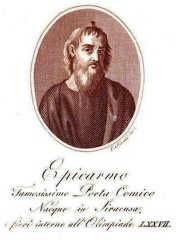
Epicharmus of Kos
公元前524 - 公元前435
HPI: 70.55
排名: 63
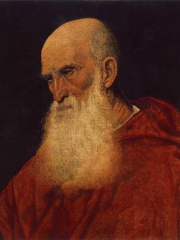
Pietro Bembo
1470 - 1547
HPI: 70.40
排名: 64
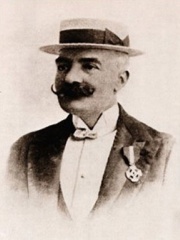
Emilio Salgari
1862 - 1911
HPI: 70.25
排名: 65
Natalia Ginzburg
1916 - 1991
HPI: 70.10
排名: 66
Theognis of Megara
公元前570 - 公元前485
HPI: 70.03
排名: 67
Maurus Servius Honoratus
363 - 301
HPI: 69.97
排名: 68
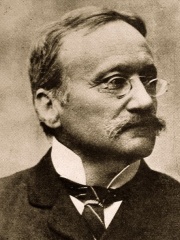
Arrigo Boito
1842 - 1918
HPI: 69.79
排名: 69
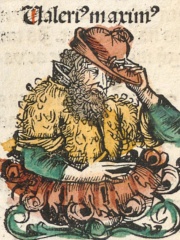
Valerius Maximus
公元前100 - 100
HPI: 69.73
排名: 70
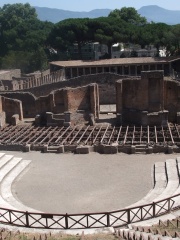
Gnaeus Naevius
公元前275 - 公元前201
HPI: 69.65
排名: 71

Cesare Pavese
1908 - 1950
HPI: 69.44
排名: 72
Gerard of Cremona
1114 - 1187
HPI: 69.39
排名: 73




