Писатель
Epicharmus of Kos
524 BC - 435 BC
ПРОСМОТРЫ RU.WIKIPEDIA (PV)
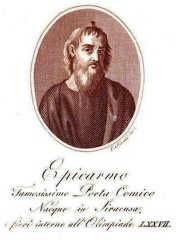
 Epicharmus of Kos
Его биография доступна на 32 различных языках в Википедии (рост с 30 в 2024 году). Epicharmus of Kos занимает 712-е место среди самых популярных писатель (рост с 757-е места в 2024 году), занимает 880-е место среди самых популярных биографий из Италии (рост с 924-е места в 2019 году) и занимает 63-е место среди писатель Италия.
Метрики памятности
16k
Просмотры страниц
За последние 12 месяцев
70.55
HPI
Индекс исторической популярности
Интересные факты
#712 / 7,707
Epicharmus of Kos занимает 712-е место среди 7,707 Писатель мира, входя в 10 % лучших в профессии.
Просмотры страницы Epicharmus of Kos по языкам
Среди представителей профессии «Писатель»
Среди представителей профессии «Писатель» Epicharmus of Kos занимает 712-е место из 7,707. Перед ним идут Multatuli, Cassiodorus, Patrick White, Abdulrazak Gurnah, Clarice Lispector, и Odysseas Elytis. После него идут William F. Buckley Jr., John Irving, Mihai Eminescu, Alejo Carpentier, Pierre Loti, и Kassia.
Самые популярные в Википедии: Писатель
Все рейтинги
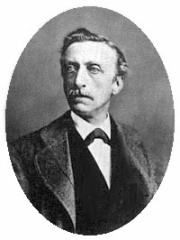
Multatuli
1820 - 1887
HPI: 70.61
Место: 706
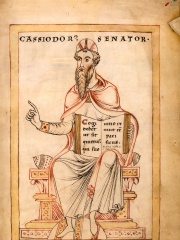
Cassiodorus
487 - 583
HPI: 70.61
Место: 707
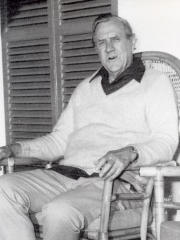
Patrick White
1912 - 1990
HPI: 70.59
Место: 708
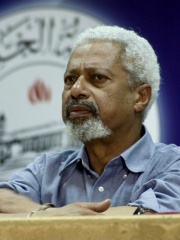
Abdulrazak Gurnah
1948 - наст. время
HPI: 70.58
Место: 709
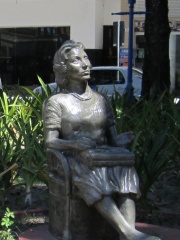
Clarice Lispector
1920 - 1977
HPI: 70.58
Место: 710
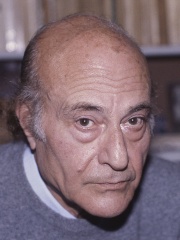
Odysseas Elytis
1911 - 1996
HPI: 70.55
Место: 711
Epicharmus of Kos
524 до н. э. - 435 до н. э.
HPI: 70.55
Место: 712
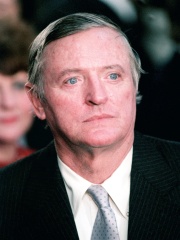
William F. Buckley Jr.
1925 - 2008
HPI: 70.54
Место: 713
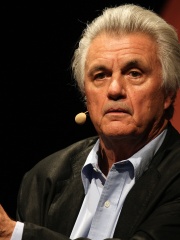
John Irving
1942 - наст. время
HPI: 70.53
Место: 714
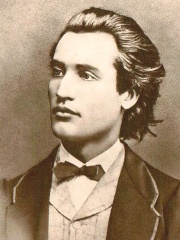
Mihai Eminescu
1850 - 1889
HPI: 70.52
Место: 715
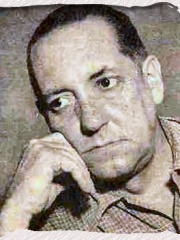
Alejo Carpentier
1904 - 1980
HPI: 70.51
Место: 716
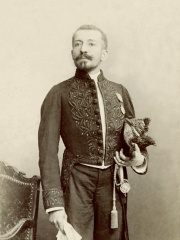
Pierre Loti
1850 - 1923
HPI: 70.48
Место: 717
Kassia
810 - 865
HPI: 70.48
Место: 718

Современники
Среди людей, родившихся в 524 BC году, Epicharmus of Kos занимает 2-е место. Перед ним идёт Themistocles. Среди людей, умерших в 435 BC году, Epicharmus of Kos занимает 1-е место. После него идёт Zengzi.
Другие люди, родившиеся в 524 BC году
Все рейтинги
Themistocles
MILITARY PERSONNEL
524 до н. э. - 459 до н. э.
HPI: 80.86
Место: 1
Epicharmus of Kos
WRITER
524 до н. э. - 435 до н. э.
HPI: 70.55
Место: 2
Другие люди, умершие в 435 BC году
Все рейтингиEpicharmus of Kos
WRITER
524 до н. э. - 435 до н. э.
HPI: 70.55
Место: 1

Zengzi
PHILOSOPHER
504 до н. э. - 435 до н. э.
HPI: 66.68
Место: 2
В стране Италия
Среди людей, родившихся в стране Италия, Epicharmus of Kos занимает 880-е место из 5,905. Перед ним идут Annibale de Gasparis (1819), Giovanni Alfonso Borelli (1608), Giulia Farnese (1474), Gian Galeazzo Visconti (1351), Phalaris (-700), и Maria Amalia of Naples and Sicily (1782). После него идут Ulisse Aldrovandi (1522), Sebastiano del Piombo (1485), Filippo Maria Visconti (1392), Joseph of Cupertino (1603), Paolo Borsellino (1940), и Elena Cornaro Piscopia (1646).
Другие люди, родившиеся в стране Италия
Все рейтинги
Annibale de Gasparis
ASTRONOMER
1819 - 1892
HPI: 70.60
Место: 874
Giovanni Alfonso Borelli
PHYSICIAN
1608 - 1679
HPI: 70.60
Место: 875
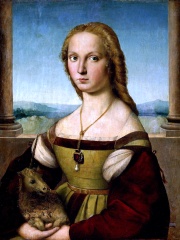
Giulia Farnese
RELIGIOUS FIGURE
1474 - 1524
HPI: 70.60
Место: 876
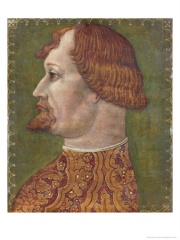
Gian Galeazzo Visconti
POLITICIAN
1351 - 1402
HPI: 70.57
Место: 877
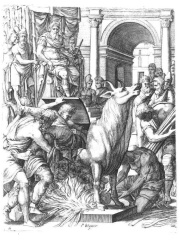
Phalaris
POLITICIAN
700 до н. э. - 600 до н. э.
HPI: 70.56
Место: 878
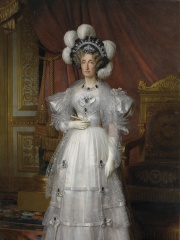
Maria Amalia of Naples and Sicily
POLITICIAN
1782 - 1866
HPI: 70.55
Место: 879
Epicharmus of Kos
WRITER
524 до н. э. - 435 до н. э.
HPI: 70.55
Место: 880
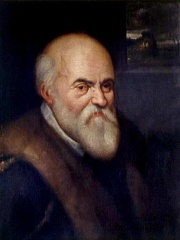
Ulisse Aldrovandi
BIOLOGIST
1522 - 1605
HPI: 70.54
Место: 881
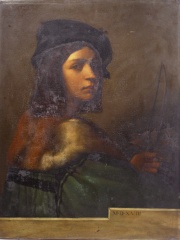
Sebastiano del Piombo
PAINTER
1485 - 1547
HPI: 70.53
Место: 882
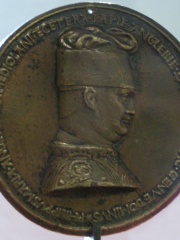
Filippo Maria Visconti
POLITICIAN
1392 - 1447
HPI: 70.53
Место: 883
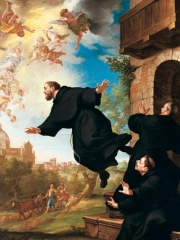
Joseph of Cupertino
RELIGIOUS FIGURE
1603 - 1663
HPI: 70.52
Место: 884
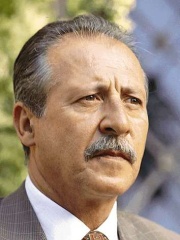
Paolo Borsellino
JUDGE
1940 - 1992
HPI: 70.49
Место: 885
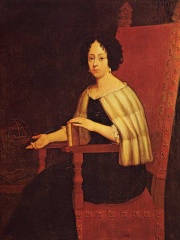
Elena Cornaro Piscopia
PHILOSOPHER
1646 - 1684
HPI: 70.48
Место: 886
Среди представителей профессии «Писатель» в стране Италия
Среди представителей профессии «Писатель», родившихся в стране Италия, Epicharmus of Kos занимает 63-е место. Перед ним идут Carlo Gozzi (1720), Pietro Metastasio (1698), Vittoria Colonna (1490), Antonio Tabucchi (1943), Lorenzo Da Ponte (1749), и Cassiodorus (487). После него идут Pietro Bembo (1470), Emilio Salgari (1862), Natalia Ginzburg (1916), Theognis of Megara (-570), Maurus Servius Honoratus (363), и Arrigo Boito (1842).
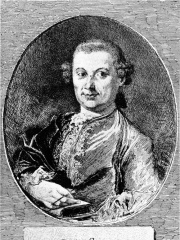
Carlo Gozzi
1720 - 1806
HPI: 70.91
Место: 57
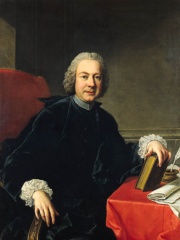
Pietro Metastasio
1698 - 1782
HPI: 70.79
Место: 58
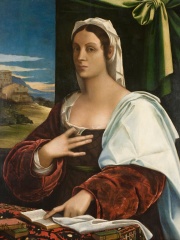
Vittoria Colonna
1490 - 1547
HPI: 70.76
Место: 59
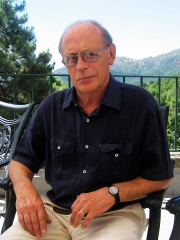
Antonio Tabucchi
1943 - 2012
HPI: 70.66
Место: 60
Lorenzo Da Ponte
1749 - 1838
HPI: 70.62
Место: 61
Cassiodorus
487 - 583
HPI: 70.61
Место: 62
Epicharmus of Kos
524 до н. э. - 435 до н. э.
HPI: 70.55
Место: 63
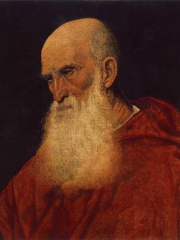
Pietro Bembo
1470 - 1547
HPI: 70.40
Место: 64
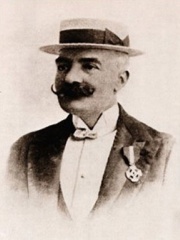
Emilio Salgari
1862 - 1911
HPI: 70.25
Место: 65
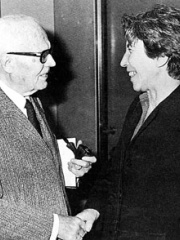
Natalia Ginzburg
1916 - 1991
HPI: 70.10
Место: 66
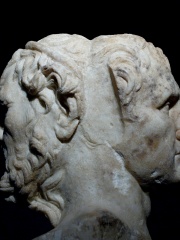
Theognis of Megara
570 до н. э. - 485 до н. э.
HPI: 70.03
Место: 67
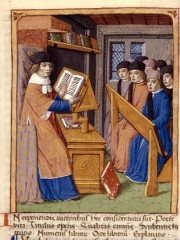
Maurus Servius Honoratus
363 - 301
HPI: 69.97
Место: 68
Arrigo Boito
1842 - 1918
HPI: 69.79
Место: 69




