فيلسوف
Timon of Phlius
320 BC - 230 BC
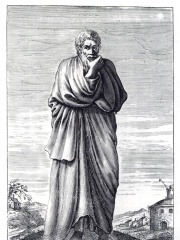
 Timon of Phlius
سيرته الذاتية متاحة بـ29 لغة مختلفة على ويكيبيديا. يحتل Timon of Phlius المرتبة 424 بين أكثر فيلسوف شعبيةً (تراجعًا من 401 في 2024)، والمرتبة 258 بين أكثر السير الذاتية شعبيةً في اليونان (تراجعًا من 238 في 2019)، كما يحتل المرتبة 36 بين أكثر فيلسوف من اليونان شعبيةً.
مقاييس الشهرة
17k
مشاهدات الصفحة
آخر 12 شهرًا
67.63
HPI
مؤشر الشعبية التاريخية
رؤى من البيانات
29
تمتد سيرة Timon of Phlius عبر 29 نسخة لغوية من ويكيبيديا وتبلغ قيمة مؤشر الشعبية التاريخية 67.63.
مشاهدات صفحة Timon of Phlius حسب اللغة
من بين فيلسوف
من بين فيلسوف، يحتل Timon of Phlius المرتبة 424 من أصل 1,285. قبله يأتي Masanobu Fukuoka, John Toland, Yi Hwang, Étienne Gilson, Gargi Vachaknavi, وDong Zhongshu. بعده يأتي Michael J. Sandel, Pavel Florensky, Jacques Lefèvre d'Étaples, Antiochus of Ascalon, Edward de Bono, وHenri-Frédéric Amiel.
أشهر فيلسوف على ويكيبيديا
عرض جميع التصنيفات

Masanobu Fukuoka
1913 - 2008
HPI: 67.78
المرتبة: 418
John Toland
1670 - 1722
HPI: 67.77
المرتبة: 419
Yi Hwang
1501 - 1570
HPI: 67.75
المرتبة: 420
Étienne Gilson
1884 - 1978
HPI: 67.75
المرتبة: 421

Gargi Vachaknavi
700 BC - حتى الآن
HPI: 67.74
المرتبة: 422

Dong Zhongshu
179 BC - 104 BC
HPI: 67.73
المرتبة: 423
Timon of Phlius
320 BC - 230 BC
HPI: 67.63
المرتبة: 424

Michael J. Sandel
1953 - حتى الآن
HPI: 67.59
المرتبة: 425
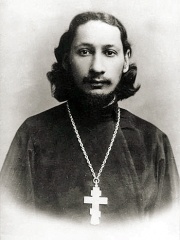
Pavel Florensky
1882 - 1937
HPI: 67.58
المرتبة: 426
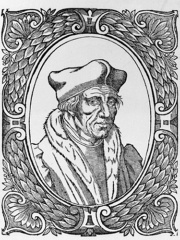
Jacques Lefèvre d'Étaples
1460 - 1537
HPI: 67.57
المرتبة: 427

Antiochus of Ascalon
130 BC - 68 BC
HPI: 67.55
المرتبة: 428

Edward de Bono
1933 - 2021
HPI: 67.51
المرتبة: 429
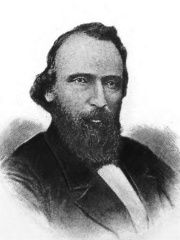
Henri-Frédéric Amiel
1821 - 1881
HPI: 67.51
المرتبة: 430

معاصرون
من بين المولودين في عام 320 BC، يحتل Timon of Phlius المرتبة 2. قبله يأتي Bindusara. بعده يأتي Lycophron, Asclepiades of Samos, Meleager, Timocharis, Colotes, Leonidas of Tarentum, وCraterus. من بين المتوفين في عام 230 BC، يحتل Timon of Phlius المرتبة 2. قبله يأتي Aristarchus of Samos. بعده يأتي Agron, وDiodotus I.
آخرون وُلدوا في عام 320 BC
عرض جميع التصنيفات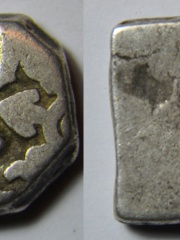
Bindusara
POLITICIAN
320 BC - 273 BC
HPI: 67.99
المرتبة: 1
Timon of Phlius
PHILOSOPHER
320 BC - 230 BC
HPI: 67.63
المرتبة: 2

Lycophron
WRITER
320 BC - 280 BC
HPI: 64.65
المرتبة: 3

Asclepiades of Samos
WRITER
320 BC - 300 BC
HPI: 62.70
المرتبة: 4

Meleager
POLITICIAN
320 BC - 279 BC
HPI: 62.15
المرتبة: 5

Timocharis
ASTRONOMER
320 BC - 260 BC
HPI: 61.49
المرتبة: 6

Colotes
PHILOSOPHER
320 BC - حتى الآن
HPI: 58.45
المرتبة: 7

Leonidas of Tarentum
WRITER
320 BC - 260 BC
HPI: 58.13
المرتبة: 8

Craterus
HISTORIAN
320 BC - 300 BC
HPI: 54.61
المرتبة: 9
آخرون توفوا في عام 230 BC
عرض جميع التصنيفات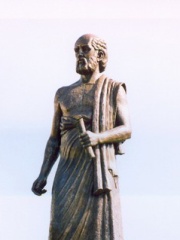
Aristarchus of Samos
ASTRONOMER
311 BC - 230 BC
HPI: 79.89
المرتبة: 1
Timon of Phlius
PHILOSOPHER
320 BC - 230 BC
HPI: 67.63
المرتبة: 2
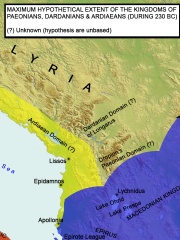
Agron
POLITICIAN
HPI: 66.48
المرتبة: 3
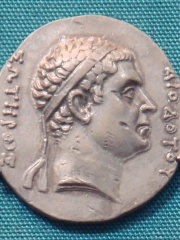
Diodotus I
POLITICIAN
285 BC - 230 BC
HPI: 62.13
المرتبة: 4
في اليونان
من بين المولودين في اليونان، يحتل Timon of Phlius المرتبة 258 من أصل 1,135. قبله يأتي Alexandra of Yugoslavia (1921), Lafcadio Hearn (1850), Vicky Leandros (1949), Konstantin Dejanović (1355), Archidamus II (-450), وTheodore Stratelates (281). بعده يأتي Thrasybulus (-440), Eudemus of Rhodes (-370), Yiannis Ritsos (1909), Princess Olga of Greece and Denmark (1903), Antiochus X Eusebes (-200), وConon of Samos (-280).
آخرون وُلدوا في اليونان
عرض جميع التصنيفات
Alexandra of Yugoslavia
COMPANION
1921 - 1993
HPI: 67.94
المرتبة: 252
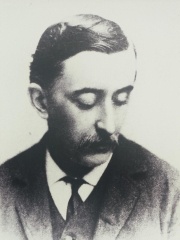
Lafcadio Hearn
WRITER
1850 - 1904
HPI: 67.92
المرتبة: 253

Vicky Leandros
SINGER
1949 - حتى الآن
HPI: 67.87
المرتبة: 254
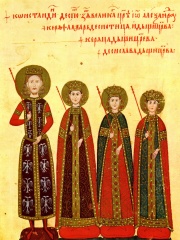
Konstantin Dejanović
POLITICIAN
1355 - 1395
HPI: 67.81
المرتبة: 255
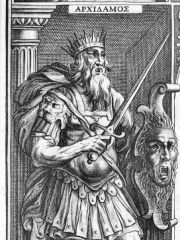
Archidamus II
POLITICIAN
450 BC - 420 BC
HPI: 67.78
المرتبة: 256
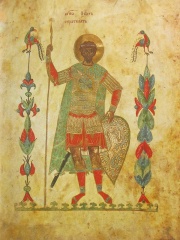
Theodore Stratelates
RELIGIOUS FIGURE
281 - 319
HPI: 67.76
المرتبة: 257
Timon of Phlius
PHILOSOPHER
320 BC - 230 BC
HPI: 67.63
المرتبة: 258

Thrasybulus
MILITARY PERSONNEL
440 BC - 389 BC
HPI: 67.45
المرتبة: 259
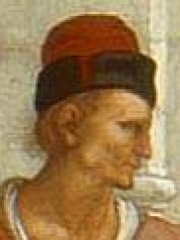
Eudemus of Rhodes
PHILOSOPHER
370 BC - 300 BC
HPI: 67.42
المرتبة: 260

Yiannis Ritsos
SOCIAL ACTIVIST
1909 - 1990
HPI: 67.41
المرتبة: 261
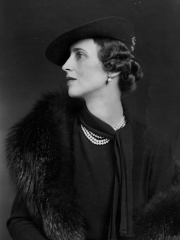
Princess Olga of Greece and Denmark
POLITICIAN
1903 - 1997
HPI: 67.40
المرتبة: 262
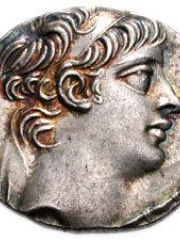
Antiochus X Eusebes
POLITICIAN
200 BC - 88 BC
HPI: 67.40
المرتبة: 263

Conon of Samos
MATHEMATICIAN
280 BC - 221 BC
HPI: 67.38
المرتبة: 264
من بين فيلسوف في اليونان
من بين فيلسوف المولودين في اليونان، يحتل Timon of Phlius المرتبة 36. قبله يأتي Cleobulus (-590), Crates of Thebes (-365), Stilpo (-359), Philo of Larissa (-145), Archelaus (-500), وPlutarch of Athens (350). بعده يأتي Eudemus of Rhodes (-370), Phaedo of Elis (-401), Anaxarchus (-380), Polemon (-400), Crates of Athens (-400), وNicos Poulantzas (1936).
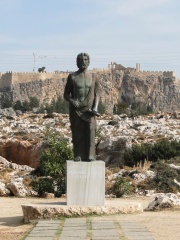
Cleobulus
590 BC - 510 BC
HPI: 70.00
المرتبة: 30

Crates of Thebes
365 BC - 285 BC
HPI: 69.38
المرتبة: 31

Stilpo
359 BC - 279 BC
HPI: 69.16
المرتبة: 32
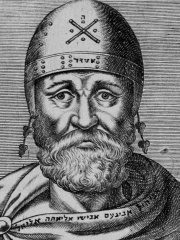
Philo of Larissa
145 BC - 79 BC
HPI: 68.58
المرتبة: 33
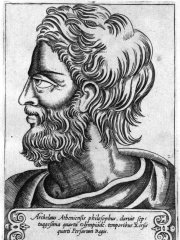
Archelaus
500 BC - 430 BC
HPI: 68.42
المرتبة: 34
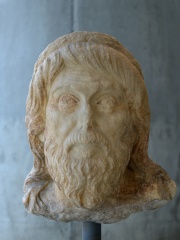
Plutarch of Athens
350 - 431
HPI: 68.19
المرتبة: 35
Timon of Phlius
320 BC - 230 BC
HPI: 67.63
المرتبة: 36
Eudemus of Rhodes
370 BC - 300 BC
HPI: 67.42
المرتبة: 37

Phaedo of Elis
401 BC - 400 BC
HPI: 67.17
المرتبة: 38
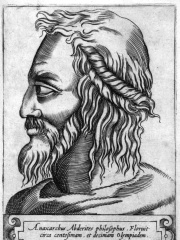
Anaxarchus
380 BC - 320 BC
HPI: 65.78
المرتبة: 39

Polemon
400 BC - 270 BC
HPI: 65.65
المرتبة: 40

Crates of Athens
400 BC - 268 BC
HPI: 65.54
المرتبة: 41
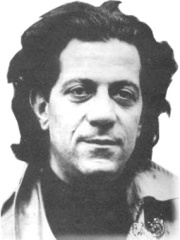
Nicos Poulantzas
1936 - 1979
HPI: 64.93
المرتبة: 42




