Scrittore
Theognis of Megara
570 BC - 485 BC
IT.WIKIPEDIA PAGE VIEWS (PV)
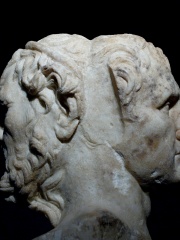
 Theognis of Megara
La sua biografia è disponibile in 33 lingue su Wikipedia (in aumento rispetto a 31 nel 2024). Theognis of Megara è il 757° scrittore più popolare (in calo dal 743° nel 2024), la 940ª biografia più popolare dell'Italia (in calo dal 913ª nel 2019) e il 67° scrittore più popolare dell'Italia.
Memorability Metrics
39k
Page Views
Past 12 months
70.03
HPI
Historical Popularity Index
Page views of Theognis of Megara by language
Among Scrittores
Among scrittores, Theognis of Megara ranks 757 out of 7,302. Before him are Berossus, Edmond de Goncourt, Natalia Ginzburg, Hugo Ball, Cao Xueqin, and Ibn Hawqal. After him are Dio Chrysostom, Abu al-Ghazi Bahadur, Arto Paasilinna, Maurus Servius Honoratus, Harry Mulisch, and V. S. Naipaul.
Most Popular Scrittores in Wikipedia
Go to all Rankings

Berossus
400 BC - 300 BC
HPI: 70.12
Rank: 751

Edmond de Goncourt
1822 - 1896
HPI: 70.11
Rank: 752
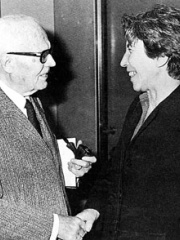
Natalia Ginzburg
1916 - 1991
HPI: 70.10
Rank: 753
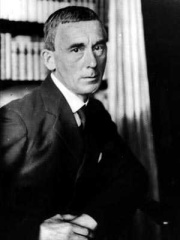
Hugo Ball
1886 - 1927
HPI: 70.09
Rank: 754
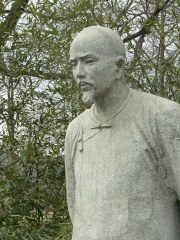
Cao Xueqin
1724 - 1763
HPI: 70.07
Rank: 755

Ibn Hawqal
943 - 988
HPI: 70.03
Rank: 756
Theognis of Megara
570 BC - 485 BC
HPI: 70.03
Rank: 757

Dio Chrysostom
40 - 120
HPI: 70.02
Rank: 758
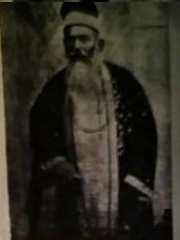
Abu al-Ghazi Bahadur
1603 - 1664
HPI: 70.02
Rank: 759

Arto Paasilinna
1942 - 2018
HPI: 70.00
Rank: 760
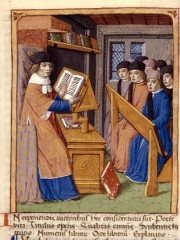
Maurus Servius Honoratus
363 - 301
HPI: 69.97
Rank: 761

Harry Mulisch
1927 - 2010
HPI: 69.95
Rank: 762

V. S. Naipaul
1932 - 2018
HPI: 69.95
Rank: 763

Contemporaries
Among people born in 570 BC, Theognis of Megara ranks 4. Before him are Pythagoras, Xenophanes, and Anacreon. After him is Hystaspes. Among people deceased in 485 BC, Theognis of Megara ranks 2. Before him is Anacreon. After him is Spurius Cassius Viscellinus.
Others Born in 570 BC
Go to all Rankings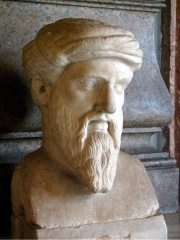
Pythagoras
PHILOSOPHER
570 BC - 495 BC
HPI: 93.36
Rank: 1
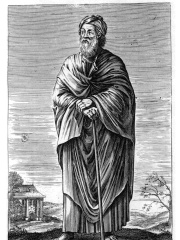
Xenophanes
PHILOSOPHER
570 BC - 475 BC
HPI: 80.90
Rank: 2
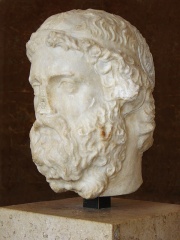
Anacreon
WRITER
570 BC - 485 BC
HPI: 77.55
Rank: 3
Theognis of Megara
WRITER
570 BC - 485 BC
HPI: 70.03
Rank: 4
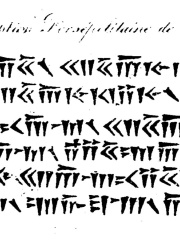
Hystaspes
POLITICIAN
570 BC - 495 BC
HPI: 68.31
Rank: 5
Others Deceased in 485 BC
Go to all RankingsAnacreon
WRITER
570 BC - 485 BC
HPI: 77.55
Rank: 1
Theognis of Megara
WRITER
570 BC - 485 BC
HPI: 70.03
Rank: 2
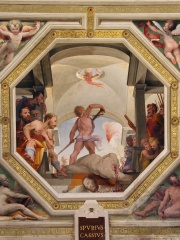
Spurius Cassius Viscellinus
POLITICIAN
540 BC - 485 BC
HPI: 62.09
Rank: 3
In Italia
Among people born in Italia, Theognis of Megara ranks 940 out of NaN. Before him are Maria Christina of the Two Sicilies (1806), Giacomo Agostini (1942), Dionysius II of Syracuse (-397), Matteo Zuppi (1955), Gianna Nannini (1954), and Salvator Rosa (1615). After him are Errico Malatesta (1853), Michelozzo (1396), Juliana of Nicomedia (285), Sandro Mazzola (1942), Decimus Junius Brutus Albinus (-84), and Francesco Primaticcio (1504).
Others born in Italia
Go to all Rankings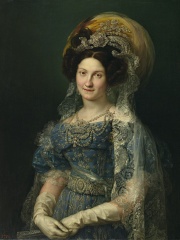
Maria Christina of the Two Sicilies
COMPANION
1806 - 1878
HPI: 70.07
Rank: 934
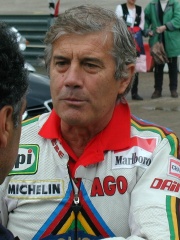
Giacomo Agostini
RACING DRIVER
1942 - Present
HPI: 70.07
Rank: 935
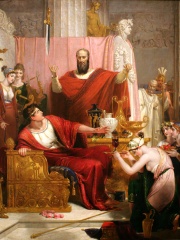
Dionysius II of Syracuse
POLITICIAN
397 BC - 343 BC
HPI: 70.06
Rank: 936
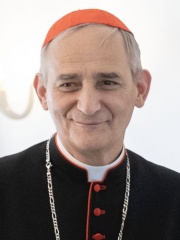
Matteo Zuppi
RELIGIOUS FIGURE
1955 - Present
HPI: 70.05
Rank: 937

Gianna Nannini
MUSICIAN
1954 - Present
HPI: 70.05
Rank: 938
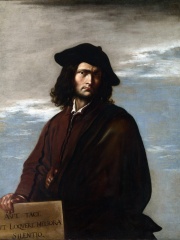
Salvator Rosa
PAINTER
1615 - 1673
HPI: 70.04
Rank: 939
Theognis of Megara
WRITER
570 BC - 485 BC
HPI: 70.03
Rank: 940

Errico Malatesta
SOCIAL ACTIVIST
1853 - 1932
HPI: 70.03
Rank: 941
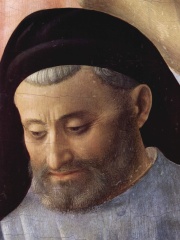
Michelozzo
ARCHITECT
1396 - 1472
HPI: 70.03
Rank: 942
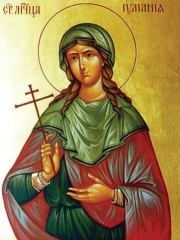
Juliana of Nicomedia
RELIGIOUS FIGURE
285 - 304
HPI: 70.03
Rank: 943

Sandro Mazzola
SOCCER PLAYER
1942 - Present
HPI: 70.02
Rank: 944
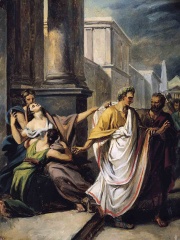
Decimus Junius Brutus Albinus
POLITICIAN
84 BC - 42 BC
HPI: 70.02
Rank: 945
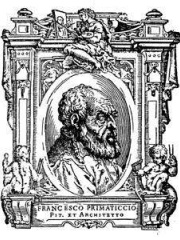
Francesco Primaticcio
PAINTER
1504 - 1570
HPI: 70.02
Rank: 946
Among Scrittores In Italia
Among scrittores born in Italia, Theognis of Megara ranks 67. Before him are Lorenzo Da Ponte (1749), Cassiodorus (487), Epicharmus of Kos (-524), Pietro Bembo (1470), Emilio Salgari (1862), and Natalia Ginzburg (1916). After him are Maurus Servius Honoratus (363), Arrigo Boito (1842), Valerius Maximus (-100), Gnaeus Naevius (-275), Cesare Pavese (1908), and Gerard of Cremona (1114).
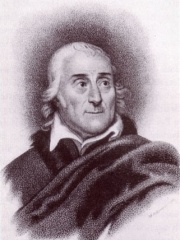
Lorenzo Da Ponte
1749 - 1838
HPI: 70.62
Rank: 61
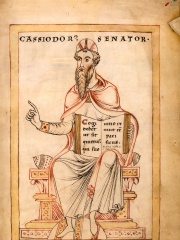
Cassiodorus
487 - 583
HPI: 70.61
Rank: 62
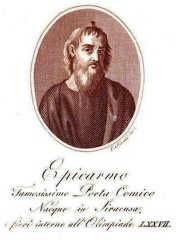
Epicharmus of Kos
524 BC - 435 BC
HPI: 70.55
Rank: 63
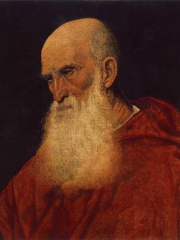
Pietro Bembo
1470 - 1547
HPI: 70.40
Rank: 64
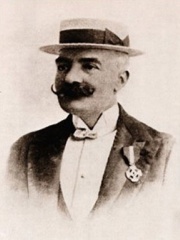
Emilio Salgari
1862 - 1911
HPI: 70.25
Rank: 65
Natalia Ginzburg
1916 - 1991
HPI: 70.10
Rank: 66
Theognis of Megara
570 BC - 485 BC
HPI: 70.03
Rank: 67
Maurus Servius Honoratus
363 - 301
HPI: 69.97
Rank: 68
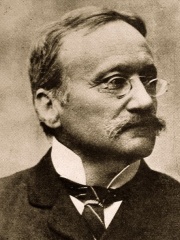
Arrigo Boito
1842 - 1918
HPI: 69.79
Rank: 69
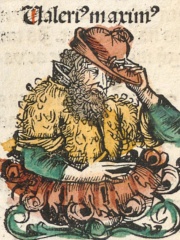
Valerius Maximus
100 BC - 100
HPI: 69.73
Rank: 70
Gnaeus Naevius
275 BC - 201 BC
HPI: 69.65
Rank: 71

Cesare Pavese
1908 - 1950
HPI: 69.44
Rank: 72
Gerard of Cremona
1114 - 1187
HPI: 69.39
Rank: 73




