作家
Semonides of Amorgos
650 BC - 550 BC
ZH.WIKIPEDIA 页面浏览量 (PV)
 Semonides of Amorgos
知名度指标
11k
页面浏览量
过去12个月
65.80
HPI
历史知名度指数
数据洞察
24
Semonides of Amorgos的传记涵盖 24 个维基百科语言版本,历史知名度指数为 65.80。
Semonides of Amorgos的各语言页面浏览量
在作家中
在作家中,Semonides of Amorgos排名第1,394位(共7,707人)。 排在他之前的有:Erskine Caldwell, Clive Cussler, Béla Balázs, Antoine-Henri Jomini, Adamantios Korais, 和Wace. 排在他之后的有:Wilhelm Weitling, P. D. James, E. L. James, Mavro Orbini, Bulat Okudzhava, 和Ngũgĩ wa Thiong'o.
维基百科上最受欢迎的作家
查看全部排名
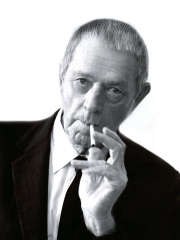
Erskine Caldwell
1903 - 1987
HPI: 65.82
排名: 1,388
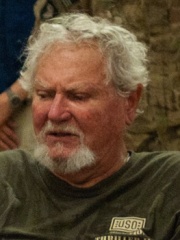
Clive Cussler
1931 - 2020
HPI: 65.82
排名: 1,389
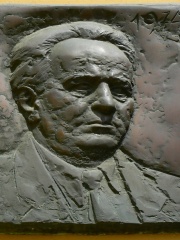
Béla Balázs
1884 - 1949
HPI: 65.81
排名: 1,390
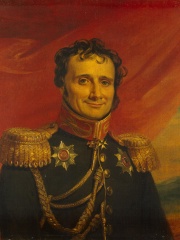
Antoine-Henri Jomini
1779 - 1869
HPI: 65.81
排名: 1,391
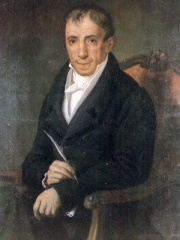
Adamantios Korais
1748 - 1833
HPI: 65.81
排名: 1,392
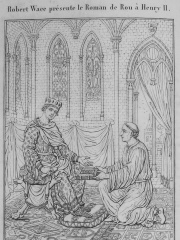
Wace
1100 - 1174
HPI: 65.80
排名: 1,393
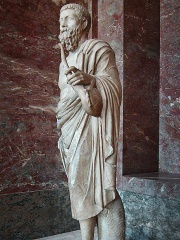
Semonides of Amorgos
650 BC - 550 BC
HPI: 65.80
排名: 1,394
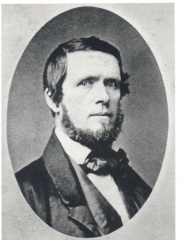
Wilhelm Weitling
1808 - 1871
HPI: 65.80
排名: 1,395
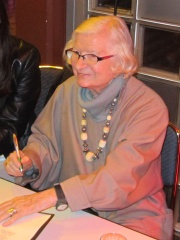
P. D. James
1920 - 2014
HPI: 65.79
排名: 1,396
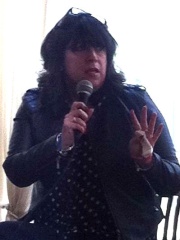
E. L. James
1963 - 至今
HPI: 65.78
排名: 1,397
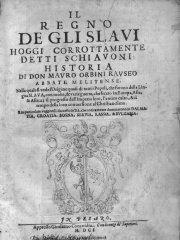
Mavro Orbini
1563 - 1614
HPI: 65.78
排名: 1,398
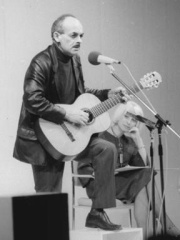
Bulat Okudzhava
1924 - 1997
HPI: 65.77
排名: 1,399
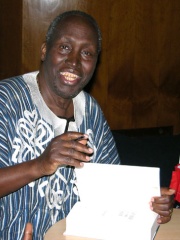
Ngũgĩ wa Thiong'o
1938 - 2025
HPI: 65.77
排名: 1,400

同时代人物
在650 BC年出生的人中,Semonides of Amorgos排名第6位。 排在他之前的有:Jeremiah, Draco, Pittacus of Mytilene, Shamash-shum-ukin, 和Apries. 排在他之后的有:Ariaramnes, Duke Mu of Qin, Madius, Kandalanu, Argaeus I of Macedon, 和Nitocris I. 在550 BC年去世的人中,Semonides of Amorgos排名第3位。 排在他之前的有:Zedekiah, 和Milo of Croton. 排在他之后的有:Nitocris of Babylon.
其他650 BC年出生的人
查看全部排名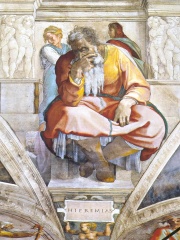
Jeremiah
RELIGIOUS FIGURE
650 BC - 586 BC
HPI: 85.44
排名: 1
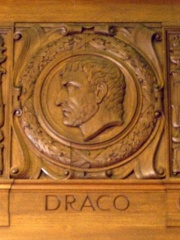
Draco
PUBLIC WORKER
650 BC - 600 BC
HPI: 82.30
排名: 2
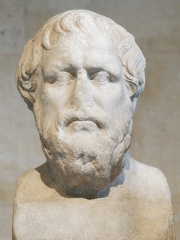
Pittacus of Mytilene
MILITARY PERSONNEL
650 BC - 570 BC
HPI: 72.77
排名: 3
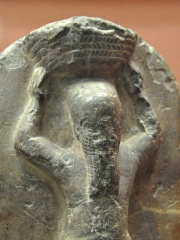
Shamash-shum-ukin
POLITICIAN
650 BC - 648 BC
HPI: 70.80
排名: 4
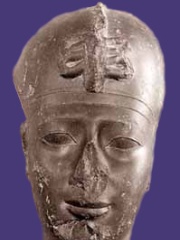
Apries
POLITICIAN
650 BC - 567 BC
HPI: 69.90
排名: 5
Semonides of Amorgos
WRITER
650 BC - 550 BC
HPI: 65.80
排名: 6

Ariaramnes
POLITICIAN
650 BC - 700 BC
HPI: 65.25
排名: 7
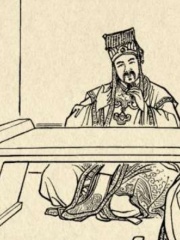
Duke Mu of Qin
POLITICIAN
650 BC - 621 BC
HPI: 65.15
排名: 8

Madius
POLITICIAN
650 BC - 601 BC
HPI: 65.00
排名: 9
Kandalanu
POLITICIAN
650 BC - 627 BC
HPI: 64.35
排名: 10
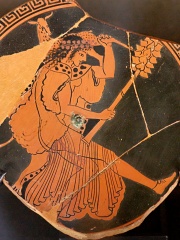
Argaeus I of Macedon
POLITICIAN
650 BC - 700 BC
HPI: 62.33
排名: 11
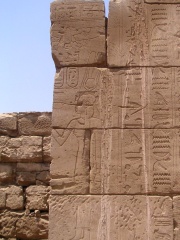
Nitocris I
POLITICIAN
650 BC - 586 BC
HPI: 60.85
排名: 12
其他550 BC年去世的人
查看全部排名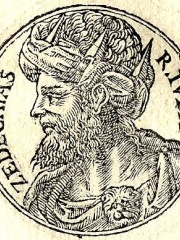
Zedekiah
POLITICIAN
617 BC - 550 BC
HPI: 72.66
排名: 1
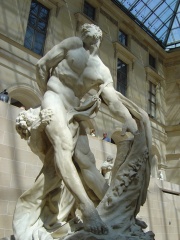
Milo of Croton
POLITICIAN
557 BC - 550 BC
HPI: 70.69
排名: 2
Semonides of Amorgos
WRITER
650 BC - 550 BC
HPI: 65.80
排名: 3
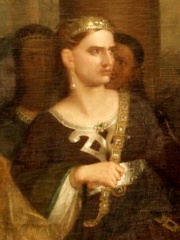
Nitocris of Babylon
NOBLEMAN
550 BC - 550 BC
HPI: 61.43
排名: 4
在希腊
在出生于希腊的人中,Semonides of Amorgos排名第318位(共1,135人)。 排在他之前的有:Joseph II of Constantinople (1360), Ageladas (-600), Cleisthenes of Sicyon (-701), Aristyllus (-400), Cylon of Athens (-700), 和Yanni (1954). 排在他之后的有:Anaxarchus (-380), Lais of Corinth (-400), Polemon (-400), Gregory V of Constantinople (1745), Agnes Baltsa (1944), 和Hierocles of Alexandria (410).
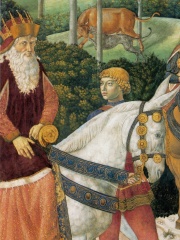
Joseph II of Constantinople
RELIGIOUS FIGURE
1360 - 1439
HPI: 66.01
排名: 312

Ageladas
SCULPTOR
600 BC - 500 BC
HPI: 65.98
排名: 313

Cleisthenes of Sicyon
POLITICIAN
701 BC - 600 BC
HPI: 65.95
排名: 314

Aristyllus
MATHEMATICIAN
400 BC - 300 BC
HPI: 65.94
排名: 315

Cylon of Athens
POLITICIAN
700 BC - 700 BC
HPI: 65.93
排名: 316
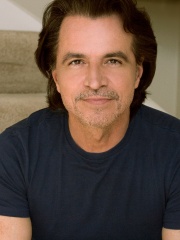
Yanni
MUSICIAN
1954 - 至今
HPI: 65.88
排名: 317
Semonides of Amorgos
WRITER
650 BC - 550 BC
HPI: 65.80
排名: 318
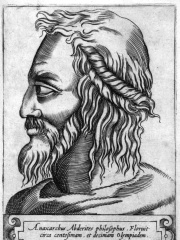
Anaxarchus
PHILOSOPHER
380 BC - 320 BC
HPI: 65.78
排名: 319

Lais of Corinth
POLITICIAN
400 BC - 360 BC
HPI: 65.75
排名: 320
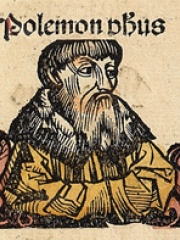
Polemon
PHILOSOPHER
400 BC - 270 BC
HPI: 65.65
排名: 321
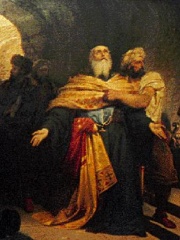
Gregory V of Constantinople
RELIGIOUS FIGURE
1745 - 1821
HPI: 65.64
排名: 322
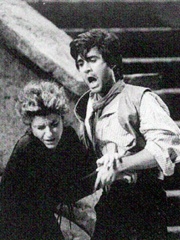
Agnes Baltsa
SINGER
1944 - 至今
HPI: 65.63
排名: 323

Hierocles of Alexandria
WRITER
410 - 500
HPI: 65.58
排名: 324
在希腊的作家中
在出生于希腊的作家中,Semonides of Amorgos排名第34位。 排在他之前的有:Philostratus (170), Agathon (-448), Lafcadio Hearn (1850), Jean Moréas (1856), Ugo Foscolo (1778), 和Rigas Feraios (1757). 排在他之后的有:Hierocles of Alexandria (410), Phrynichus (-535), Cratinus (-500), Diagoras of Melos (-450), Laonikos Chalkokondyles (1423), 和Lycophron (-320).

Philostratus
170 - 250
HPI: 68.50
排名: 28
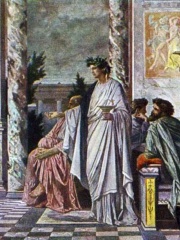
Agathon
448 BC - 401 BC
HPI: 68.16
排名: 29
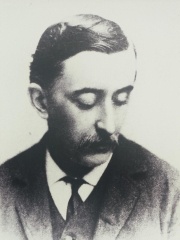
Lafcadio Hearn
1850 - 1904
HPI: 67.92
排名: 30
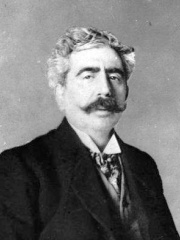
Jean Moréas
1856 - 1910
HPI: 67.27
排名: 31
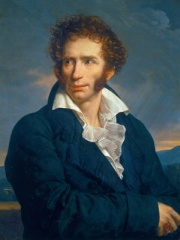
Ugo Foscolo
1778 - 1827
HPI: 66.97
排名: 32
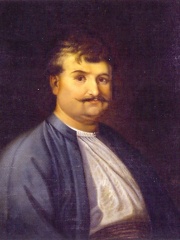
Rigas Feraios
1757 - 1798
HPI: 66.95
排名: 33
Semonides of Amorgos
650 BC - 550 BC
HPI: 65.80
排名: 34
Hierocles of Alexandria
410 - 500
HPI: 65.58
排名: 35

Phrynichus
535 BC - 500 BC
HPI: 65.46
排名: 36

Cratinus
500 BC - 422 BC
HPI: 65.36
排名: 37

Diagoras of Melos
450 BC - 450 BC
HPI: 64.82
排名: 38

Laonikos Chalkokondyles
1423 - 1490
HPI: 64.72
排名: 39

Lycophron
320 BC - 280 BC
HPI: 64.65
排名: 40




