Scrittore
Ibn Hawqal
943 - 988
IT.WIKIPEDIA PAGE VIEWS (PV)

 Ibn Hawqal
La sua biografia è disponibile in 30 lingue su Wikipedia (in aumento rispetto a 29 nel 2024). Ibn Hawqal è il 756° scrittore più popolare (in aumento dal 824° nel 2024), la 324ª biografia più popolare della Turchia (in aumento dal 336ª nel 2019) e il 18° scrittore più popolare della Turchia.
Memorability Metrics
34k
Page Views
Past 12 months
70.03
HPI
Historical Popularity Index
Page views of Ibn Hawqal by language
Among Scrittores
Among scrittores, Ibn Hawqal ranks 756 out of 7,302. Before him are Christa Wolf, Berossus, Edmond de Goncourt, Natalia Ginzburg, Hugo Ball, and Cao Xueqin. After him are Theognis of Megara, Dio Chrysostom, Abu al-Ghazi Bahadur, Arto Paasilinna, Maurus Servius Honoratus, and Harry Mulisch.
Most Popular Scrittores in Wikipedia
Go to all Rankings
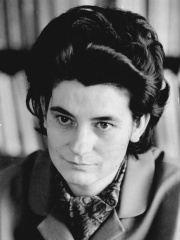
Christa Wolf
1929 - 2011
HPI: 70.12
Rank: 750

Berossus
400 BC - 300 BC
HPI: 70.12
Rank: 751
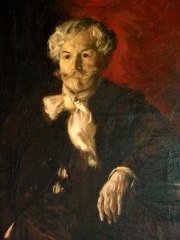
Edmond de Goncourt
1822 - 1896
HPI: 70.11
Rank: 752
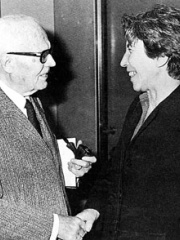
Natalia Ginzburg
1916 - 1991
HPI: 70.10
Rank: 753
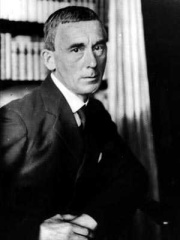
Hugo Ball
1886 - 1927
HPI: 70.09
Rank: 754
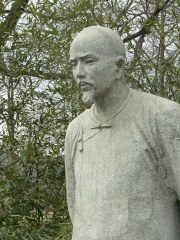
Cao Xueqin
1724 - 1763
HPI: 70.07
Rank: 755
Ibn Hawqal
943 - 988
HPI: 70.03
Rank: 756
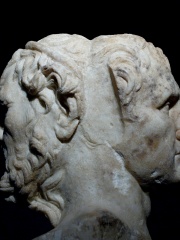
Theognis of Megara
570 BC - 485 BC
HPI: 70.03
Rank: 757

Dio Chrysostom
40 - 120
HPI: 70.02
Rank: 758
Abu al-Ghazi Bahadur
1603 - 1664
HPI: 70.02
Rank: 759

Arto Paasilinna
1942 - 2018
HPI: 70.00
Rank: 760
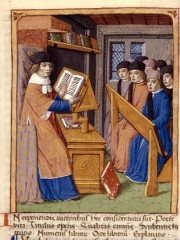
Maurus Servius Honoratus
363 - 301
HPI: 69.97
Rank: 761
Harry Mulisch
1927 - 2010
HPI: 69.95
Rank: 762

Contemporaries
Among people born in 943, Ibn Hawqal ranks 2. Before him is Edgar the Peaceful. After him is Matilda of France. Among people deceased in 988, Ibn Hawqal ranks 1. After him are Dunstan, Dirk II, Count of Holland, and Emma of Italy.
Others Born in 943
Go to all Rankings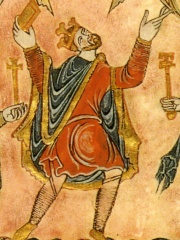
Edgar the Peaceful
POLITICIAN
943 - 975
HPI: 80.51
Rank: 1
Ibn Hawqal
WRITER
943 - 988
HPI: 70.03
Rank: 2
Matilda of France
COMPANION
943 - 992
HPI: 58.52
Rank: 3
Others Deceased in 988
Go to all RankingsIbn Hawqal
WRITER
943 - 988
HPI: 70.03
Rank: 1
Dunstan
RELIGIOUS FIGURE
909 - 988
HPI: 62.65
Rank: 2
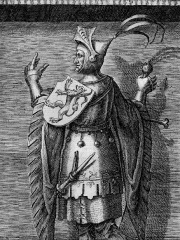
Dirk II, Count of Holland
POLITICIAN
901 - 988
HPI: 61.97
Rank: 3
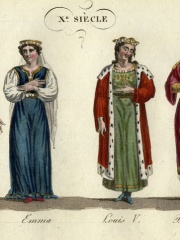
Emma of Italy
COMPANION
HPI: 60.39
Rank: 4
In Turchia
Among people born in Turchia, Ibn Hawqal ranks 324 out of NaN. Before him are Beyhan Sultan (1497), Pithana (-1800), Ayşe Sultan (1541), Attalus II Philadelphus (-220), Eudokia Makrembolitissa (1021), and Bülent Ecevit (1925). After him are Dio Chrysostom (40), Gennadius Scholarius (1400), Theophilus of Antioch (140), Andronikos V Palaiologos (1400), Calouste Gulbenkian (1869), and Michael IV the Paphlagonian (1010).
Others born in Turchia
Go to all Rankings
Beyhan Sultan
POLITICIAN
1497 - 1559
HPI: 70.20
Rank: 318

Pithana
POLITICIAN
1800 BC - 1700 BC
HPI: 70.19
Rank: 319

Ayşe Sultan
POLITICIAN
1541 - Present
HPI: 70.13
Rank: 320
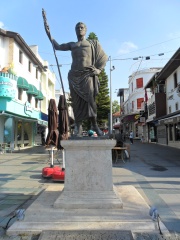
Attalus II Philadelphus
POLITICIAN
220 BC - 138 BC
HPI: 70.12
Rank: 321
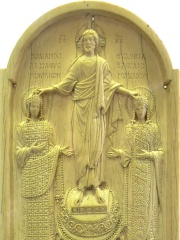
Eudokia Makrembolitissa
POLITICIAN
1021 - 1096
HPI: 70.11
Rank: 322
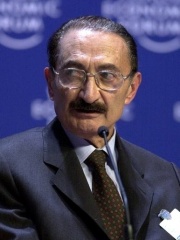
Bülent Ecevit
POLITICIAN
1925 - 2006
HPI: 70.07
Rank: 323
Ibn Hawqal
WRITER
943 - 988
HPI: 70.03
Rank: 324
Dio Chrysostom
WRITER
40 - 120
HPI: 70.02
Rank: 325
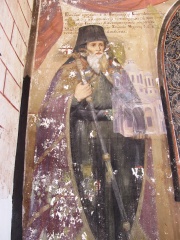
Gennadius Scholarius
PHILOSOPHER
1400 - 1473
HPI: 70.01
Rank: 326
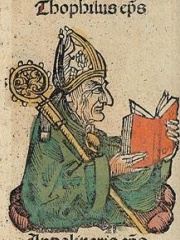
Theophilus of Antioch
RELIGIOUS FIGURE
140 - 183
HPI: 69.99
Rank: 327
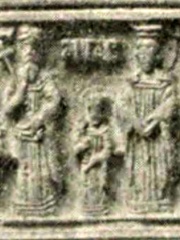
Andronikos V Palaiologos
POLITICIAN
1400 - 1407
HPI: 69.99
Rank: 328
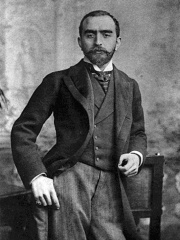
Calouste Gulbenkian
BUSINESSPERSON
1869 - 1955
HPI: 69.95
Rank: 329
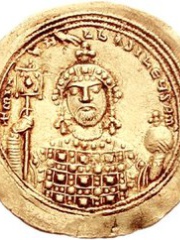
Michael IV the Paphlagonian
POLITICIAN
1010 - 1041
HPI: 69.95
Rank: 330
Among Scrittores In Turchia
Among scrittores born in Turchia, Ibn Hawqal ranks 18. Before him are Yunus Emre (1240), André Chénier (1762), Aratus (-315), Gregory of Narek (951), Kassia (810), and Theodore the Studite (759). After him are Dio Chrysostom (40), Bar Hebraeus (1226), Theodoret (393), Zenodotus (-330), Artemidorus (200), and Aristophanes of Byzantium (-257).
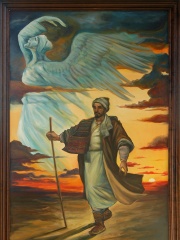
Yunus Emre
1240 - 1321
HPI: 72.13
Rank: 12
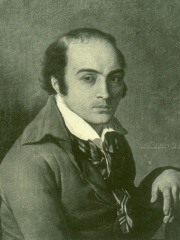
André Chénier
1762 - 1794
HPI: 71.30
Rank: 13
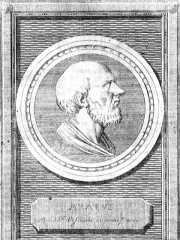
Aratus
315 BC - 240 BC
HPI: 71.21
Rank: 14
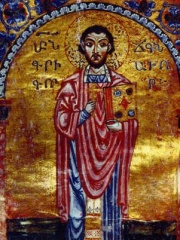
Gregory of Narek
951 - 1003
HPI: 70.76
Rank: 15
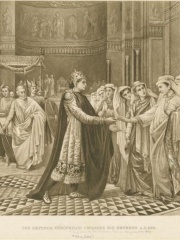
Kassia
810 - 865
HPI: 70.48
Rank: 16
Theodore the Studite
759 - 826
HPI: 70.35
Rank: 17
Ibn Hawqal
943 - 988
HPI: 70.03
Rank: 18
Dio Chrysostom
40 - 120
HPI: 70.02
Rank: 19

Bar Hebraeus
1226 - 1286
HPI: 69.57
Rank: 20
Theodoret
393 - 458
HPI: 69.51
Rank: 21

Zenodotus
330 BC - 260 BC
HPI: 68.83
Rank: 22

Artemidorus
200 - 200
HPI: 68.61
Rank: 23

Aristophanes of Byzantium
257 BC - 180 BC
HPI: 68.58
Rank: 24




