Militaire
Sejanus
20 BC - 31
PAGES VUES SUR FR.WIKIPEDIA (PV)
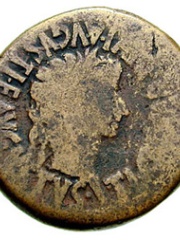
 Sejanus
Sa biographie est disponible en 38 langues sur Wikipédia (en hausse par rapport à 37 en 2024). Sejanus est le 271st militaire le plus populaire (en hausse du 310th en 2024), la 862nd biographie la plus populaire d'Italie (en hausse du 921st en 2019), ainsi que le 11th militaire d'Italie le plus populaire.
Indicateurs de mémorabilité
150k
Pages vues
12 derniers mois
70.69
HPI
Indice de popularité historique
Faits marquants
38
La biographie de Sejanus couvre 38 éditions linguistiques de Wikipédia et obtient un Indice de Popularité Historique de 70.69.
Pages vues de Sejanus par langue
Parmi les Militaire
Parmi les Militaire, Sejanus occupe le rang 271 sur 2,188. Avant lui viennent Pedro de Alvarado, Louis-Gabriel Suchet, Karl-Otto Koch, Charles V, Duke of Lorraine, Wilhelm Burgdorf, et Han Xin. Après lui viennent Tadamichi Kuribayashi, Lothar Rendulic, Karl Wolff, Oskar Dirlewanger, Robert Nivelle, et Otto Carius.
Militaire les plus populaires sur Wikipédia
Voir tous les classements
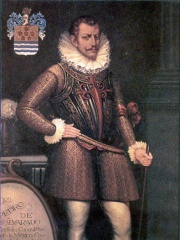
Pedro de Alvarado
1485 - 1541
HPI : 70.84
Rang : 265
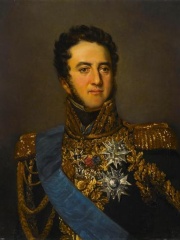
Louis-Gabriel Suchet
1770 - 1826
HPI : 70.83
Rang : 266
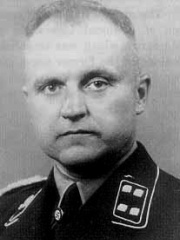
Karl-Otto Koch
1897 - 1945
HPI : 70.81
Rang : 267
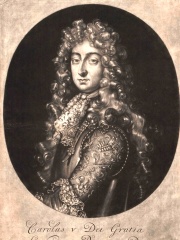
Charles V, Duke of Lorraine
1643 - 1690
HPI : 70.70
Rang : 268
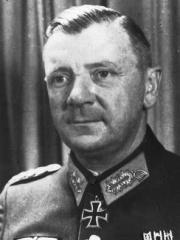
Wilhelm Burgdorf
1895 - 1945
HPI : 70.70
Rang : 269
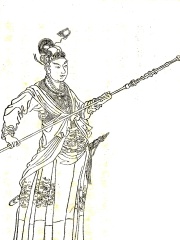
Han Xin
231 BC - 196 BC
HPI : 70.69
Rang : 270
Sejanus
20 BC - 31
HPI : 70.69
Rang : 271
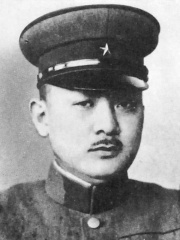
Tadamichi Kuribayashi
1891 - 1945
HPI : 70.67
Rang : 272

Lothar Rendulic
1887 - 1971
HPI : 70.67
Rang : 273
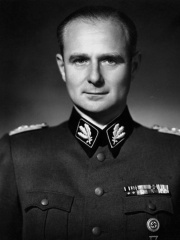
Karl Wolff
1900 - 1984
HPI : 70.65
Rang : 274
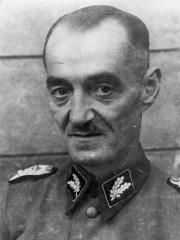
Oskar Dirlewanger
1895 - 1945
HPI : 70.64
Rang : 275
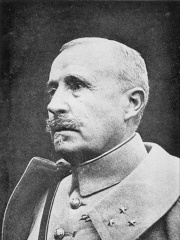
Robert Nivelle
1856 - 1924
HPI : 70.61
Rang : 276
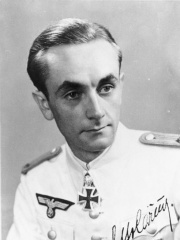
Otto Carius
1922 - 2015
HPI : 70.60
Rang : 277

Contemporains
Parmi les personnes nées en 20 BC, Sejanus occupe le rang 6. Avant lui viennent John the Baptist, James, brother of Jesus, Herod Antipas, Phaedrus, et Gaius Caesar. Parmi les personnes décédées en 31, Sejanus occupe le rang 5. Avant lui viennent John the Baptist, Livilla, Nero Julius Caesar, et Marcus Velleius Paterculus.
Autres personnes nées en 20 BC
Voir tous les classements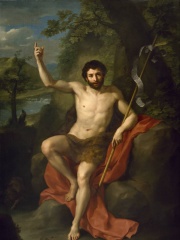
John the Baptist
RELIGIOUS FIGURE
20 BC - 31
HPI : 89.07
Rang : 1
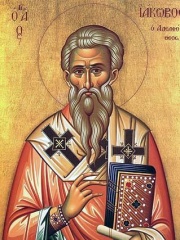
James, brother of Jesus
RELIGIOUS FIGURE
20 BC - 69
HPI : 84.07
Rang : 2
Herod Antipas
POLITICIAN
20 BC - 39
HPI : 78.77
Rang : 3
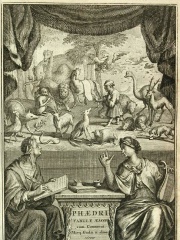
Phaedrus
WRITER
20 BC - 50
HPI : 72.90
Rang : 4
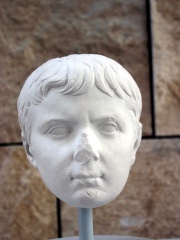
Gaius Caesar
NOBLEMAN
20 BC - 4
HPI : 71.84
Rang : 5
Sejanus
MILITARY PERSONNEL
20 BC - 31
HPI : 70.69
Rang : 6
Autres personnes décédées en 31
Voir tous les classementsJohn the Baptist
RELIGIOUS FIGURE
20 BC - 31
HPI : 89.07
Rang : 1

Livilla
POLITICIAN
13 BC - 31
HPI : 74.26
Rang : 2
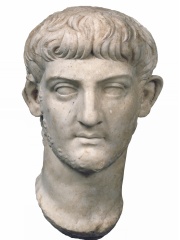
Nero Julius Caesar
POLITICIAN
6 - 31
HPI : 73.53
Rang : 3
Marcus Velleius Paterculus
HISTORIAN
19 BC - 31
HPI : 72.46
Rang : 4
Sejanus
MILITARY PERSONNEL
20 BC - 31
HPI : 70.69
Rang : 5
En Italie
Parmi les personnes nées en Italie, Sejanus occupe le rang 862 sur 5,905. Avant lui viennent Vittoria Colonna (1490), Isabella d'Este (1474), Francesco Guicciardini (1483), Euhemerus (-330), Stefania Sandrelli (1946), et Milo of Croton (-557). Après lui viennent Fabio Cannavaro (1973), Giuseppe Torelli (1658), Ercole II d'Este, Duke of Ferrara (1508), Roberto Mancini (1964), Andrew III of Hungary (1265), et Antonio Tabucchi (1943).
Autres personnes nées en Italie
Voir tous les classements
Vittoria Colonna
WRITER
1490 - 1547
HPI : 70.76
Rang : 856
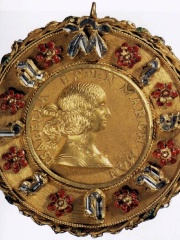
Isabella d'Este
NOBLEMAN
1474 - 1539
HPI : 70.75
Rang : 857
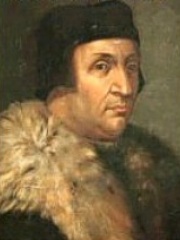
Francesco Guicciardini
HISTORIAN
1483 - 1540
HPI : 70.74
Rang : 858

Euhemerus
HISTORIAN
330 BC - 250 BC
HPI : 70.70
Rang : 859

Stefania Sandrelli
ACTOR
1946 - présent
HPI : 70.70
Rang : 860
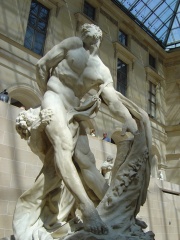
Milo of Croton
POLITICIAN
557 BC - 550 BC
HPI : 70.69
Rang : 861
Sejanus
MILITARY PERSONNEL
20 BC - 31
HPI : 70.69
Rang : 862

Fabio Cannavaro
SOCCER PLAYER
1973 - présent
HPI : 70.68
Rang : 863
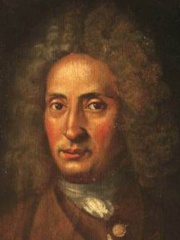
Giuseppe Torelli
COMPOSER
1658 - 1709
HPI : 70.68
Rang : 864
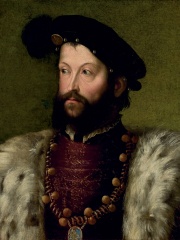
Ercole II d'Este, Duke of Ferrara
POLITICIAN
1508 - 1559
HPI : 70.68
Rang : 865

Roberto Mancini
SOCCER PLAYER
1964 - présent
HPI : 70.67
Rang : 866
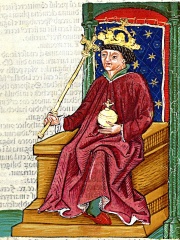
Andrew III of Hungary
POLITICIAN
1265 - 1301
HPI : 70.66
Rang : 867
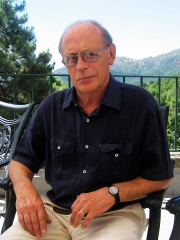
Antonio Tabucchi
WRITER
1943 - 2012
HPI : 70.66
Rang : 868
Parmi les Militaire en Italie
Parmi les Militaire nés en Italie, Sejanus occupe le rang 11. Avant lui viennent Gaius Julius Caesar (-135), Bohemond I of Antioch (1054), Matilda of Tuscany (1046), Giovanni Giustiniani (1418), Lucius Aemilius Paullus Macedonicus (-229), et Federico da Montefeltro (1422). Après lui viennent Raimondo Montecuccoli (1609), Italo Gariboldi (1879), Titus Labienus (-100), Roger de Flor (1267), Italo Balbo (1896), et Luigi Cadorna (1850).
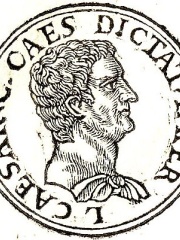
Gaius Julius Caesar
135 BC - 85 BC
HPI : 74.35
Rang : 5
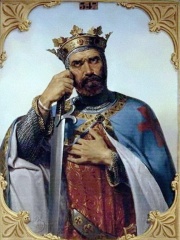
Bohemond I of Antioch
1054 - 1111
HPI : 73.89
Rang : 6
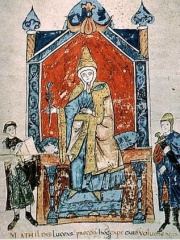
Matilda of Tuscany
1046 - 1115
HPI : 73.40
Rang : 7
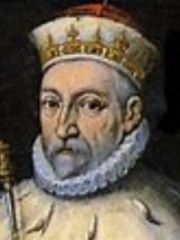
Giovanni Giustiniani
1418 - 1453
HPI : 72.70
Rang : 8
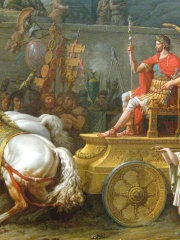
Lucius Aemilius Paullus Macedonicus
229 BC - 160 BC
HPI : 71.51
Rang : 9
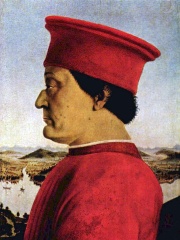
Federico da Montefeltro
1422 - 1482
HPI : 70.86
Rang : 10
Sejanus
20 BC - 31
HPI : 70.69
Rang : 11
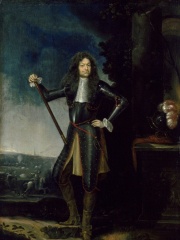
Raimondo Montecuccoli
1609 - 1680
HPI : 70.27
Rang : 12
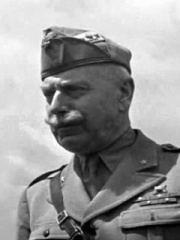
Italo Gariboldi
1879 - 1970
HPI : 70.21
Rang : 13

Titus Labienus
100 BC - 45 BC
HPI : 70.16
Rang : 14
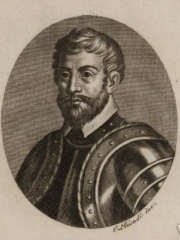
Roger de Flor
1267 - 1305
HPI : 69.59
Rang : 15
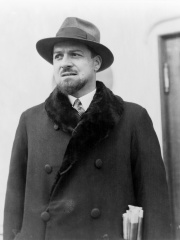
Italo Balbo
1896 - 1940
HPI : 69.23
Rang : 16
Luigi Cadorna
1850 - 1928
HPI : 69.09
Rang : 17




