Storico
Marcus Velleius Paterculus
19 BC - 31
VISUALIZZAZIONI SU IT.WIKIPEDIA (PV)
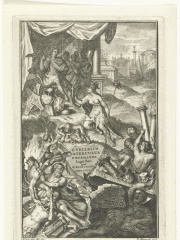
 Marcus Velleius Paterculus
La sua biografia è disponibile in 39 lingue su Wikipedia. Marcus Velleius Paterculus è il 43° storico più popolare (in aumento dal 55° nel 2024), la 700ª biografia più popolare dell'Italia (in aumento dal 820ª nel 2019) e il 5° storico più popolare dell'Italia.
Metriche di memorabilità
36k
Visualizzazioni
Ultimi 12 mesi
72.46
HPI
Indice di popolarità storica
Dati in evidenza
#6,042
A oltre 19 secoli dalla morte, Marcus Velleius Paterculus occupa ancora la posizione n. 6,042 tra tutte le personalità di Pantheon.
39
La biografia di Marcus Velleius Paterculus compare in 39 edizioni linguistiche di Wikipedia — più del 89% di tutti i Storico.
Visualizzazioni della pagina di Marcus Velleius Paterculus per lingua
Tra Storico
Tra Storico, Marcus Velleius Paterculus occupa la posizione 43 su 561. Prima di lui ci sono Hippolyte Taine, Quintus Curtius Rufus, Leonardo Bruni, Jacques Le Goff, Adam of Bremen, e Ali ibn al-Athir. Dopo di lui ci sono Erwin Panofsky, Al-Baladhuri, Socrates of Constantinople, Lucien Febvre, François Guizot, e Yuval Noah Harari.
Storico più popolari su Wikipedia
Vai a tutte le classifiche
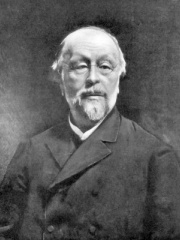
Hippolyte Taine
1828 - 1893
HPI: 73.03
Posizione: 37
Quintus Curtius Rufus
41 - 53
HPI: 72.96
Posizione: 38
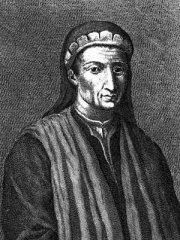
Leonardo Bruni
1370 - 1444
HPI: 72.96
Posizione: 39
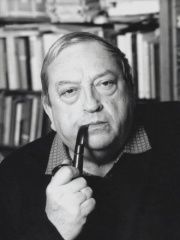
Jacques Le Goff
1924 - 2014
HPI: 72.92
Posizione: 40

Adam of Bremen
1100 - 1080
HPI: 72.91
Posizione: 41

Ali ibn al-Athir
1160 - 1233
HPI: 72.68
Posizione: 42
Marcus Velleius Paterculus
19 BC - 31
HPI: 72.46
Posizione: 43
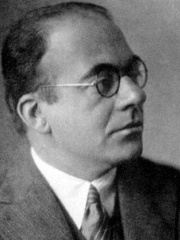
Erwin Panofsky
1892 - 1968
HPI: 72.29
Posizione: 44

Al-Baladhuri
806 - 892
HPI: 72.19
Posizione: 45

Socrates of Constantinople
380 - 440
HPI: 72.04
Posizione: 46
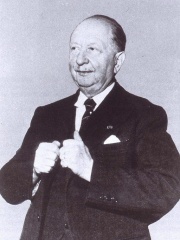
Lucien Febvre
1878 - 1956
HPI: 71.88
Posizione: 47
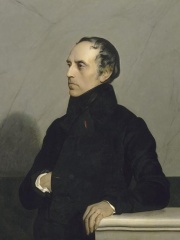
François Guizot
1787 - 1874
HPI: 71.51
Posizione: 48

Yuval Noah Harari
1976 - presente
HPI: 71.50
Posizione: 49

Contemporanei
Tra le persone nate nel 19 BC, Marcus Velleius Paterculus occupa la posizione 1. Dopo di lui c'è Julia the Younger. Tra le persone decedute nel 31, Marcus Velleius Paterculus occupa la posizione 4. Prima di lui ci sono John the Baptist, Livilla, e Nero Julius Caesar. Dopo di lui c'è Sejanus.
Altre persone nate nel 19 BC
Vai a tutte le classificheMarcus Velleius Paterculus
HISTORIAN
19 BC - 31
HPI: 72.46
Posizione: 1
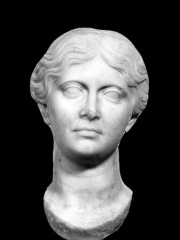
Julia the Younger
POLITICIAN
19 BC - 28
HPI: 66.36
Posizione: 2
Altre persone decedute nel 31
Vai a tutte le classifiche
John the Baptist
RELIGIOUS FIGURE
20 BC - 31
HPI: 89.07
Posizione: 1

Livilla
POLITICIAN
13 BC - 31
HPI: 74.26
Posizione: 2
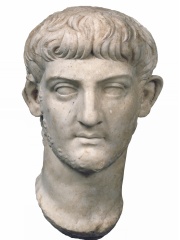
Nero Julius Caesar
POLITICIAN
6 - 31
HPI: 73.53
Posizione: 3
Marcus Velleius Paterculus
HISTORIAN
19 BC - 31
HPI: 72.46
Posizione: 4
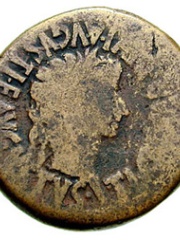
Sejanus
MILITARY PERSONNEL
20 BC - 31
HPI: 70.69
Posizione: 5
In Italia
Tra le persone nate in Italia, Marcus Velleius Paterculus occupa la posizione 700 su 5,161. Prima di lui ci sono Tibullus (-50), Virna Lisi (1936), Rodolfo Graziani (1882), Alexander of Battenberg (1857), Eros Ramazzotti (1963), e Bernardo Bellotto (1721). Dopo di lui ci sono Giovanni Battista Belzoni (1778), Giovanni Paisiello (1740), Constance, Queen of Sicily (1154), Giovanni di Bicci de' Medici (1360), Cosimo II de' Medici, Grand Duke of Tuscany (1590), e Kurt Schuschnigg (1897).
Altre persone nate in Italia
Vai a tutte le classifiche
Tibullus
WRITER
50 BC - 19 BC
HPI: 72.53
Posizione: 694
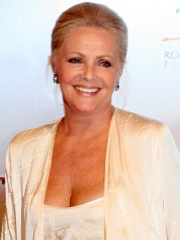
Virna Lisi
ACTOR
1936 - 2014
HPI: 72.50
Posizione: 695
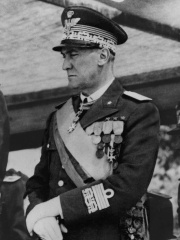
Rodolfo Graziani
POLITICIAN
1882 - 1955
HPI: 72.49
Posizione: 696
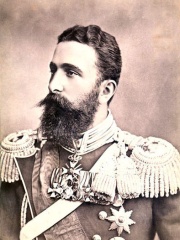
Alexander of Battenberg
POLITICIAN
1857 - 1893
HPI: 72.49
Posizione: 697

Eros Ramazzotti
SINGER
1963 - presente
HPI: 72.49
Posizione: 698
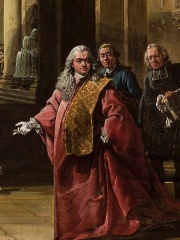
Bernardo Bellotto
PAINTER
1721 - 1780
HPI: 72.48
Posizione: 699
Marcus Velleius Paterculus
HISTORIAN
19 BC - 31
HPI: 72.46
Posizione: 700
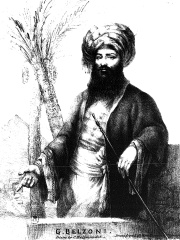
Giovanni Battista Belzoni
EXPLORER
1778 - 1823
HPI: 72.46
Posizione: 701
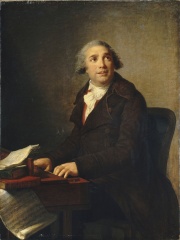
Giovanni Paisiello
COMPOSER
1740 - 1816
HPI: 72.44
Posizione: 702

Constance, Queen of Sicily
COMPANION
1154 - 1198
HPI: 72.40
Posizione: 703
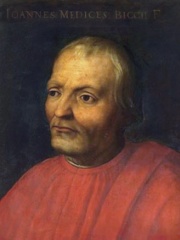
Giovanni di Bicci de' Medici
NOBLEMAN
1360 - 1429
HPI: 72.39
Posizione: 704
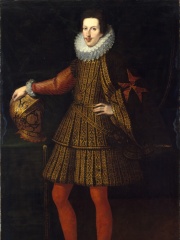
Cosimo II de' Medici, Grand Duke of Tuscany
NOBLEMAN
1590 - 1621
HPI: 72.39
Posizione: 705
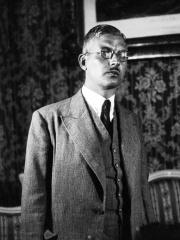
Kurt Schuschnigg
POLITICIAN
1897 - 1977
HPI: 72.37
Posizione: 706
Tra Storico in Italia
Tra Storico nati in Italia, Marcus Velleius Paterculus occupa la posizione 5. Prima di lui ci sono Livy (-59), Diodorus Siculus (-90), Suetonius (70), e Leonardo Bruni (1370). Dopo di lui ci sono Poggio Bracciolini (1380), Francesco Guicciardini (1483), Euhemerus (-330), Carlo Ginzburg (1939), Timaeus (-350), Flavio Biondo (1388), e Tyrannius Rufinus (345).
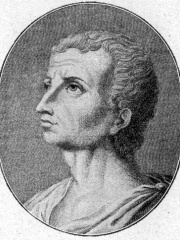
Livy
59 BC - 17
HPI: 81.96
Posizione: 1
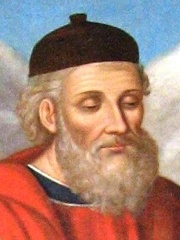
Diodorus Siculus
90 BC - 30 BC
HPI: 79.20
Posizione: 2
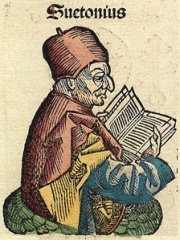
Suetonius
70 - 126
HPI: 77.79
Posizione: 3
Leonardo Bruni
1370 - 1444
HPI: 72.96
Posizione: 4
Marcus Velleius Paterculus
19 BC - 31
HPI: 72.46
Posizione: 5
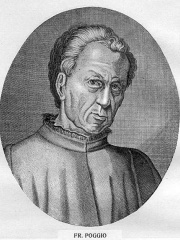
Poggio Bracciolini
1380 - 1459
HPI: 71.22
Posizione: 6
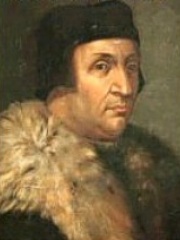
Francesco Guicciardini
1483 - 1540
HPI: 70.74
Posizione: 7

Euhemerus
330 BC - 250 BC
HPI: 70.70
Posizione: 8
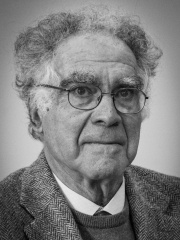
Carlo Ginzburg
1939 - 2026
HPI: 67.98
Posizione: 9
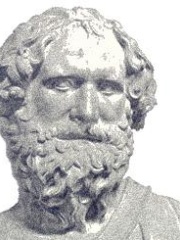
Timaeus
350 BC - 260 BC
HPI: 67.68
Posizione: 10

Flavio Biondo
1388 - 1463
HPI: 66.35
Posizione: 11
Tyrannius Rufinus
345 - 411
HPI: 66.16
Posizione: 12




