Militar
Sejanus
20 BC - 31
VISITAS EN ES.WIKIPEDIA (PV)
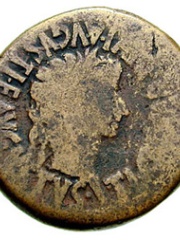
 Sejanus
Su biografía está disponible en 38 idiomas en Wikipedia (aumentó de 37 en 2024). Sejanus ocupa el puesto 271 entre los militar más populares (subió del puesto 310 en 2024), el puesto 862 entre las biografías más populares de Italia (subió del puesto 921 en 2019) y el puesto 11 entre los militar de italia más populares.
Métricas de memorabilidad
150k
Visitas
Últimos 12 meses
70.69
HPI
Índice de Popularidad Histórica
Datos destacados
38
La biografía de Sejanus abarca 38 ediciones lingüísticas de Wikipedia y obtiene un Índice de Popularidad Histórica de 70.69.
Visitas a la página de Sejanus por idioma
Entre Militar
Entre Militar, Sejanus ocupa el puesto 271 de 2,188. Antes de él están Pedro de Alvarado, Louis-Gabriel Suchet, Karl-Otto Koch, Charles V, Duke of Lorraine, Wilhelm Burgdorf, y Han Xin. Después de él están Tadamichi Kuribayashi, Lothar Rendulic, Karl Wolff, Oskar Dirlewanger, Robert Nivelle, y Otto Carius.
Militar más populares en Wikipedia
Ver todas las clasificaciones
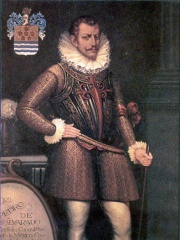
Pedro de Alvarado
1485 - 1541
HPI: 70.84
Puesto: 265
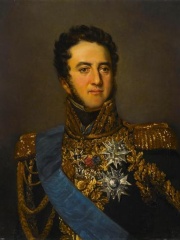
Louis-Gabriel Suchet
1770 - 1826
HPI: 70.83
Puesto: 266
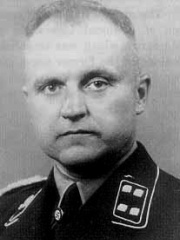
Karl-Otto Koch
1897 - 1945
HPI: 70.81
Puesto: 267
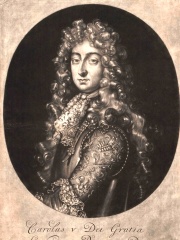
Charles V, Duke of Lorraine
1643 - 1690
HPI: 70.70
Puesto: 268
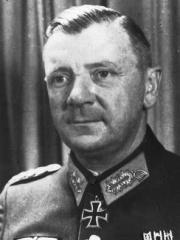
Wilhelm Burgdorf
1895 - 1945
HPI: 70.70
Puesto: 269
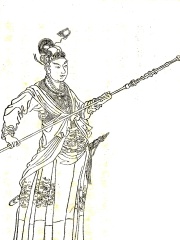
Han Xin
231 BC - 196 BC
HPI: 70.69
Puesto: 270
Sejanus
20 BC - 31
HPI: 70.69
Puesto: 271
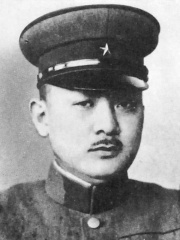
Tadamichi Kuribayashi
1891 - 1945
HPI: 70.67
Puesto: 272

Lothar Rendulic
1887 - 1971
HPI: 70.67
Puesto: 273
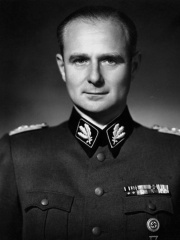
Karl Wolff
1900 - 1984
HPI: 70.65
Puesto: 274
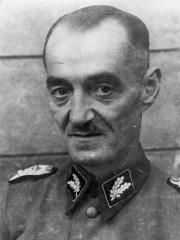
Oskar Dirlewanger
1895 - 1945
HPI: 70.64
Puesto: 275
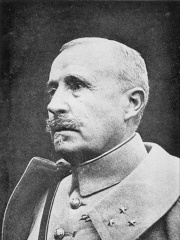
Robert Nivelle
1856 - 1924
HPI: 70.61
Puesto: 276
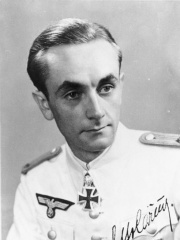
Otto Carius
1922 - 2015
HPI: 70.60
Puesto: 277

Contemporáneos
Entre las personas nacidas en 20 BC, Sejanus ocupa el puesto 6. Antes de él están John the Baptist, James, brother of Jesus, Herod Antipas, Phaedrus, y Gaius Caesar. Entre las personas fallecidas en 31, Sejanus ocupa el puesto 5. Antes de él están John the Baptist, Livilla, Nero Julius Caesar, y Marcus Velleius Paterculus.
Otras personas nacidas en 20 BC
Ver todas las clasificaciones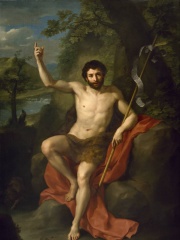
John the Baptist
RELIGIOUS FIGURE
20 BC - 31
HPI: 89.07
Puesto: 1
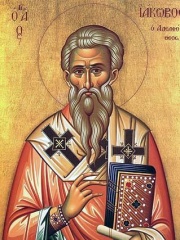
James, brother of Jesus
RELIGIOUS FIGURE
20 BC - 69
HPI: 84.07
Puesto: 2
Herod Antipas
POLITICIAN
20 BC - 39
HPI: 78.77
Puesto: 3
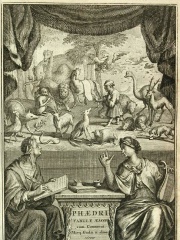
Phaedrus
WRITER
20 BC - 50
HPI: 72.90
Puesto: 4
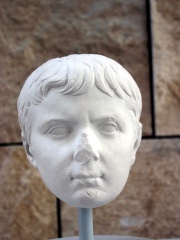
Gaius Caesar
NOBLEMAN
20 BC - 4
HPI: 71.84
Puesto: 5
Sejanus
MILITARY PERSONNEL
20 BC - 31
HPI: 70.69
Puesto: 6
Otras personas fallecidas en 31
Ver todas las clasificacionesJohn the Baptist
RELIGIOUS FIGURE
20 BC - 31
HPI: 89.07
Puesto: 1
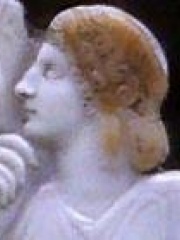
Livilla
POLITICIAN
13 BC - 31
HPI: 74.26
Puesto: 2
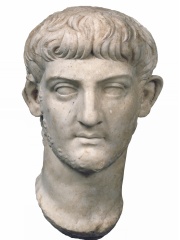
Nero Julius Caesar
POLITICIAN
6 - 31
HPI: 73.53
Puesto: 3
Marcus Velleius Paterculus
HISTORIAN
19 BC - 31
HPI: 72.46
Puesto: 4
Sejanus
MILITARY PERSONNEL
20 BC - 31
HPI: 70.69
Puesto: 5
En Italia
Entre las personas nacidas en Italia, Sejanus ocupa el puesto 862 de 5,905. Antes de él están Vittoria Colonna (1490), Isabella d'Este (1474), Francesco Guicciardini (1483), Euhemerus (-330), Stefania Sandrelli (1946), y Milo of Croton (-557). Después de él están Fabio Cannavaro (1973), Giuseppe Torelli (1658), Ercole II d'Este, Duke of Ferrara (1508), Roberto Mancini (1964), Andrew III of Hungary (1265), y Antonio Tabucchi (1943).
Otras personas nacidas en Italia
Ver todas las clasificaciones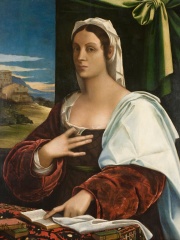
Vittoria Colonna
WRITER
1490 - 1547
HPI: 70.76
Puesto: 856
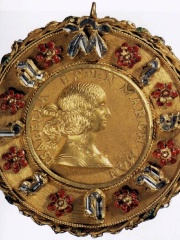
Isabella d'Este
NOBLEMAN
1474 - 1539
HPI: 70.75
Puesto: 857
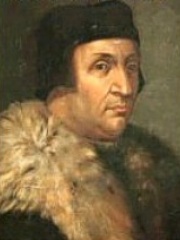
Francesco Guicciardini
HISTORIAN
1483 - 1540
HPI: 70.74
Puesto: 858

Euhemerus
HISTORIAN
330 BC - 250 BC
HPI: 70.70
Puesto: 859

Stefania Sandrelli
ACTOR
1946 - presente
HPI: 70.70
Puesto: 860
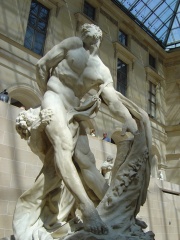
Milo of Croton
POLITICIAN
557 BC - 550 BC
HPI: 70.69
Puesto: 861
Sejanus
MILITARY PERSONNEL
20 BC - 31
HPI: 70.69
Puesto: 862

Fabio Cannavaro
SOCCER PLAYER
1973 - presente
HPI: 70.68
Puesto: 863
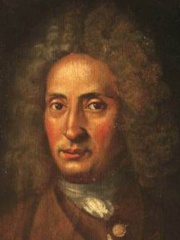
Giuseppe Torelli
COMPOSER
1658 - 1709
HPI: 70.68
Puesto: 864
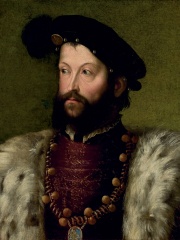
Ercole II d'Este, Duke of Ferrara
POLITICIAN
1508 - 1559
HPI: 70.68
Puesto: 865

Roberto Mancini
SOCCER PLAYER
1964 - presente
HPI: 70.67
Puesto: 866
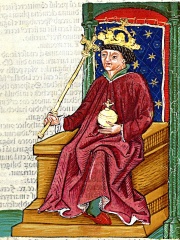
Andrew III of Hungary
POLITICIAN
1265 - 1301
HPI: 70.66
Puesto: 867
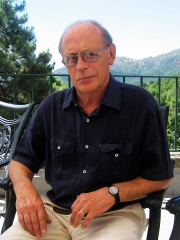
Antonio Tabucchi
WRITER
1943 - 2012
HPI: 70.66
Puesto: 868
Entre Militar en Italia
Entre Militar nacidos en Italia, Sejanus ocupa el puesto 11. Antes de él están Gaius Julius Caesar (-135), Bohemond I of Antioch (1054), Matilda of Tuscany (1046), Giovanni Giustiniani (1418), Lucius Aemilius Paullus Macedonicus (-229), y Federico da Montefeltro (1422). Después de él están Raimondo Montecuccoli (1609), Italo Gariboldi (1879), Titus Labienus (-100), Roger de Flor (1267), Italo Balbo (1896), y Luigi Cadorna (1850).
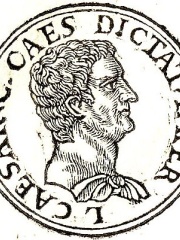
Gaius Julius Caesar
135 BC - 85 BC
HPI: 74.35
Puesto: 5
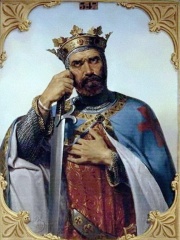
Bohemond I of Antioch
1054 - 1111
HPI: 73.89
Puesto: 6
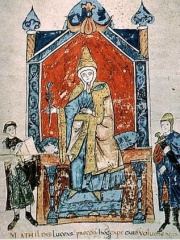
Matilda of Tuscany
1046 - 1115
HPI: 73.40
Puesto: 7
Giovanni Giustiniani
1418 - 1453
HPI: 72.70
Puesto: 8
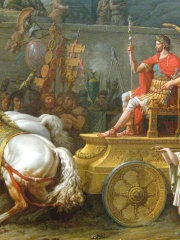
Lucius Aemilius Paullus Macedonicus
229 BC - 160 BC
HPI: 71.51
Puesto: 9
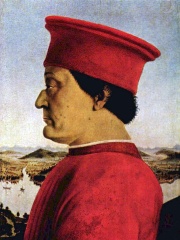
Federico da Montefeltro
1422 - 1482
HPI: 70.86
Puesto: 10
Sejanus
20 BC - 31
HPI: 70.69
Puesto: 11
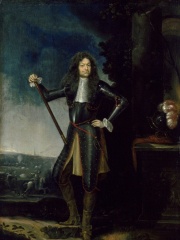
Raimondo Montecuccoli
1609 - 1680
HPI: 70.27
Puesto: 12
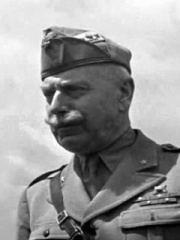
Italo Gariboldi
1879 - 1970
HPI: 70.21
Puesto: 13

Titus Labienus
100 BC - 45 BC
HPI: 70.16
Puesto: 14
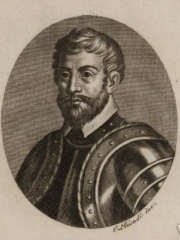
Roger de Flor
1267 - 1305
HPI: 69.59
Puesto: 15
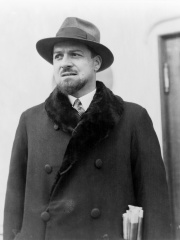
Italo Balbo
1896 - 1940
HPI: 69.23
Puesto: 16
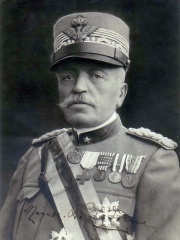
Luigi Cadorna
1850 - 1928
HPI: 69.09
Puesto: 17




