Politico
Huang Xianfan
1899 - 1982
IT.WIKIPEDIA PAGE VIEWS (PV)
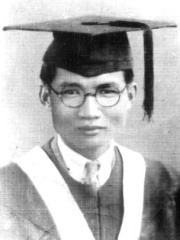
 Huang Xianfan
La sua biografia è disponibile in 170 lingue su Wikipedia (in aumento rispetto a 166 nel 2024). Huang Xianfan è il 31° politico più popolare (in calo dal 28° nel 2024), la 5ª biografia più popolare della Cina (in calo dal 3ª nel 2019) e il 3° politico più popolare della Cina.
Memorability Metrics
42k
Page Views
Past 12 months
89.40
HPI
Historical Popularity Index
Page views of Huang Xianfan by language
Among Politicos
Among politicos, Huang Xianfan ranks 31 out of 19,576. Before him are Charlemagne, George V, James VI and I, Commodus, Edward VI of England, and Mehmed the Conqueror. After him are William McKinley, Umar, Edward VIII, Ulysses S. Grant, Kim Il-sung, and Constantine the Great.
Most Popular Politicos in Wikipedia
Go to all Rankings
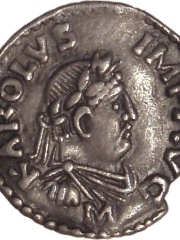
Charlemagne
748 - 814
HPI: 89.85
Rank: 25
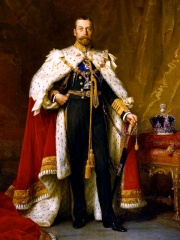
George V
1865 - 1936
HPI: 89.85
Rank: 26
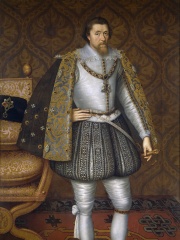
James VI and I
1566 - 1625
HPI: 89.83
Rank: 27
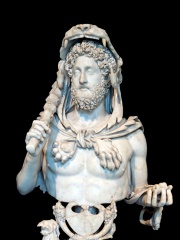
Commodus
161 - 192
HPI: 89.79
Rank: 28
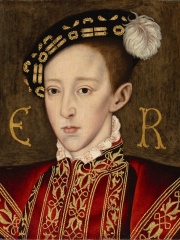
Edward VI of England
1537 - 1553
HPI: 89.67
Rank: 29
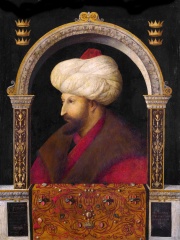
Mehmed the Conqueror
1432 - 1481
HPI: 89.49
Rank: 30
Huang Xianfan
1899 - 1982
HPI: 89.40
Rank: 31
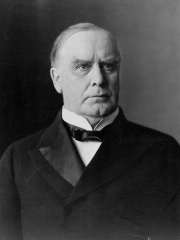
William McKinley
1843 - 1901
HPI: 89.29
Rank: 32
Umar
585 - 644
HPI: 89.27
Rank: 33

Edward VIII
1894 - 1972
HPI: 89.23
Rank: 34
Ulysses S. Grant
1822 - 1885
HPI: 89.19
Rank: 35
Kim Il-sung
1912 - 1994
HPI: 89.10
Rank: 36
Constantine the Great
272 - 337
HPI: 89.00
Rank: 37

Contemporaries
Among people born in 1899, Huang Xianfan ranks 1. After him are Ernest Hemingway, Jorge Luis Borges, Alfred Hitchcock, Frederik IX, Al Capone, Lavrentiy Beria, Vladimir Nabokov, Yasunari Kawabata, Friedrich Hayek, Grand Duchess Maria Nikolaevna of Russia, and Humphrey Bogart. Among people deceased in 1982, Huang Xianfan ranks 1. After him are Grace Kelly, Leonid Brezhnev, Ayn Rand, Romy Schneider, Ingrid Bergman, Philip Noel-Baker, Henry Fonda, Carl Orff, Anna Freud, Roman Jakobson, and Arthur Rubinstein.
Others Born in 1899
Go to all RankingsHuang Xianfan
POLITICIAN
1899 - 1982
HPI: 89.40
Rank: 1
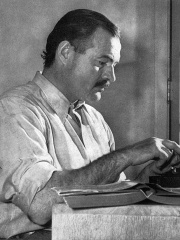
Ernest Hemingway
WRITER
1899 - 1961
HPI: 84.99
Rank: 2
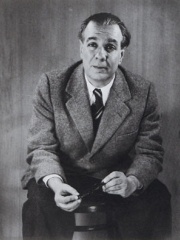
Jorge Luis Borges
WRITER
1899 - 1986
HPI: 83.40
Rank: 3
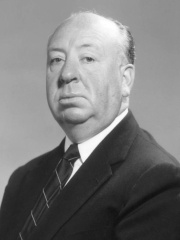
Alfred Hitchcock
FILM DIRECTOR
1899 - 1980
HPI: 82.16
Rank: 4
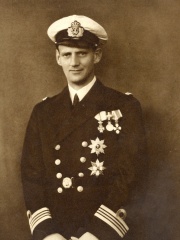
Frederik IX
POLITICIAN
1899 - 1972
HPI: 81.91
Rank: 5
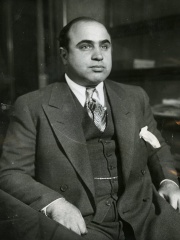
Al Capone
MAFIOSO
1899 - 1947
HPI: 81.56
Rank: 6
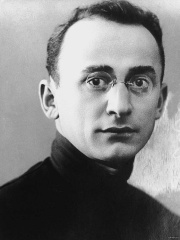
Lavrentiy Beria
POLITICIAN
1899 - 1953
HPI: 80.99
Rank: 7
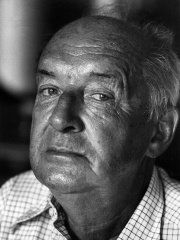
Vladimir Nabokov
WRITER
1899 - 1977
HPI: 79.76
Rank: 8
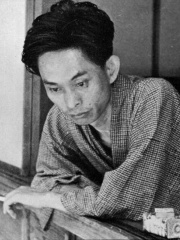
Yasunari Kawabata
WRITER
1899 - 1972
HPI: 79.61
Rank: 9
Friedrich Hayek
ECONOMIST
1899 - 1992
HPI: 78.84
Rank: 10
Grand Duchess Maria Nikolaevna of Russia
RELIGIOUS FIGURE
1899 - 1918
HPI: 77.97
Rank: 11
Humphrey Bogart
ACTOR
1899 - 1957
HPI: 77.38
Rank: 12
Others Deceased in 1982
Go to all RankingsHuang Xianfan
POLITICIAN
1899 - 1982
HPI: 89.40
Rank: 1

Grace Kelly
ACTOR
1929 - 1982
HPI: 86.59
Rank: 2
Leonid Brezhnev
POLITICIAN
1906 - 1982
HPI: 85.38
Rank: 3
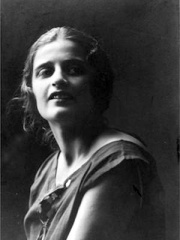
Ayn Rand
WRITER
1905 - 1982
HPI: 83.74
Rank: 4
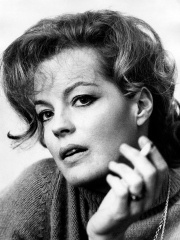
Romy Schneider
ACTOR
1938 - 1982
HPI: 80.88
Rank: 5
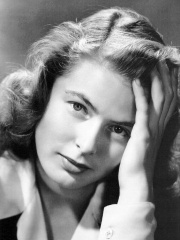
Ingrid Bergman
ACTOR
1915 - 1982
HPI: 79.42
Rank: 6
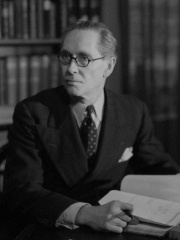
Philip Noel-Baker
POLITICIAN
1889 - 1982
HPI: 78.25
Rank: 7

Henry Fonda
ACTOR
1905 - 1982
HPI: 77.97
Rank: 8
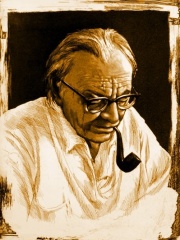
Carl Orff
COMPOSER
1895 - 1982
HPI: 77.97
Rank: 9
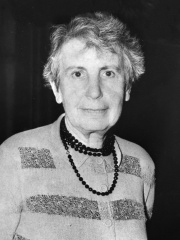
Anna Freud
PSYCHOLOGIST
1895 - 1982
HPI: 76.60
Rank: 10
Roman Jakobson
LINGUIST
1896 - 1982
HPI: 76.47
Rank: 11
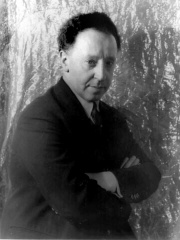
Arthur Rubinstein
MUSICIAN
1887 - 1982
HPI: 76.08
Rank: 12
In Cina
Among people born in Cina, Huang Xianfan ranks 5 out of NaN. Before him are Confucius (-551), Laozi (-604), Kublai Khan (1215), and Qin Shi Huang (-258). After him are Mao Zedong (1893), Chiang Kai-shek (1887), Zheng He (1387), Li Bai (701), Sun Tzu (-544), Sima Qian (-145), and Puyi (1906).
Others born in Cina
Go to all Rankings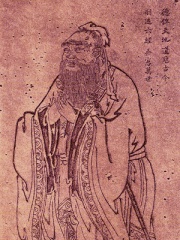
Confucius
PHILOSOPHER
551 BC - 479 BC
HPI: 93.57
Rank: 1
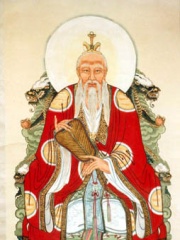
Laozi
PHILOSOPHER
604 BC - 600 BC
HPI: 91.85
Rank: 2
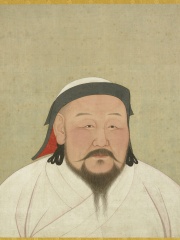
Kublai Khan
POLITICIAN
1215 - 1294
HPI: 91.15
Rank: 3
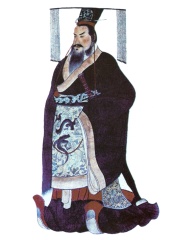
Qin Shi Huang
POLITICIAN
258 BC - 210 BC
HPI: 90.99
Rank: 4
Huang Xianfan
POLITICIAN
1899 - 1982
HPI: 89.40
Rank: 5
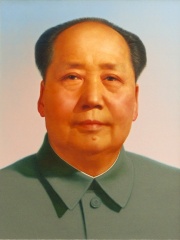
Mao Zedong
POLITICIAN
1893 - 1976
HPI: 88.70
Rank: 6
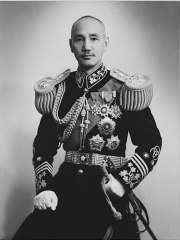
Chiang Kai-shek
MILITARY PERSONNEL
1887 - 1975
HPI: 86.25
Rank: 7
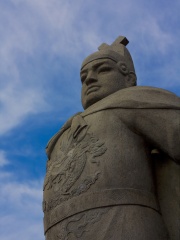
Zheng He
EXPLORER
1387 - 1433
HPI: 84.21
Rank: 8
Li Bai
WRITER
701 - 762
HPI: 84.11
Rank: 9
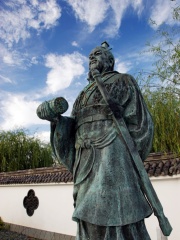
Sun Tzu
PHILOSOPHER
544 BC - 496 BC
HPI: 83.60
Rank: 10
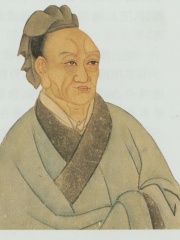
Sima Qian
HISTORIAN
145 BC - 86 BC
HPI: 83.52
Rank: 11
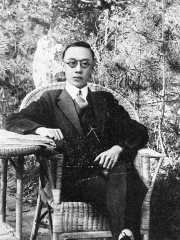
Puyi
POLITICIAN
1906 - 1967
HPI: 83.41
Rank: 12
Among Politicos In Cina
Among politicos born in Cina, Huang Xianfan ranks 3. Before him are Kublai Khan (1215), and Qin Shi Huang (-258). After him are Mao Zedong (1893), Puyi (1906), Xi Jinping (1953), Sun Yat-sen (1866), Deng Xiaoping (1904), Wu Zetian (624), Hu Jintao (1942), Empress Dowager Cixi (1835), and Temür Khan (1265).
Kublai Khan
1215 - 1294
HPI: 91.15
Rank: 1
Qin Shi Huang
258 BC - 210 BC
HPI: 90.99
Rank: 2
Huang Xianfan
1899 - 1982
HPI: 89.40
Rank: 3
Mao Zedong
1893 - 1976
HPI: 88.70
Rank: 4
Puyi
1906 - 1967
HPI: 83.41
Rank: 5
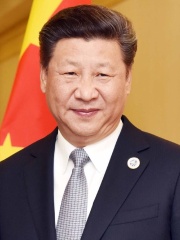
Xi Jinping
1953 - Present
HPI: 82.81
Rank: 6
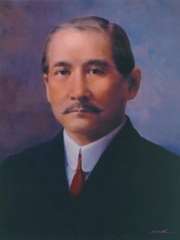
Sun Yat-sen
1866 - 1925
HPI: 82.77
Rank: 7
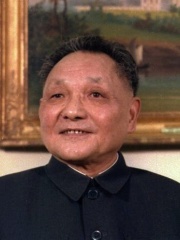
Deng Xiaoping
1904 - 1997
HPI: 82.61
Rank: 8
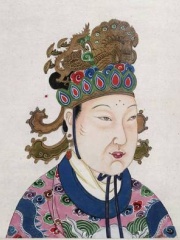
Wu Zetian
624 - 705
HPI: 81.68
Rank: 9
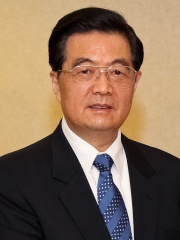
Hu Jintao
1942 - Present
HPI: 81.29
Rank: 10
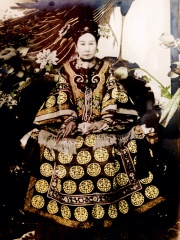
Empress Dowager Cixi
1835 - 1908
HPI: 80.65
Rank: 11
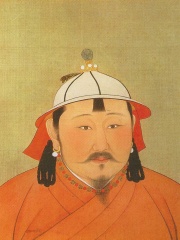
Temür Khan
1265 - 1307
HPI: 79.82
Rank: 12




