Polityk
Puyi
1906 - 1967
WYŚWIETLENIA PL.WIKIPEDIA (PV)
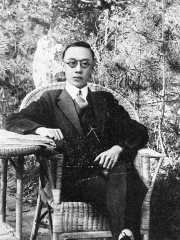
 Puyi
Puyi
Jego biografia jest dostępna w 77 różnych językach w Wikipedii (wzrost z 75 w 2024 roku). Puyi jest 188. najpopularniejszym polityk (wzrost z 440. w 2024 roku), 12. najpopularniejszą biografią Chiny (wzrost z 33. w 2019 roku) oraz 5. najpopularniejszym polityk Chiny.
Wskaźniki rozpoznawalności
2.7M
Wyświetlenia strony
Ostatnie 12 miesięcy
83.41
HPI
Indeks historycznej popularności
Ciekawostki z danych
#1
Puyi to najbardziej znana z 4 wybitnych postaci urodzonych w mieście Prince Chun Mansion (Chiny), wyprzedzając takie postacie jak Guangxu Emperor, Pujie i Zaifeng, Prince Chun.
77
Biografia postaci Puyi występuje w 77 wersjach językowych Wikipedii — w większej liczbie niż u 97% wszystkich Polityk.
7 lut
Puyi obchodzi urodziny tego samego dnia (7 lutego) co Charles Dickens, Empress Matilda i Thomas More.
16×
Strona postaci Puyi w Wikipedii zanotowała 2.7M wyświetleń w ciągu ostatniego roku — 16 razy więcej niż średnia wśród Polityk.
Wyświetlenia strony Puyi według języka
Wśród przedstawicieli zawodu Polityk
Wśród przedstawicieli zawodu „Polityk” Puyi zajmuje 188. miejsce na 19,576. Przed nim są Bayezid I, Harry S. Truman, Recep Tayyip Erdoğan, Christina, Queen of Sweden, Murad I, i Christian IX of Denmark. Po nim są Simón Bolívar, Philip IV of France, Pepin the Short, Salman of Saudi Arabia, Napoleon II, i Lee Kuan Yew.
Najpopularniejsi w Wikipedii: Polityk
Zobacz wszystkie rankingi
Bayezid I
1354 - 1403
HPI: 83.62
Miejsce: 182
Harry S. Truman
1884 - 1972
HPI: 83.61
Miejsce: 183
Recep Tayyip Erdoğan
1954 - obecnie
HPI: 83.60
Miejsce: 184
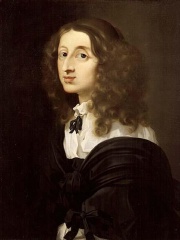
Christina, Queen of Sweden
1626 - 1689
HPI: 83.60
Miejsce: 185
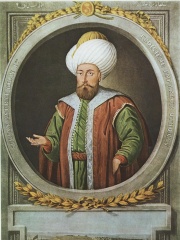
Murad I
1326 - 1389
HPI: 83.53
Miejsce: 186
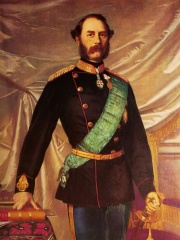
Christian IX of Denmark
1818 - 1906
HPI: 83.50
Miejsce: 187
Puyi
1906 - 1967
HPI: 83.41
Miejsce: 188
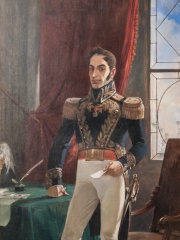
Simón Bolívar
1783 - 1830
HPI: 83.41
Miejsce: 189
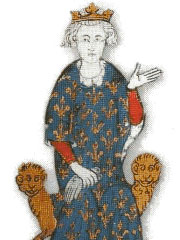
Philip IV of France
1268 - 1314
HPI: 83.39
Miejsce: 190
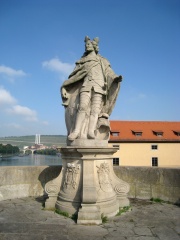
Pepin the Short
715 - 768
HPI: 83.38
Miejsce: 191
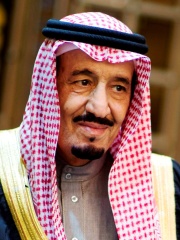
Salman of Saudi Arabia
1935 - obecnie
HPI: 83.36
Miejsce: 192
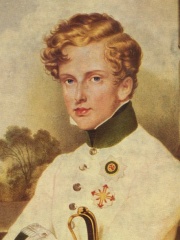
Napoleon II
1811 - 1832
HPI: 83.31
Miejsce: 193
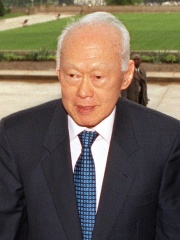
Lee Kuan Yew
1923 - 2015
HPI: 83.27
Miejsce: 194

Współcześni
Wśród osób urodzonych w 1906 roku Puyi zajmuje 2. miejsce. Przed nim jest Leonid Brezhnev. Po nim są Adolf Eichmann, Maria Goeppert Mayer, Hannah Arendt, Dmitri Shostakovich, Grace Hopper, Kurt Gödel, Samuel Beckett, Aristotle Onassis, Ernst Chain, i Faisal of Saudi Arabia. Wśród osób zmarłych w 1967 roku Puyi zajmuje 3. miejsce. Przed nim są Che Guevara, i J. Robert Oppenheimer. Po nim są Konrad Adenauer, René Magritte, Vivien Leigh, John Nance Garner, Albert Lutuli, Cyril Norman Hinshelwood, Ed White, Spencer Tracy, i Mohammad Mosaddegh.
Inne osoby urodzone w 1906 roku
Zobacz wszystkie rankingi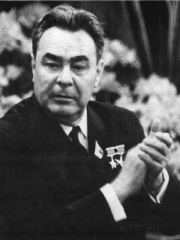
Leonid Brezhnev
POLITICIAN
1906 - 1982
HPI: 85.38
Miejsce: 1
Puyi
POLITICIAN
1906 - 1967
HPI: 83.41
Miejsce: 2
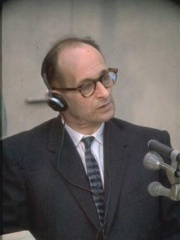
Adolf Eichmann
MILITARY PERSONNEL
1906 - 1962
HPI: 83.12
Miejsce: 3
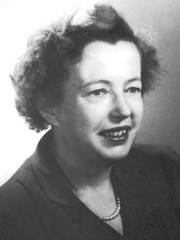
Maria Goeppert Mayer
PHYSICIST
1906 - 1972
HPI: 82.73
Miejsce: 4
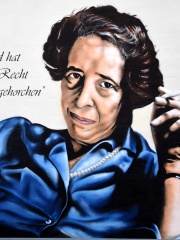
Hannah Arendt
PHILOSOPHER
1906 - 1975
HPI: 82.29
Miejsce: 5
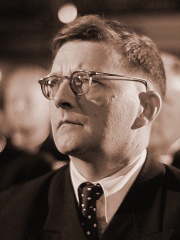
Dmitri Shostakovich
COMPOSER
1906 - 1975
HPI: 82.02
Miejsce: 6
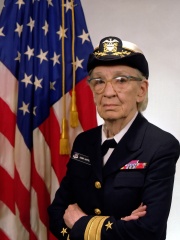
Grace Hopper
COMPUTER SCIENTIST
1906 - 1992
HPI: 80.29
Miejsce: 7
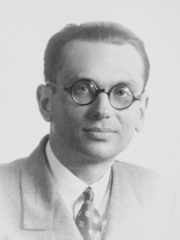
Kurt Gödel
MATHEMATICIAN
1906 - 1978
HPI: 79.53
Miejsce: 8
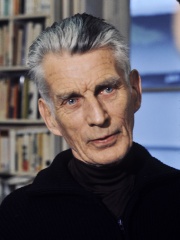
Samuel Beckett
WRITER
1906 - 1989
HPI: 79.46
Miejsce: 9
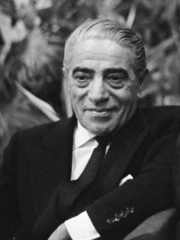
Aristotle Onassis
BUSINESSPERSON
1906 - 1975
HPI: 79.38
Miejsce: 10
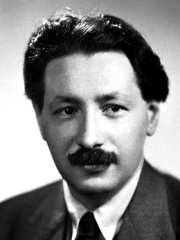
Ernst Chain
CHEMIST
1906 - 1979
HPI: 78.79
Miejsce: 11
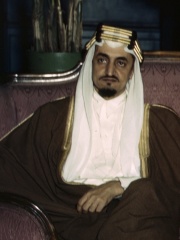
Faisal of Saudi Arabia
POLITICIAN
1906 - 1975
HPI: 78.51
Miejsce: 12
Inne osoby zmarłe w 1967 roku
Zobacz wszystkie rankingi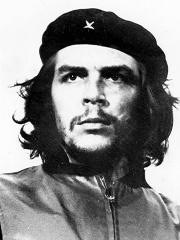
Che Guevara
SOCIAL ACTIVIST
1928 - 1967
HPI: 93.09
Miejsce: 1
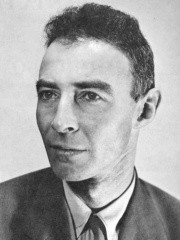
J. Robert Oppenheimer
PHYSICIST
1904 - 1967
HPI: 90.85
Miejsce: 2
Puyi
POLITICIAN
1906 - 1967
HPI: 83.41
Miejsce: 3
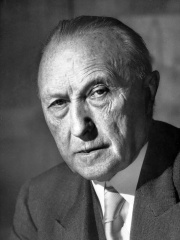
Konrad Adenauer
POLITICIAN
1876 - 1967
HPI: 81.91
Miejsce: 4
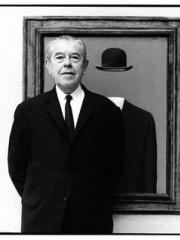
René Magritte
PAINTER
1898 - 1967
HPI: 80.07
Miejsce: 5
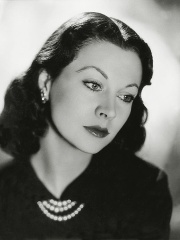
Vivien Leigh
ACTOR
1913 - 1967
HPI: 78.87
Miejsce: 6
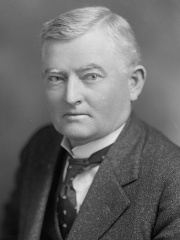
John Nance Garner
POLITICIAN
1868 - 1967
HPI: 78.15
Miejsce: 7
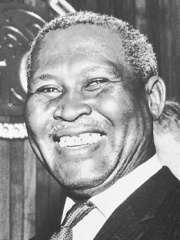
Albert Lutuli
POLITICIAN
1898 - 1967
HPI: 77.77
Miejsce: 8
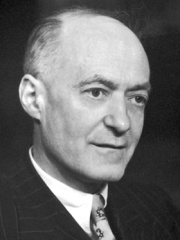
Cyril Norman Hinshelwood
CHEMIST
1897 - 1967
HPI: 76.52
Miejsce: 9
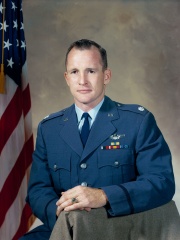
Ed White
ASTRONAUT
1930 - 1967
HPI: 75.22
Miejsce: 10
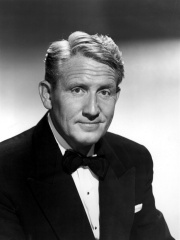
Spencer Tracy
ACTOR
1900 - 1967
HPI: 75.18
Miejsce: 11
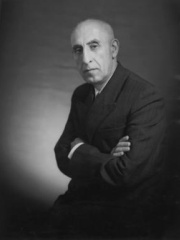
Mohammad Mosaddegh
POLITICIAN
1882 - 1967
HPI: 74.80
Miejsce: 12
W kraju Chiny
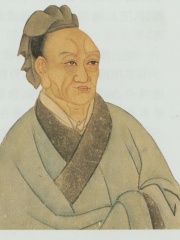
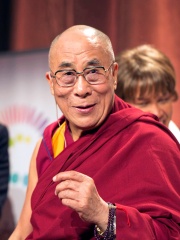
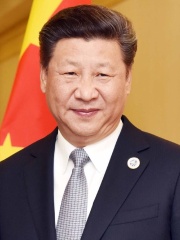
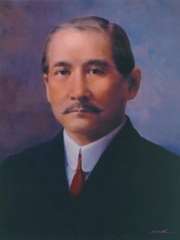
Wśród osób urodzonych w kraju Chiny Puyi zajmuje 12. miejsce na 1,610. Przed nim są Mao Zedong (1893), Chiang Kai-shek (1887), Zheng He (1387), Li Bai (701), Sun Tzu (-544), i Sima Qian (-145). Po nim są 14th Dalai Lama (1935), Xi Jinping (1953), Sun Yat-sen (1866), Deng Xiaoping (1904), Du Fu (712), i Ip Man (1893).
Inne osoby urodzone w kraju Chiny
Zobacz wszystkie rankingi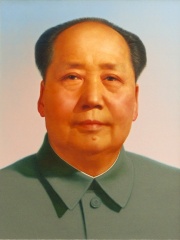
Mao Zedong
POLITICIAN
1893 - 1976
HPI: 88.70
Miejsce: 6
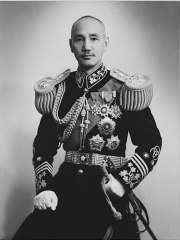
Chiang Kai-shek
MILITARY PERSONNEL
1887 - 1975
HPI: 86.25
Miejsce: 7
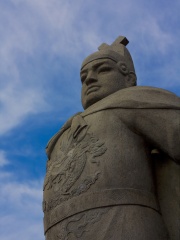
Zheng He
EXPLORER
1387 - 1433
HPI: 84.21
Miejsce: 8
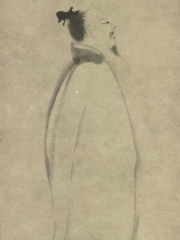
Li Bai
WRITER
701 - 762
HPI: 84.11
Miejsce: 9
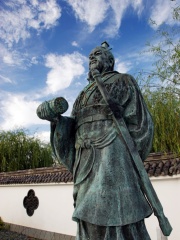
Sun Tzu
PHILOSOPHER
544 BC - 496 BC
HPI: 83.60
Miejsce: 10
Sima Qian
HISTORIAN
145 BC - 86 BC
HPI: 83.52
Miejsce: 11
Puyi
POLITICIAN
1906 - 1967
HPI: 83.41
Miejsce: 12
14th Dalai Lama
RELIGIOUS FIGURE
1935 - obecnie
HPI: 83.17
Miejsce: 13
Xi Jinping
POLITICIAN
1953 - obecnie
HPI: 82.81
Miejsce: 14
Sun Yat-sen
POLITICIAN
1866 - 1925
HPI: 82.77
Miejsce: 15
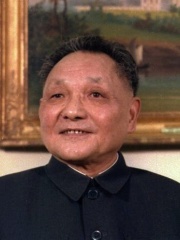
Deng Xiaoping
POLITICIAN
1904 - 1997
HPI: 82.61
Miejsce: 16
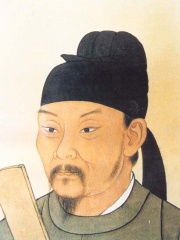
Du Fu
WRITER
712 - 770
HPI: 82.41
Miejsce: 17
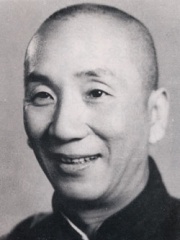
Ip Man
MARTIAL ARTS
1893 - 1972
HPI: 82.04
Miejsce: 18
Wśród przedstawicieli zawodu Polityk w kraju Chiny
Wśród przedstawicieli zawodu „Polityk” urodzonych w kraju Chiny Puyi zajmuje 5. miejsce. Przed nim są Kublai Khan (1215), Qin Shi Huang (-258), Huang Xianfan (1899), i Mao Zedong (1893). Po nim są Xi Jinping (1953), Sun Yat-sen (1866), Deng Xiaoping (1904), Wu Zetian (624), Hu Jintao (1942), Empress Dowager Cixi (1835), i Temür Khan (1265).
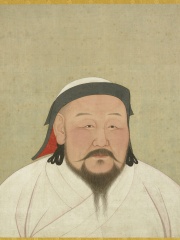
Kublai Khan
1215 - 1294
HPI: 91.15
Miejsce: 1
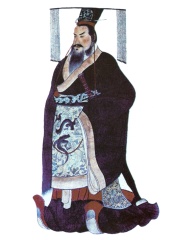
Qin Shi Huang
258 BC - 210 BC
HPI: 90.99
Miejsce: 2
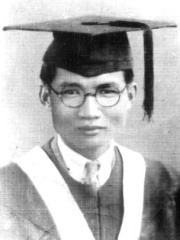
Huang Xianfan
1899 - 1982
HPI: 89.40
Miejsce: 3
Mao Zedong
1893 - 1976
HPI: 88.70
Miejsce: 4
Puyi
1906 - 1967
HPI: 83.41
Miejsce: 5
Xi Jinping
1953 - obecnie
HPI: 82.81
Miejsce: 6
Sun Yat-sen
1866 - 1925
HPI: 82.77
Miejsce: 7
Deng Xiaoping
1904 - 1997
HPI: 82.61
Miejsce: 8
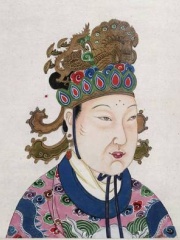
Wu Zetian
624 - 705
HPI: 81.68
Miejsce: 9
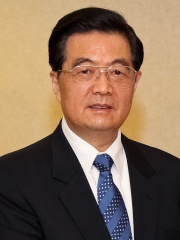
Hu Jintao
1942 - obecnie
HPI: 81.29
Miejsce: 10
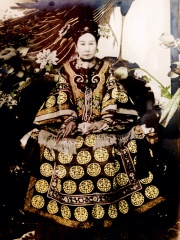
Empress Dowager Cixi
1835 - 1908
HPI: 80.65
Miejsce: 11
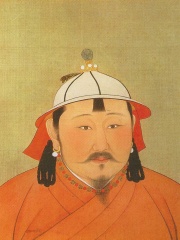
Temür Khan
1265 - 1307
HPI: 79.82
Miejsce: 12




