Filosoof
Alcmaeon of Croton
510 BC - 450 BC
NL.WIKIPEDIA PAGE VIEWS (PV)
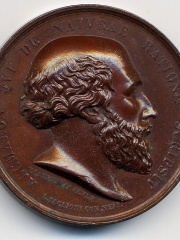
 Alcmaeon of Croton
Zijn biografie is beschikbaar in 46 verschillende talen op Wikipedia. Alcmaeon of Croton staat op plaats 207 onder de meest populaire filosoof (gestegen van plaats 274 in 2024), plaats 579 onder de meest populaire biografieën uit Italië (gestegen van plaats 737 in 2019) en op plaats 17 onder de populairste filosoof uit Italië.
Memorability Metrics
37k
Page Views
Past 12 months
73.88
HPI
Historical Popularity Index
Page views of Alcmaeon of Croton by language
Among Filosoofs
Among filosoofs, Alcmaeon of Croton ranks 207 out of 1,267. Before him are Karl Kautsky, Étienne Bonnot de Condillac, Diogenes of Apollonia, Jean-François Lyotard, Rudolf Carnap, and Hasan al-Basri. After him are Moses Mendelssohn, Pierre Teilhard de Chardin, Georgi Plekhanov, Vasishtha, Julia Kristeva, and Miguel de Unamuno.
Most Popular Filosoofs in Wikipedia
Go to all Rankings
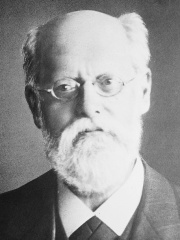
Karl Kautsky
1854 - 1938
HPI: 74.17
Rank: 201
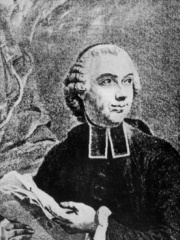
Étienne Bonnot de Condillac
1714 - 1780
HPI: 74.16
Rank: 202

Diogenes of Apollonia
460 BC - 500 BC
HPI: 74.11
Rank: 203
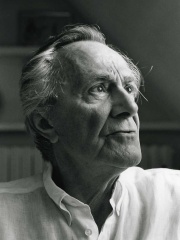
Jean-François Lyotard
1924 - 1998
HPI: 74.11
Rank: 204
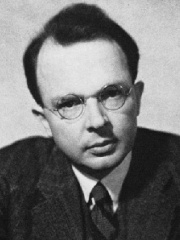
Rudolf Carnap
1891 - 1970
HPI: 74.06
Rank: 205

Hasan al-Basri
642 - 728
HPI: 73.89
Rank: 206
Alcmaeon of Croton
510 BC - 450 BC
HPI: 73.88
Rank: 207
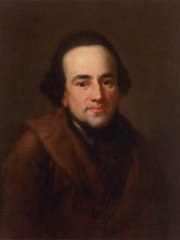
Moses Mendelssohn
1729 - 1786
HPI: 73.85
Rank: 208
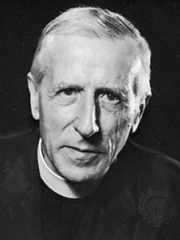
Pierre Teilhard de Chardin
1881 - 1955
HPI: 73.85
Rank: 209
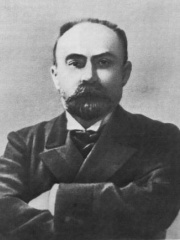
Georgi Plekhanov
1856 - 1918
HPI: 73.78
Rank: 210
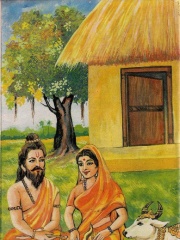
Vasishtha
2000 BC - 2000 BC
HPI: 73.76
Rank: 211

Julia Kristeva
1941 - Present
HPI: 73.68
Rank: 212
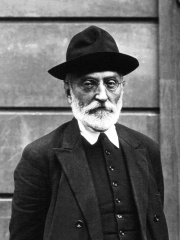
Miguel de Unamuno
1864 - 1936
HPI: 73.57
Rank: 213

Contemporaries
Among people born in 510 BC, Alcmaeon of Croton ranks 2. Before him is Cimon. Among people deceased in 450 BC, Alcmaeon of Croton ranks 2. Before him is Cimon. After him are Diagoras of Melos, Antiochus of Syracuse, and Pherecrates.
Others Born in 510 BC
Go to all Rankings
Cimon
MILITARY PERSONNEL
510 BC - 450 BC
HPI: 74.15
Rank: 1
Alcmaeon of Croton
PHILOSOPHER
510 BC - 450 BC
HPI: 73.88
Rank: 2
Others Deceased in 450 BC
Go to all RankingsCimon
MILITARY PERSONNEL
510 BC - 450 BC
HPI: 74.15
Rank: 1
Alcmaeon of Croton
PHILOSOPHER
510 BC - 450 BC
HPI: 73.88
Rank: 2

Diagoras of Melos
WRITER
450 BC - 450 BC
HPI: 64.82
Rank: 3

Antiochus of Syracuse
HISTORIAN
450 BC - 450 BC
HPI: 62.68
Rank: 4

Pherecrates
WRITER
450 BC - 450 BC
HPI: 55.90
Rank: 5
In Italië
Among people born in Italië, Alcmaeon of Croton ranks 579 out of NaN. Before him are Livius Andronicus (-280), Publius Cornelius Scipio (-260), Filippino Lippi (1457), Lucius Aelius (101), Louis II of Italy (825), and Bohemond I of Antioch (1054). After him are Galeazzo Ciano (1903), Paolo Maldini (1968), Gentile Bellini (1429), Silvana Mangano (1930), Piero the Unfortunate (1472), and Marcus Claudius Marcellus (-42).
Others born in Italië
Go to all Rankings
Livius Andronicus
WRITER
280 BC - 200 BC
HPI: 73.96
Rank: 573
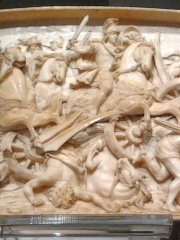
Publius Cornelius Scipio
POLITICIAN
260 BC - 211 BC
HPI: 73.95
Rank: 574
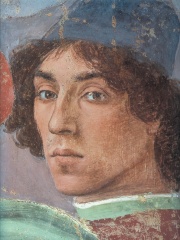
Filippino Lippi
PAINTER
1457 - 1504
HPI: 73.93
Rank: 575
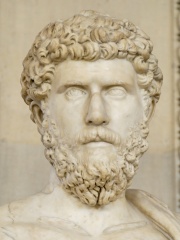
Lucius Aelius
POLITICIAN
101 - 138
HPI: 73.93
Rank: 576
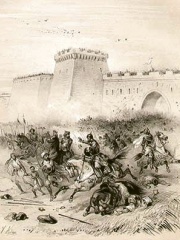
Louis II of Italy
POLITICIAN
825 - 875
HPI: 73.92
Rank: 577
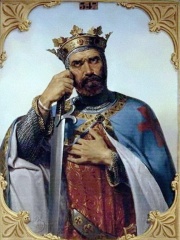
Bohemond I of Antioch
MILITARY PERSONNEL
1054 - 1111
HPI: 73.89
Rank: 578
Alcmaeon of Croton
PHILOSOPHER
510 BC - 450 BC
HPI: 73.88
Rank: 579
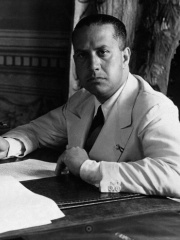
Galeazzo Ciano
POLITICIAN
1903 - 1944
HPI: 73.87
Rank: 580

Paolo Maldini
SOCCER PLAYER
1968 - Present
HPI: 73.87
Rank: 581
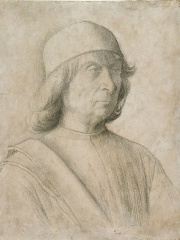
Gentile Bellini
PAINTER
1429 - 1507
HPI: 73.83
Rank: 582
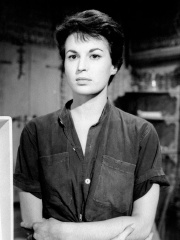
Silvana Mangano
ACTOR
1930 - 1989
HPI: 73.83
Rank: 583
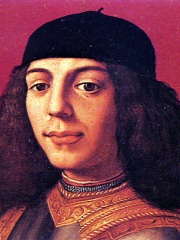
Piero the Unfortunate
NOBLEMAN
1472 - 1503
HPI: 73.81
Rank: 584
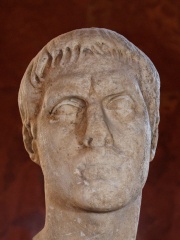
Marcus Claudius Marcellus
POLITICIAN
42 BC - 23 BC
HPI: 73.78
Rank: 585
Among Filosoofs In Italië
Among filosoofs born in Italië, Alcmaeon of Croton ranks 17. Before him are Boethius (480), Bonaventure (1221), Marsilio Ficino (1433), Giambattista Vico (1668), Tommaso Campanella (1568), and Cesare Beccaria (1738). After him are Hippasus (-600), Theano (-600), Julius Evola (1898), Benedetto Croce (1866), Giorgio Agamben (1942), and Marsilius of Padua (1275).
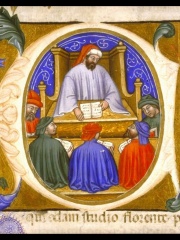
Boethius
480 - 525
HPI: 78.53
Rank: 11
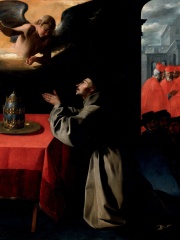
Bonaventure
1221 - 1274
HPI: 77.62
Rank: 12
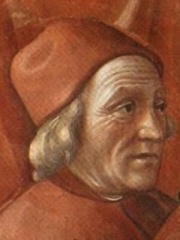
Marsilio Ficino
1433 - 1499
HPI: 77.16
Rank: 13
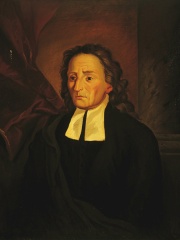
Giambattista Vico
1668 - 1744
HPI: 76.67
Rank: 14
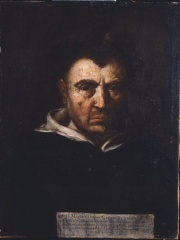
Tommaso Campanella
1568 - 1639
HPI: 76.67
Rank: 15
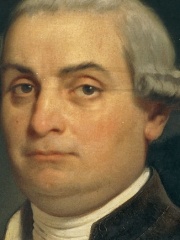
Cesare Beccaria
1738 - 1794
HPI: 74.89
Rank: 16
Alcmaeon of Croton
510 BC - 450 BC
HPI: 73.88
Rank: 17
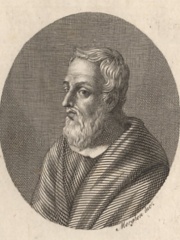
Hippasus
600 BC - 500 BC
HPI: 73.44
Rank: 18

Theano
600 BC - 600 BC
HPI: 73.38
Rank: 19
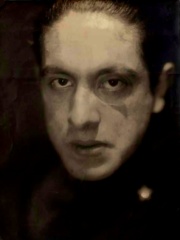
Julius Evola
1898 - 1974
HPI: 73.16
Rank: 20
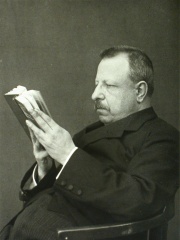
Benedetto Croce
1866 - 1952
HPI: 72.94
Rank: 21
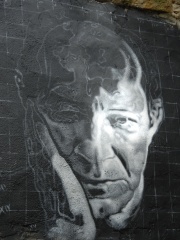
Giorgio Agamben
1942 - Present
HPI: 72.65
Rank: 22

Marsilius of Padua
1275 - 1342
HPI: 71.76
Rank: 23




