Filósofo
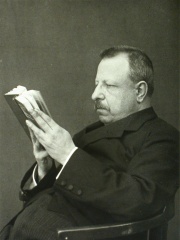
Tommaso Campanella
1568 - 1639
PT.WIKIPEDIA PAGE VIEWS (PV)
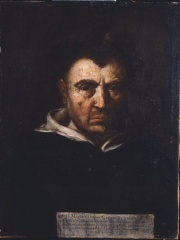
 Tommaso Campanella
Sua biografia está disponível em 59 idiomas na Wikipédia (aumento em relação a 58 em 2024). Tommaso Campanella é o 137º filósofo mais popular (caiu do 120º em 2024), a 372ª biografia mais popular da Itália (caiu do 294ª em 2019) e o 15º filósofo mais popular da Itália.
Memorability Metrics
120k
Page Views
Past 12 months
76.67
HPI
Historical Popularity Index
Page views of Tommaso Campanella by language
Among Filósofos
Among filósofos, Tommaso Campanella ranks 137 out of 1,267. Before him are Joseph Priestley, John Wycliffe, Johann Friedrich Herbart, Martin Buber, Zygmunt Bauman, and Giambattista Vico. After him are Philo, Charles Fourier, Duns Scotus, Baron d'Holbach, Mozi, and Kanada.
Most Popular Filósofos in Wikipedia
Go to all Rankings
Joseph Priestley
1733 - 1804
HPI: 76.90
Rank: 131
John Wycliffe
1324 - 1384
HPI: 76.81
Rank: 132
Johann Friedrich Herbart
1776 - 1841
HPI: 76.78
Rank: 133
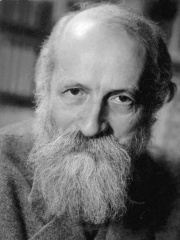
Martin Buber
1878 - 1965
HPI: 76.75
Rank: 134
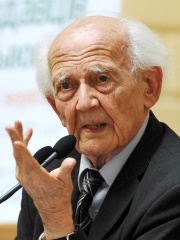
Zygmunt Bauman
1925 - 2017
HPI: 76.74
Rank: 135
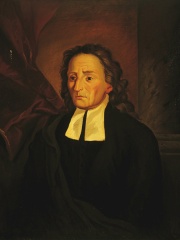
Giambattista Vico
1668 - 1744
HPI: 76.67
Rank: 136
Tommaso Campanella
1568 - 1639
HPI: 76.67
Rank: 137
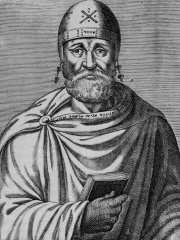
Philo
15 BC - 45
HPI: 76.66
Rank: 138
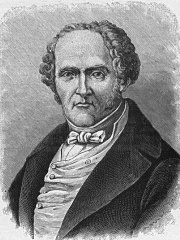
Charles Fourier
1772 - 1837
HPI: 76.65
Rank: 139
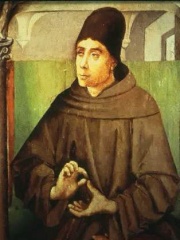
Duns Scotus
1265 - 1308
HPI: 76.64
Rank: 140
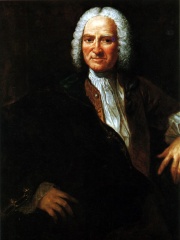
Baron d'Holbach
1723 - 1789
HPI: 76.63
Rank: 141
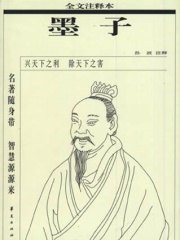
Mozi
470 BC - 391 BC
HPI: 76.56
Rank: 142
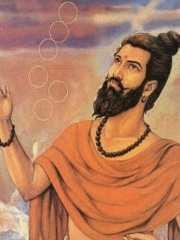
Kanada
200 BC - 160 BC
HPI: 76.49
Rank: 143

Contemporaries
Among people born in 1568, Tommaso Campanella ranks 2. Before him is Pope Urban VIII. After him are Jan Brueghel the Elder, Aloysius Gonzaga, Wei Zhongxian, Gunilla Bielke, Adriano Banchieri, Giuseppe Cesari, Marino Ghetaldi, Christian I, Prince of Anhalt-Bernburg, Toyotomi Hidetsugu, and Virginia de' Medici. Among people deceased in 1639, Tommaso Campanella ranks 2. Before him is Mustafa I. After him are Orazio Gentileschi, Martin de Porres, Johann Philipp, Duke of Saxe-Altenburg, Bernard of Saxe-Weimar, Roelant Savery, Martin Opitz, Stefano Landi, Juan Ruiz de Alarcón, Augusta of Denmark, and John Ford.
Others Born in 1568
Go to all Rankings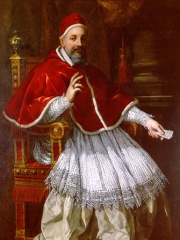
Pope Urban VIII
RELIGIOUS FIGURE
1568 - 1644
HPI: 83.69
Rank: 1
Tommaso Campanella
PHILOSOPHER
1568 - 1639
HPI: 76.67
Rank: 2
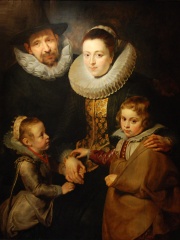
Jan Brueghel the Elder
PAINTER
1568 - 1625
HPI: 74.63
Rank: 3
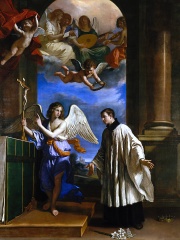
Aloysius Gonzaga
RELIGIOUS FIGURE
1568 - 1591
HPI: 73.32
Rank: 4

Wei Zhongxian
POLITICIAN
1568 - 1627
HPI: 66.81
Rank: 5
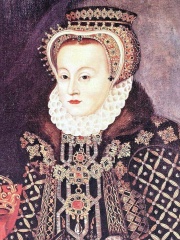
Gunilla Bielke
COMPANION
1568 - 1597
HPI: 66.26
Rank: 6
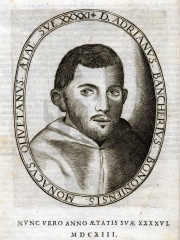
Adriano Banchieri
COMPOSER
1568 - 1634
HPI: 65.27
Rank: 7
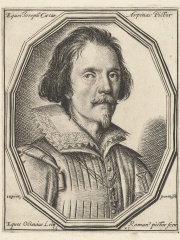
Giuseppe Cesari
PAINTER
1568 - 1640
HPI: 64.91
Rank: 8

Marino Ghetaldi
MATHEMATICIAN
1568 - 1626
HPI: 64.45
Rank: 9
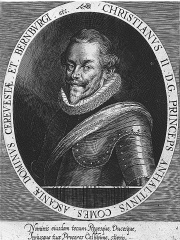
Christian I, Prince of Anhalt-Bernburg
POLITICIAN
1568 - 1630
HPI: 64.35
Rank: 10
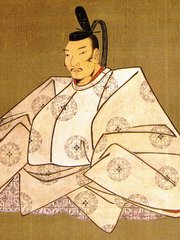
Toyotomi Hidetsugu
NOBLEMAN
1568 - 1595
HPI: 63.21
Rank: 11
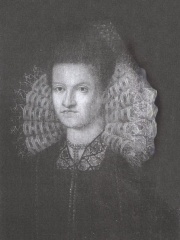
Virginia de' Medici
POLITICIAN
1568 - 1615
HPI: 63.08
Rank: 12
Others Deceased in 1639
Go to all Rankings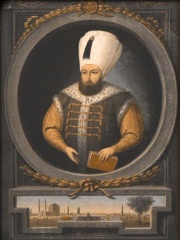
Mustafa I
POLITICIAN
1591 - 1639
HPI: 82.18
Rank: 1
Tommaso Campanella
PHILOSOPHER
1568 - 1639
HPI: 76.67
Rank: 2
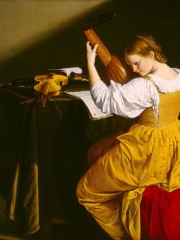
Orazio Gentileschi
PAINTER
1563 - 1639
HPI: 70.27
Rank: 3
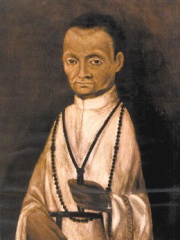
Martin de Porres
RELIGIOUS FIGURE
1579 - 1639
HPI: 68.63
Rank: 4
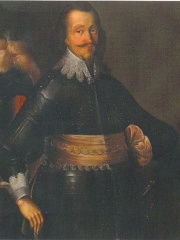
Johann Philipp, Duke of Saxe-Altenburg
NOBLEMAN
1597 - 1639
HPI: 65.46
Rank: 5
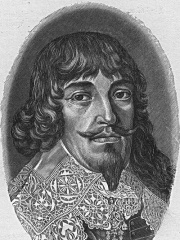
Bernard of Saxe-Weimar
POLITICIAN
1604 - 1639
HPI: 65.24
Rank: 6
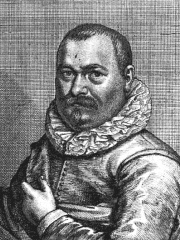
Roelant Savery
PAINTER
1576 - 1639
HPI: 64.89
Rank: 7
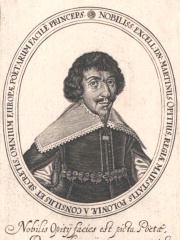
Martin Opitz
WRITER
1597 - 1639
HPI: 64.89
Rank: 8
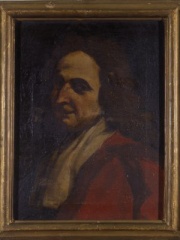
Stefano Landi
COMPOSER
1587 - 1639
HPI: 64.44
Rank: 9
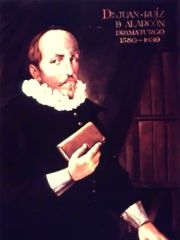
Juan Ruiz de Alarcón
WRITER
1581 - 1639
HPI: 62.68
Rank: 10
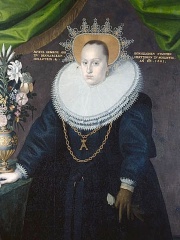
Augusta of Denmark
POLITICIAN
1580 - 1639
HPI: 62.52
Rank: 11

John Ford
WRITER
1586 - 1639
HPI: 58.58
Rank: 12
In Itália
Among people born in Itália, Tommaso Campanella ranks 372 out of NaN. Before him are Michelangelo Antonioni (1912), Grazia Deledda (1871), Riccardo Muti (1941), Gianni Versace (1946), Dario Fo (1926), and Giambattista Vico (1668). After him are Herod Agrippa II (28), Niccolò Fontana Tartaglia (1499), Pope John XI (910), Primo Levi (1919), Atia (-85), and Pope Clement III (1130).
Others born in Itália
Go to all Rankings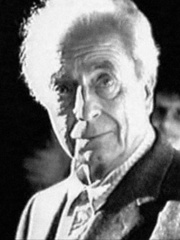
Michelangelo Antonioni
FILM DIRECTOR
1912 - 2007
HPI: 76.78
Rank: 366
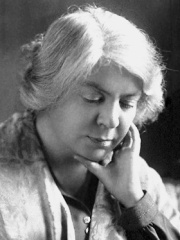
Grazia Deledda
WRITER
1871 - 1936
HPI: 76.77
Rank: 367
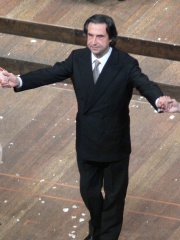
Riccardo Muti
CONDUCTOR
1941 - Present
HPI: 76.76
Rank: 368
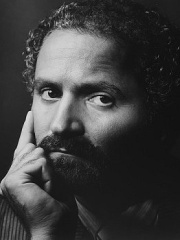
Gianni Versace
DESIGNER
1946 - 1997
HPI: 76.76
Rank: 369
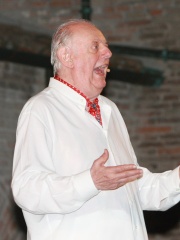
Dario Fo
WRITER
1926 - 2016
HPI: 76.74
Rank: 370
Giambattista Vico
PHILOSOPHER
1668 - 1744
HPI: 76.67
Rank: 371
Tommaso Campanella
PHILOSOPHER
1568 - 1639
HPI: 76.67
Rank: 372
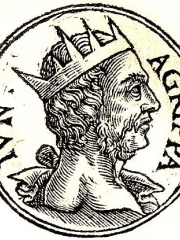
Herod Agrippa II
POLITICIAN
28 - 100
HPI: 76.66
Rank: 373
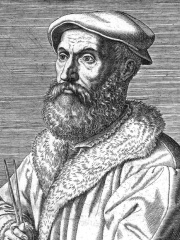
Niccolò Fontana Tartaglia
MATHEMATICIAN
1499 - 1557
HPI: 76.65
Rank: 374
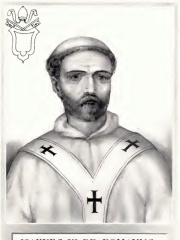
Pope John XI
RELIGIOUS FIGURE
910 - 936
HPI: 76.63
Rank: 375
Primo Levi
WRITER
1919 - 1987
HPI: 76.62
Rank: 376
Atia
POLITICIAN
85 BC - 43 BC
HPI: 76.61
Rank: 377
Pope Clement III
RELIGIOUS FIGURE
1130 - 1191
HPI: 76.61
Rank: 378
Among Filósofos In Itália
Among filósofos born in Itália, Tommaso Campanella ranks 15. Before him are Pliny the Elder (23), Giovanni Pico della Mirandola (1463), Boethius (480), Bonaventure (1221), Marsilio Ficino (1433), and Giambattista Vico (1668). After him are Cesare Beccaria (1738), Alcmaeon of Croton (-510), Hippasus (-600), Theano (-600), Julius Evola (1898), and Benedetto Croce (1866).
Pliny the Elder
23 - 79
HPI: 80.68
Rank: 9
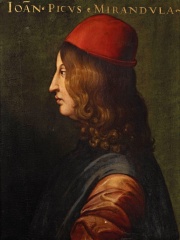
Giovanni Pico della Mirandola
1463 - 1494
HPI: 79.56
Rank: 10
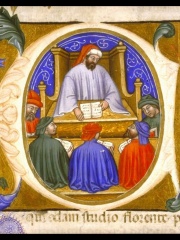
Boethius
480 - 525
HPI: 78.53
Rank: 11
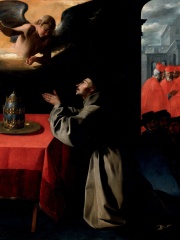
Bonaventure
1221 - 1274
HPI: 77.62
Rank: 12
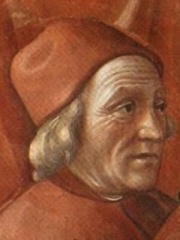
Marsilio Ficino
1433 - 1499
HPI: 77.16
Rank: 13
Giambattista Vico
1668 - 1744
HPI: 76.67
Rank: 14
Tommaso Campanella
1568 - 1639
HPI: 76.67
Rank: 15
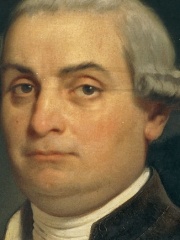
Cesare Beccaria
1738 - 1794
HPI: 74.89
Rank: 16
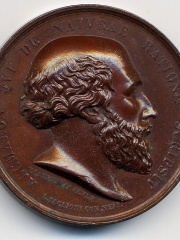
Alcmaeon of Croton
510 BC - 450 BC
HPI: 73.88
Rank: 17
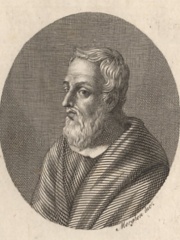
Hippasus
600 BC - 500 BC
HPI: 73.44
Rank: 18

Theano
600 BC - 600 BC
HPI: 73.38
Rank: 19
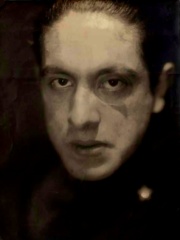
Julius Evola
1898 - 1974
HPI: 73.16
Rank: 20
Benedetto Croce
1866 - 1952
HPI: 72.94
Rank: 21




