哲学者
Hippasus
600 BC - 500 BC
JA.WIKIPEDIA ページビュー (PV)
 Hippasus
知名度指標
82k
ページビュー
過去12か月
73.44
HPI
歴史的人気指数
データインサイト
41
Hippasusの伝記はウィキペディアの41言語版に掲載され、歴史的人気指数は73.44です。
Hippasusの言語別ページビュー
哲学者の中で
哲学者の中で、Hippasusは1,285人中216位です。 彼より上位:Georgi Plekhanov, Vasishtha, Julia Kristeva, Miguel de Unamuno, Orosius, 、Baltasar Gracián. 彼より下位:G. E. M. Anscombe, Theano, Muhammad Abduh, Solomon ibn Gabirol, Benjamin Constant, 、Xenocrates.
ウィキペディアで最も人気のある哲学者
すべてのランキングを見る
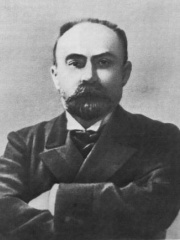
Georgi Plekhanov
1856 - 1918
HPI: 73.78
順位: 210

Vasishtha
2000 BC - 2000 BC
HPI: 73.76
順位: 211

Julia Kristeva
1941 - 現在
HPI: 73.68
順位: 212
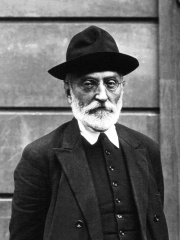
Miguel de Unamuno
1864 - 1936
HPI: 73.57
順位: 213

Orosius
375 - 420
HPI: 73.52
順位: 214
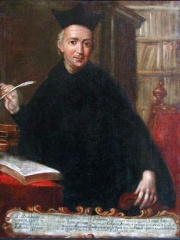
Baltasar Gracián
1601 - 1658
HPI: 73.52
順位: 215
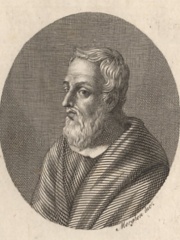
Hippasus
600 BC - 500 BC
HPI: 73.44
順位: 216
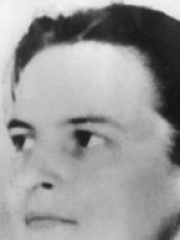
G. E. M. Anscombe
1919 - 2001
HPI: 73.41
順位: 217

Theano
600 BC - 600 BC
HPI: 73.38
順位: 218
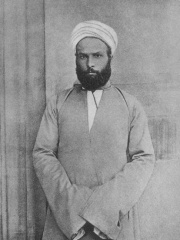
Muhammad Abduh
1849 - 1905
HPI: 73.35
順位: 219
Solomon ibn Gabirol
1021 - 1058
HPI: 73.35
順位: 220
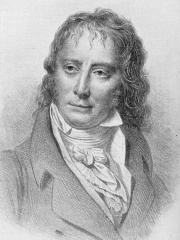
Benjamin Constant
1767 - 1830
HPI: 73.28
順位: 221
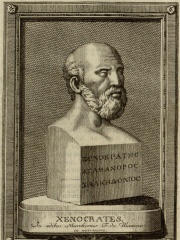
Xenocrates
396 BC - 314 BC
HPI: 73.16
順位: 222

同時代の人物
600 BC年生まれの人の中で、Hippasusは16位です。 彼より上位:Maya, Belshazzar, Mardonius, Gaius Marcius Coriolanus, Cambyses I, 、Pheidippides. 彼より下位:Theano, Polycrates, Mahapajapati Gotami, Nahum, Bias of Priene, 、Hippias. 500 BC年に亡くなった人の中で、Hippasusは9位です。 彼より上位:Ānanda, Polykleitos, Artemisia I of Caria, Gaius Marcius Coriolanus, Diogenes of Apollonia, 、Myron. 彼より下位:Xi Shi, Rāhula, Himilco, Xanthippus, Gorgo, Queen of Sparta, 、Obadiah.
600 BC年生まれのその他の人物
すべてのランキングを見る
Maya
RELIGIOUS FIGURE
600 BC - 600 BC
HPI: 77.09
順位: 10

Belshazzar
RELIGIOUS FIGURE
600 BC - 600 BC
HPI: 75.54
順位: 11

Mardonius
MILITARY PERSONNEL
600 BC - 479 BC
HPI: 75.10
順位: 12
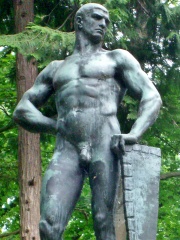
Gaius Marcius Coriolanus
POLITICIAN
600 BC - 500 BC
HPI: 74.23
順位: 13
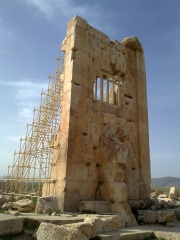
Cambyses I
POLITICIAN
600 BC - 559 BC
HPI: 73.84
順位: 14
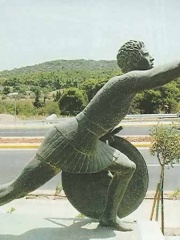
Pheidippides
SOCIAL ACTIVIST
600 BC - 490 BC
HPI: 73.68
順位: 15
Hippasus
PHILOSOPHER
600 BC - 500 BC
HPI: 73.44
順位: 16
Theano
PHILOSOPHER
600 BC - 600 BC
HPI: 73.38
順位: 17
Polycrates
POLITICIAN
600 BC - 515 BC
HPI: 73.36
順位: 18
Mahapajapati Gotami
RELIGIOUS FIGURE
600 BC - 480 BC
HPI: 73.12
順位: 19
Nahum
POLITICIAN
600 BC - 700 BC
HPI: 72.86
順位: 20
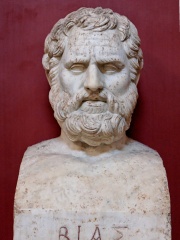
Bias of Priene
PHILOSOPHER
600 BC - 530 BC
HPI: 72.32
順位: 21
Hippias
POLITICIAN
600 BC - 490 BC
HPI: 72.28
順位: 22
500 BC年に亡くなったその他の人物
すべてのランキングを見る
Ānanda
RELIGIOUS FIGURE
600 BC - 500 BC
HPI: 78.77
順位: 3
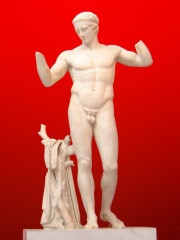
Polykleitos
SCULPTOR
450 BC - 500 BC
HPI: 76.82
順位: 4
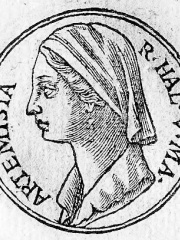
Artemisia I of Caria
POLITICIAN
500 BC - 500 BC
HPI: 74.58
順位: 5
Gaius Marcius Coriolanus
POLITICIAN
600 BC - 500 BC
HPI: 74.23
順位: 6

Diogenes of Apollonia
PHILOSOPHER
460 BC - 500 BC
HPI: 74.11
順位: 7
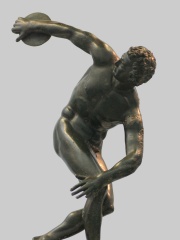
Myron
SCULPTOR
500 BC - 500 BC
HPI: 74.09
順位: 8
Hippasus
PHILOSOPHER
600 BC - 500 BC
HPI: 73.44
順位: 9

Xi Shi
COMPANION
506 BC - 500 BC
HPI: 72.17
順位: 10

Rāhula
RELIGIOUS FIGURE
534 BC - 500 BC
HPI: 71.96
順位: 11

Himilco
EXPLORER
550 BC - 500 BC
HPI: 71.23
順位: 12
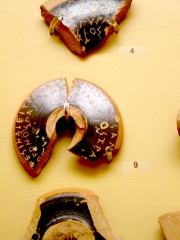
Xanthippus
POLITICIAN
590 BC - 500 BC
HPI: 70.34
順位: 13
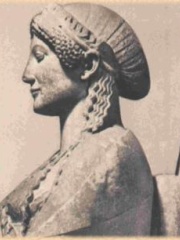
Gorgo, Queen of Sparta
COMPANION
506 BC - 500 BC
HPI: 70.31
順位: 14

Obadiah
RELIGIOUS FIGURE
587 BC - 500 BC
HPI: 70.24
順位: 15
イタリアの中で
イタリア生まれの人の中で、Hippasusは5,905人中613位です。 彼より上位:Giuliano Gemma (1938), Alexander Farnese, Duke of Parma (1545), Fausto Cercignani (1941), Anastasia of Sirmium (281), Pinturicchio (1454), 、Luca Signorelli (1450). 彼より下位:Lazzaro Spallanzani (1729), Dionysius I of Syracuse (-430), Julia the Elder (-39), Publius Clodius Pulcher (-90), Matilda of Tuscany (1046), 、Giovanni Borgia, 2nd Duke of Gandia (1474).
イタリア生まれのその他の人物
すべてのランキングを見る
Giuliano Gemma
ACTOR
1938 - 2013
HPI: 73.52
順位: 607
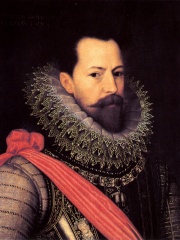
Alexander Farnese, Duke of Parma
POLITICIAN
1545 - 1592
HPI: 73.51
順位: 608
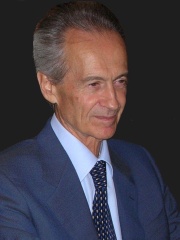
Fausto Cercignani
WRITER
1941 - 現在
HPI: 73.47
順位: 609
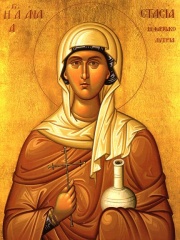
Anastasia of Sirmium
RELIGIOUS FIGURE
281 - 304
HPI: 73.46
順位: 610
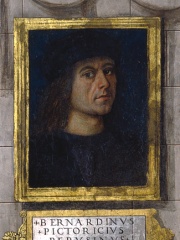
Pinturicchio
PAINTER
1454 - 1513
HPI: 73.46
順位: 611
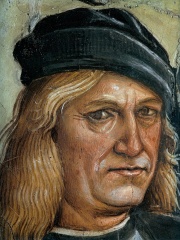
Luca Signorelli
ARTIST
1450 - 1523
HPI: 73.46
順位: 612
Hippasus
PHILOSOPHER
600 BC - 500 BC
HPI: 73.44
順位: 613
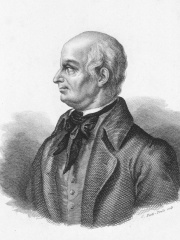
Lazzaro Spallanzani
BIOLOGIST
1729 - 1799
HPI: 73.44
順位: 614
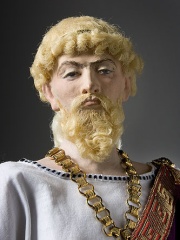
Dionysius I of Syracuse
POLITICIAN
430 BC - 366 BC
HPI: 73.43
順位: 615
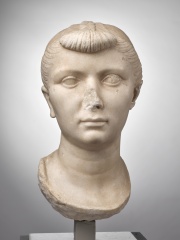
Julia the Elder
COMPANION
39 BC - 14
HPI: 73.42
順位: 616
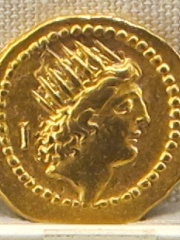
Publius Clodius Pulcher
POLITICIAN
90 BC - 52 BC
HPI: 73.41
順位: 617
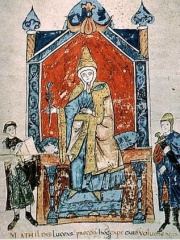
Matilda of Tuscany
MILITARY PERSONNEL
1046 - 1115
HPI: 73.40
順位: 618
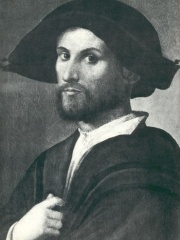
Giovanni Borgia, 2nd Duke of Gandia
NOBLEMAN
1474 - 1497
HPI: 73.39
順位: 619
イタリアの哲学者の中で
イタリア生まれの哲学者の中で、Hippasusは18位です。 彼より上位:Bonaventure (1221), Marsilio Ficino (1433), Giambattista Vico (1668), Tommaso Campanella (1568), Cesare Beccaria (1738), 、Alcmaeon of Croton (-510). 彼より下位:Theano (-600), Julius Evola (1898), Benedetto Croce (1866), Giorgio Agamben (1942), Marsilius of Padua (1275), 、Elena Cornaro Piscopia (1646).
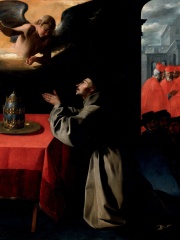
Bonaventure
1221 - 1274
HPI: 77.62
順位: 12
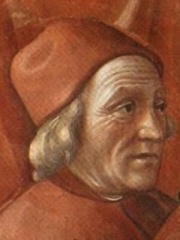
Marsilio Ficino
1433 - 1499
HPI: 77.16
順位: 13
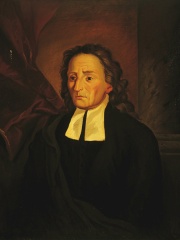
Giambattista Vico
1668 - 1744
HPI: 76.67
順位: 14
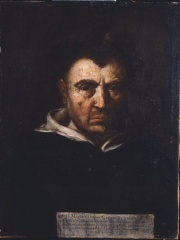
Tommaso Campanella
1568 - 1639
HPI: 76.67
順位: 15
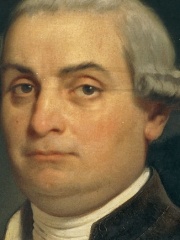
Cesare Beccaria
1738 - 1794
HPI: 74.89
順位: 16
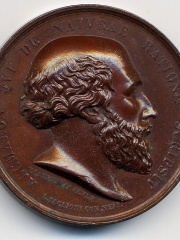
Alcmaeon of Croton
510 BC - 450 BC
HPI: 73.88
順位: 17
Hippasus
600 BC - 500 BC
HPI: 73.44
順位: 18
Theano
600 BC - 600 BC
HPI: 73.38
順位: 19
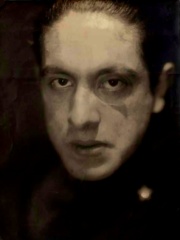
Julius Evola
1898 - 1974
HPI: 73.16
順位: 20
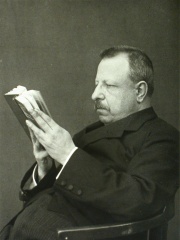
Benedetto Croce
1866 - 1952
HPI: 72.94
順位: 21
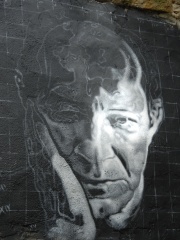
Giorgio Agamben
1942 - 現在
HPI: 72.65
順位: 22

Marsilius of Padua
1275 - 1342
HPI: 71.76
順位: 23
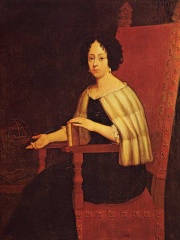
Elena Cornaro Piscopia
1646 - 1684
HPI: 70.48
順位: 24




