Философ
Marsilius of Padua
1275 - 1342
ПРОСМОТРЫ RU.WIKIPEDIA (PV)

 Marsilius of Padua
Его биография доступна на 36 различных языках в Википедии (рост с 34 в 2024 году). Marsilius of Padua занимает 262-е место среди самых популярных философ (снижение с 224-е места в 2024 году), занимает 761-е место среди самых популярных биографий из Италии (снижение с 609-е места в 2019 году) и занимает 23-е место среди философ Италия.
Метрики памятности
44k
Просмотры страниц
За последние 12 месяцев
71.76
HPI
Индекс исторической популярности
Интересные факты
Просмотры страницы Marsilius of Padua по языкам
Среди представителей профессии «Философ»
Среди представителей профессии «Философ» Marsilius of Padua занимает 262-е место из 1,285. Перед ним идут Roger Garaudy, Pherecydes of Syros, Donald Davidson, Fakhr al-Din al-Razi, Euclid of Megara, и Judah Loew ben Bezalel. После него идут Nicole Oresme, François Fénelon, Johann Reuchlin, Pat Robertson, Vladimir Solovyov, и Paramahansa Yogananda.
Самые популярные в Википедии: Философ
Все рейтинги
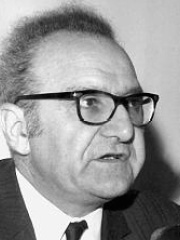
Roger Garaudy
1913 - 2012
HPI: 72.15
Место: 256
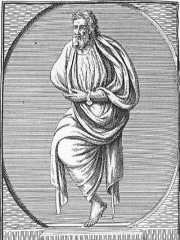
Pherecydes of Syros
580 BC - 520 BC
HPI: 72.10
Место: 257
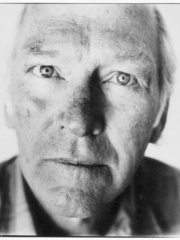
Donald Davidson
1917 - 2003
HPI: 72.02
Место: 258

Fakhr al-Din al-Razi
1149 - 1209
HPI: 71.93
Место: 259
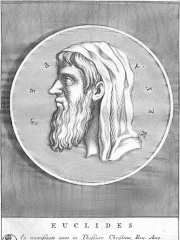
Euclid of Megara
435 BC - 365 BC
HPI: 71.88
Место: 260
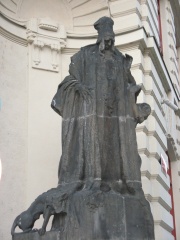
Judah Loew ben Bezalel
1512 - 1609
HPI: 71.87
Место: 261
Marsilius of Padua
1275 - 1342
HPI: 71.76
Место: 262
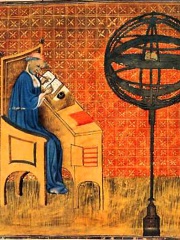
Nicole Oresme
1323 - 1382
HPI: 71.70
Место: 263
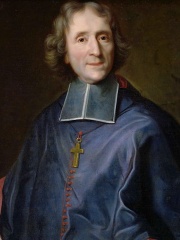
François Fénelon
1651 - 1715
HPI: 71.68
Место: 264
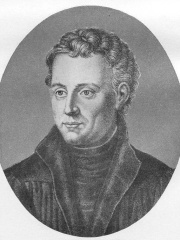
Johann Reuchlin
1455 - 1522
HPI: 71.67
Место: 265
Pat Robertson
1930 - 2023
HPI: 71.65
Место: 266
Vladimir Solovyov
1853 - 1900
HPI: 71.62
Место: 267
Paramahansa Yogananda
1893 - 1952
HPI: 71.62
Место: 268

Современники
Среди людей, родившихся в 1275 году, Marsilius of Padua занимает 3-е место. Перед ним идут Henry VII, Holy Roman Emperor, и Gediminas. После него идут Basarab I of Wallachia, Mondino de Luzzi, Chungseon of Goryeo, John II, Duke of Brabant, Dnyaneshwar, Herman, Margrave of Brandenburg-Salzwedel, Musō Soseki, Edward Bruce, и Abu Sa'id Uthman II. Среди людей, умерших в 1342 году, Marsilius of Padua занимает 3-е место. Перед ним идут Pope Benedict XII, и Charles I of Hungary. После него идут Anna of Trebizond, Robert III of Artois, Peter II of Sicily, Joan of Valois, Countess of Hainaut, Tini Beg, Guy I, Count of Blois, и Bartolomeo Gradenigo.
Другие люди, родившиеся в 1275 году
Все рейтинги
Henry VII, Holy Roman Emperor
POLITICIAN
1275 - 1313
HPI: 75.64
Место: 1
Gediminas
POLITICIAN
1275 - 1341
HPI: 75.42
Место: 2
Marsilius of Padua
PHILOSOPHER
1275 - 1342
HPI: 71.76
Место: 3
Basarab I of Wallachia
POLITICIAN
1275 - 1352
HPI: 71.23
Место: 4
Mondino de Luzzi
PHYSICIAN
1275 - 1326
HPI: 65.53
Место: 5

Chungseon of Goryeo
NOBLEMAN
1275 - 1325
HPI: 64.75
Место: 6
John II, Duke of Brabant
POLITICIAN
1275 - 1312
HPI: 63.28
Место: 7

Dnyaneshwar
WRITER
1275 - 1296
HPI: 61.57
Место: 8
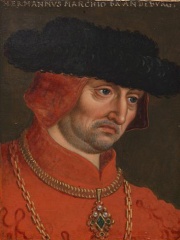
Herman, Margrave of Brandenburg-Salzwedel
POLITICIAN
1275 - 1308
HPI: 61.15
Место: 9
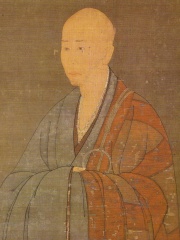
Musō Soseki
RELIGIOUS FIGURE
1275 - 1351
HPI: 58.88
Место: 10
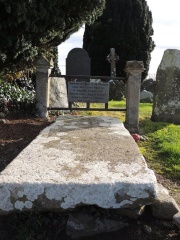
Edward Bruce
POLITICIAN
1275 - 1318
HPI: 58.35
Место: 11
Abu Sa'id Uthman II
POLITICIAN
1275 - 1331
HPI: 57.48
Место: 12
Другие люди, умершие в 1342 году
Все рейтинги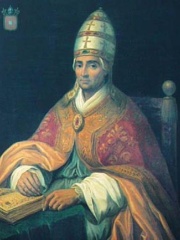
Pope Benedict XII
RELIGIOUS FIGURE
1280 - 1342
HPI: 80.51
Место: 1
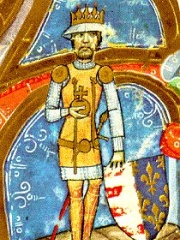
Charles I of Hungary
POLITICIAN
1288 - 1342
HPI: 75.08
Место: 2
Marsilius of Padua
PHILOSOPHER
1275 - 1342
HPI: 71.76
Место: 3

Anna of Trebizond
POLITICIAN
1350 - 1342
HPI: 66.38
Место: 4

Robert III of Artois
NOBLEMAN
1287 - 1342
HPI: 65.19
Место: 5

Peter II of Sicily
POLITICIAN
1305 - 1342
HPI: 64.68
Место: 6
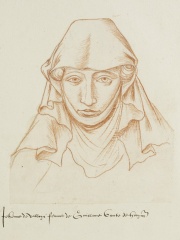
Joan of Valois, Countess of Hainaut
POLITICIAN
1294 - 1342
HPI: 62.98
Место: 7

Tini Beg
POLITICIAN
1341 - 1342
HPI: 60.83
Место: 8
Guy I, Count of Blois
NOBLEMAN
1298 - 1342
HPI: 59.43
Место: 9

Bartolomeo Gradenigo
POLITICIAN
1260 - 1342
HPI: 59.17
Место: 10
В стране Италия
Среди людей, родившихся в стране Италия, Marsilius of Padua занимает 761-е место из 5,905. Перед ним идут Victor Amadeus III of Sardinia (1726), Giacinto Facchetti (1942), Charles Emmanuel I, Duke of Savoy (1562), Isabella Rossellini (1952), Alessandro de' Medici, Duke of Florence (1510), и Giorgetto Giugiaro (1938). После него идут Rosso Fiorentino (1494), Francesco Guardi (1712), Tancred, Prince of Galilee (1072), Franco Baresi (1960), Giovanni Antonio Scopoli (1723), и Gianni Agnelli (1921).
Другие люди, родившиеся в стране Италия
Все рейтинги
Victor Amadeus III of Sardinia
POLITICIAN
1726 - 1796
HPI: 71.83
Место: 755
Giacinto Facchetti
SOCCER PLAYER
1942 - 2006
HPI: 71.83
Место: 756
Charles Emmanuel I, Duke of Savoy
POLITICIAN
1562 - 1630
HPI: 71.82
Место: 757

Isabella Rossellini
MODEL
1952 - наст. время
HPI: 71.80
Место: 758
Alessandro de' Medici, Duke of Florence
POLITICIAN
1510 - 1537
HPI: 71.79
Место: 759
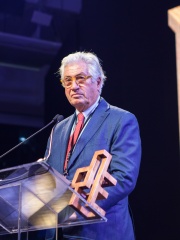
Giorgetto Giugiaro
DESIGNER
1938 - наст. время
HPI: 71.78
Место: 760
Marsilius of Padua
PHILOSOPHER
1275 - 1342
HPI: 71.76
Место: 761
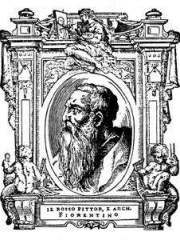
Rosso Fiorentino
PAINTER
1494 - 1540
HPI: 71.75
Место: 762
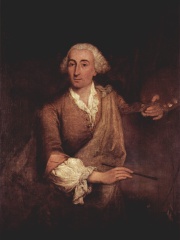
Francesco Guardi
PAINTER
1712 - 1793
HPI: 71.73
Место: 763
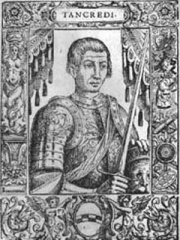
Tancred, Prince of Galilee
POLITICIAN
1072 - 1112
HPI: 71.69
Место: 764

Franco Baresi
SOCCER PLAYER
1960 - наст. время
HPI: 71.68
Место: 765
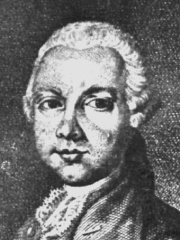
Giovanni Antonio Scopoli
PHYSICIAN
1723 - 1788
HPI: 71.67
Место: 766
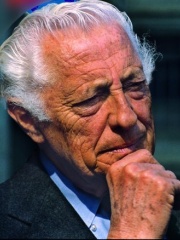
Gianni Agnelli
POLITICIAN
1921 - 2003
HPI: 71.64
Место: 767
Среди представителей профессии «Философ» в стране Италия
Среди представителей профессии «Философ», родившихся в стране Италия, Marsilius of Padua занимает 23-е место. Перед ним идут Alcmaeon of Croton (-510), Hippasus (-600), Theano (-600), Julius Evola (1898), Benedetto Croce (1866), и Giorgio Agamben (1942). После него идут Elena Cornaro Piscopia (1646), Pietro Pomponazzi (1462), Giovanni Gentile (1875), Antonio Negri (1933), Aristoxenus (-360), и Julius Caesar Scaliger (1484).
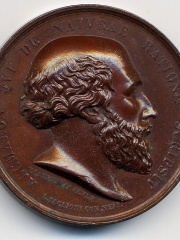
Alcmaeon of Croton
510 BC - 450 BC
HPI: 73.88
Место: 17
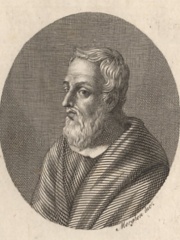
Hippasus
600 BC - 500 BC
HPI: 73.44
Место: 18

Theano
600 BC - 600 BC
HPI: 73.38
Место: 19
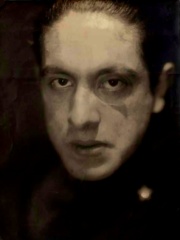
Julius Evola
1898 - 1974
HPI: 73.16
Место: 20
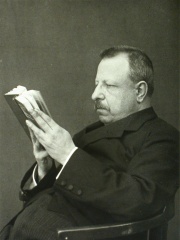
Benedetto Croce
1866 - 1952
HPI: 72.94
Место: 21
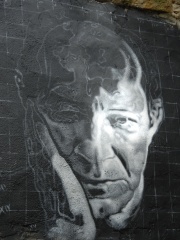
Giorgio Agamben
1942 - наст. время
HPI: 72.65
Место: 22
Marsilius of Padua
1275 - 1342
HPI: 71.76
Место: 23
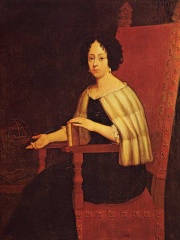
Elena Cornaro Piscopia
1646 - 1684
HPI: 70.48
Место: 24
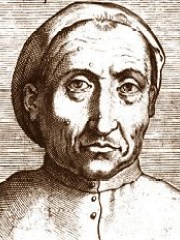
Pietro Pomponazzi
1462 - 1525
HPI: 70.27
Место: 25
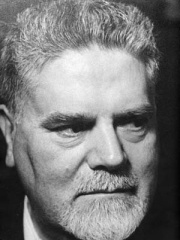
Giovanni Gentile
1875 - 1944
HPI: 69.95
Место: 26
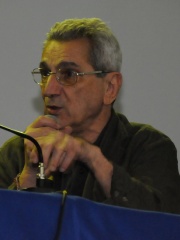
Antonio Negri
1933 - 2023
HPI: 69.41
Место: 27
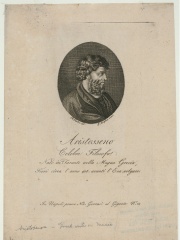
Aristoxenus
360 BC - 300 BC
HPI: 69.34
Место: 28
Julius Caesar Scaliger
1484 - 1558
HPI: 69.19
Место: 29




