Politico
Livilla
13 BC - 31
VISUALIZZAZIONI SU IT.WIKIPEDIA (PV)
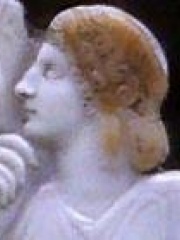
 Livilla
La sua biografia è disponibile in 31 lingue su Wikipedia (in aumento rispetto a 30 nel 2024). Livilla è la 1382ª politico più popolare (in aumento dal 4449ª nel 2024), la 462ª biografia più popolare della Francia (in aumento dal 1366ª nel 2019) e la 113ª politico più popolare della Francia.
Metriche di memorabilità
69k
Visualizzazioni
Ultimi 12 mesi
74.26
HPI
Indice di popolarità storica
Dati in evidenza
#4,409
A oltre 19 secoli dalla morte, Livilla occupa ancora la posizione n. 4,409 tra tutte le personalità di Pantheon.
3,508
Livilla è una delle sole 3,508 donne tra i 19,576 Politico di Pantheon.
Visualizzazioni della pagina di Livilla per lingua
Tra Politico
Tra Politico, Livilla occupa la posizione 1,382 su 19,576. Prima di lei ci sono Sasaki Kojirō, Mohammed VI of Morocco, Turgut Özal, Marcelo Rebelo de Sousa, Getúlio Vargas, e P. V. Narasimha Rao. Dopo di lei ci sono Ibrahim Pasha of Egypt, Queen Seondeok of Silla, Francis I of the Two Sicilies, Christian V of Denmark, Michael VII Doukas, e James Scott, 1st Duke of Monmouth.
Politico più popolari su Wikipedia
Vai a tutte le classifiche

Sasaki Kojirō
1583 - 1612
HPI: 74.30
Posizione: 1,376
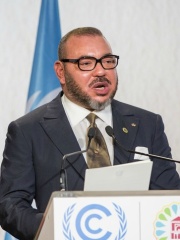
Mohammed VI of Morocco
1963 - presente
HPI: 74.29
Posizione: 1,377
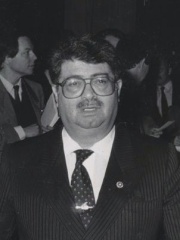
Turgut Özal
1927 - 1993
HPI: 74.29
Posizione: 1,378
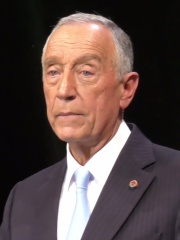
Marcelo Rebelo de Sousa
1948 - presente
HPI: 74.29
Posizione: 1,379
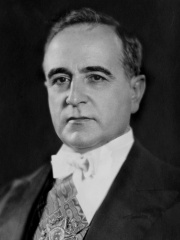
Getúlio Vargas
1882 - 1954
HPI: 74.28
Posizione: 1,380

P. V. Narasimha Rao
1921 - 2004
HPI: 74.27
Posizione: 1,381
Livilla
13 BC - 31
HPI: 74.26
Posizione: 1,382
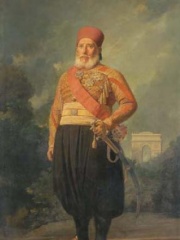
Ibrahim Pasha of Egypt
1789 - 1848
HPI: 74.26
Posizione: 1,383
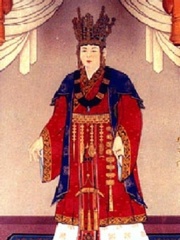
Queen Seondeok of Silla
603 - 647
HPI: 74.26
Posizione: 1,384

Francis I of the Two Sicilies
1777 - 1830
HPI: 74.25
Posizione: 1,385
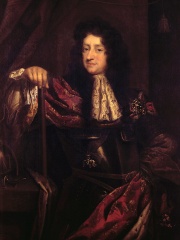
Christian V of Denmark
1646 - 1699
HPI: 74.25
Posizione: 1,386
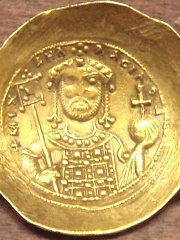
Michael VII Doukas
1050 - 1090
HPI: 74.25
Posizione: 1,387
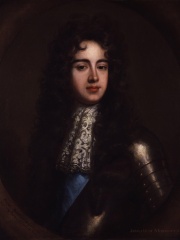
James Scott, 1st Duke of Monmouth
1649 - 1685
HPI: 74.25
Posizione: 1,388

Contemporanei
Tra le persone nate nel 13 BC, Livilla occupa la posizione 1. Dopo di lei ci sono Drusus Julius Caesar, Emperor Keikō, e Artaxias III. Tra le persone decedute nel 31, Livilla occupa la posizione 2. Prima di lei c'è John the Baptist. Dopo di lei ci sono Nero Julius Caesar, Marcus Velleius Paterculus, e Sejanus.
Altre persone nate nel 13 BC
Vai a tutte le classificheLivilla
POLITICIAN
13 BC - 31
HPI: 74.26
Posizione: 1
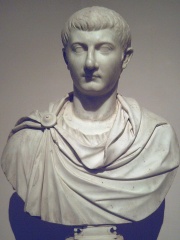
Drusus Julius Caesar
POLITICIAN
13 BC - 23
HPI: 68.44
Posizione: 2
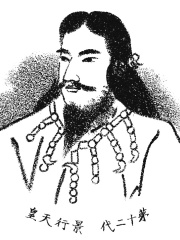
Emperor Keikō
POLITICIAN
13 BC - 130
HPI: 68.03
Posizione: 3
Artaxias III
POLITICIAN
13 BC - 34
HPI: 58.42
Posizione: 4
Altre persone decedute nel 31
Vai a tutte le classifiche
John the Baptist
RELIGIOUS FIGURE
20 BC - 31
HPI: 89.07
Posizione: 1
Livilla
POLITICIAN
13 BC - 31
HPI: 74.26
Posizione: 2
Nero Julius Caesar
POLITICIAN
6 - 31
HPI: 73.53
Posizione: 3
Marcus Velleius Paterculus
HISTORIAN
19 BC - 31
HPI: 72.46
Posizione: 4
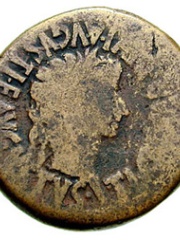
Sejanus
MILITARY PERSONNEL
20 BC - 31
HPI: 70.69
Posizione: 5
In Francia
Tra le persone nate in Francia, Livilla occupa la posizione 462 su 6,770. Prima di lei ci sono Theodor Eicke (1892), Leslie Caron (1931), André Le Nôtre (1613), Joseph Marie Jacquard (1752), Alphonse de Lamartine (1790), e Auguste Escoffier (1847). Dopo di lei ci sono Jean Monnet (1888), Alexis Carrel (1873), Paul Éluard (1895), Jean Fouquet (1420), Étienne Bonnot de Condillac (1714), e Gaspard Monge (1746).
Altre persone nate in Francia
Vai a tutte le classifiche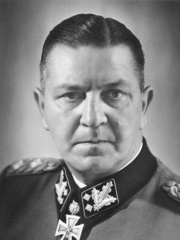
Theodor Eicke
MILITARY PERSONNEL
1892 - 1943
HPI: 74.40
Posizione: 456
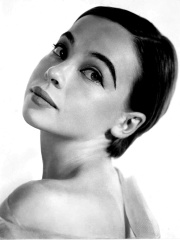
Leslie Caron
ACTOR
1931 - presente
HPI: 74.38
Posizione: 457
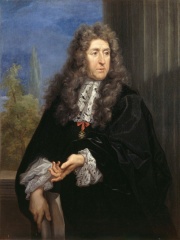
André Le Nôtre
ARCHITECT
1613 - 1700
HPI: 74.36
Posizione: 458
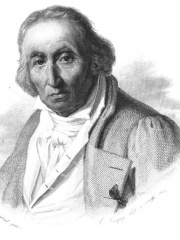
Joseph Marie Jacquard
INVENTOR
1752 - 1834
HPI: 74.32
Posizione: 459
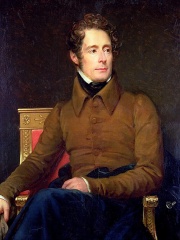
Alphonse de Lamartine
WRITER
1790 - 1869
HPI: 74.31
Posizione: 460
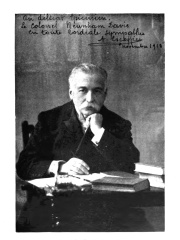
Auguste Escoffier
WRITER
1847 - 1935
HPI: 74.28
Posizione: 461
Livilla
POLITICIAN
13 BC - 31
HPI: 74.26
Posizione: 462
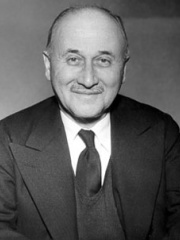
Jean Monnet
POLITICIAN
1888 - 1979
HPI: 74.25
Posizione: 463
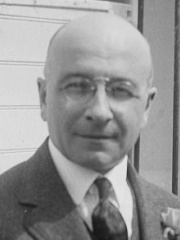
Alexis Carrel
PHYSICIAN
1873 - 1944
HPI: 74.22
Posizione: 464
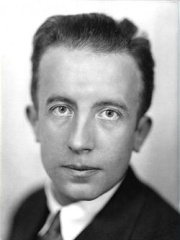
Paul Éluard
WRITER
1895 - 1952
HPI: 74.18
Posizione: 465
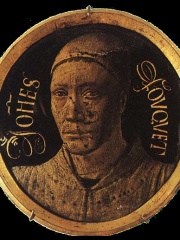
Jean Fouquet
PAINTER
1420 - 1480
HPI: 74.17
Posizione: 466
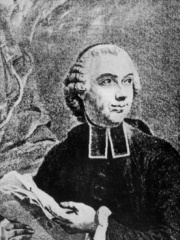
Étienne Bonnot de Condillac
PHILOSOPHER
1714 - 1780
HPI: 74.16
Posizione: 467
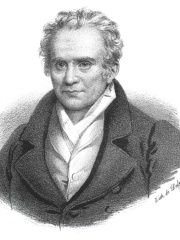
Gaspard Monge
MATHEMATICIAN
1746 - 1818
HPI: 74.16
Posizione: 468
Tra Politico in Francia
Tra Politico nati in Francia, Livilla occupa la posizione 113. Prima di lei ci sono Antoine of Navarre (1518), Aristide Briand (1862), Napoléon, Prince Imperial (1856), Henry of Flanders (1174), Robert I of France (860), e Paul Barras (1755). Dopo di lei ci sono Jean Monnet (1888), Louis III of France (863), Lazare Carnot (1753), Albert Lebrun (1871), Paul Henri Balluet d'Estournelles de Constant (1852), e Stephen, King of England (1095).
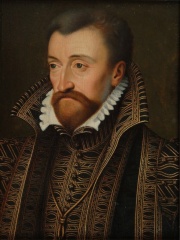
Antoine of Navarre
1518 - 1562
HPI: 74.65
Posizione: 107
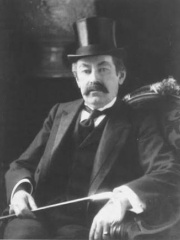
Aristide Briand
1862 - 1932
HPI: 74.61
Posizione: 108
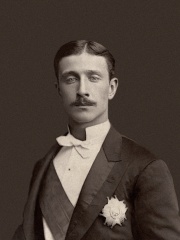
Napoléon, Prince Imperial
1856 - 1879
HPI: 74.58
Posizione: 109
Henry of Flanders
1174 - 1216
HPI: 74.46
Posizione: 110
Robert I of France
860 - 923
HPI: 74.42
Posizione: 111
Paul Barras
1755 - 1829
HPI: 74.40
Posizione: 112
Livilla
13 BC - 31
HPI: 74.26
Posizione: 113
Jean Monnet
1888 - 1979
HPI: 74.25
Posizione: 114
Louis III of France
863 - 882
HPI: 74.15
Posizione: 115
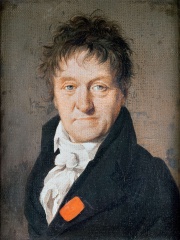
Lazare Carnot
1753 - 1823
HPI: 74.13
Posizione: 116
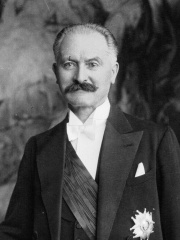
Albert Lebrun
1871 - 1950
HPI: 74.11
Posizione: 117
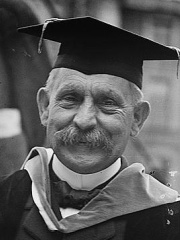
Paul Henri Balluet d'Estournelles de Constant
1852 - 1924
HPI: 74.01
Posizione: 118
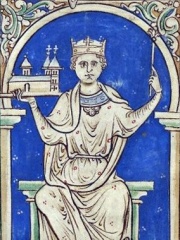
Stephen, King of England
1095 - 1154
HPI: 73.89
Posizione: 119




