Político
Octavia the Younger
69 BC - 11 BC
VISITAS EN ES.WIKIPEDIA (PV)
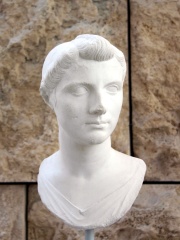
 Octavia the Younger
Su biografía está disponible en 37 idiomas en Wikipedia (aumentó de 36 en 2024). Octavia the Younger ocupa el puesto 1270 entre los político más populares (bajó del puesto 1105 en 2024), el puesto 520 entre las biografías más populares de Italia (bajó del puesto 471 en 2019) y el puesto 84 entre los político de italia más populares.
Métricas de memorabilidad
300k
Visitas
Últimos 12 meses
74.72
HPI
Índice de Popularidad Histórica
Datos destacados
#1,270 / 20k
Octavia the Younger ocupa el puesto n.º 1,270 entre 20,022 Político del mundo, dentro del 7 % más destacado de la profesión.
Visitas a la página de Octavia the Younger por idioma
Entre Político
Entre Político, Octavia the Younger ocupa el puesto 1,270 de 20,022. Antes de ella están William Henry Harrison, Pierre Laval, Alexander of Greece, Bảo Đại, Lajos Kossuth, y Benjamin Disraeli. Después de ella están Kwame Nkrumah, Justin II, Sariputta, Chlothar II, Reza Shah, y Herman Van Rompuy.
Político más populares en Wikipedia
Ver todas las clasificaciones
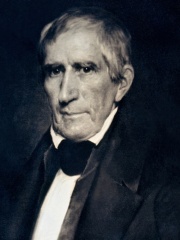
William Henry Harrison
1773 - 1841
HPI: 74.74
Puesto: 1,264
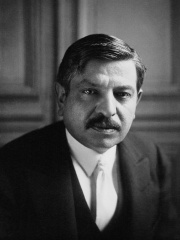
Pierre Laval
1883 - 1945
HPI: 74.74
Puesto: 1,265
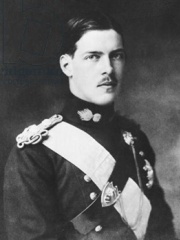
Alexander of Greece
1893 - 1920
HPI: 74.74
Puesto: 1,266
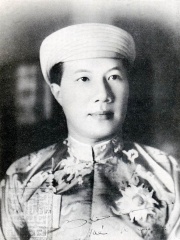
Bảo Đại
1913 - 1997
HPI: 74.74
Puesto: 1,267
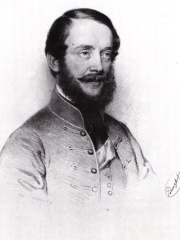
Lajos Kossuth
1802 - 1894
HPI: 74.74
Puesto: 1,268
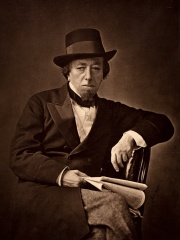
Benjamin Disraeli
1804 - 1881
HPI: 74.72
Puesto: 1,269
Octavia the Younger
69 BC - 11 BC
HPI: 74.72
Puesto: 1,270
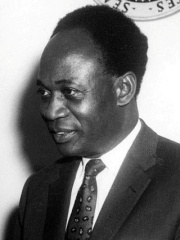
Kwame Nkrumah
1909 - 1972
HPI: 74.70
Puesto: 1,271
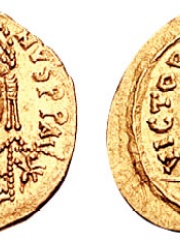
Justin II
520 - 578
HPI: 74.70
Puesto: 1,272
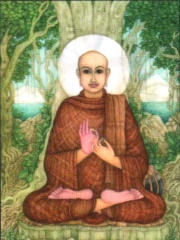
Sariputta
568 BC - 484 BC
HPI: 74.70
Puesto: 1,273
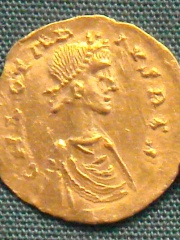
Chlothar II
584 - 629
HPI: 74.70
Puesto: 1,274
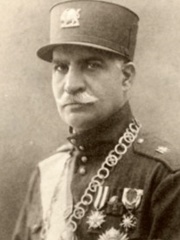
Reza Shah
1878 - 1944
HPI: 74.69
Puesto: 1,275

Herman Van Rompuy
1947 - presente
HPI: 74.69
Puesto: 1,276

Contemporáneos
Entre las personas nacidas en 69 BC, Octavia the Younger ocupa el puesto 2. Antes de ella está Cleopatra. Después de ella están Emperor Suinin, Hyeokgeose of Silla, y Cornelius Gallus. Entre las personas fallecidas en 11 BC, Octavia the Younger ocupa el puesto 1.
Otras personas nacidas en 69 BC
Ver todas las clasificaciones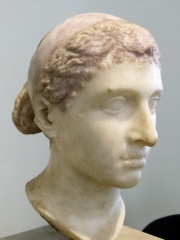
Cleopatra
POLITICIAN
69 BC - 30 BC
HPI: 98.34
Puesto: 1
Octavia the Younger
POLITICIAN
69 BC - 11 BC
HPI: 74.72
Puesto: 2
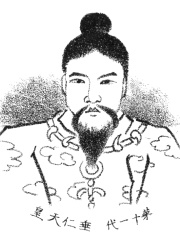
Emperor Suinin
POLITICIAN
69 BC - 70
HPI: 68.89
Puesto: 3

Hyeokgeose of Silla
POLITICIAN
69 BC - 4
HPI: 68.83
Puesto: 4
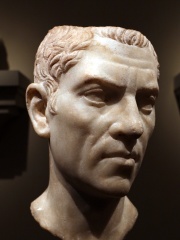
Cornelius Gallus
WRITER
69 BC - 26 BC
HPI: 66.79
Puesto: 5
Otras personas fallecidas en 11 BC
Ver todas las clasificacionesEn Italia
Entre las personas nacidas en Italia, Octavia the Younger ocupa el puesto 520 de 5,905. Antes de ella están Antonio Meucci (1808), Totila (500), Pope Stephen VIII (900), Lucky Luciano (1897), Giuseppe Tomasi di Lampedusa (1896), y Zeuxis (-500). Después de ella están Pope Valentine (780), Gaius Maecenas (-68), Arturo Toscanini (1867), Pope Miltiades (250), Riccardo Giacconi (1931), y John Cabot (1450).
Otras personas nacidas en Italia
Ver todas las clasificaciones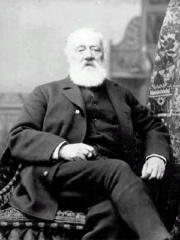
Antonio Meucci
INVENTOR
1808 - 1889
HPI: 74.80
Puesto: 514
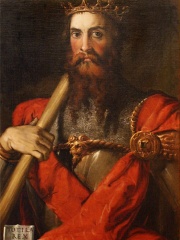
Totila
POLITICIAN
500 - 552
HPI: 74.78
Puesto: 515
Pope Stephen VIII
RELIGIOUS FIGURE
900 - 942
HPI: 74.77
Puesto: 516
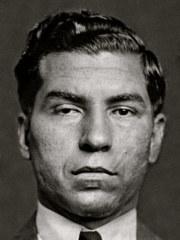
Lucky Luciano
MAFIOSO
1897 - 1962
HPI: 74.76
Puesto: 517
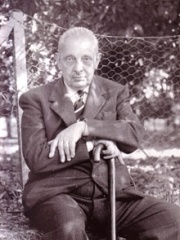
Giuseppe Tomasi di Lampedusa
WRITER
1896 - 1957
HPI: 74.75
Puesto: 518
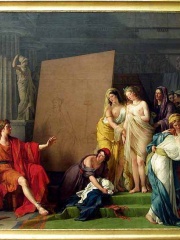
Zeuxis
PAINTER
500 BC - 400 BC
HPI: 74.74
Puesto: 519
Octavia the Younger
POLITICIAN
69 BC - 11 BC
HPI: 74.72
Puesto: 520
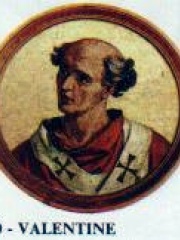
Pope Valentine
RELIGIOUS FIGURE
780 - 827
HPI: 74.71
Puesto: 521
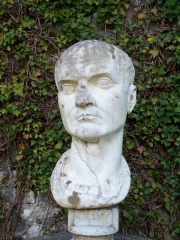
Gaius Maecenas
PUBLIC WORKER
68 BC - 8 BC
HPI: 74.71
Puesto: 522
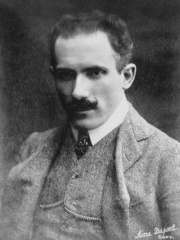
Arturo Toscanini
CONDUCTOR
1867 - 1957
HPI: 74.70
Puesto: 523
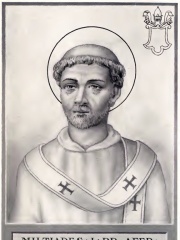
Pope Miltiades
RELIGIOUS FIGURE
250 - 314
HPI: 74.70
Puesto: 524
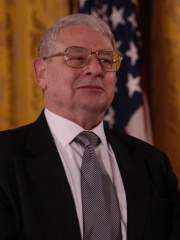
Riccardo Giacconi
ASTRONOMER
1931 - 2018
HPI: 74.70
Puesto: 525
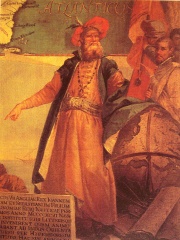
John Cabot
EXPLORER
1450 - 1498
HPI: 74.69
Puesto: 526
Entre Político en Italia
Entre Político nacidos en Italia, Octavia the Younger ocupa el puesto 84. Antes de ella están Pietro Badoglio (1871), Piero di Cosimo de' Medici (1416), Tiberius Claudius Nero (-85), Maria Anna of Savoy (1803), Victor Amadeus II of Sardinia (1666), y Totila (500). Después de ella están Aurelia Cotta (-120), Trebonianus Gallus (206), Gaius Gracchus (-154), Calpurnia (-77), Francesco I Sforza (1401), y Francis I of the Two Sicilies (1777).
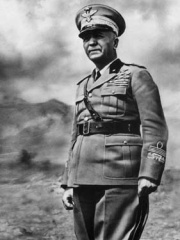
Pietro Badoglio
1871 - 1956
HPI: 75.01
Puesto: 78
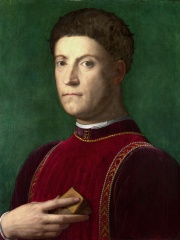
Piero di Cosimo de' Medici
1416 - 1469
HPI: 74.95
Puesto: 79
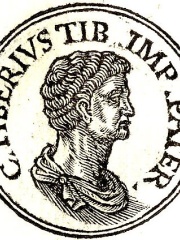
Tiberius Claudius Nero
85 BC - 33 BC
HPI: 74.93
Puesto: 80
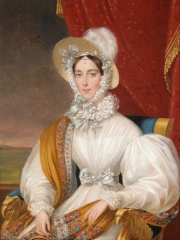
Maria Anna of Savoy
1803 - 1884
HPI: 74.82
Puesto: 81
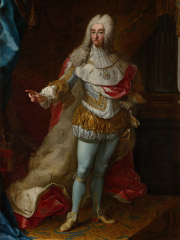
Victor Amadeus II of Sardinia
1666 - 1732
HPI: 74.80
Puesto: 82
Totila
500 - 552
HPI: 74.78
Puesto: 83
Octavia the Younger
69 BC - 11 BC
HPI: 74.72
Puesto: 84
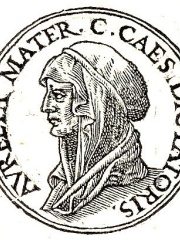
Aurelia Cotta
120 BC - 54 BC
HPI: 74.63
Puesto: 85
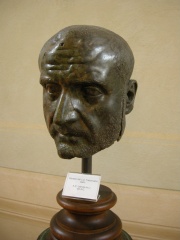
Trebonianus Gallus
206 - 253
HPI: 74.53
Puesto: 86
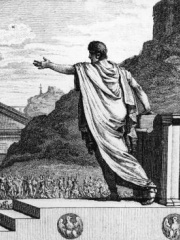
Gaius Gracchus
154 BC - 121 BC
HPI: 74.51
Puesto: 87
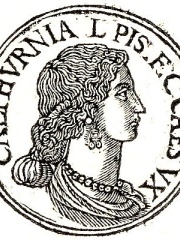
Calpurnia
77 BC - presente
HPI: 74.39
Puesto: 88
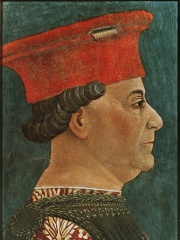
Francesco I Sforza
1401 - 1466
HPI: 74.38
Puesto: 89

Francis I of the Two Sicilies
1777 - 1830
HPI: 74.25
Puesto: 90




