Philosoph
Plinius der Ältere
23 - 79
DE.WIKIPEDIA PAGE VIEWS (PV)
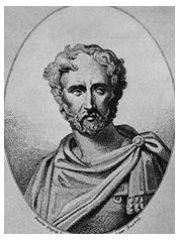
 Plinius der Ältere
Seine Biografie ist in 90 verschiedenen Sprachen auf Wikipedia verfügbar (gestiegen von 89 im Jahr 2024). Plinius der Ältere ist der 72nd beliebteste Philosoph (gesunken vom 63rd im Jahr 2024), die 167th beliebteste Biografie aus Italien (gesunken vom 105th im Jahr 2019) und der 9th beliebteste aus Italien Philosoph.
Memorability Metrics
790k
Page Views
Past 12 months
80.68
HPI
Historical Popularity Index
Page views of Plinius der Ältere by language
Among Philosophs
Among philosophs, Plinius der Ältere ranks 72 out of 1,267. Before him are Antonio Gramsci, Zeno of Citium, Xenophanes, Gorgias, Ibn Arabi, and Nagarjuna. After him are Peter Abelard, Leucippus, Edmund Husserl, Al-Kindi, Nicholas of Cusa, and Rudolf Steiner.
Most Popular Philosophs in Wikipedia
Go to all Rankings
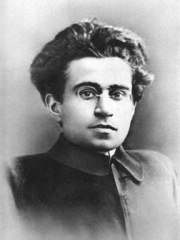
Antonio Gramsci
1891 - 1937
HPI: 80.94
Rank: 66
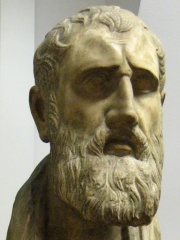
Zeno of Citium
334 BC - 263 BC
HPI: 80.94
Rank: 67
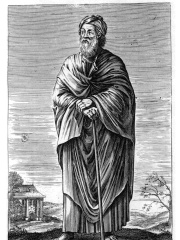
Xenophanes
570 BC - 475 BC
HPI: 80.90
Rank: 68
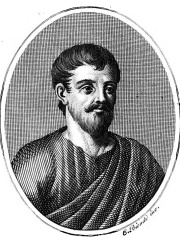
Gorgias
483 BC - 375 BC
HPI: 80.90
Rank: 69
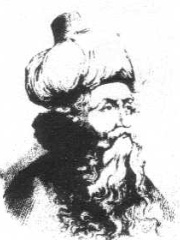
Ibn Arabi
1165 - 1240
HPI: 80.85
Rank: 70

Nagarjuna
150 - 250
HPI: 80.71
Rank: 71
Pliny the Elder
23 - 79
HPI: 80.68
Rank: 72
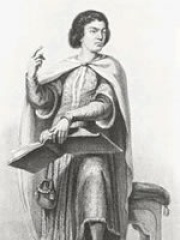
Peter Abelard
1079 - 1142
HPI: 80.63
Rank: 73
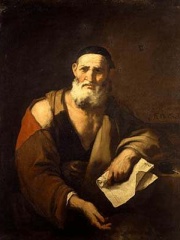
Leucippus
500 BC - 500 BC
HPI: 80.59
Rank: 74
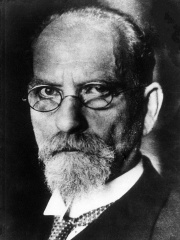
Edmund Husserl
1859 - 1938
HPI: 80.57
Rank: 75
Al-Kindi
801 - 866
HPI: 80.39
Rank: 76
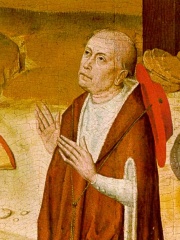
Nicholas of Cusa
1401 - 1464
HPI: 80.39
Rank: 77
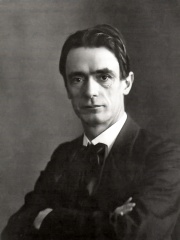
Rudolf Steiner
1861 - 1925
HPI: 80.38
Rank: 78

Contemporaries
Among people born in 23, Plinius der Ältere ranks 1. After him is Faustus Cornelius Sulla Felix. Among people deceased in 79, Plinius der Ältere ranks 3. Before him are Vespasian, and Pope Linus. After him are Drusilla, and Aulus Caecina Alienus.
Others Born in 23
Go to all RankingsPliny the Elder
PHILOSOPHER
23 - 79
HPI: 80.68
Rank: 1
Faustus Cornelius Sulla Felix
POLITICIAN
23 - 62
HPI: 59.31
Rank: 2
Others Deceased in 79
Go to all Rankings
Vespasian
POLITICIAN
9 - 79
HPI: 83.91
Rank: 1
Pope Linus
RELIGIOUS FIGURE
1 - 79
HPI: 83.03
Rank: 2
Pliny the Elder
PHILOSOPHER
23 - 79
HPI: 80.68
Rank: 3
Drusilla
POLITICIAN
38 - 79
HPI: 68.34
Rank: 4

Aulus Caecina Alienus
POLITICIAN
50 - 79
HPI: 59.44
Rank: 5
In Italien
Among people born in Italien, Plinius der Ältere ranks 167 out of NaN. Before him are Giuseppe Arcimboldo (1526), Numa Pompilius (-753), Cardinal Mazarin (1602), Antonio Gramsci (1891), Pope Eugene IV (1383), and Enzo Ferrari (1898). After him are Marcus Claudius Tacitus (200), Domenico Scarlatti (1685), Pope Benedict IX (1012), Agatha of Sicily (235), Nerva (30), and Pope Adrian I (700).
Others born in Italien
Go to all Rankings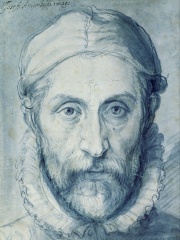
Giuseppe Arcimboldo
PAINTER
1526 - 1593
HPI: 80.96
Rank: 161
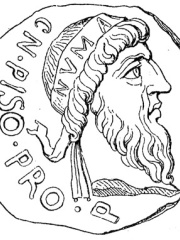
Numa Pompilius
POLITICIAN
753 BC - 673 BC
HPI: 80.95
Rank: 162
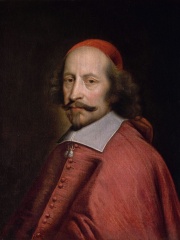
Cardinal Mazarin
POLITICIAN
1602 - 1661
HPI: 80.95
Rank: 163
Antonio Gramsci
PHILOSOPHER
1891 - 1937
HPI: 80.94
Rank: 164
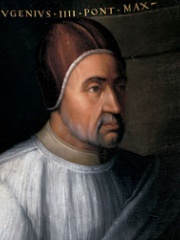
Pope Eugene IV
RELIGIOUS FIGURE
1383 - 1447
HPI: 80.91
Rank: 165
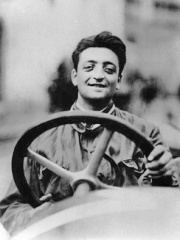
Enzo Ferrari
RACING DRIVER
1898 - 1988
HPI: 80.84
Rank: 166
Pliny the Elder
PHILOSOPHER
23 - 79
HPI: 80.68
Rank: 167
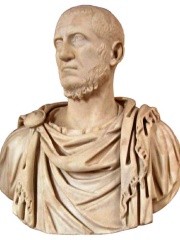
Marcus Claudius Tacitus
POLITICIAN
200 - 276
HPI: 80.67
Rank: 168
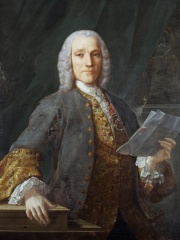
Domenico Scarlatti
COMPOSER
1685 - 1757
HPI: 80.67
Rank: 169
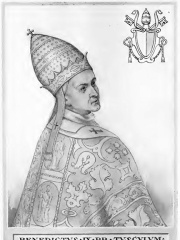
Pope Benedict IX
RELIGIOUS FIGURE
1012 - 1055
HPI: 80.65
Rank: 170
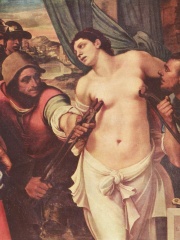
Agatha of Sicily
RELIGIOUS FIGURE
235 - 261
HPI: 80.62
Rank: 171
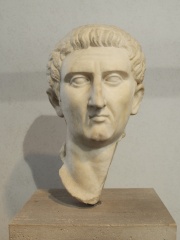
Nerva
POLITICIAN
30 - 98
HPI: 80.58
Rank: 172
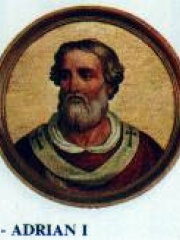
Pope Adrian I
RELIGIOUS FIGURE
700 - 795
HPI: 80.57
Rank: 173
Among Philosophs In Italien
Among philosophs born in Italien, Plinius der Ältere ranks 9. Before him are Maria Montessori (1870), Parmenides (-501), Lucretius (-94), Empedocles (-490), Zeno of Elea (-490), and Antonio Gramsci (1891). After him are Giovanni Pico della Mirandola (1463), Boethius (480), Bonaventure (1221), Marsilio Ficino (1433), Giambattista Vico (1668), and Tommaso Campanella (1568).
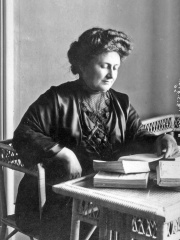
Maria Montessori
1870 - 1952
HPI: 84.59
Rank: 3
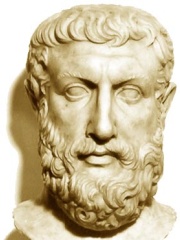
Parmenides
501 BC - 470 BC
HPI: 84.47
Rank: 4
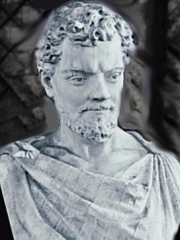
Lucretius
94 BC - 55 BC
HPI: 83.96
Rank: 5
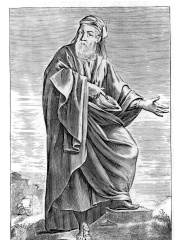
Empedocles
490 BC - 430 BC
HPI: 83.60
Rank: 6
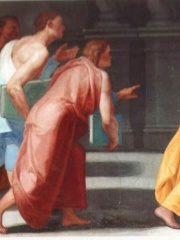
Zeno of Elea
490 BC - 425 BC
HPI: 81.64
Rank: 7
Antonio Gramsci
1891 - 1937
HPI: 80.94
Rank: 8
Pliny the Elder
23 - 79
HPI: 80.68
Rank: 9
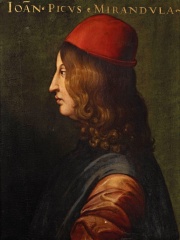
Giovanni Pico della Mirandola
1463 - 1494
HPI: 79.56
Rank: 10
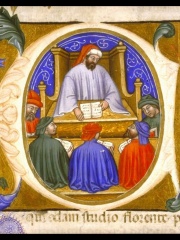
Boethius
480 - 525
HPI: 78.53
Rank: 11
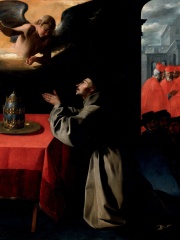
Bonaventure
1221 - 1274
HPI: 77.62
Rank: 12
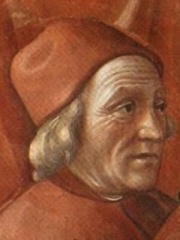
Marsilio Ficino
1433 - 1499
HPI: 77.16
Rank: 13
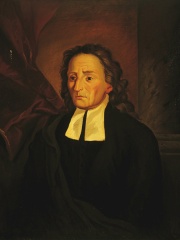
Giambattista Vico
1668 - 1744
HPI: 76.67
Rank: 14
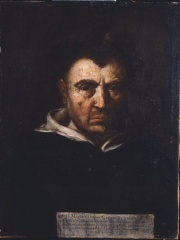
Tommaso Campanella
1568 - 1639
HPI: 76.67
Rank: 15




