哲学家
让·博丹
1530 - 1596
ZH.WIKIPEDIA PAGE VIEWS (PV)
 让·博丹
让·博丹Memorability Metrics
160k
Page Views
Past 12 months
78.77
HPI
Historical Popularity Index
Page views of 让·博丹 by language
Among 哲学家
Among 哲学家, 让·博丹 ranks 100 out of 1,267. Before him are Aristippus, George Berkeley, Pierre-Joseph Proudhon, Carl von Clausewitz, Jacques Derrida, and Walter Benjamin. After him are Al-Tabari, Friedrich Fröbel, Roger Bacon, Boethius, Muhammad ibn Abd al-Wahhab, and George Gurdjieff.
Most Popular 哲学家 in Wikipedia
Go to all Rankings
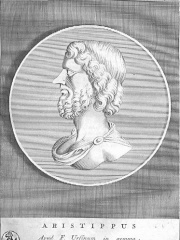
Aristippus
434 BC - 355 BC
HPI: 79.14
Rank: 94
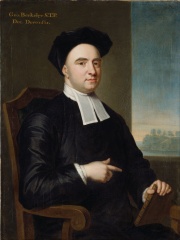
George Berkeley
1685 - 1753
HPI: 79.13
Rank: 95
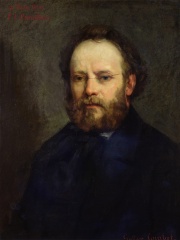
Pierre-Joseph Proudhon
1809 - 1865
HPI: 79.12
Rank: 96
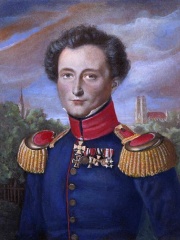
Carl von Clausewitz
1780 - 1831
HPI: 79.09
Rank: 97
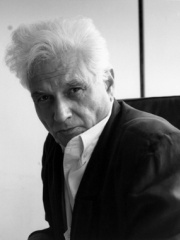
Jacques Derrida
1930 - 2004
HPI: 78.95
Rank: 98

Walter Benjamin
1892 - 1940
HPI: 78.79
Rank: 99
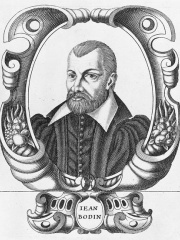
Jean Bodin
1530 - 1596
HPI: 78.77
Rank: 100

Al-Tabari
839 - 923
HPI: 78.71
Rank: 101
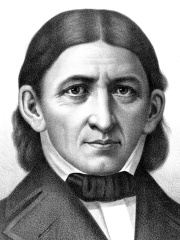
Friedrich Fröbel
1782 - 1852
HPI: 78.69
Rank: 102
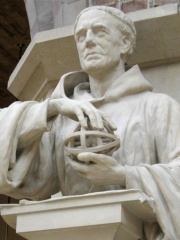
Roger Bacon
1220 - 1292
HPI: 78.55
Rank: 103

Boethius
480 - 525
HPI: 78.53
Rank: 104

Muhammad ibn Abd al-Wahhab
1703 - 1792
HPI: 78.47
Rank: 105
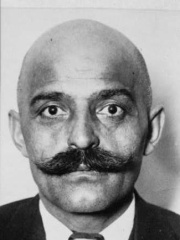
George Gurdjieff
1866 - 1949
HPI: 78.45
Rank: 106

Contemporaries
Among people born in 1530, 让·博丹 ranks 2. Before him is Ivan the Terrible. After him are Yasuke, Grace O'Malley, Étienne de La Boétie, Jean Nicot, Uesugi Kenshin, Louis, Prince of Condé, Johann Wilhelm, Duke of Saxe-Weimar, Anastasia Romanovna, Ruy López de Segura, and Jan Kochanowski. Among people deceased in 1596, 让·博丹 ranks 2. Before him is Francis Drake. After him are Anna Jagiellon, Koca Sinan Pasha, Blaise de Vigenère, Pellegrino Tibaldi, George I, Landgrave of Hesse-Darmstadt, Giaches de Wert, Hamnet Shakespeare, Pierre Pithou, and George Peele.
Others Born in 1530
Go to all Rankings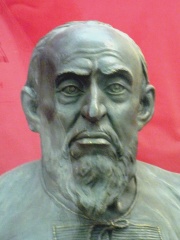
Ivan the Terrible
POLITICIAN
1530 - 1584
HPI: 84.95
Rank: 1
Jean Bodin
PHILOSOPHER
1530 - 1596
HPI: 78.77
Rank: 2

Yasuke
RELIGIOUS FIGURE
1530 - Present
HPI: 74.43
Rank: 3
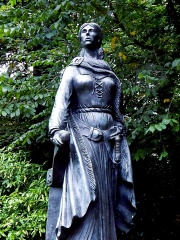
Grace O'Malley
PIRATE
1530 - 1603
HPI: 74.35
Rank: 4

Étienne de La Boétie
POLITICAL SCIENTIST
1530 - 1563
HPI: 73.59
Rank: 5
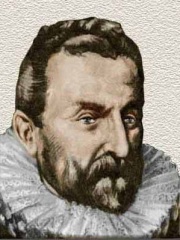
Jean Nicot
PHYSICIAN
1530 - 1605
HPI: 71.88
Rank: 6

Uesugi Kenshin
POLITICIAN
1530 - 1578
HPI: 71.27
Rank: 7
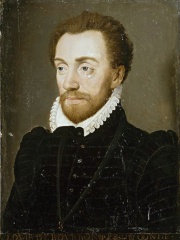
Louis, Prince of Condé
POLITICIAN
1530 - 1569
HPI: 70.56
Rank: 8
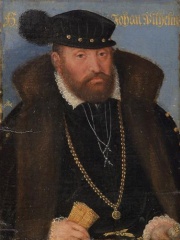
Johann Wilhelm, Duke of Saxe-Weimar
POLITICIAN
1530 - 1573
HPI: 69.97
Rank: 9
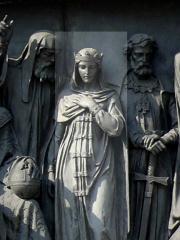
Anastasia Romanovna
POLITICIAN
1530 - 1560
HPI: 69.80
Rank: 10
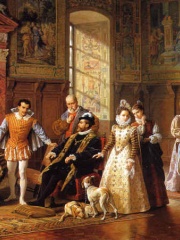
Ruy López de Segura
CHESS PLAYER
1530 - 1580
HPI: 68.85
Rank: 11
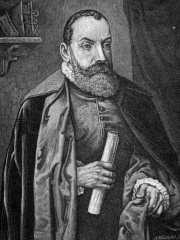
Jan Kochanowski
WRITER
1530 - 1584
HPI: 66.55
Rank: 12
Others Deceased in 1596
Go to all Rankings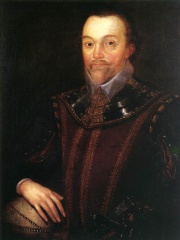
Francis Drake
EXPLORER
1540 - 1596
HPI: 81.71
Rank: 1
Jean Bodin
PHILOSOPHER
1530 - 1596
HPI: 78.77
Rank: 2
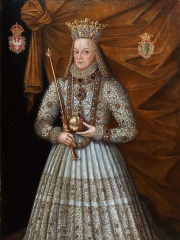
Anna Jagiellon
POLITICIAN
1523 - 1596
HPI: 73.00
Rank: 3
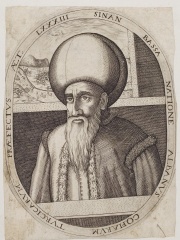
Koca Sinan Pasha
POLITICIAN
1520 - 1596
HPI: 68.01
Rank: 4
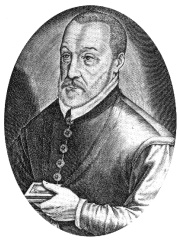
Blaise de Vigenère
WRITER
1523 - 1596
HPI: 66.43
Rank: 5
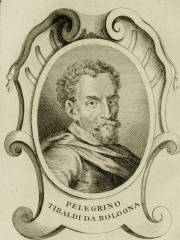
Pellegrino Tibaldi
PAINTER
1527 - 1596
HPI: 63.73
Rank: 6
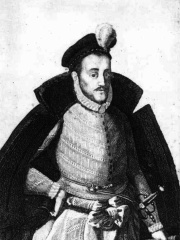
George I, Landgrave of Hesse-Darmstadt
POLITICIAN
1547 - 1596
HPI: 63.10
Rank: 7

Giaches de Wert
COMPOSER
1535 - 1596
HPI: 61.09
Rank: 8
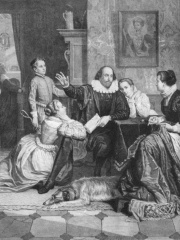
Hamnet Shakespeare
WRITER
1585 - 1596
HPI: 59.88
Rank: 9

Pierre Pithou
WRITER
1539 - 1596
HPI: 57.03
Rank: 10

George Peele
WRITER
1556 - 1596
HPI: 49.58
Rank: 11
In 法国
Among people born in 法国, 让·博丹 ranks 202 out of NaN. Before him are Pierre Bourdieu (1930), Gaspard-Gustave de Coriolis (1792), Henry II of England (1133), Alain Prost (1955), Théodore Géricault (1791), and Baldwin I, Latin Emperor (1172). After him are Stéphane Mallarmé (1842), Philip VI of France (1293), Charles Gounod (1818), Charles Maurice de Talleyrand-Périgord (1754), Zinedine Zidane (1972), and Jean-Marie Le Pen (1928).
Others born in 法国
Go to all Rankings
Pierre Bourdieu
SOCIOLOGIST
1930 - 2002
HPI: 78.90
Rank: 196
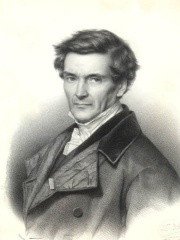
Gaspard-Gustave de Coriolis
PHYSICIST
1792 - 1843
HPI: 78.87
Rank: 197
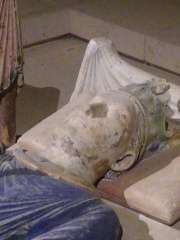
Henry II of England
POLITICIAN
1133 - 1189
HPI: 78.85
Rank: 198
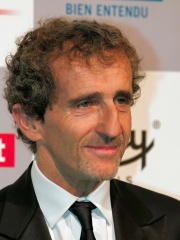
Alain Prost
RACING DRIVER
1955 - Present
HPI: 78.82
Rank: 199
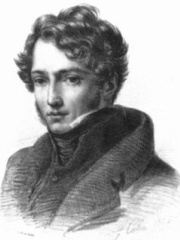
Théodore Géricault
PAINTER
1791 - 1824
HPI: 78.78
Rank: 200
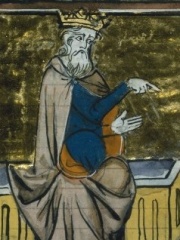
Baldwin I, Latin Emperor
POLITICIAN
1172 - 1205
HPI: 78.78
Rank: 201
Jean Bodin
PHILOSOPHER
1530 - 1596
HPI: 78.77
Rank: 202
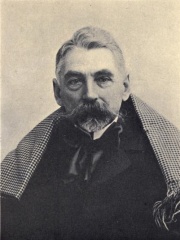
Stéphane Mallarmé
WRITER
1842 - 1898
HPI: 78.77
Rank: 203
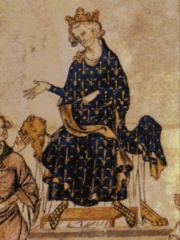
Philip VI of France
POLITICIAN
1293 - 1350
HPI: 78.72
Rank: 204
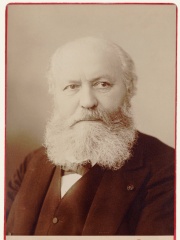
Charles Gounod
COMPOSER
1818 - 1893
HPI: 78.69
Rank: 205
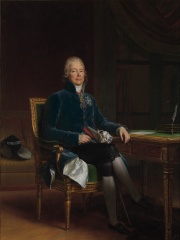
Charles Maurice de Talleyrand-Périgord
DIPLOMAT
1754 - 1838
HPI: 78.67
Rank: 206

Zinedine Zidane
SOCCER PLAYER
1972 - Present
HPI: 78.64
Rank: 207
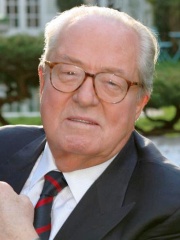
Jean-Marie Le Pen
POLITICIAN
1928 - 2025
HPI: 78.64
Rank: 208
Among 哲学家 In 法国
Among 哲学家 born in 法国, 让·博丹 ranks 10. Before him are Michel de Montaigne (1533), Michel Foucault (1926), Henri Bergson (1859), Peter Abelard (1079), Roland Barthes (1915), and Pierre-Joseph Proudhon (1809). After him are Gilles Deleuze (1925), Henri de Saint-Simon (1760), Simone Weil (1909), Charles Fourier (1772), Paul Ricœur (1913), and Marquis de Condorcet (1743).
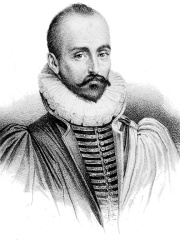
Michel de Montaigne
1533 - 1592
HPI: 83.66
Rank: 4
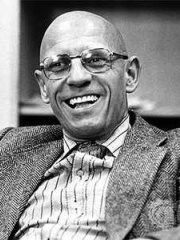
Michel Foucault
1926 - 1984
HPI: 82.59
Rank: 5
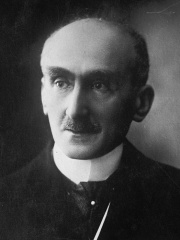
Henri Bergson
1859 - 1941
HPI: 82.22
Rank: 6
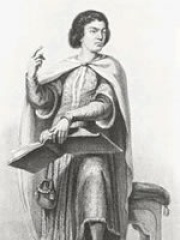
Peter Abelard
1079 - 1142
HPI: 80.63
Rank: 7
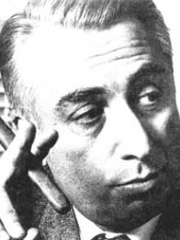
Roland Barthes
1915 - 1980
HPI: 80.26
Rank: 8
Pierre-Joseph Proudhon
1809 - 1865
HPI: 79.12
Rank: 9
Jean Bodin
1530 - 1596
HPI: 78.77
Rank: 10
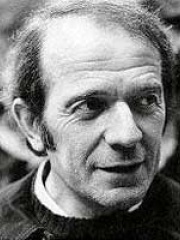
Gilles Deleuze
1925 - 1995
HPI: 78.10
Rank: 11
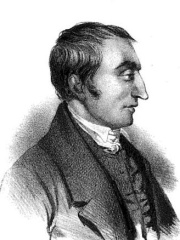
Henri de Saint-Simon
1760 - 1825
HPI: 77.38
Rank: 12
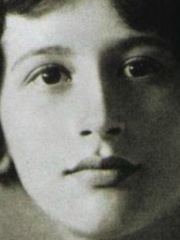
Simone Weil
1909 - 1943
HPI: 76.93
Rank: 13
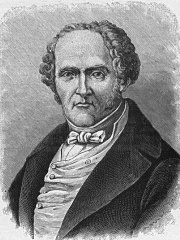
Charles Fourier
1772 - 1837
HPI: 76.65
Rank: 14
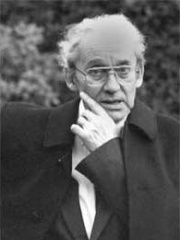
Paul Ricœur
1913 - 2005
HPI: 75.48
Rank: 15
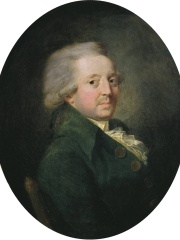
Marquis de Condorcet
1743 - 1794
HPI: 75.06
Rank: 16




