Philosophe
Paolo Sarpi
1552 - 1623
FR.WIKIPEDIA PAGE VIEWS (PV)
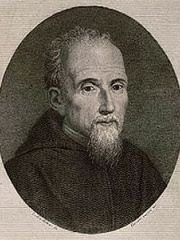
 Paolo Sarpi
Sa biographie est disponible en 17 langues sur Wikipédia (en hausse par rapport à 16 en 2024). Paolo Sarpi est le 734th philosophe le plus populaire (en hausse du 750th en 2024), la 2,139th biographie la plus populaire d'Italie (en hausse du 2,199th en 2019), ainsi que le 55th philosophe d'Italie le plus populaire.
Memorability Metrics
41k
Page Views
Past 12 months
62.75
HPI
Historical Popularity Index
Page views of Paolo Sarpi by language
Among Philosophes
Among philosophes, Paolo Sarpi ranks 734 out of 1,267. Before him are Wang Fuzhi, Julien Benda, Zalmoxis, John Argyropoulos, Jerry Fodor, and Wolfhart Pannenberg. After him are Ludwig Klages, F. C. S. Schiller, Ferdinand Christian Baur, Menedemus, Hermias, and Ahmad al-Tayyeb.
Most Popular Philosophes in Wikipedia
Go to all Rankings
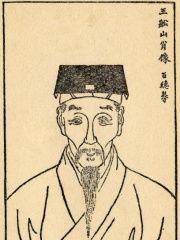
Wang Fuzhi
1619 - 1692
HPI: 62.86
Rank: 728

Julien Benda
1867 - 1956
HPI: 62.85
Rank: 729

Zalmoxis
713 BC - Present
HPI: 62.84
Rank: 730
John Argyropoulos
1415 - 1487
HPI: 62.83
Rank: 731
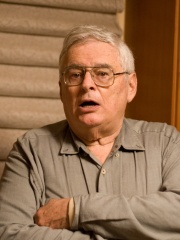
Jerry Fodor
1935 - 2017
HPI: 62.81
Rank: 732

Wolfhart Pannenberg
1928 - 2014
HPI: 62.75
Rank: 733
Paolo Sarpi
1552 - 1623
HPI: 62.75
Rank: 734

Ludwig Klages
1872 - 1956
HPI: 62.74
Rank: 735
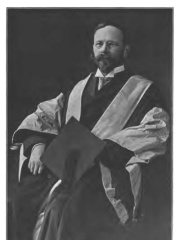
F. C. S. Schiller
1864 - 1937
HPI: 62.74
Rank: 736
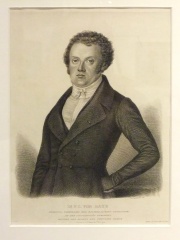
Ferdinand Christian Baur
1792 - 1860
HPI: 62.73
Rank: 737

Menedemus
340 BC - 265 BC
HPI: 62.70
Rank: 738

Hermias
401 - 450
HPI: 62.70
Rank: 739
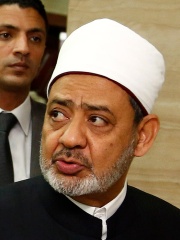
Ahmad al-Tayyeb
1946 - Present
HPI: 62.69
Rank: 740

Contemporaries
Among people born in 1552, Paolo Sarpi ranks 16. Before him are Edmund Spenser, Petrus Plancius, Agrippa d'Aubigné, Henri, Prince of Condé, Pietro Cataldi, and Dom Justo Takayama. After him are Anna of Cleves, Barbara Longhi, Marfa Sobakina, Richard Hakluyt, Alberico Gentili, and Edward Coke. Among people deceased in 1623, Paolo Sarpi ranks 12. Before him are William Byrd, Josaphat Kuntsevych, John VII, Count of Nassau-Siegen, Jan Joosten van Lodensteijn, Uesugi Kagekatsu, and Domenico Fetti. After him are Kara Davud Pasha, Francisco Sanches, Henri de La Tour d'Auvergne, Duke of Bouillon, Philippe de Mornay, Antonio Priuli, and William Camden.
Others Born in 1552
Go to all Rankings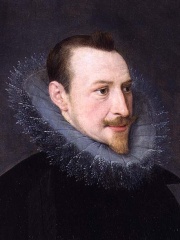
Edmund Spenser
WRITER
1552 - 1599
HPI: 67.90
Rank: 10
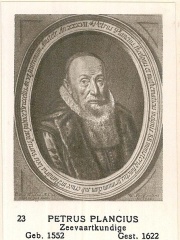
Petrus Plancius
ASTRONOMER
1552 - 1622
HPI: 67.62
Rank: 11
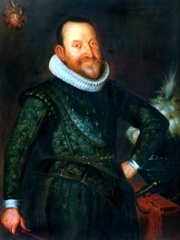
Agrippa d'Aubigné
WRITER
1552 - 1630
HPI: 66.54
Rank: 12
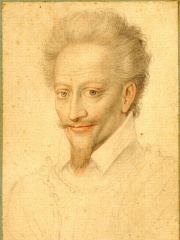
Henri, Prince of Condé
POLITICIAN
1552 - 1588
HPI: 65.59
Rank: 13

Pietro Cataldi
MATHEMATICIAN
1552 - 1626
HPI: 64.05
Rank: 14
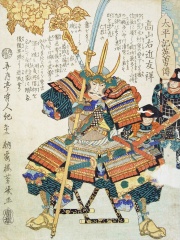
Dom Justo Takayama
RELIGIOUS FIGURE
1552 - 1615
HPI: 63.96
Rank: 15
Paolo Sarpi
PHILOSOPHER
1552 - 1623
HPI: 62.75
Rank: 16
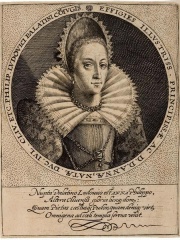
Anna of Cleves
NOBLEMAN
1552 - 1632
HPI: 62.47
Rank: 17
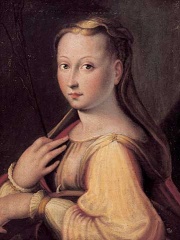
Barbara Longhi
PAINTER
1552 - 1638
HPI: 62.23
Rank: 18
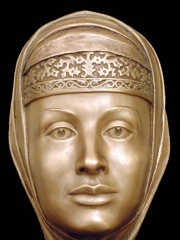
Marfa Sobakina
POLITICIAN
1552 - 1571
HPI: 61.53
Rank: 19
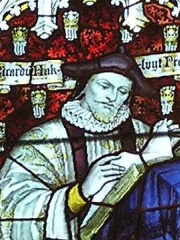
Richard Hakluyt
WRITER
1552 - 1616
HPI: 59.13
Rank: 20
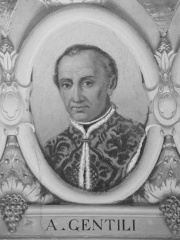
Alberico Gentili
LAWYER
1552 - 1608
HPI: 58.99
Rank: 21
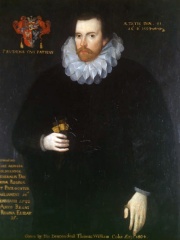
Edward Coke
JUDGE
1552 - 1634
HPI: 58.90
Rank: 22
Others Deceased in 1623
Go to all Rankings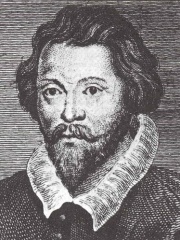
William Byrd
COMPOSER
1543 - 1623
HPI: 71.09
Rank: 6
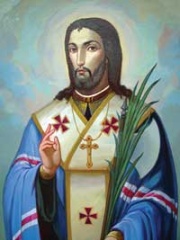
Josaphat Kuntsevych
RELIGIOUS FIGURE
1580 - 1623
HPI: 69.06
Rank: 7
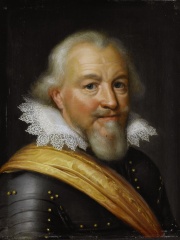
John VII, Count of Nassau-Siegen
POLITICIAN
1561 - 1623
HPI: 64.55
Rank: 8
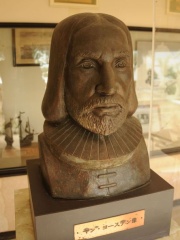
Jan Joosten van Lodensteijn
EXPLORER
1556 - 1623
HPI: 63.51
Rank: 9
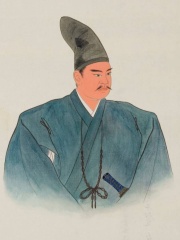
Uesugi Kagekatsu
POLITICIAN
1556 - 1623
HPI: 63.30
Rank: 10
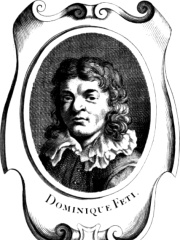
Domenico Fetti
PAINTER
1589 - 1623
HPI: 63.29
Rank: 11
Paolo Sarpi
PHILOSOPHER
1552 - 1623
HPI: 62.75
Rank: 12

Kara Davud Pasha
POLITICIAN
1570 - 1623
HPI: 62.29
Rank: 13
Francisco Sanches
PHILOSOPHER
1550 - 1623
HPI: 61.54
Rank: 14
Henri de La Tour d'Auvergne, Duke of Bouillon
NOBLEMAN
1555 - 1623
HPI: 61.47
Rank: 15

Philippe de Mornay
WRITER
1549 - 1623
HPI: 61.06
Rank: 16
Antonio Priuli
POLITICIAN
1548 - 1623
HPI: 59.50
Rank: 17
William Camden
POLITICIAN
1551 - 1623
HPI: 58.08
Rank: 18
In Italie
Among people born in Italie, Paolo Sarpi ranks 2,139 out of NaN. Before him are Hermocrates (-500), Moana Pozzi (1961), Tommaso Traetta (1727), Titus Lartius (-600), Caecilius Statius (-230), and Bramantino (1465). After him are Franco Interlenghi (1931), Cicero Minor (-65), Luigi Pulci (1432), Mia Martini (1947), Antipope Callixtus III (null), and Delio Onnis (1948).
Others born in Italie
Go to all Rankings
Hermocrates
MILITARY PERSONNEL
500 BC - 408 BC
HPI: 62.78
Rank: 2,133

Moana Pozzi
PORNOGRAPHIC ACTOR
1961 - 1994
HPI: 62.78
Rank: 2,134
Tommaso Traetta
COMPOSER
1727 - 1779
HPI: 62.77
Rank: 2,135

Titus Lartius
POLITICIAN
600 BC - 500 BC
HPI: 62.77
Rank: 2,136
Caecilius Statius
WRITER
230 BC - 168 BC
HPI: 62.76
Rank: 2,137
Bramantino
PAINTER
1465 - 1530
HPI: 62.75
Rank: 2,138
Paolo Sarpi
PHILOSOPHER
1552 - 1623
HPI: 62.75
Rank: 2,139

Franco Interlenghi
ACTOR
1931 - 2015
HPI: 62.74
Rank: 2,140

Cicero Minor
POLITICIAN
65 BC - Present
HPI: 62.74
Rank: 2,141
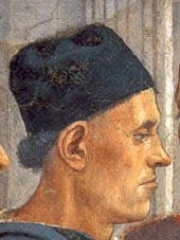
Luigi Pulci
WRITER
1432 - 1484
HPI: 62.74
Rank: 2,142
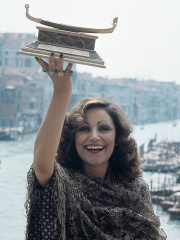
Mia Martini
SINGER
1947 - 1995
HPI: 62.74
Rank: 2,143
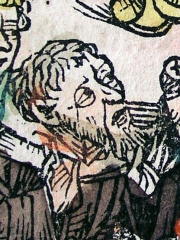
Antipope Callixtus III
RELIGIOUS FIGURE
HPI: 62.73
Rank: 2,144
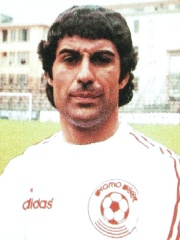
Delio Onnis
SOCCER PLAYER
1948 - Present
HPI: 62.73
Rank: 2,145
Among Philosophes In Italie
Among philosophes born in Italie, Paolo Sarpi ranks 55. Before him are Nicola Abbagnano (1901), Hippo (-500), Cristoforo Landino (1424), Pantaenus (200), Antonio Rosmini (1797), and Francesco Algarotti (1712). After him are Philip of Opus (-400), Luigi Guido Grandi (1671), Ludovico Antonio Muratori (1672), Vincenzo Gioberti (1801), Moshe Chaim Luzzatto (1707), and John Italus (1025).
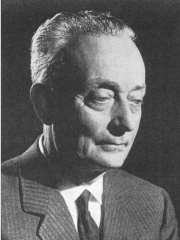
Nicola Abbagnano
1901 - 1990
HPI: 64.14
Rank: 49

Hippo
500 BC - 460 BC
HPI: 63.65
Rank: 50
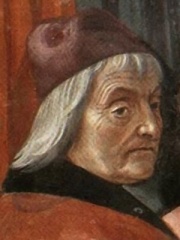
Cristoforo Landino
1424 - 1498
HPI: 63.51
Rank: 51
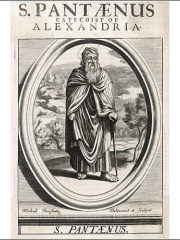
Pantaenus
200 - 216
HPI: 63.40
Rank: 52
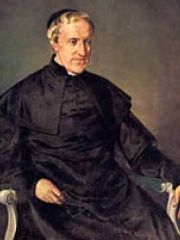
Antonio Rosmini
1797 - 1855
HPI: 63.35
Rank: 53
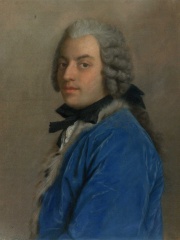
Francesco Algarotti
1712 - 1764
HPI: 63.07
Rank: 54
Paolo Sarpi
1552 - 1623
HPI: 62.75
Rank: 55

Philip of Opus
400 BC - 400 BC
HPI: 62.67
Rank: 56
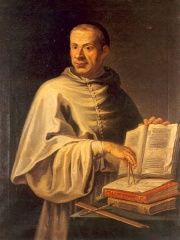
Luigi Guido Grandi
1671 - 1742
HPI: 62.33
Rank: 57
Ludovico Antonio Muratori
1672 - 1750
HPI: 61.88
Rank: 58
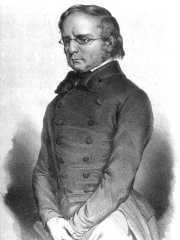
Vincenzo Gioberti
1801 - 1852
HPI: 61.74
Rank: 59
Moshe Chaim Luzzatto
1707 - 1746
HPI: 61.47
Rank: 60

John Italus
1025 - 1112
HPI: 61.45
Rank: 61




