Filósofo
Giles of Rome
1243 - 1316
VISUALIZAÇÕES EM PT.WIKIPEDIA (PV)
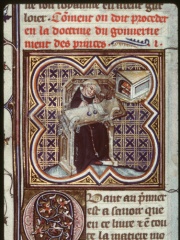
 Giles of Rome
Sua biografia está disponível em 22 idiomas na Wikipédia. Giles of Rome é o 522º filósofo mais popular (caiu do 436º em 2024), a 1525ª biografia mais popular da Itália (caiu do 1266ª em 2019) e o 39º filósofo mais popular da Itália.
Métricas de memorabilidade
17k
Visualizações
Últimos 12 meses
65.84
HPI
Índice de Popularidade Histórica
Destaques dos dados
#17,069
Mais de 7 séculos após a morte, Giles of Rome ainda ocupa a posição nº 17,069 entre todas as personalidades do Pantheon.
Visualizações da página de Giles of Rome por idioma
Entre Filósofo
Entre Filósofo, Giles of Rome ocupa a posição 522 de 1,267. Antes dele vêm Michel Serres, Gilbert Ryle, Vittorino da Feltre, Jean Améry, Karl Löwith, e Huiyuan. Depois dele vêm Madhvacharya, Ludwig Büchner, Anaxarchus, Sivananda Saraswati, Manuel Chrysoloras, e Charles Taylor.
Filósofo mais populares na Wikipédia
Ver todas as classificações

Michel Serres
1930 - 2019
HPI: 65.90
Posição: 516
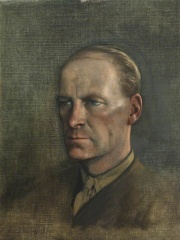
Gilbert Ryle
1900 - 1976
HPI: 65.89
Posição: 517

Vittorino da Feltre
1378 - 1446
HPI: 65.89
Posição: 518

Jean Améry
1912 - 1978
HPI: 65.87
Posição: 519

Karl Löwith
1897 - 1973
HPI: 65.87
Posição: 520

Huiyuan
334 - 416
HPI: 65.87
Posição: 521
Giles of Rome
1243 - 1316
HPI: 65.84
Posição: 522

Madhvacharya
1199 - 1278
HPI: 65.81
Posição: 523
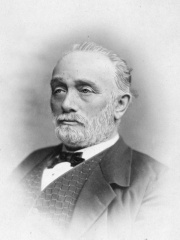
Ludwig Büchner
1824 - 1899
HPI: 65.80
Posição: 524
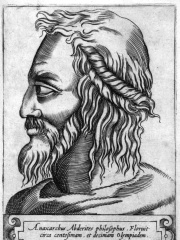
Anaxarchus
380 BC - 320 BC
HPI: 65.78
Posição: 525
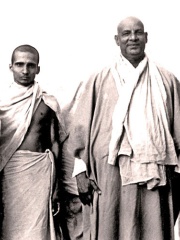
Sivananda Saraswati
1887 - 1963
HPI: 65.75
Posição: 526
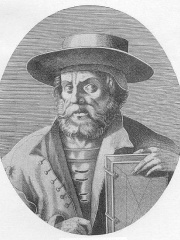
Manuel Chrysoloras
1355 - 1415
HPI: 65.74
Posição: 527
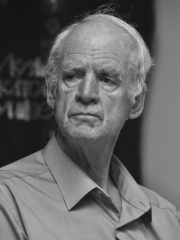
Charles Taylor
1931 - presente
HPI: 65.69
Posição: 528

Contemporâneos
Entre as pessoas nascidas em 1243, Giles of Rome ocupa a posição 6. Antes dele vêm Jacques de Molay, Zhenjin, James II of Majorca, Philip I, Latin Emperor, e Emperor Go-Fukakusa. Entre as pessoas falecidas em 1316, Giles of Rome ocupa a posição 8. Antes dele vêm Ramon Llull, John I of France, Alauddin Khalji, Öljaitü, Stefan Dragutin, e Vytenis. Depois dele vêm Guo Shoujing, Marjorie Bruce, Louis of Burgundy, e Malik Kafur.
Outras pessoas nascidas em 1243
Ver todas as classificações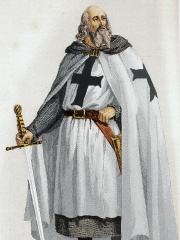
Jacques de Molay
RELIGIOUS FIGURE
1243 - 1314
HPI: 76.01
Posição: 1

Zhenjin
POLITICIAN
1243 - 1286
HPI: 70.18
Posição: 2

James II of Majorca
POLITICIAN
1243 - 1311
HPI: 68.27
Posição: 3
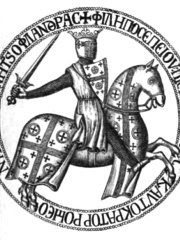
Philip I, Latin Emperor
POLITICIAN
1243 - 1283
HPI: 67.43
Posição: 4

Emperor Go-Fukakusa
POLITICIAN
1243 - 1304
HPI: 66.74
Posição: 5
Giles of Rome
PHILOSOPHER
1243 - 1316
HPI: 65.84
Posição: 6
Outras pessoas falecidas em 1316
Ver todas as classificações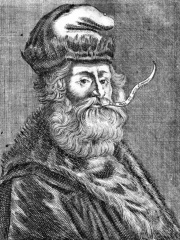
Ramon Llull
PHILOSOPHER
1232 - 1316
HPI: 77.38
Posição: 2
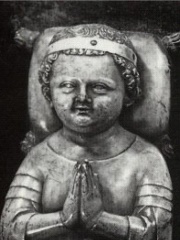
John I of France
POLITICIAN
1316 - 1316
HPI: 75.84
Posição: 3
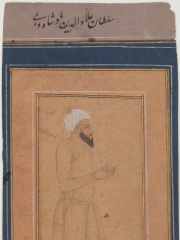
Alauddin Khalji
POLITICIAN
1266 - 1316
HPI: 74.36
Posição: 4
Öljaitü
POLITICIAN
1280 - 1316
HPI: 73.76
Posição: 5
Stefan Dragutin
POLITICIAN
1253 - 1316
HPI: 66.25
Posição: 6
Vytenis
POLITICIAN
1300 - 1316
HPI: 66.01
Posição: 7
Giles of Rome
PHILOSOPHER
1243 - 1316
HPI: 65.84
Posição: 8
Guo Shoujing
MATHEMATICIAN
1231 - 1316
HPI: 64.09
Posição: 9
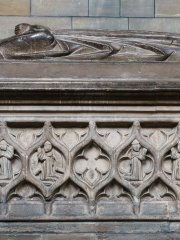
Marjorie Bruce
POLITICIAN
1297 - 1316
HPI: 59.58
Posição: 10
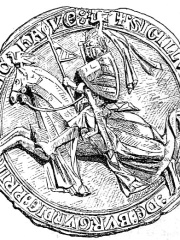
Louis of Burgundy
POLITICIAN
1297 - 1316
HPI: 58.75
Posição: 11
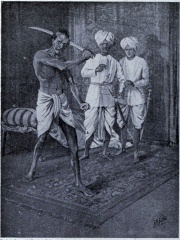
Malik Kafur
POLITICIAN
1250 - 1316
HPI: 57.46
Posição: 12
Em Itália
Entre as pessoas nascidas em Itália, Giles of Rome ocupa a posição 1,525 de 5,161. Antes dele vêm Francesco di Giorgio Martini (1439), Lucio Fulci (1927), Alesso Baldovinetti (1425), Bernardino Ramazzini (1633), Louis I of Naples (1320), e Pierbattista Pizzaballa (1965). Depois dele vêm Prince Louis, Count of Trani (1838), Princess Carolina of Parma (1770), Stefano di Giovanni (1392), Bruno Pontecorvo (1913), Marco Materazzi (1973), e Carlo Blasis (1797).
Outras pessoas nascidas em Itália
Ver todas as classificações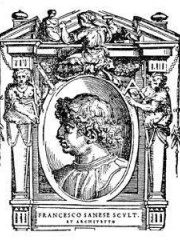
Francesco di Giorgio Martini
ARCHITECT
1439 - 1502
HPI: 65.88
Posição: 1,519

Lucio Fulci
FILM DIRECTOR
1927 - 1996
HPI: 65.88
Posição: 1,520
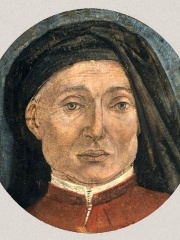
Alesso Baldovinetti
PAINTER
1425 - 1499
HPI: 65.86
Posição: 1,521
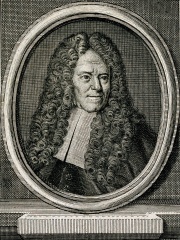
Bernardino Ramazzini
PHYSICIAN
1633 - 1714
HPI: 65.86
Posição: 1,522
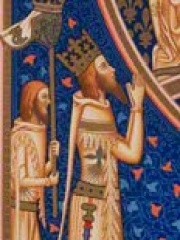
Louis I of Naples
POLITICIAN
1320 - 1362
HPI: 65.85
Posição: 1,523
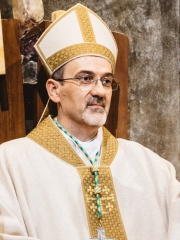
Pierbattista Pizzaballa
RELIGIOUS FIGURE
1965 - presente
HPI: 65.85
Posição: 1,524
Giles of Rome
PHILOSOPHER
1243 - 1316
HPI: 65.84
Posição: 1,525
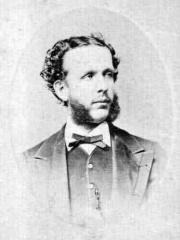
Prince Louis, Count of Trani
NOBLEMAN
1838 - 1886
HPI: 65.84
Posição: 1,526
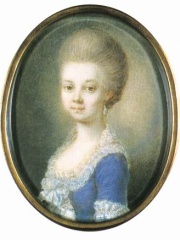
Princess Carolina of Parma
NOBLEMAN
1770 - 1804
HPI: 65.84
Posição: 1,527
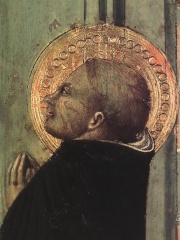
Stefano di Giovanni
PAINTER
1392 - 1450
HPI: 65.83
Posição: 1,528
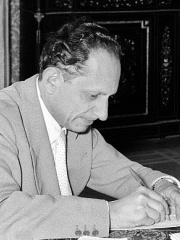
Bruno Pontecorvo
PHYSICIST
1913 - 1993
HPI: 65.83
Posição: 1,529

Marco Materazzi
SOCCER PLAYER
1973 - presente
HPI: 65.82
Posição: 1,530
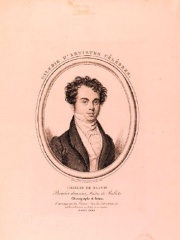
Carlo Blasis
DANCER
1797 - 1878
HPI: 65.81
Posição: 1,531
Entre Filósofo em Itália
Entre Filósofo nascidos em Itália, Giles of Rome ocupa a posição 39. Antes dele vêm Brunetto Latini (1220), Gaius Musonius Rufus (25), Giovanni Girolamo Saccheri (1667), Dicaearchus (-350), Norberto Bobbio (1909), e Vittorino da Feltre (1378). Depois dele vêm Gianni Vattimo (1936), Myia (-600), Cesare Ripa (1555), Bernardino Telesio (1509), Antonio Labriola (1843), e Gaetano Mosca (1858).
Brunetto Latini
1220 - 1294
HPI: 67.07
Posição: 33

Gaius Musonius Rufus
25 - 95
HPI: 66.81
Posição: 34

Giovanni Girolamo Saccheri
1667 - 1733
HPI: 66.77
Posição: 35

Dicaearchus
350 BC - 290 BC
HPI: 66.73
Posição: 36
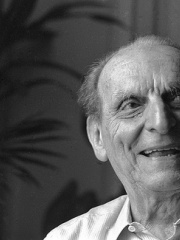
Norberto Bobbio
1909 - 2004
HPI: 66.46
Posição: 37
Vittorino da Feltre
1378 - 1446
HPI: 65.89
Posição: 38
Giles of Rome
1243 - 1316
HPI: 65.84
Posição: 39
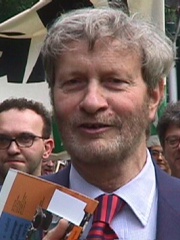
Gianni Vattimo
1936 - 2023
HPI: 65.61
Posição: 40

Myia
600 BC - 560 BC
HPI: 65.59
Posição: 41
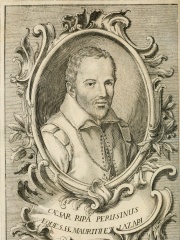
Cesare Ripa
1555 - 1622
HPI: 65.33
Posição: 42
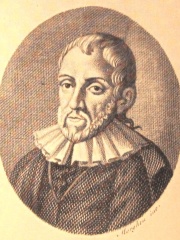
Bernardino Telesio
1509 - 1588
HPI: 65.19
Posição: 43
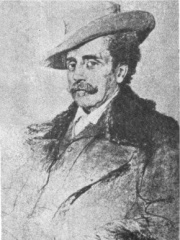
Antonio Labriola
1843 - 1904
HPI: 64.94
Posição: 44
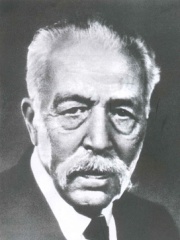
Gaetano Mosca
1858 - 1941
HPI: 64.85
Posição: 45




