Politiker
Malik Kafur
1250 - 1316
DE.WIKIPEDIA-SEITENAUFRUFE (PV)
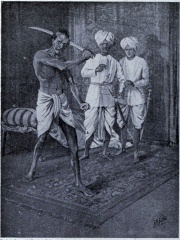
 Malik Kafur
Seine Biografie ist in 19 verschiedenen Sprachen auf Wikipedia verfügbar. Malik Kafur ist der 13,744th beliebteste Politiker (gesunken vom 11,052nd im Jahr 2024), die 570th beliebteste Biografie aus Indien (gesunken vom 404th im Jahr 2019) und der 175th beliebteste aus Indien Politiker.
Bekanntheitsmetriken
180k
Seitenaufrufe
Letzte 12 Monate
57.46
HPI
Historischer Popularitätsindex
Daten-Einblicke
19
Die Biografie von Malik Kafur umfasst 19 Sprachversionen der Wikipedia und erreicht einen Historischen Popularitätsindex von 57.46.
Seitenaufrufe von Malik Kafur nach Sprache
Unter Politiker
Unter Politiker belegt Malik Kafur Rang 13,738 von 20,022. Vor ihm stehen Friedrich Dickel, Ranulf II of Aquitaine, Antti Tulenheimo, Yoshihito, Prince Katsura, Gnaeus Domitius Calvinus, und José Figueroa Alcorta. Nach ihm folgen Abubakar Tafawa Balewa, Geoffrey Howe, Florence Arthaud, Martin Špegelj, Jorge Serrano Elías, und Danilo Astori.
Die beliebtesten Politiker auf Wikipedia
Zu allen Ranglisten
Friedrich Dickel
1913 - 1993
HPI: 57.46
Rang: 13,738

Ranulf II of Aquitaine
850 - 890
HPI: 57.46
Rang: 13,739
Antti Tulenheimo
1879 - 1952
HPI: 57.46
Rang: 13,740
Yoshihito, Prince Katsura
1948 - 2014
HPI: 57.46
Rang: 13,741
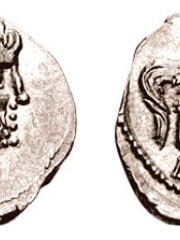
Gnaeus Domitius Calvinus
100 BC - 60 BC
HPI: 57.46
Rang: 13,742
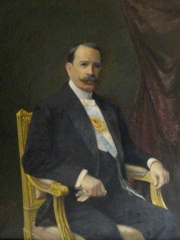
José Figueroa Alcorta
1860 - 1931
HPI: 57.46
Rang: 13,743
Malik Kafur
1250 - 1316
HPI: 57.46
Rang: 13,744
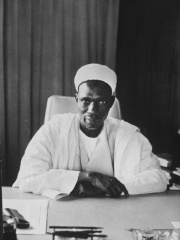
Abubakar Tafawa Balewa
1912 - 1966
HPI: 57.45
Rang: 13,745
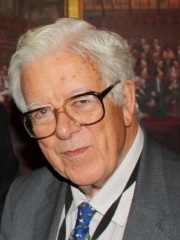
Geoffrey Howe
1926 - 2015
HPI: 57.45
Rang: 13,746
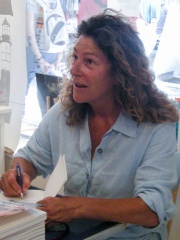
Florence Arthaud
1957 - 2015
HPI: 57.45
Rang: 13,747
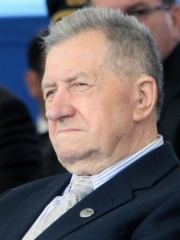
Martin Špegelj
1927 - 2014
HPI: 57.45
Rang: 13,748
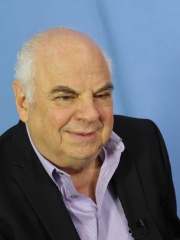
Jorge Serrano Elías
1945 - heute
HPI: 57.45
Rang: 13,749
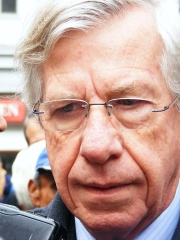
Danilo Astori
1940 - 2023
HPI: 57.45
Rang: 13,750

Zeitgenossen
Unter den im Jahr 1250 Geborenen belegt Malik Kafur Rang 38. Vor ihm stehen Rebecca Guarna, Margaret of Burgundy, Queen of Sicily, Albert III, Margrave of Brandenburg-Salzwedel, Theodoric of Freiberg, Reniero Zeno, und Ibn Bibi. Unter den im Jahr 1316 Verstorbenen belegt Malik Kafur Rang 12. Vor ihm stehen Stefan Dragutin, Vytenis, Giles of Rome, Guo Shoujing, Marjorie Bruce, und Louis of Burgundy.
Weitere im Jahr 1250 Geborene
Zu allen Ranglisten
Rebecca Guarna
PHYSICIAN
1250 - heute
HPI: 59.75
Rang: 32
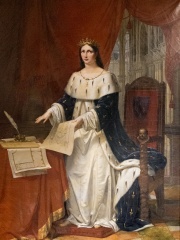
Margaret of Burgundy, Queen of Sicily
POLITICIAN
1250 - 1308
HPI: 59.73
Rang: 33
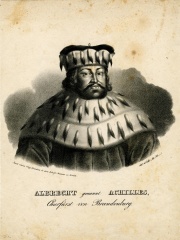
Albert III, Margrave of Brandenburg-Salzwedel
NOBLEMAN
1250 - 1300
HPI: 59.61
Rang: 34

Theodoric of Freiberg
PHILOSOPHER
1250 - 1310
HPI: 59.23
Rang: 35
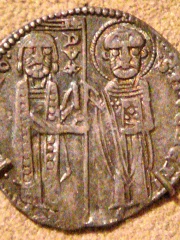
Reniero Zeno
POLITICIAN
1250 - 1268
HPI: 58.77
Rang: 36

Ibn Bibi
WRITER
1250 - 1285
HPI: 57.97
Rang: 37
Malik Kafur
POLITICIAN
1250 - 1316
HPI: 57.46
Rang: 38
Weitere im Jahr 1316 Verstorbene
Zu allen Ranglisten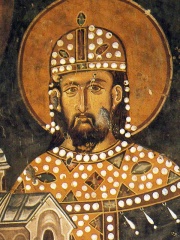
Stefan Dragutin
POLITICIAN
1253 - 1316
HPI: 66.25
Rang: 6
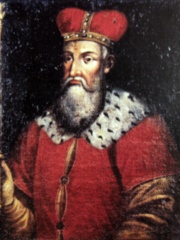
Vytenis
POLITICIAN
1300 - 1316
HPI: 66.01
Rang: 7
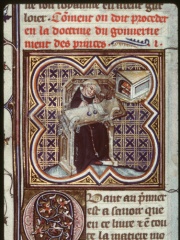
Giles of Rome
PHILOSOPHER
1243 - 1316
HPI: 65.84
Rang: 8
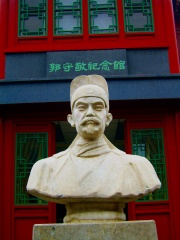
Guo Shoujing
MATHEMATICIAN
1231 - 1316
HPI: 64.09
Rang: 9
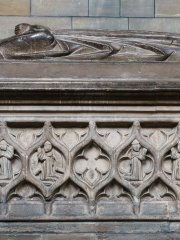
Marjorie Bruce
POLITICIAN
1297 - 1316
HPI: 59.58
Rang: 10
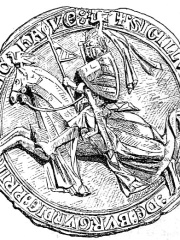
Louis of Burgundy
POLITICIAN
1297 - 1316
HPI: 58.75
Rang: 11
Malik Kafur
POLITICIAN
1250 - 1316
HPI: 57.46
Rang: 12
In Indien
Unter den in Indien Geborenen belegt Malik Kafur Rang 570 von 2,312. Vor ihm stehen M. F. Husain (1915), Bhikaiji Cama (1861), Yellapragada Subbarow (1895), Hemu (1501), William Birdwood (1865), und Sidharth Malhotra (1985). Nach ihm folgen Arjun Appadurai (1949), B. V. Doshi (1927), Manorama (1937), Zinat-un-Nissa Begum (1643), Ratna Pathak (1957), und Vaikom Muhammad Basheer (1908).
Weitere in Indien geborene Personen
Zu allen Ranglisten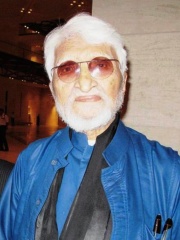
M. F. Husain
PAINTER
1915 - 2011
HPI: 57.56
Rang: 564
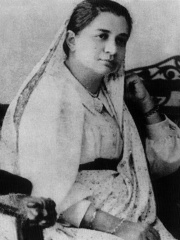
Bhikaiji Cama
SOCIAL ACTIVIST
1861 - 1936
HPI: 57.54
Rang: 565
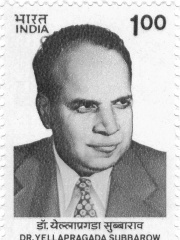
Yellapragada Subbarow
CHEMIST
1895 - 1948
HPI: 57.53
Rang: 566
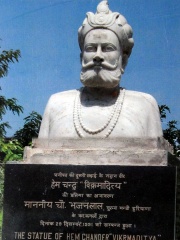
Hemu
POLITICIAN
1501 - 1556
HPI: 57.52
Rang: 567
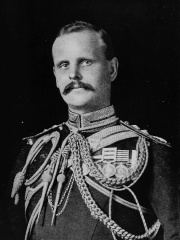
William Birdwood
MILITARY PERSONNEL
1865 - 1951
HPI: 57.52
Rang: 568
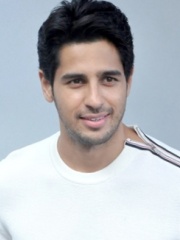
Sidharth Malhotra
ACTOR
1985 - heute
HPI: 57.48
Rang: 569
Malik Kafur
POLITICIAN
1250 - 1316
HPI: 57.46
Rang: 570
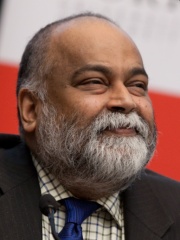
Arjun Appadurai
ANTHROPOLOGIST
1949 - heute
HPI: 57.45
Rang: 571
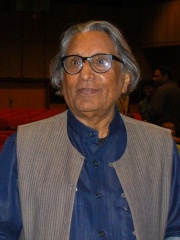
B. V. Doshi
ARCHITECT
1927 - 2023
HPI: 57.44
Rang: 572
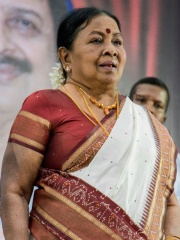
Manorama
ACTOR
1937 - 2015
HPI: 57.44
Rang: 573
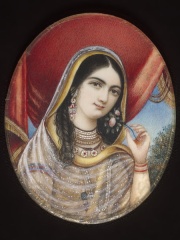
Zinat-un-Nissa Begum
NOBLEMAN
1643 - 1721
HPI: 57.40
Rang: 574
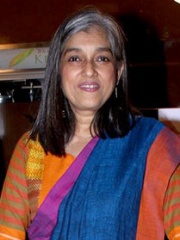
Ratna Pathak
ACTOR
1957 - heute
HPI: 57.38
Rang: 575
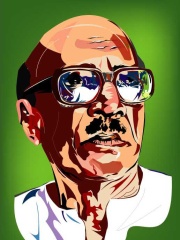
Vaikom Muhammad Basheer
WRITER
1908 - 1994
HPI: 57.37
Rang: 576
Unter Politiker in Indien
Unter den in Indien geborenen Politiker belegt Malik Kafur Rang 175. Vor ihm stehen M. S. Swaminathan (1925), Prince Vijaya (-543), Vichitravirya (null), Lobsang Sangay (1968), Jagjivan Ram (1908), und Hemu (1501). Nach ihm folgen Bal Thackeray (1926), Nitish Kumar (1951), Sukhdev Thapar (1907), Amarinder Singh (1942), Harihara I (1336), und Palden Thondup Namgyal (1923).
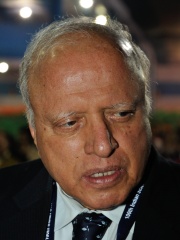
M. S. Swaminathan
1925 - 2023
HPI: 58.12
Rang: 169
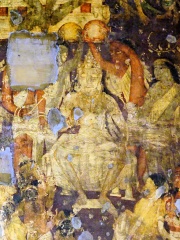
Prince Vijaya
543 BC - 504 BC
HPI: 58.08
Rang: 170

Vichitravirya
HPI: 58.05
Rang: 171

Lobsang Sangay
1968 - heute
HPI: 57.97
Rang: 172
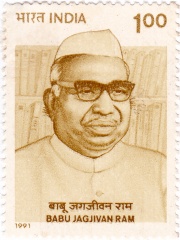
Jagjivan Ram
1908 - 1986
HPI: 57.85
Rang: 173
Hemu
1501 - 1556
HPI: 57.52
Rang: 174
Malik Kafur
1250 - 1316
HPI: 57.46
Rang: 175
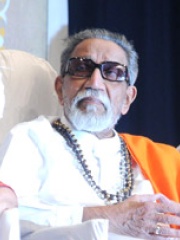
Bal Thackeray
1926 - 2012
HPI: 57.26
Rang: 176
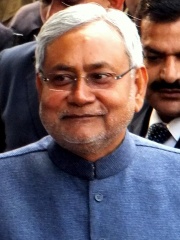
Nitish Kumar
1951 - heute
HPI: 57.14
Rang: 177
Sukhdev Thapar
1907 - 1931
HPI: 57.01
Rang: 178
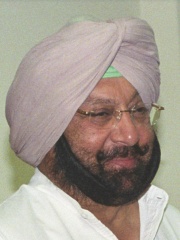
Amarinder Singh
1942 - heute
HPI: 56.88
Rang: 179
Harihara I
1336 - 1356
HPI: 56.87
Rang: 180
Palden Thondup Namgyal
1923 - 1982
HPI: 56.85
Rang: 181




