Filósofo
Dicaearchus
350 BC - 290 BC
VISUALIZAÇÕES EM PT.WIKIPEDIA (PV)

 Dicaearchus
Sua biografia está disponível em 28 idiomas na Wikipédia (aumento em relação a 27 em 2024). Dicaearchus é o 486º filósofo mais popular (subiu do 501º em 2024), a 1384ª biografia mais popular da Itália (subiu do 1443ª em 2019) e o 36º filósofo mais popular da Itália.
Métricas de memorabilidade
24k
Visualizações
Últimos 12 meses
66.73
HPI
Índice de Popularidade Histórica
Destaques dos dados
#14,963
Mais de 23 séculos após a morte, Dicaearchus ainda ocupa a posição nº 14,963 entre todas as personalidades do Pantheon.
Visualizações da página de Dicaearchus por idioma
Entre Filósofo
Entre Filósofo, Dicaearchus ocupa a posição 486 de 1,267. Antes dele vêm Giovanni Girolamo Saccheri, Michel de Certeau, Ernest Gellner, Leo Strauss, Pierre Duhem, e Ronald Dworkin. Depois dele vêm John Gray, Zengzi, Ernst Troeltsch, Yi I, Zhang Daoling, e Priscian.
Filósofo mais populares na Wikipédia
Ver todas as classificações

Giovanni Girolamo Saccheri
1667 - 1733
HPI: 66.77
Posição: 480

Michel de Certeau
1925 - 1986
HPI: 66.75
Posição: 481
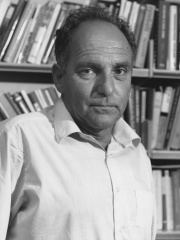
Ernest Gellner
1925 - 1995
HPI: 66.75
Posição: 482
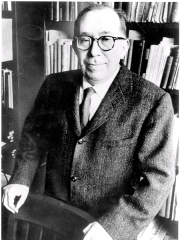
Leo Strauss
1899 - 1973
HPI: 66.74
Posição: 483
Pierre Duhem
1861 - 1916
HPI: 66.74
Posição: 484
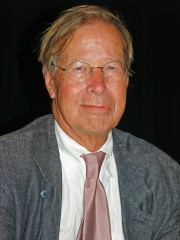
Ronald Dworkin
1931 - 2013
HPI: 66.73
Posição: 485
Dicaearchus
350 BC - 290 BC
HPI: 66.73
Posição: 486
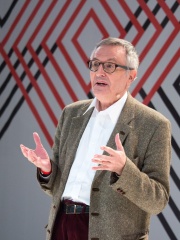
John Gray
1948 - presente
HPI: 66.69
Posição: 487

Zengzi
504 BC - 435 BC
HPI: 66.68
Posição: 488
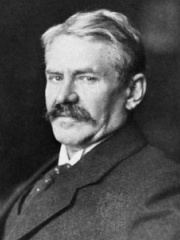
Ernst Troeltsch
1865 - 1923
HPI: 66.67
Posição: 489

Yi I
1536 - 1584
HPI: 66.67
Posição: 490

Zhang Daoling
34 - 156
HPI: 66.64
Posição: 491
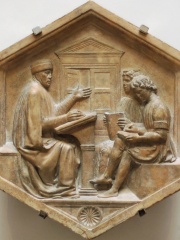
Priscian
500 - 600
HPI: 66.63
Posição: 492

Contemporâneos
Entre as pessoas nascidas em 350 BC, Dicaearchus ocupa a posição 9. Antes dele vêm Demetrius of Phalerum, Hipparchia of Maroneia, Megasthenes, Perdiccas III of Macedon, Timaeus, e Parysatis II. Depois dele vêm Alexander II of Macedon, Bagoas, Agis III, Archidamus III, Archestratus, e Artakama. Entre as pessoas falecidas em 290 BC, Dicaearchus ocupa a posição 3. Antes dele vêm Autolycus of Pitane, e Megasthenes. Depois dele vêm Onesicritus, e Neoptolemus II of Epirus.
Outras pessoas nascidas em 350 BC
Ver todas as classificações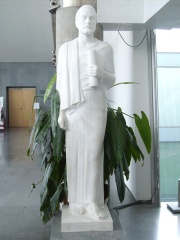
Demetrius of Phalerum
PUBLIC WORKER
350 BC - 282 BC
HPI: 72.94
Posição: 3

Hipparchia of Maroneia
PHILOSOPHER
350 BC - 300 BC
HPI: 70.13
Posição: 4

Megasthenes
DIPLOMAT
350 BC - 290 BC
HPI: 67.85
Posição: 5
Perdiccas III of Macedon
POLITICIAN
350 BC - 359 BC
HPI: 67.70
Posição: 6
Timaeus
HISTORIAN
350 BC - 260 BC
HPI: 67.68
Posição: 7
Parysatis II
COMPANION
350 BC - 323 BC
HPI: 67.33
Posição: 8
Dicaearchus
PHILOSOPHER
350 BC - 290 BC
HPI: 66.73
Posição: 9
Alexander II of Macedon
POLITICIAN
350 BC - 368 BC
HPI: 66.57
Posição: 10

Bagoas
POLITICIAN
350 BC - 336 BC
HPI: 66.37
Posição: 11

Agis III
POLITICIAN
350 BC - 331 BC
HPI: 65.51
Posição: 12
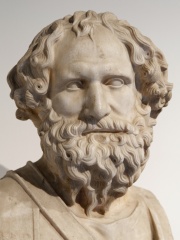
Archidamus III
POLITICIAN
350 BC - 338 BC
HPI: 63.71
Posição: 13

Archestratus
WRITER
350 BC - 330 BC
HPI: 63.51
Posição: 14

Artakama
COMPANION
350 BC - 400 BC
HPI: 63.45
Posição: 15
Outras pessoas falecidas em 290 BC
Ver todas as classificações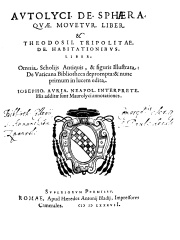
Autolycus of Pitane
MATHEMATICIAN
360 BC - 290 BC
HPI: 68.73
Posição: 1
Megasthenes
DIPLOMAT
350 BC - 290 BC
HPI: 67.85
Posição: 2
Dicaearchus
PHILOSOPHER
350 BC - 290 BC
HPI: 66.73
Posição: 3
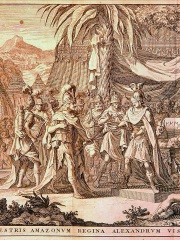
Onesicritus
PHILOSOPHER
360 BC - 290 BC
HPI: 63.05
Posição: 4

Neoptolemus II of Epirus
MILITARY PERSONNEL
331 BC - 290 BC
HPI: 58.72
Posição: 5
Em Itália
Entre as pessoas nascidas em Itália, Dicaearchus ocupa a posição 1,384 de 5,161. Antes dele vêm Anna d'Este (1531), Marcantonio Raimondi (1480), Mathilde Bonaparte (1820), Mirella Freni (1935), Julia (-190), e Andrea Cesalpino (1519). Depois dele vêm Carlo Maria Viganò (1941), Liliana Cavani (1933), Cristofano Allori (1577), Felice Beato (1832), Andrea della Robbia (1435), e Jacopo de' Barbari (1460).
Outras pessoas nascidas em Itália
Ver todas as classificações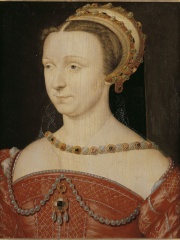
Anna d'Este
NOBLEMAN
1531 - 1607
HPI: 66.75
Posição: 1,378
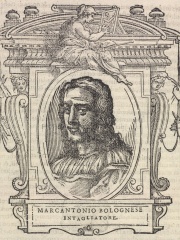
Marcantonio Raimondi
PAINTER
1480 - 1534
HPI: 66.75
Posição: 1,379
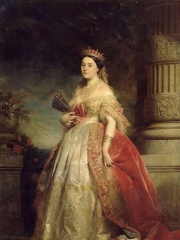
Mathilde Bonaparte
NOBLEMAN
1820 - 1904
HPI: 66.74
Posição: 1,380
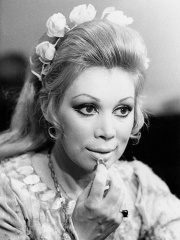
Mirella Freni
SINGER
1935 - 2020
HPI: 66.74
Posição: 1,381
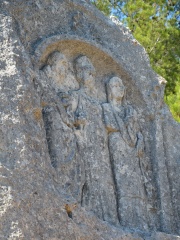
Julia
POLITICIAN
190 BC - 69 BC
HPI: 66.74
Posição: 1,382
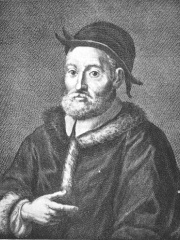
Andrea Cesalpino
PHYSICIAN
1519 - 1603
HPI: 66.74
Posição: 1,383
Dicaearchus
PHILOSOPHER
350 BC - 290 BC
HPI: 66.73
Posição: 1,384
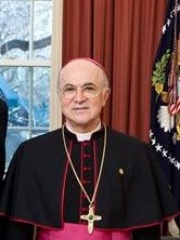
Carlo Maria Viganò
RELIGIOUS FIGURE
1941 - presente
HPI: 66.73
Posição: 1,385
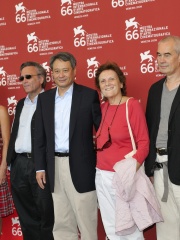
Liliana Cavani
FILM DIRECTOR
1933 - presente
HPI: 66.71
Posição: 1,386
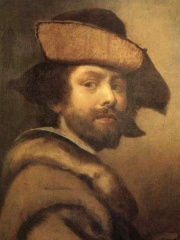
Cristofano Allori
PAINTER
1577 - 1621
HPI: 66.70
Posição: 1,387
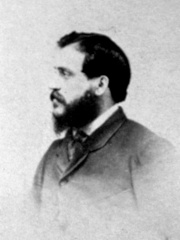
Felice Beato
PHOTOGRAPHER
1832 - 1909
HPI: 66.69
Posição: 1,388
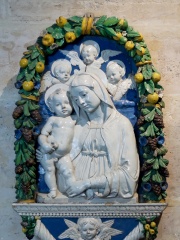
Andrea della Robbia
SCULPTOR
1435 - 1525
HPI: 66.69
Posição: 1,389
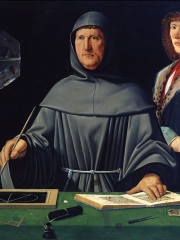
Jacopo de' Barbari
PAINTER
1460 - 1516
HPI: 66.69
Posição: 1,390
Entre Filósofo em Itália
Entre Filósofo nascidos em Itália, Dicaearchus ocupa a posição 36. Antes dele vêm Bartolus de Saxoferrato (1313), Thomas Cajetan (1469), Lucilio Vanini (1585), Brunetto Latini (1220), Gaius Musonius Rufus (25), e Giovanni Girolamo Saccheri (1667). Depois dele vêm Norberto Bobbio (1909), Vittorino da Feltre (1378), Giles of Rome (1243), Gianni Vattimo (1936), Myia (-600), e Cesare Ripa (1555).
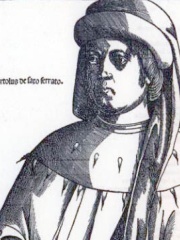
Bartolus de Saxoferrato
1313 - 1357
HPI: 68.37
Posição: 30
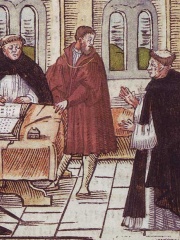
Thomas Cajetan
1469 - 1534
HPI: 67.47
Posição: 31
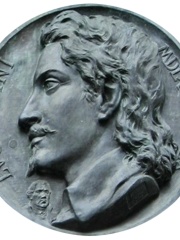
Lucilio Vanini
1585 - 1619
HPI: 67.26
Posição: 32
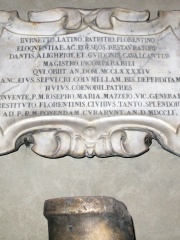
Brunetto Latini
1220 - 1294
HPI: 67.07
Posição: 33

Gaius Musonius Rufus
25 - 95
HPI: 66.81
Posição: 34
Giovanni Girolamo Saccheri
1667 - 1733
HPI: 66.77
Posição: 35
Dicaearchus
350 BC - 290 BC
HPI: 66.73
Posição: 36
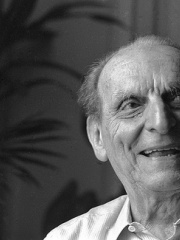
Norberto Bobbio
1909 - 2004
HPI: 66.46
Posição: 37

Vittorino da Feltre
1378 - 1446
HPI: 65.89
Posição: 38
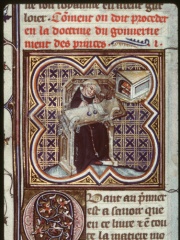
Giles of Rome
1243 - 1316
HPI: 65.84
Posição: 39
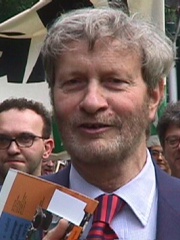
Gianni Vattimo
1936 - 2023
HPI: 65.61
Posição: 40

Myia
600 BC - 560 BC
HPI: 65.59
Posição: 41
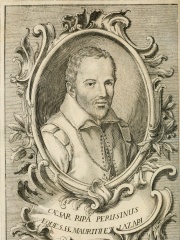
Cesare Ripa
1555 - 1622
HPI: 65.33
Posição: 42




