Filósofo
Henry of Ghent
1217 - 1293
PT.WIKIPEDIA PAGE VIEWS (PV)

 Henry of Ghent
Sua biografia está disponível em 21 idiomas na Wikipédia. Henry of Ghent é o 796º filósofo mais popular (caiu do 760º em 2024), a 338ª biografia mais popular da Bélgica (caiu do 314ª em 2019) e o 6º filósofo mais popular da Bélgica.
Memorability Metrics
11k
Page Views
Past 12 months
61.97
HPI
Historical Popularity Index
Page views of Henry of Ghent by language
Among Filósofos
Among filósofos, Henry of Ghent ranks 796 out of 1,267. Before him are Domingo de Soto, Eric Hoffer, Motoori Norinaga, Gilbert Simondon, Mykhailo Drahomanov, and Philippa Foot. After him are Nikolai Amosov, Jean-Luc Marion, Yun Hyu, Melchor Cano, Lie Yukou, and Narayana Guru.
Most Popular Filósofos in Wikipedia
Go to all Rankings
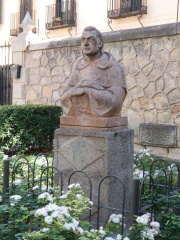
Domingo de Soto
1494 - 1560
HPI: 62.04
Rank: 790

Eric Hoffer
1898 - 1983
HPI: 62.04
Rank: 791

Motoori Norinaga
1730 - 1801
HPI: 62.03
Rank: 792
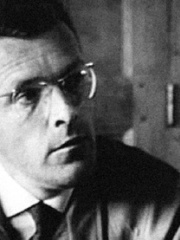
Gilbert Simondon
1924 - 1989
HPI: 62.03
Rank: 793
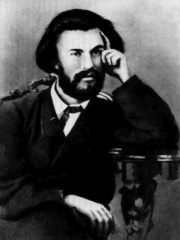
Mykhailo Drahomanov
1841 - 1895
HPI: 62.01
Rank: 794
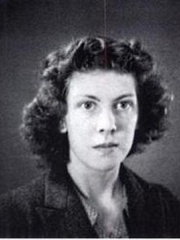
Philippa Foot
1920 - 2010
HPI: 61.97
Rank: 795
Henry of Ghent
1217 - 1293
HPI: 61.97
Rank: 796
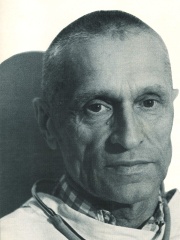
Nikolai Amosov
1913 - 2002
HPI: 61.96
Rank: 797
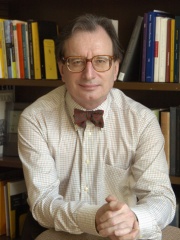
Jean-Luc Marion
1946 - Present
HPI: 61.96
Rank: 798
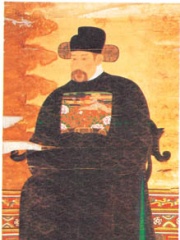
Yun Hyu
1617 - 1680
HPI: 61.95
Rank: 799
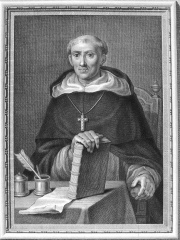
Melchor Cano
1509 - 1560
HPI: 61.94
Rank: 800
Lie Yukou
449 BC - 500 BC
HPI: 61.94
Rank: 801
Narayana Guru
1855 - 1928
HPI: 61.88
Rank: 802

Contemporaries
Among people born in 1217, Henry of Ghent ranks 7. Before him are Hulagu Khan, Baldwin II, Latin Emperor, Henry V, Count of Luxembourg, George Akropolites, Henry I of Cyprus, and John I, Duke of Brittany. After him is Bolesław II the Horned. Among people deceased in 1293, Henry of Ghent ranks 4. Before him are William of Rubruck, Al-Ashraf Khalil, and David VI of Georgia. After him are Vakhtang II of Georgia, and Obizzo II d'Este, Marquis of Ferrara.
Others Born in 1217
Go to all Rankings
Hulagu Khan
POLITICIAN
1217 - 1265
HPI: 84.69
Rank: 1
Baldwin II, Latin Emperor
POLITICIAN
1217 - 1273
HPI: 74.80
Rank: 2
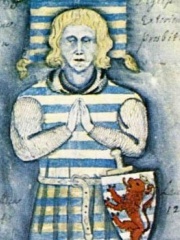
Henry V, Count of Luxembourg
POLITICIAN
1217 - 1281
HPI: 70.65
Rank: 3

George Akropolites
POLITICIAN
1217 - 1282
HPI: 66.39
Rank: 4
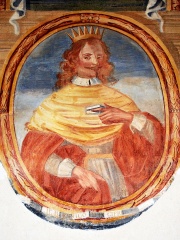
Henry I of Cyprus
POLITICIAN
1217 - 1253
HPI: 64.57
Rank: 5
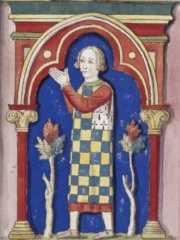
John I, Duke of Brittany
POLITICIAN
1217 - 1286
HPI: 62.32
Rank: 6
Henry of Ghent
PHILOSOPHER
1217 - 1293
HPI: 61.97
Rank: 7
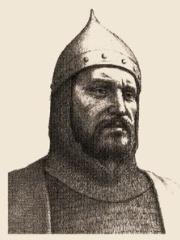
Bolesław II the Horned
POLITICIAN
1217 - 1278
HPI: 60.06
Rank: 8
Others Deceased in 1293
Go to all Rankings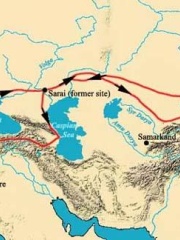
William of Rubruck
WRITER
1220 - 1293
HPI: 73.59
Rank: 1
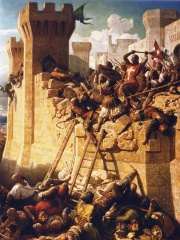
Al-Ashraf Khalil
POLITICIAN
1260 - 1293
HPI: 67.89
Rank: 2
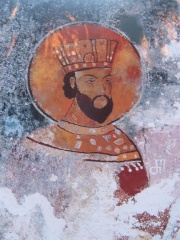
David VI of Georgia
POLITICIAN
1225 - 1293
HPI: 64.72
Rank: 3
Henry of Ghent
PHILOSOPHER
1217 - 1293
HPI: 61.97
Rank: 4

Vakhtang II of Georgia
POLITICIAN
1251 - 1293
HPI: 60.60
Rank: 5
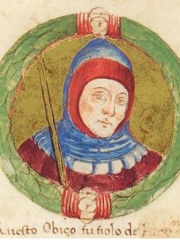
Obizzo II d'Este, Marquis of Ferrara
POLITICIAN
1247 - 1293
HPI: 58.88
Rank: 6
In Bélgica
Among people born in Bélgica, Henry of Ghent ranks 338 out of NaN. Before him are John III, Duke of Brabant (1300), Cornelis Floris de Vriendt (1514), Frans Hogenberg (1535), Arnulf, Count of Holland (951), Richilde, Countess of Hainaut (1100), and Leo Joseph Suenens (1904). After him are Dirk II, Count of Holland (901), Achille Van Acker (1898), Charles Jean de la Vallée Poussin (1866), René Jacobs (1946), Joseph Cardijn (1882), and Gaston Eyskens (1905).
Others born in Bélgica
Go to all Rankings
John III, Duke of Brabant
POLITICIAN
1300 - 1355
HPI: 62.06
Rank: 332
Cornelis Floris de Vriendt
ARCHITECT
1514 - 1575
HPI: 62.04
Rank: 333
Frans Hogenberg
PAINTER
1535 - 1590
HPI: 62.03
Rank: 334
Arnulf, Count of Holland
POLITICIAN
951 - 993
HPI: 62.01
Rank: 335
Richilde, Countess of Hainaut
NOBLEMAN
1100 - 1086
HPI: 61.99
Rank: 336
Leo Joseph Suenens
RELIGIOUS FIGURE
1904 - 1996
HPI: 61.97
Rank: 337
Henry of Ghent
PHILOSOPHER
1217 - 1293
HPI: 61.97
Rank: 338
Dirk II, Count of Holland
POLITICIAN
901 - 988
HPI: 61.97
Rank: 339
Achille Van Acker
POLITICIAN
1898 - 1975
HPI: 61.89
Rank: 340
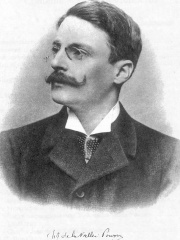
Charles Jean de la Vallée Poussin
MATHEMATICIAN
1866 - 1962
HPI: 61.88
Rank: 341
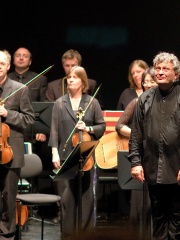
René Jacobs
SINGER
1946 - Present
HPI: 61.88
Rank: 342
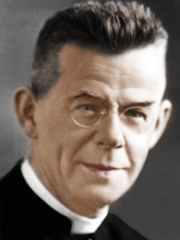
Joseph Cardijn
RELIGIOUS FIGURE
1882 - 1967
HPI: 61.84
Rank: 343
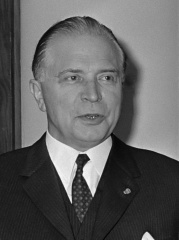
Gaston Eyskens
POLITICIAN
1905 - 1988
HPI: 61.82
Rank: 344
Among Filósofos In Bélgica
Among filósofos born in Bélgica, Henry of Ghent ranks 6. Before him are Justus Lipsius (1547), Siger of Brabant (1240), Luce Irigaray (1930), Chantal Mouffe (1943), and Arnold Geulincx (1624). After him are Franciscus Gomarus (1563), Félix Ravaisson-Mollien (1813), Paul de Man (1919), Alice von Hildebrand (1923), and Michel Weber (1963).
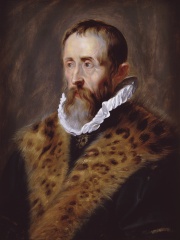
Justus Lipsius
1547 - 1606
HPI: 69.44
Rank: 1
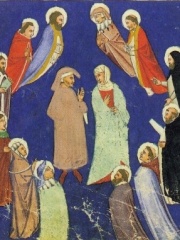
Siger of Brabant
1240 - 1284
HPI: 68.25
Rank: 2

Luce Irigaray
1930 - Present
HPI: 68.14
Rank: 3
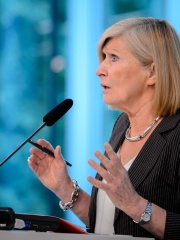
Chantal Mouffe
1943 - Present
HPI: 67.40
Rank: 4

Arnold Geulincx
1624 - 1669
HPI: 62.94
Rank: 5
Henry of Ghent
1217 - 1293
HPI: 61.97
Rank: 6
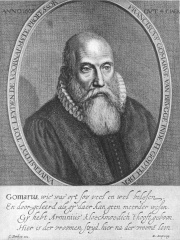
Franciscus Gomarus
1563 - 1641
HPI: 61.31
Rank: 7
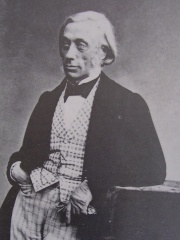
Félix Ravaisson-Mollien
1813 - 1900
HPI: 61.25
Rank: 8

Paul de Man
1919 - 1983
HPI: 60.52
Rank: 9

Alice von Hildebrand
1923 - 2022
HPI: 52.85
Rank: 10
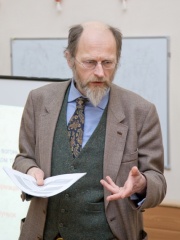
Michel Weber
1963 - Present
HPI: 49.69
Rank: 11




