政治家
Alauddin Khalji
1266 - 1316
ZH.WIKIPEDIA PAGE VIEWS (PV)
 Alauddin Khalji
Memorability Metrics
650k
Page Views
Past 12 months
74.36
HPI
Historical Popularity Index
Page views of Alauddin Khalji by language
Among 政治家
Among 政治家, Alauddin Khalji ranks 1,362 out of 19,576. Before him are Jianwen Emperor, Francesco I Sforza, Arsinoe III of Egypt, Sergey Kirov, Shah Rukh, and Bill Nelson. After him are Peter I of Portugal, Leo V the Armenian, Georgy Lvov, Mohammed Omar, Antiochus I Soter, and Claudius Gothicus.
Most Popular 政治家 in Wikipedia
Go to all Rankings
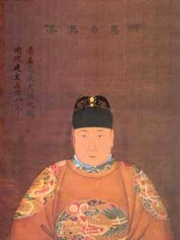
Jianwen Emperor
1377 - 1402
HPI: 74.38
Rank: 1,356
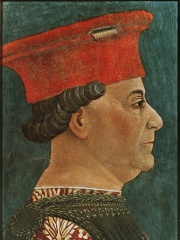
Francesco I Sforza
1401 - 1466
HPI: 74.38
Rank: 1,357
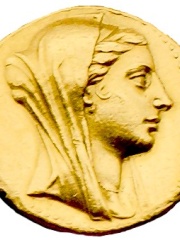
Arsinoe III of Egypt
246 BC - 204 BC
HPI: 74.37
Rank: 1,358
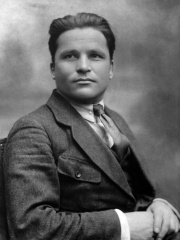
Sergey Kirov
1886 - 1934
HPI: 74.37
Rank: 1,359
Shah Rukh
1377 - 1447
HPI: 74.37
Rank: 1,360

Bill Nelson
1942 - Present
HPI: 74.37
Rank: 1,361
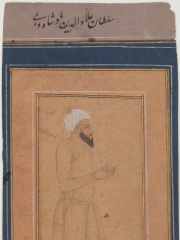
Alauddin Khalji
1266 - 1316
HPI: 74.36
Rank: 1,362
Peter I of Portugal
1320 - 1367
HPI: 74.36
Rank: 1,363
Leo V the Armenian
775 - 820
HPI: 74.36
Rank: 1,364
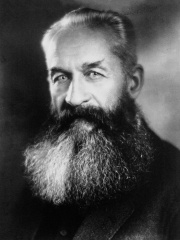
Georgy Lvov
1861 - 1925
HPI: 74.35
Rank: 1,365
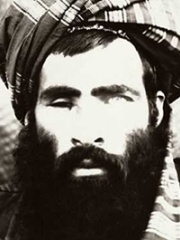
Mohammed Omar
1962 - 2013
HPI: 74.34
Rank: 1,366
Antiochus I Soter
324 BC - 261 BC
HPI: 74.33
Rank: 1,367
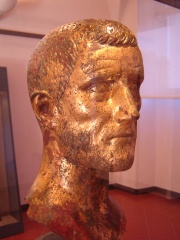
Claudius Gothicus
210 - 270
HPI: 74.33
Rank: 1,368

Contemporaries
Among people born in 1266, Alauddin Khalji ranks 1. After him are Hethum II, King of Armenia, Zhou Daguan, Jadwiga of Kalisz, and Herman VII, Margrave of Baden-Baden. Among people deceased in 1316, Alauddin Khalji ranks 4. Before him are Louis X of France, Ramon Llull, and John I of France. After him are Öljaitü, Stefan Dragutin, Vytenis, Giles of Rome, Guo Shoujing, Marjorie Bruce, Louis of Burgundy, and Malik Kafur.
Others Born in 1266
Go to all RankingsAlauddin Khalji
POLITICIAN
1266 - 1316
HPI: 74.36
Rank: 1
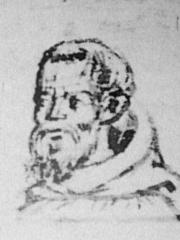
Hethum II, King of Armenia
POLITICIAN
1266 - 1307
HPI: 64.94
Rank: 2

Zhou Daguan
WRITER
1266 - 1346
HPI: 62.15
Rank: 3
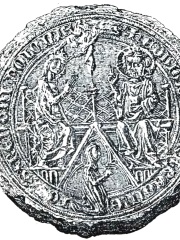
Jadwiga of Kalisz
NOBLEMAN
1266 - 1339
HPI: 59.84
Rank: 4
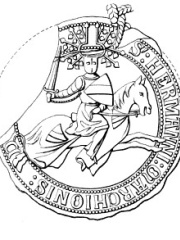
Herman VII, Margrave of Baden-Baden
NOBLEMAN
1266 - 1291
HPI: 56.42
Rank: 5
Others Deceased in 1316
Go to all Rankings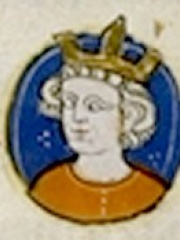
Louis X of France
POLITICIAN
1289 - 1316
HPI: 78.00
Rank: 1
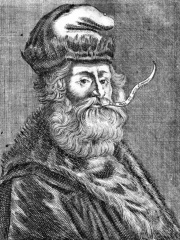
Ramon Llull
PHILOSOPHER
1232 - 1316
HPI: 77.38
Rank: 2
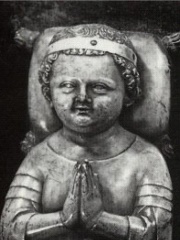
John I of France
POLITICIAN
1316 - 1316
HPI: 75.84
Rank: 3
Alauddin Khalji
POLITICIAN
1266 - 1316
HPI: 74.36
Rank: 4
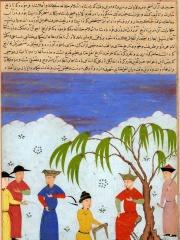
Öljaitü
POLITICIAN
1280 - 1316
HPI: 73.76
Rank: 5
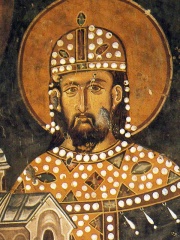
Stefan Dragutin
POLITICIAN
1253 - 1316
HPI: 66.25
Rank: 6
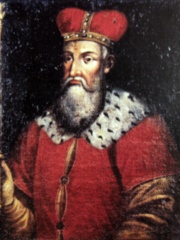
Vytenis
POLITICIAN
1300 - 1316
HPI: 66.01
Rank: 7
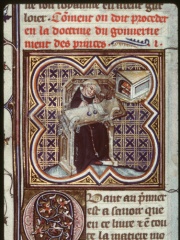
Giles of Rome
PHILOSOPHER
1243 - 1316
HPI: 65.84
Rank: 8
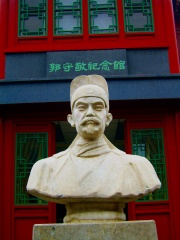
Guo Shoujing
MATHEMATICIAN
1231 - 1316
HPI: 64.09
Rank: 9
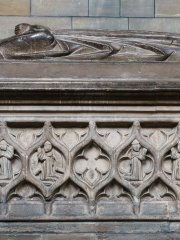
Marjorie Bruce
POLITICIAN
1297 - 1316
HPI: 59.58
Rank: 10
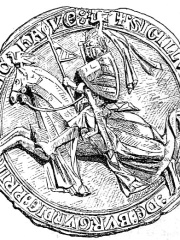
Louis of Burgundy
POLITICIAN
1297 - 1316
HPI: 58.75
Rank: 11
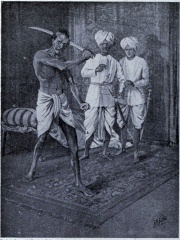
Malik Kafur
POLITICIAN
1250 - 1316
HPI: 57.46
Rank: 12
In 印度
Among people born in 印度, Alauddin Khalji ranks 58 out of NaN. Before him are Ram Mohan Roy (1772), Sariputta (-568), H. D. Deve Gowda (1933), Kabir (1440), Ajatashatru (-500), and Salman Rushdie (1947). After him are Ronald Ross (1857), C. V. Raman (1888), P. V. Narasimha Rao (1921), Salman Khan (1965), Iskander Mirza (1899), and Ram Narayan (1927).
Others born in 印度
Go to all Rankings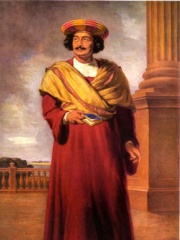
Ram Mohan Roy
PHILOSOPHER
1772 - 1833
HPI: 75.03
Rank: 52
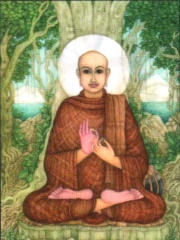
Sariputta
POLITICIAN
568 BC - 484 BC
HPI: 74.70
Rank: 53
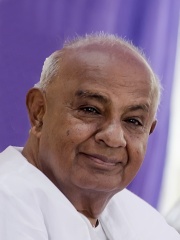
H. D. Deve Gowda
POLITICIAN
1933 - Present
HPI: 74.63
Rank: 54
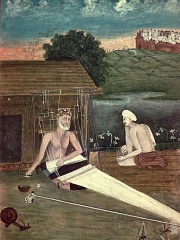
Kabir
PHILOSOPHER
1440 - 1518
HPI: 74.51
Rank: 55
Ajatashatru
POLITICIAN
500 BC - 460 BC
HPI: 74.51
Rank: 56
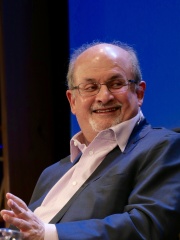
Salman Rushdie
WRITER
1947 - Present
HPI: 74.40
Rank: 57
Alauddin Khalji
POLITICIAN
1266 - 1316
HPI: 74.36
Rank: 58
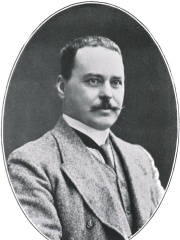
Ronald Ross
PHYSICIAN
1857 - 1932
HPI: 74.32
Rank: 59
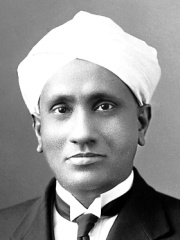
C. V. Raman
PHYSICIST
1888 - 1970
HPI: 74.29
Rank: 60
P. V. Narasimha Rao
POLITICIAN
1921 - 2004
HPI: 74.27
Rank: 61

Salman Khan
ACTOR
1965 - Present
HPI: 74.25
Rank: 62
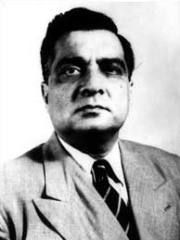
Iskander Mirza
POLITICIAN
1899 - 1969
HPI: 74.18
Rank: 63
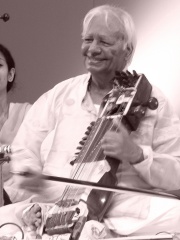
Ram Narayan
MUSICIAN
1927 - 2024
HPI: 74.13
Rank: 64
Among 政治家 In 印度
Among 政治家 born in 印度, Alauddin Khalji ranks 23. Before him are Chandragupta Maurya (-340), Subhas Chandra Bose (1897), Hyder Ali (1720), Sariputta (-568), H. D. Deve Gowda (1933), and Ajatashatru (-500). After him are P. V. Narasimha Rao (1921), Iskander Mirza (1899), Mir Osman Ali Khan (1886), Aurangzeb (1618), Akbar II (1760), and Ibrahim Lodi (1450).
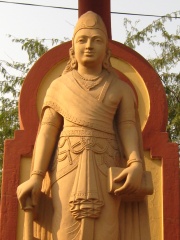
Chandragupta Maurya
340 BC - 297 BC
HPI: 76.23
Rank: 17
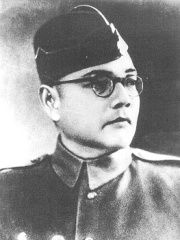
Subhas Chandra Bose
1897 - 1945
HPI: 75.85
Rank: 18
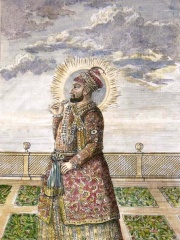
Hyder Ali
1720 - 1782
HPI: 75.03
Rank: 19
Sariputta
568 BC - 484 BC
HPI: 74.70
Rank: 20
H. D. Deve Gowda
1933 - Present
HPI: 74.63
Rank: 21
Ajatashatru
500 BC - 460 BC
HPI: 74.51
Rank: 22
Alauddin Khalji
1266 - 1316
HPI: 74.36
Rank: 23
P. V. Narasimha Rao
1921 - 2004
HPI: 74.27
Rank: 24
Iskander Mirza
1899 - 1969
HPI: 74.18
Rank: 25
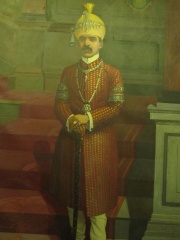
Mir Osman Ali Khan
1886 - 1967
HPI: 74.11
Rank: 26
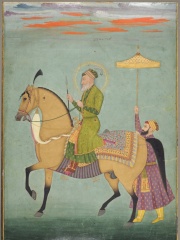
Aurangzeb
1618 - 1707
HPI: 74.06
Rank: 27
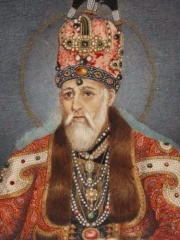
Akbar II
1760 - 1837
HPI: 73.61
Rank: 28
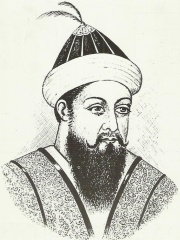
Ibrahim Lodi
1450 - 1526
HPI: 73.27
Rank: 29




