Político
Herennius Etruscus
220 - 251
VISUALIZAÇÕES EM PT.WIKIPEDIA (PV)
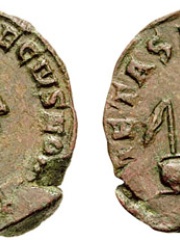
 Herennius Etruscus
Sua biografia está disponível em 48 idiomas na Wikipédia. Herennius Etruscus é o 1465º político mais popular (subiu do 2077º em 2024), a 26ª biografia mais popular da Sérvia (subiu do 39ª em 2019) e o 21º político mais popular da Sérvia.
Métricas de memorabilidade
46k
Visualizações
Últimos 12 meses
73.96
HPI
Índice de Popularidade Histórica
Destaques dos dados
+1,958
Herennius Etruscus subiu 1,958 posições no ranking global de HPI do Pantheon, da posição nº 6,622 para a nº 4,664.
#26 / 795
Herennius Etruscus ocupa a posição nº 26 entre as 795 pessoas do Pantheon nascidas em Sérvia, entre os 4% melhores do grupo.
Visualizações da página de Herennius Etruscus por idioma
Entre Político
Entre Político, Herennius Etruscus ocupa a posição 1,465 de 20,022. Antes dele vêm Rudolf IV, Duke of Austria, Václav Klaus, Lambert of Italy, Ariq Böke, Yeonsangun of Joseon, e Abdrabbuh Mansur Hadi. Depois dele vêm Publius Cornelius Scipio, Nabonidus, Olaf I of Denmark, Andrei Zhdanov, Prince Paul of Yugoslavia, e Manuel II of Portugal.
Político mais populares na Wikipédia
Ver todas as classificações
Rudolf IV, Duke of Austria
1339 - 1365
HPI: 73.98
Posição: 1,459
Václav Klaus
1941 - presente
HPI: 73.98
Posição: 1,460
Lambert of Italy
880 - 898
HPI: 73.98
Posição: 1,461
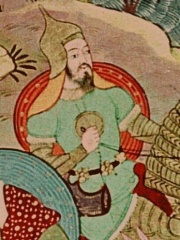
Ariq Böke
1219 - 1266
HPI: 73.98
Posição: 1,462
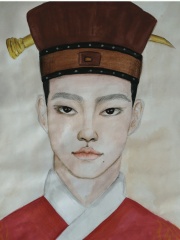
Yeonsangun of Joseon
1476 - 1506
HPI: 73.97
Posição: 1,463
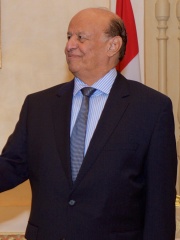
Abdrabbuh Mansur Hadi
1945 - 2026
HPI: 73.96
Posição: 1,464
Herennius Etruscus
220 - 251
HPI: 73.96
Posição: 1,465
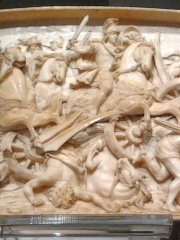
Publius Cornelius Scipio
260 BC - 211 BC
HPI: 73.95
Posição: 1,466
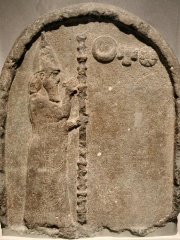
Nabonidus
555 BC - 538 BC
HPI: 73.95
Posição: 1,467
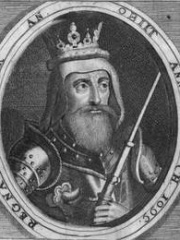
Olaf I of Denmark
1050 - 1095
HPI: 73.94
Posição: 1,468
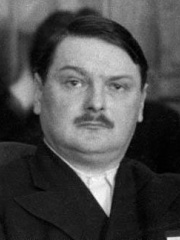
Andrei Zhdanov
1896 - 1948
HPI: 73.94
Posição: 1,469
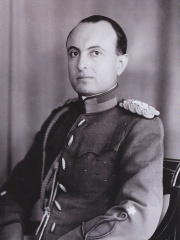
Prince Paul of Yugoslavia
1893 - 1976
HPI: 73.93
Posição: 1,470
Manuel II of Portugal
1889 - 1932
HPI: 73.93
Posição: 1,471

Contemporâneos
Entre as pessoas nascidas em 220, Herennius Etruscus ocupa a posição 2. Antes dele vem Saint Christopher. Depois dele vêm Quintillus, Novatian, Odaenathus, e Aureolus. Entre as pessoas falecidas em 251, Herennius Etruscus ocupa a posição 4. Antes dele vêm Decius, Hostilian, e Sima Yi. Depois dele vêm Herennia Etruscilla, Alexander of Jerusalem, Gaius Julius Priscus, Zosimos of Panopolis, e Babylas of Antioch.
Outras pessoas nascidas em 220
Ver todas as classificações
Saint Christopher
RELIGIOUS FIGURE
220 - 300
HPI: 78.38
Posição: 1
Herennius Etruscus
POLITICIAN
220 - 251
HPI: 73.96
Posição: 2
Quintillus
POLITICIAN
220 - 270
HPI: 73.54
Posição: 3

Novatian
WRITER
220 - 258
HPI: 72.46
Posição: 4
Odaenathus
POLITICIAN
220 - 267
HPI: 70.06
Posição: 5
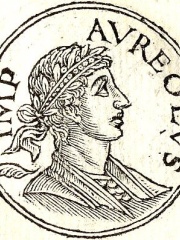
Aureolus
POLITICIAN
220 - 268
HPI: 63.86
Posição: 6
Outras pessoas falecidas em 251
Ver todas as classificações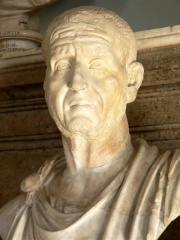
Decius
POLITICIAN
201 - 251
HPI: 78.93
Posição: 1
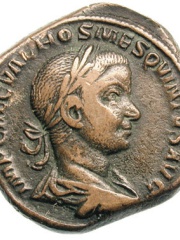
Hostilian
POLITICIAN
230 - 251
HPI: 76.90
Posição: 2
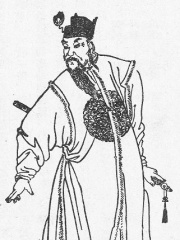
Sima Yi
POLITICIAN
179 - 251
HPI: 75.25
Posição: 3
Herennius Etruscus
POLITICIAN
220 - 251
HPI: 73.96
Posição: 4
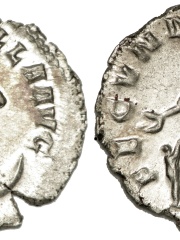
Herennia Etruscilla
POLITICIAN
210 - 251
HPI: 64.42
Posição: 5
Alexander of Jerusalem
RELIGIOUS FIGURE
200 - 251
HPI: 63.22
Posição: 6

Gaius Julius Priscus
POLITICIAN
250 - 251
HPI: 62.37
Posição: 7

Zosimos of Panopolis
WRITER
250 - 251
HPI: 62.21
Posição: 8
Babylas of Antioch
RELIGIOUS FIGURE
238 - 251
HPI: 61.03
Posição: 9
Em Sérvia
Entre as pessoas nascidas em Sérvia, Herennius Etruscus ocupa a posição 26 de 795. Antes dele vêm Peter I of Serbia (1844), Gratian (359), Peter II of Yugoslavia (1923), Claudius Gothicus (210), Jovian (331), e Stefan Lazarević (1374). Depois dele vêm Stjepan Mesić (1934), Krum (710), Karađorđe (1768), Quintillus (220), Vuk Karadžić (1787), e Alexander I of Serbia (1876).
Outras pessoas nascidas em Sérvia
Ver todas as classificações
Peter I of Serbia
POLITICIAN
1844 - 1921
HPI: 75.50
Posição: 20
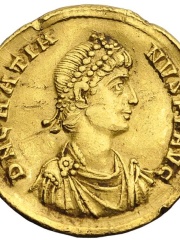
Gratian
POLITICIAN
359 - 383
HPI: 75.03
Posição: 21
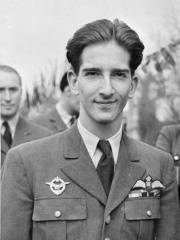
Peter II of Yugoslavia
POLITICIAN
1923 - 1970
HPI: 74.79
Posição: 22
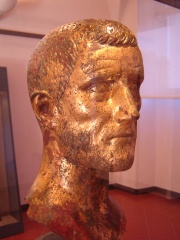
Claudius Gothicus
POLITICIAN
210 - 270
HPI: 74.33
Posição: 23
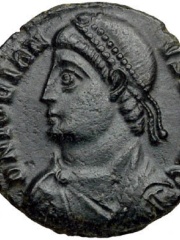
Jovian
POLITICIAN
331 - 364
HPI: 74.32
Posição: 24
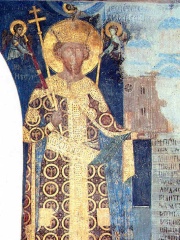
Stefan Lazarević
POLITICIAN
1374 - 1427
HPI: 74.00
Posição: 25
Herennius Etruscus
POLITICIAN
220 - 251
HPI: 73.96
Posição: 26
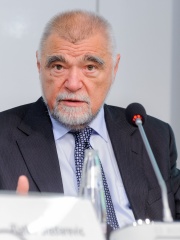
Stjepan Mesić
POLITICIAN
1934 - presente
HPI: 73.78
Posição: 27
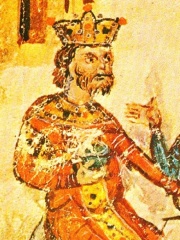
Krum
POLITICIAN
710 - 814
HPI: 73.78
Posição: 28
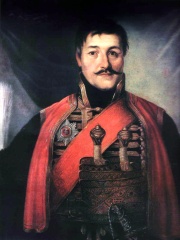
Karađorđe
POLITICIAN
1768 - 1817
HPI: 73.72
Posição: 29
Quintillus
POLITICIAN
220 - 270
HPI: 73.54
Posição: 30
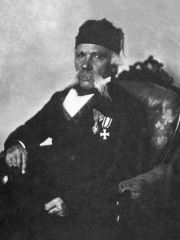
Vuk Karadžić
WRITER
1787 - 1864
HPI: 73.39
Posição: 31
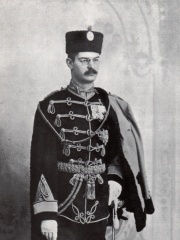
Alexander I of Serbia
POLITICIAN
1876 - 1903
HPI: 73.29
Posição: 32
Entre Político em Sérvia
Entre Político nascidos em Sérvia, Herennius Etruscus ocupa a posição 21. Antes dele vêm Peter I of Serbia (1844), Gratian (359), Peter II of Yugoslavia (1923), Claudius Gothicus (210), Jovian (331), e Stefan Lazarević (1374). Depois dele vêm Stjepan Mesić (1934), Krum (710), Karađorđe (1768), Quintillus (220), Alexander I of Serbia (1876), e Mátyás Rákosi (1892).
Peter I of Serbia
1844 - 1921
HPI: 75.50
Posição: 15
Gratian
359 - 383
HPI: 75.03
Posição: 16
Peter II of Yugoslavia
1923 - 1970
HPI: 74.79
Posição: 17
Claudius Gothicus
210 - 270
HPI: 74.33
Posição: 18
Jovian
331 - 364
HPI: 74.32
Posição: 19
Stefan Lazarević
1374 - 1427
HPI: 74.00
Posição: 20
Herennius Etruscus
220 - 251
HPI: 73.96
Posição: 21
Stjepan Mesić
1934 - presente
HPI: 73.78
Posição: 22
Krum
710 - 814
HPI: 73.78
Posição: 23
Karađorđe
1768 - 1817
HPI: 73.72
Posição: 24
Quintillus
220 - 270
HPI: 73.54
Posição: 25
Alexander I of Serbia
1876 - 1903
HPI: 73.29
Posição: 26
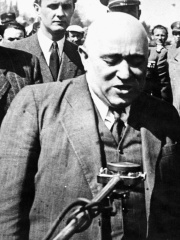
Mátyás Rákosi
1892 - 1971
HPI: 73.27
Posição: 27




