سياسي
فاليريان
200 - 260
AR.WIKIPEDIA PAGE VIEWS (PV)
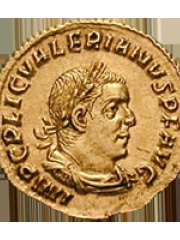
 فاليريان
سيرته الذاتية متاحة بـ71 لغة مختلفة على ويكيبيديا (زيادة من 68 في 2024). يحتل فاليريان المرتبة 644 بين أكثر سياسي شعبيةً (تراجعًا من 521 في 2024)، والمرتبة 84 بين أكثر السير الذاتية شعبيةً في تركيا (تراجعًا من 82 في 2019)، كما يحتل المرتبة 48 بين أكثر سياسي من تركيا شعبيةً.
Memorability Metrics
590k
Page Views
Past 12 months
77.94
HPI
Historical Popularity Index
Page views of فاليريان by language
Among سياسي
Among سياسي, فاليريان ranks 644 out of 19,576. Before him are Ernest Augustus, King of Hanover, Ivar the Boneless, Maria Carolina of Austria, Irene of Athens, Turhan Hatice Sultan, and Franz von Papen. After him are Imre Nagy, Robert Schuman, Faisal I of Iraq, Olaf Scholz, Abdülaziz, and Abdel Fattah el-Sisi.
Most Popular سياسي in Wikipedia
Go to all Rankings
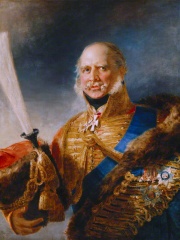
Ernest Augustus, King of Hanover
1771 - 1851
HPI: 77.97
Rank: 638

Ivar the Boneless
900 - 873
HPI: 77.97
Rank: 639

Maria Carolina of Austria
1752 - 1814
HPI: 77.97
Rank: 640
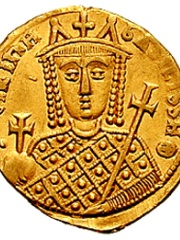
Irene of Athens
752 - 803
HPI: 77.97
Rank: 641

Turhan Hatice Sultan
1627 - 1683
HPI: 77.96
Rank: 642
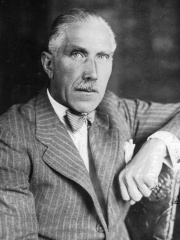
Franz von Papen
1879 - 1969
HPI: 77.94
Rank: 643
Valerian
200 - 260
HPI: 77.94
Rank: 644
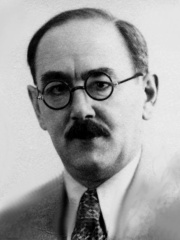
Imre Nagy
1896 - 1958
HPI: 77.93
Rank: 645

Robert Schuman
1886 - 1963
HPI: 77.93
Rank: 646
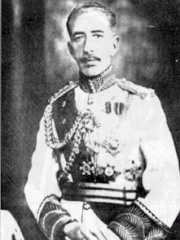
Faisal I of Iraq
1885 - 1933
HPI: 77.93
Rank: 647

Olaf Scholz
1958 - Present
HPI: 77.93
Rank: 648
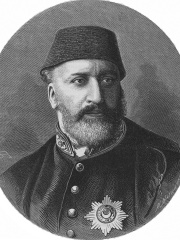
Abdülaziz
1830 - 1876
HPI: 77.92
Rank: 649
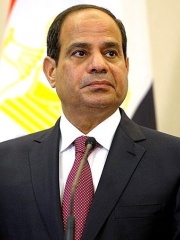
Abdel Fattah el-Sisi
1954 - Present
HPI: 77.90
Rank: 650

Contemporaries
Among people born in 200, فاليريان ranks 3. Before him are Marcus Claudius Tacitus, and Pope Cornelius. After him are Pope Lucius I, Pope Pontian, Saint Cecilia, Cyprian, Pope Stephen I, Pope Dionysius, Pope Fabian, Claudius Aelianus, and Athenaeus. Among people deceased in 260, فاليريان ranks 1. After him are Regalianus, Saloninus, Cao Mao, Marcus Minucius Felix, Sun Liang, and Ingenuus.
Others Born in 200
Go to all Rankings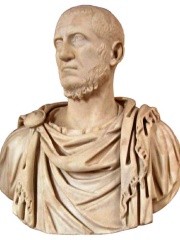
Marcus Claudius Tacitus
POLITICIAN
200 - 276
HPI: 80.67
Rank: 1
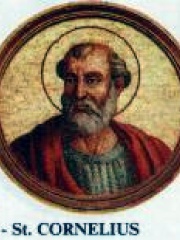
Pope Cornelius
RELIGIOUS FIGURE
200 - 253
HPI: 78.25
Rank: 2
Valerian
POLITICIAN
200 - 260
HPI: 77.94
Rank: 3
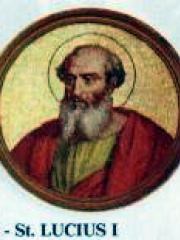
Pope Lucius I
RELIGIOUS FIGURE
200 - 254
HPI: 77.83
Rank: 4
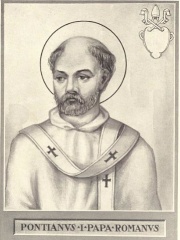
Pope Pontian
RELIGIOUS FIGURE
200 - 235
HPI: 77.78
Rank: 5

Saint Cecilia
RELIGIOUS FIGURE
200 - 230
HPI: 77.61
Rank: 6
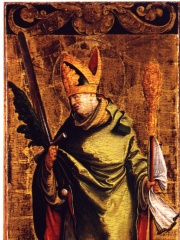
Cyprian
RELIGIOUS FIGURE
200 - 258
HPI: 76.90
Rank: 7

Pope Stephen I
RELIGIOUS FIGURE
200 - 257
HPI: 76.87
Rank: 8

Pope Dionysius
RELIGIOUS FIGURE
200 - 268
HPI: 76.42
Rank: 9
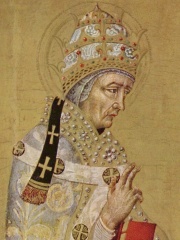
Pope Fabian
RELIGIOUS FIGURE
200 - 250
HPI: 76.05
Rank: 10

Claudius Aelianus
WRITER
200 - 235
HPI: 75.64
Rank: 11

Athenaeus
WRITER
200 - 223
HPI: 73.38
Rank: 12
Others Deceased in 260
Go to all RankingsValerian
POLITICIAN
200 - 260
HPI: 77.94
Rank: 1
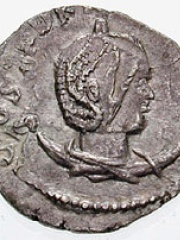
Regalianus
POLITICIAN
250 - 260
HPI: 69.20
Rank: 2
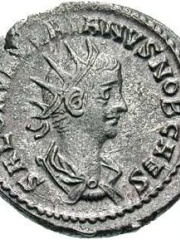
Saloninus
POLITICIAN
242 - 260
HPI: 68.96
Rank: 3

Cao Mao
POLITICIAN
241 - 260
HPI: 67.37
Rank: 4

Marcus Minucius Felix
WRITER
110 - 260
HPI: 67.16
Rank: 5

Sun Liang
POLITICIAN
243 - 260
HPI: 66.24
Rank: 6
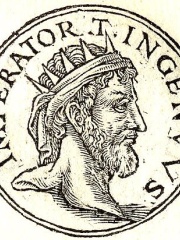
Ingenuus
POLITICIAN
200 - 260
HPI: 63.50
Rank: 7
In تركيا
Among people born in تركيا, فاليريان ranks 84 out of NaN. Before him are Selim III (1761), Mahmud I (1696), Şehzade Mehmed (1522), Abdullah Öcalan (1949), Alexios I Komnenos (1048), and Stateira II (-346). After him are Abdülaziz (1830), Hatice Sultan (1496), Pedanius Dioscorides (40), Michael VIII Palaiologos (1224), Theodosius II (401), and Abdulmejid II (1868).
Others born in تركيا
Go to all Rankings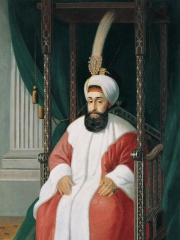
Selim III
POLITICIAN
1761 - 1808
HPI: 78.33
Rank: 78
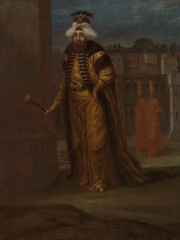
Mahmud I
POLITICIAN
1696 - 1754
HPI: 78.30
Rank: 79

Şehzade Mehmed
NOBLEMAN
1522 - 1543
HPI: 78.23
Rank: 80

Abdullah Öcalan
EXTREMIST
1949 - Present
HPI: 78.23
Rank: 81
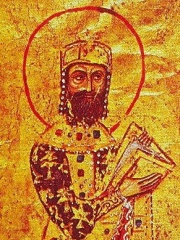
Alexios I Komnenos
POLITICIAN
1048 - 1118
HPI: 78.15
Rank: 82
Stateira II
POLITICIAN
346 BC - 323 BC
HPI: 78.15
Rank: 83
Valerian
POLITICIAN
200 - 260
HPI: 77.94
Rank: 84
Abdülaziz
POLITICIAN
1830 - 1876
HPI: 77.92
Rank: 85

Hatice Sultan
POLITICIAN
1496 - 1538
HPI: 77.89
Rank: 86
Pedanius Dioscorides
PHYSICIAN
40 - 90
HPI: 77.86
Rank: 87
Michael VIII Palaiologos
POLITICIAN
1224 - 1282
HPI: 77.86
Rank: 88
Theodosius II
POLITICIAN
401 - 450
HPI: 77.83
Rank: 89
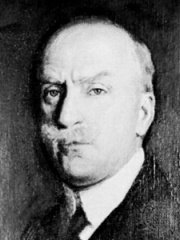
Abdulmejid II
POLITICIAN
1868 - 1944
HPI: 77.78
Rank: 90
Among سياسي In تركيا
Among سياسي born in تركيا, فاليريان ranks 48. Before him are Theodora Porphyrogenita (984), Priam (null), Selim III (1761), Mahmud I (1696), Alexios I Komnenos (1048), and Stateira II (-346). After him are Abdülaziz (1830), Hatice Sultan (1496), Michael VIII Palaiologos (1224), Theodosius II (401), Abdulmejid II (1868), and Leontios (660).
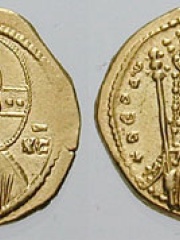
Theodora Porphyrogenita
984 - 1056
HPI: 78.43
Rank: 42
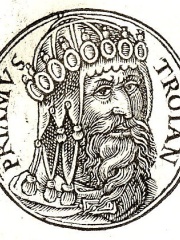
Priam
HPI: 78.33
Rank: 43
Selim III
1761 - 1808
HPI: 78.33
Rank: 44
Mahmud I
1696 - 1754
HPI: 78.30
Rank: 45
Alexios I Komnenos
1048 - 1118
HPI: 78.15
Rank: 46
Stateira II
346 BC - 323 BC
HPI: 78.15
Rank: 47
Valerian
200 - 260
HPI: 77.94
Rank: 48
Abdülaziz
1830 - 1876
HPI: 77.92
Rank: 49
Hatice Sultan
1496 - 1538
HPI: 77.89
Rank: 50
Michael VIII Palaiologos
1224 - 1282
HPI: 77.86
Rank: 51
Theodosius II
401 - 450
HPI: 77.83
Rank: 52
Abdulmejid II
1868 - 1944
HPI: 77.78
Rank: 53
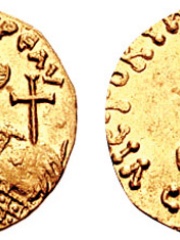
Leontios
660 - 705
HPI: 77.57
Rank: 54




