政治家
Václav Klaus
1941 - 至今
ZH.WIKIPEDIA PAGE VIEWS (PV)

 Václav Klaus
Memorability Metrics
180k
Page Views
Past 12 months
73.98
HPI
Historical Popularity Index
Page views of Václav Klaus by language
Among 政治家
Among 政治家, Václav Klaus ranks 1,460 out of 19,576. Before him are Dolores Ibárruri, Hassan Nasrallah, Archduchess Elisabeth Marie of Austria, Admetus, Maria of Austria, Holy Roman Empress, and Rudolf IV, Duke of Austria. After him are Lambert of Italy, Ariq Böke, Yeonsangun of Joseon, Abdrabbuh Mansur Hadi, Herennius Etruscus, and Publius Cornelius Scipio.
Most Popular 政治家 in Wikipedia
Go to all Rankings
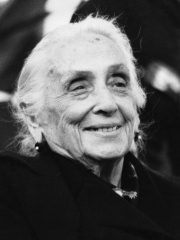
Dolores Ibárruri
1895 - 1989
HPI: 74.00
Rank: 1,454
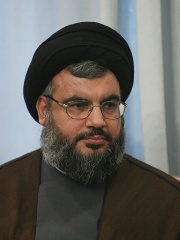
Hassan Nasrallah
1960 - 2024
HPI: 74.00
Rank: 1,455
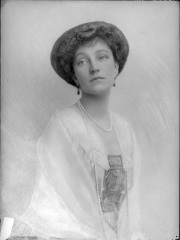
Archduchess Elisabeth Marie of Austria
1883 - 1963
HPI: 73.99
Rank: 1,456

Admetus
HPI: 73.99
Rank: 1,457
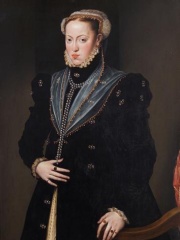
Maria of Austria, Holy Roman Empress
1528 - 1603
HPI: 73.99
Rank: 1,458
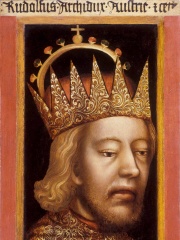
Rudolf IV, Duke of Austria
1339 - 1365
HPI: 73.98
Rank: 1,459
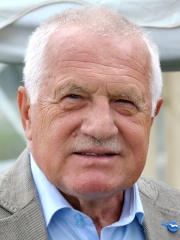
Václav Klaus
1941 - Present
HPI: 73.98
Rank: 1,460
Lambert of Italy
880 - 898
HPI: 73.98
Rank: 1,461
Ariq Böke
1219 - 1266
HPI: 73.98
Rank: 1,462
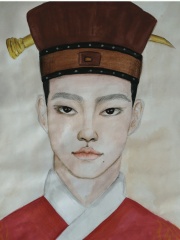
Yeonsangun of Joseon
1476 - 1506
HPI: 73.97
Rank: 1,463
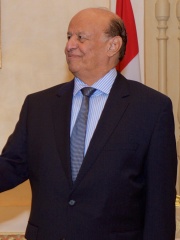
Abdrabbuh Mansur Hadi
1945 - Present
HPI: 73.96
Rank: 1,464
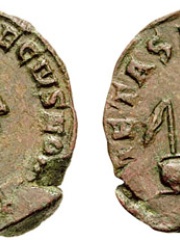
Herennius Etruscus
220 - 251
HPI: 73.96
Rank: 1,465
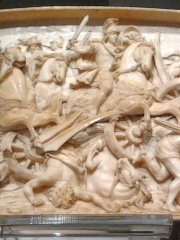
Publius Cornelius Scipio
260 BC - 211 BC
HPI: 73.95
Rank: 1,466

Contemporaries
Among people born in 1941, Václav Klaus ranks 24. Before him are Krzysztof Kieślowski, Bruno Ganz, George Smith, Vivienne Westwood, Martha Argerich, and Harry Nilsson. After him are Faye Dunaway, M. Stanley Whittingham, Julia Kristeva, Fausto Cercignani, Dick Cheney, and Mahmoud Darwish.
Others Born in 1941
Go to all Rankings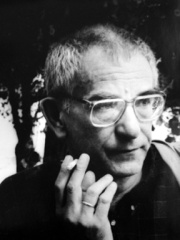
Krzysztof Kieślowski
FILM DIRECTOR
1941 - 1996
HPI: 75.06
Rank: 18
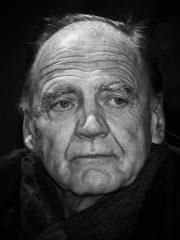
Bruno Ganz
ACTOR
1941 - 2019
HPI: 74.91
Rank: 19
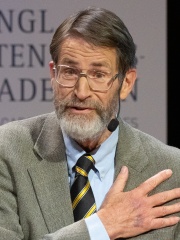
George Smith
BIOLOGIST
1941 - Present
HPI: 74.77
Rank: 20
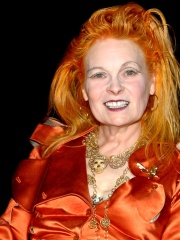
Vivienne Westwood
FASHION DESIGNER
1941 - 2022
HPI: 74.52
Rank: 21
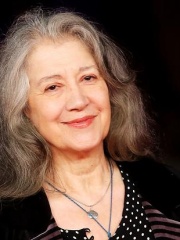
Martha Argerich
MUSICIAN
1941 - Present
HPI: 74.49
Rank: 22
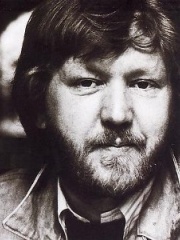
Harry Nilsson
SINGER
1941 - 1994
HPI: 74.11
Rank: 23
Václav Klaus
POLITICIAN
1941 - Present
HPI: 73.98
Rank: 24
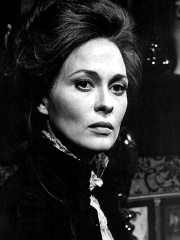
Faye Dunaway
ACTOR
1941 - Present
HPI: 73.95
Rank: 25

M. Stanley Whittingham
CHEMIST
1941 - Present
HPI: 73.91
Rank: 26
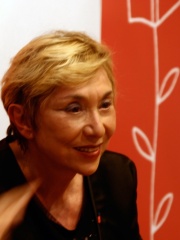
Julia Kristeva
PHILOSOPHER
1941 - Present
HPI: 73.68
Rank: 27
Fausto Cercignani
WRITER
1941 - Present
HPI: 73.47
Rank: 28
Dick Cheney
POLITICIAN
1941 - 2025
HPI: 73.31
Rank: 29
Mahmoud Darwish
WRITER
1941 - 2008
HPI: 73.27
Rank: 30
In 捷克
Among people born in 捷克, Václav Klaus ranks 49 out of NaN. Before him are Bernard Bolzano (1781), Klement Gottwald (1896), Karl Kautsky (1854), Adolf Loos (1870), Johann Palisa (1848), and Bohuslav Martinů (1890). After him are Wenceslaus III of Bohemia (1289), Wenceslaus II of Bohemia (1271), Madeleine Albright (1937), Joanna of Austria, Grand Duchess of Tuscany (1547), Emil Hácha (1872), and Adalbert of Prague (955).
Others born in 捷克
Go to all Rankings
Bernard Bolzano
PHILOSOPHER
1781 - 1848
HPI: 74.68
Rank: 43
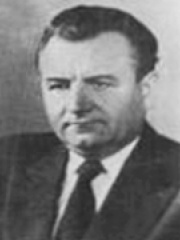
Klement Gottwald
POLITICIAN
1896 - 1953
HPI: 74.43
Rank: 44
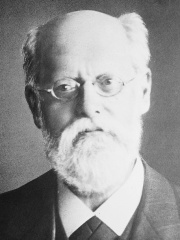
Karl Kautsky
PHILOSOPHER
1854 - 1938
HPI: 74.17
Rank: 45
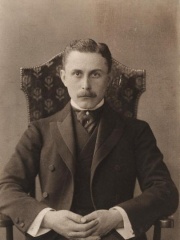
Adolf Loos
ARCHITECT
1870 - 1933
HPI: 74.17
Rank: 46
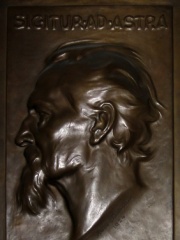
Johann Palisa
ASTRONOMER
1848 - 1925
HPI: 74.05
Rank: 47
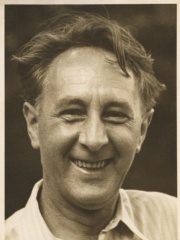
Bohuslav Martinů
COMPOSER
1890 - 1959
HPI: 73.98
Rank: 48
Václav Klaus
POLITICIAN
1941 - Present
HPI: 73.98
Rank: 49
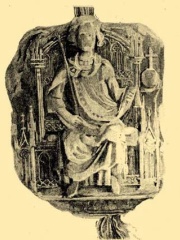
Wenceslaus III of Bohemia
POLITICIAN
1289 - 1306
HPI: 73.88
Rank: 50
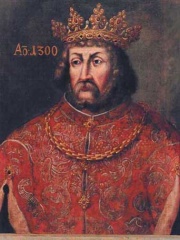
Wenceslaus II of Bohemia
POLITICIAN
1271 - 1305
HPI: 73.77
Rank: 51
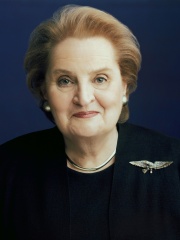
Madeleine Albright
DIPLOMAT
1937 - 2022
HPI: 73.77
Rank: 52
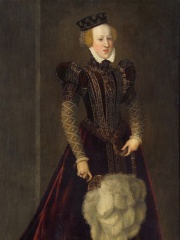
Joanna of Austria, Grand Duchess of Tuscany
POLITICIAN
1547 - 1578
HPI: 73.59
Rank: 53
Emil Hácha
POLITICIAN
1872 - 1945
HPI: 73.53
Rank: 54
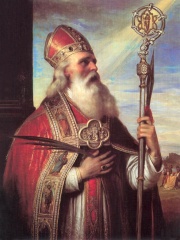
Adalbert of Prague
RELIGIOUS FIGURE
955 - 997
HPI: 73.50
Rank: 55
Among 政治家 In 捷克
Among 政治家 born in 捷克, Václav Klaus ranks 8. Before him are Tomáš Garrigue Masaryk (1850), Edvard Beneš (1884), Arthur Seyss-Inquart (1892), Ottokar II of Bohemia (1233), Miloš Zeman (1944), and Klement Gottwald (1896). After him are Wenceslaus III of Bohemia (1289), Wenceslaus II of Bohemia (1271), Joanna of Austria, Grand Duchess of Tuscany (1547), Emil Hácha (1872), George of Poděbrady (1420), and Bonne of Luxembourg (1315).
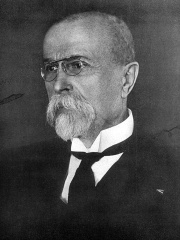
Tomáš Garrigue Masaryk
1850 - 1937
HPI: 77.19
Rank: 2
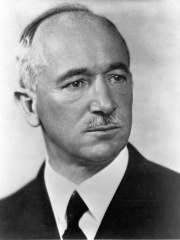
Edvard Beneš
1884 - 1948
HPI: 77.01
Rank: 3
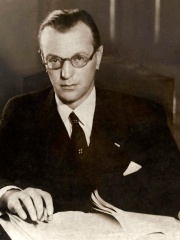
Arthur Seyss-Inquart
1892 - 1946
HPI: 76.27
Rank: 4
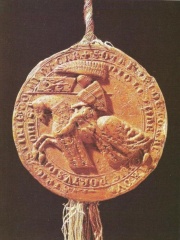
Ottokar II of Bohemia
1233 - 1278
HPI: 75.47
Rank: 5
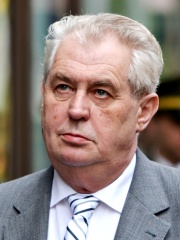
Miloš Zeman
1944 - Present
HPI: 74.81
Rank: 6
Klement Gottwald
1896 - 1953
HPI: 74.43
Rank: 7
Václav Klaus
1941 - Present
HPI: 73.98
Rank: 8
Wenceslaus III of Bohemia
1289 - 1306
HPI: 73.88
Rank: 9
Wenceslaus II of Bohemia
1271 - 1305
HPI: 73.77
Rank: 10
Joanna of Austria, Grand Duchess of Tuscany
1547 - 1578
HPI: 73.59
Rank: 11
Emil Hácha
1872 - 1945
HPI: 73.53
Rank: 12
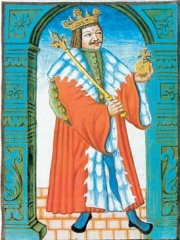
George of Poděbrady
1420 - 1471
HPI: 73.30
Rank: 13
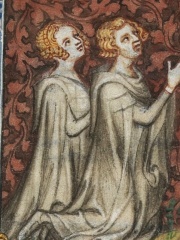
Bonne of Luxembourg
1315 - 1349
HPI: 72.43
Rank: 14




