Politiker
Ariq Böke
1219 - 1266
DE.WIKIPEDIA PAGE VIEWS (PV)
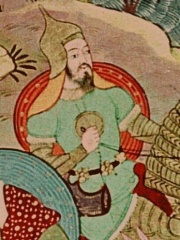
 Ariq Böke
Seine Biografie ist in 38 verschiedenen Sprachen auf Wikipedia verfügbar. Ariq Böke ist der 1,462nd beliebteste Politiker (gesunken vom 1,071st im Jahr 2024), die 11th beliebteste Biografie aus Mongolei und der 8th beliebteste aus Mongolei Politiker.
Memorability Metrics
170k
Page Views
Past 12 months
73.98
HPI
Historical Popularity Index
Page views of Ariq Böke by language
Among Politikers
Among politikers, Ariq Böke ranks 1,462 out of 19,576. Before him are Archduchess Elisabeth Marie of Austria, Admetus, Maria of Austria, Holy Roman Empress, Rudolf IV, Duke of Austria, Václav Klaus, and Lambert of Italy. After him are Yeonsangun of Joseon, Abdrabbuh Mansur Hadi, Herennius Etruscus, Publius Cornelius Scipio, Nabonidus, and Olaf I of Denmark.
Most Popular Politikers in Wikipedia
Go to all Rankings
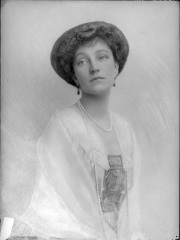
Archduchess Elisabeth Marie of Austria
1883 - 1963
HPI: 73.99
Rank: 1,456

Admetus
HPI: 73.99
Rank: 1,457
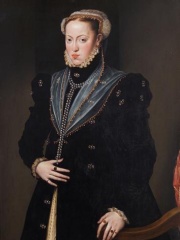
Maria of Austria, Holy Roman Empress
1528 - 1603
HPI: 73.99
Rank: 1,458
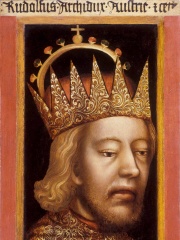
Rudolf IV, Duke of Austria
1339 - 1365
HPI: 73.98
Rank: 1,459
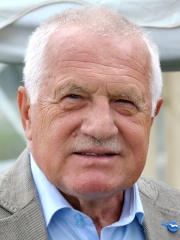
Václav Klaus
1941 - Present
HPI: 73.98
Rank: 1,460
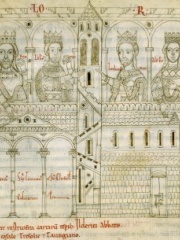
Lambert of Italy
880 - 898
HPI: 73.98
Rank: 1,461
Ariq Böke
1219 - 1266
HPI: 73.98
Rank: 1,462
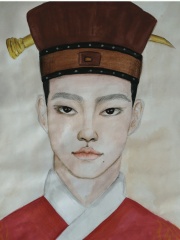
Yeonsangun of Joseon
1476 - 1506
HPI: 73.97
Rank: 1,463
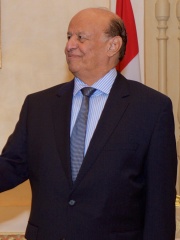
Abdrabbuh Mansur Hadi
1945 - 2026
HPI: 73.96
Rank: 1,464
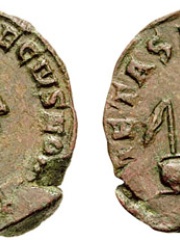
Herennius Etruscus
220 - 251
HPI: 73.96
Rank: 1,465
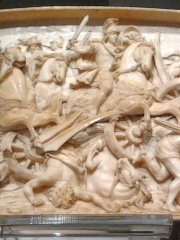
Publius Cornelius Scipio
260 BC - 211 BC
HPI: 73.95
Rank: 1,466
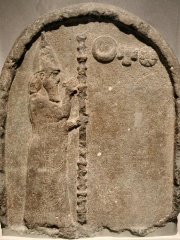
Nabonidus
555 BC - 538 BC
HPI: 73.95
Rank: 1,467
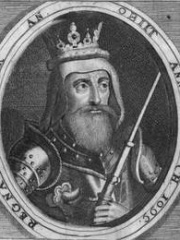
Olaf I of Denmark
1050 - 1095
HPI: 73.94
Rank: 1,468

Contemporaries
Among people born in 1219, Ariq Böke ranks 1. After him are Christopher I of Denmark, and Wonjong of Goryeo. Among people deceased in 1266, Ariq Böke ranks 2. Before him is Berke. After him are Manfred, King of Sicily, Birger Jarl, Shiban, Andronikos II of Trebizond, Alghu, John I, Margrave of Brandenburg, Henry III the White, Hugh, Count of Burgundy, Abu Hafs Umar al-Murtada, and Odo, Count of Nevers.
Others Born in 1219
Go to all RankingsAriq Böke
POLITICIAN
1219 - 1266
HPI: 73.98
Rank: 1
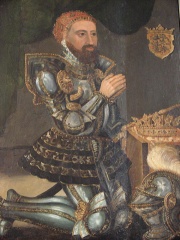
Christopher I of Denmark
POLITICIAN
1219 - 1259
HPI: 70.49
Rank: 2

Wonjong of Goryeo
POLITICIAN
1219 - 1274
HPI: 65.11
Rank: 3
Others Deceased in 1266
Go to all Rankings
Berke
POLITICIAN
1209 - 1266
HPI: 75.07
Rank: 1
Ariq Böke
POLITICIAN
1219 - 1266
HPI: 73.98
Rank: 2
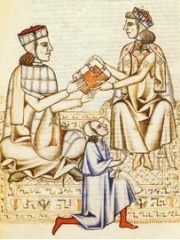
Manfred, King of Sicily
POLITICIAN
1232 - 1266
HPI: 72.17
Rank: 3
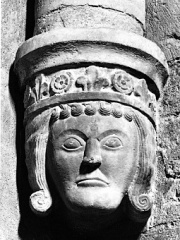
Birger Jarl
POLITICIAN
1210 - 1266
HPI: 71.37
Rank: 4
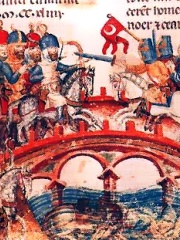
Shiban
POLITICIAN
1200 - 1266
HPI: 66.19
Rank: 5
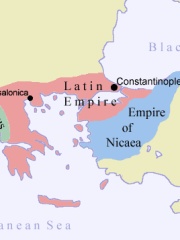
Andronikos II of Trebizond
POLITICIAN
1240 - 1266
HPI: 63.09
Rank: 6
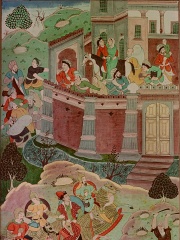
Alghu
POLITICIAN
1250 - 1266
HPI: 62.75
Rank: 7
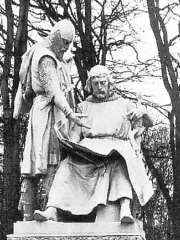
John I, Margrave of Brandenburg
POLITICIAN
1213 - 1266
HPI: 61.61
Rank: 8
Henry III the White
POLITICIAN
1222 - 1266
HPI: 60.24
Rank: 9
Hugh, Count of Burgundy
NOBLEMAN
1220 - 1266
HPI: 58.08
Rank: 10
Abu Hafs Umar al-Murtada
POLITICIAN
HPI: 56.33
Rank: 11
Odo, Count of Nevers
NOBLEMAN
1230 - 1266
HPI: 56.05
Rank: 12
In Mongolei
Among people born in Mongolei, Ariq Böke ranks 11 out of NaN. Before him are Chagatai Khan (1183), Tolui (1191), Subutai (1175), Modu Chanyu (-234), Berke (1209), and Börte (1161). After him are Abaqa Khan (1234), Toghrul (1130), Jebe (1137), Sorghaghtani Beki (1190), Damdin Sükhbaatar (1893), and Punsalmaagiin Ochirbat (1942).
Others born in Mongolei
Go to all Rankings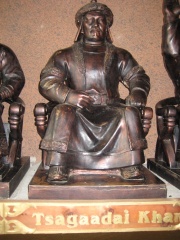
Chagatai Khan
POLITICIAN
1183 - 1242
HPI: 79.21
Rank: 5
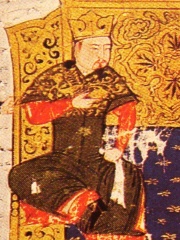
Tolui
POLITICIAN
1191 - 1232
HPI: 79.05
Rank: 6
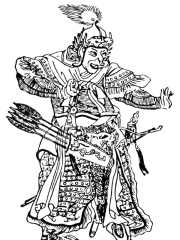
Subutai
MILITARY PERSONNEL
1175 - 1248
HPI: 75.70
Rank: 7
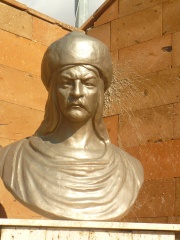
Modu Chanyu
POLITICIAN
234 BC - 174 BC
HPI: 75.23
Rank: 8
Berke
POLITICIAN
1209 - 1266
HPI: 75.07
Rank: 9
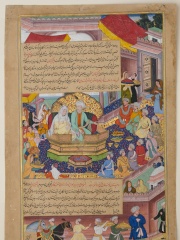
Börte
POLITICIAN
1161 - 1230
HPI: 74.50
Rank: 10
Ariq Böke
POLITICIAN
1219 - 1266
HPI: 73.98
Rank: 11
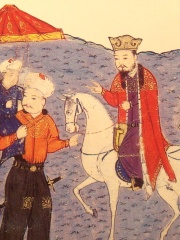
Abaqa Khan
POLITICIAN
1234 - 1282
HPI: 73.66
Rank: 12
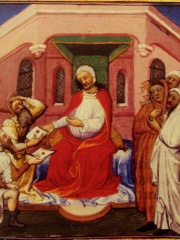
Toghrul
POLITICIAN
1130 - 1203
HPI: 72.19
Rank: 13

Jebe
POLITICIAN
1137 - 1225
HPI: 71.90
Rank: 14
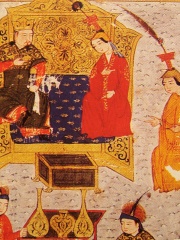
Sorghaghtani Beki
NOBLEMAN
1190 - 1252
HPI: 71.23
Rank: 15
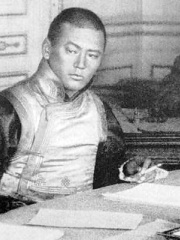
Damdin Sükhbaatar
POLITICIAN
1893 - 1923
HPI: 70.61
Rank: 16
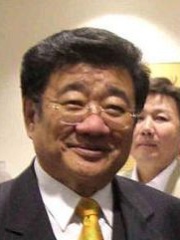
Punsalmaagiin Ochirbat
POLITICIAN
1942 - 2025
HPI: 68.80
Rank: 17
Among Politikers In Mongolei
Among politikers born in Mongolei, Ariq Böke ranks 8. Before him are Batu Khan (1207), Chagatai Khan (1183), Tolui (1191), Modu Chanyu (-234), Berke (1209), and Börte (1161). After him are Abaqa Khan (1234), Toghrul (1130), Jebe (1137), Damdin Sükhbaatar (1893), Punsalmaagiin Ochirbat (1942), and Yumjaagiin Tsedenbal (1916).
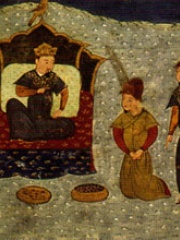
Batu Khan
1207 - 1255
HPI: 81.22
Rank: 2
Chagatai Khan
1183 - 1242
HPI: 79.21
Rank: 3
Tolui
1191 - 1232
HPI: 79.05
Rank: 4
Modu Chanyu
234 BC - 174 BC
HPI: 75.23
Rank: 5
Berke
1209 - 1266
HPI: 75.07
Rank: 6
Börte
1161 - 1230
HPI: 74.50
Rank: 7
Ariq Böke
1219 - 1266
HPI: 73.98
Rank: 8
Abaqa Khan
1234 - 1282
HPI: 73.66
Rank: 9
Toghrul
1130 - 1203
HPI: 72.19
Rank: 10
Jebe
1137 - 1225
HPI: 71.90
Rank: 11
Damdin Sükhbaatar
1893 - 1923
HPI: 70.61
Rank: 12
Punsalmaagiin Ochirbat
1942 - 2025
HPI: 68.80
Rank: 13
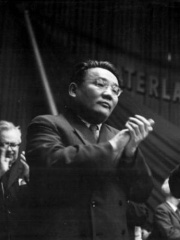
Yumjaagiin Tsedenbal
1916 - 1991
HPI: 68.74
Rank: 14




