心理学家
威廉·冯特
1832 - 1920
ZH.WIKIPEDIA 页面浏览量 (PV)
 威廉·冯特
威廉·冯特知名度指标
290k
页面浏览量
过去12个月
80.54
HPI
历史知名度指数
数据洞察
威廉·冯特的各语言页面浏览量
在心理学家中
在心理学家中,威廉·冯特排名第7位(共243人)。 排在他之前的有:Sigmund Freud, Carl Jung, Jean Piaget, Erich Fromm, Alfred Adler, 和Abraham Maslow. 排在他之后的有:Lev Vygotsky, Jacques Lacan, Viktor Frankl, Erik Erikson, John Dewey, 和William James.
维基百科上最受欢迎的心理学家
查看全部排名
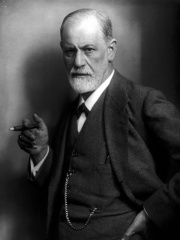
Sigmund Freud
1856 - 1939
HPI: 91.09
排名: 1
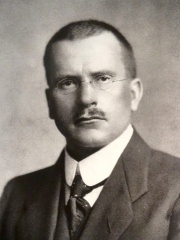
Carl Jung
1875 - 1961
HPI: 85.60
排名: 2
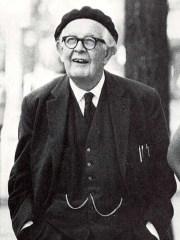
Jean Piaget
1896 - 1980
HPI: 82.27
排名: 3
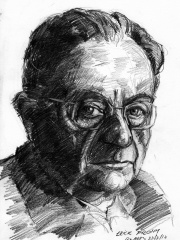
Erich Fromm
1900 - 1980
HPI: 81.27
排名: 4
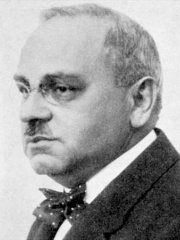
Alfred Adler
1870 - 1937
HPI: 81.23
排名: 5
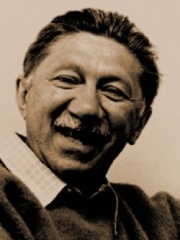
Abraham Maslow
1908 - 1970
HPI: 80.93
排名: 6
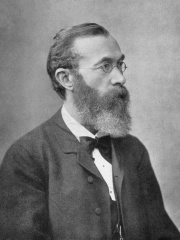
Wilhelm Wundt
1832 - 1920
HPI: 80.54
排名: 7
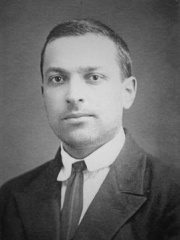
Lev Vygotsky
1896 - 1934
HPI: 80.34
排名: 8
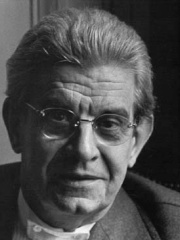
Jacques Lacan
1901 - 1981
HPI: 80.10
排名: 9
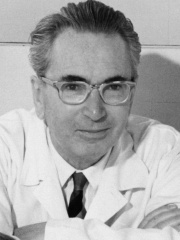
Viktor Frankl
1905 - 1997
HPI: 79.30
排名: 10
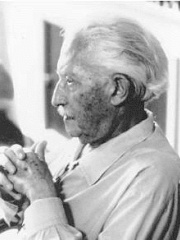
Erik Erikson
1902 - 1994
HPI: 78.99
排名: 11
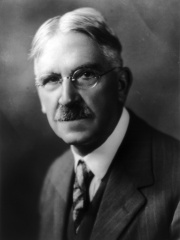
John Dewey
1859 - 1952
HPI: 78.90
排名: 12
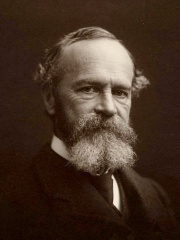
William James
1842 - 1910
HPI: 78.62
排名: 13

同时代人物
在1832年出生的人中,威廉·冯特排名第6位。 排在他之前的有:Édouard Manet, Gustave Eiffel, Maximilian I of Mexico, Louisa May Alcott, 和Bjørnstjerne Bjørnson. 排在他之后的有:Lewis Carroll, Nikolaus Otto, Gustave Doré, José Echegaray, Edward Burnett Tylor, 和Adolf Erik Nordenskiöld. 在1920年去世的人中,威廉·冯特排名第3位。 排在他之前的有:Max Weber, 和Amedeo Modigliani. 排在他之后的有:Srinivasa Ramanujan, Peter Carl Fabergé, Eugénie de Montijo, Alexander of Greece, Max Bruch, Robert Peary, Alexander Kolchak, Anders Zorn, 和Princess Margaret of Connaught.
其他1832年出生的人
查看全部排名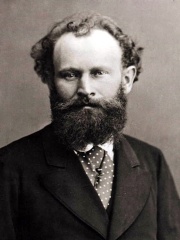
Édouard Manet
PAINTER
1832 - 1883
HPI: 84.08
排名: 1
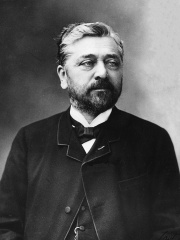
Gustave Eiffel
ENGINEER
1832 - 1923
HPI: 83.25
排名: 2
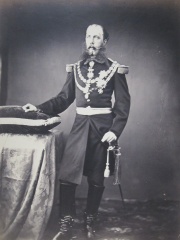
Maximilian I of Mexico
POLITICIAN
1832 - 1867
HPI: 82.14
排名: 3
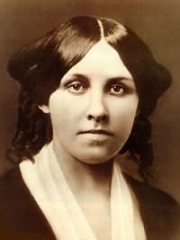
Louisa May Alcott
WRITER
1832 - 1888
HPI: 81.95
排名: 4
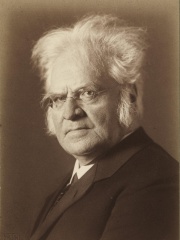
Bjørnstjerne Bjørnson
WRITER
1832 - 1910
HPI: 81.19
排名: 5
Wilhelm Wundt
PSYCHOLOGIST
1832 - 1920
HPI: 80.54
排名: 6
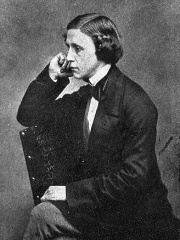
Lewis Carroll
WRITER
1832 - 1898
HPI: 80.04
排名: 7
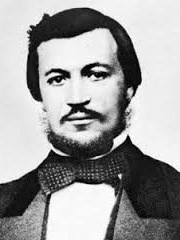
Nikolaus Otto
INVENTOR
1832 - 1891
HPI: 79.93
排名: 8
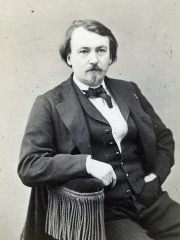
Gustave Doré
PAINTER
1832 - 1883
HPI: 78.30
排名: 9
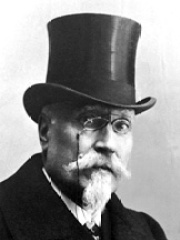
José Echegaray
ENGINEER
1832 - 1916
HPI: 73.61
排名: 10
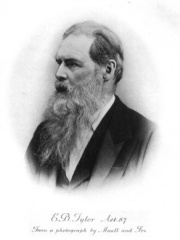
Edward Burnett Tylor
ANTHROPOLOGIST
1832 - 1917
HPI: 73.49
排名: 11
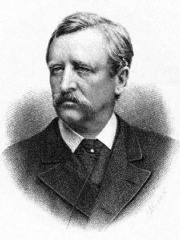
Adolf Erik Nordenskiöld
EXPLORER
1832 - 1901
HPI: 72.76
排名: 12
其他1920年去世的人
查看全部排名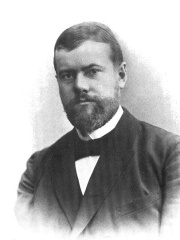
Max Weber
SOCIOLOGIST
1864 - 1920
HPI: 87.20
排名: 1
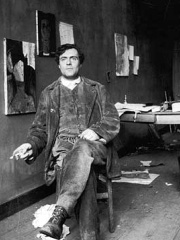
Amedeo Modigliani
PAINTER
1884 - 1920
HPI: 82.99
排名: 2
Wilhelm Wundt
PSYCHOLOGIST
1832 - 1920
HPI: 80.54
排名: 3
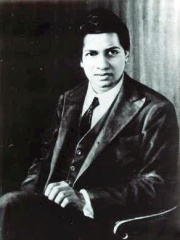
Srinivasa Ramanujan
MATHEMATICIAN
1887 - 1920
HPI: 79.85
排名: 4
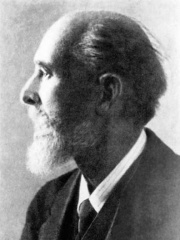
Peter Carl Fabergé
DESIGNER
1846 - 1920
HPI: 77.25
排名: 5
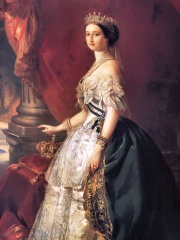
Eugénie de Montijo
COMPANION
1826 - 1920
HPI: 76.79
排名: 6
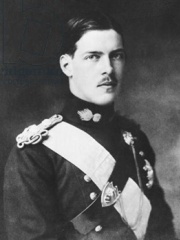
Alexander of Greece
POLITICIAN
1893 - 1920
HPI: 74.74
排名: 7
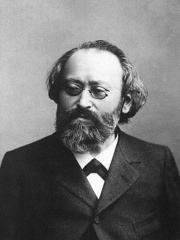
Max Bruch
COMPOSER
1838 - 1920
HPI: 73.61
排名: 8
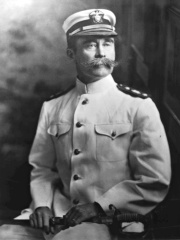
Robert Peary
MILITARY PERSONNEL
1856 - 1920
HPI: 73.23
排名: 9
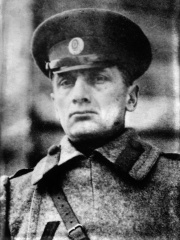
Alexander Kolchak
POLITICIAN
1874 - 1920
HPI: 72.49
排名: 10
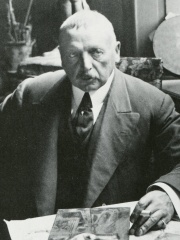
Anders Zorn
ARTIST
1860 - 1920
HPI: 71.88
排名: 11
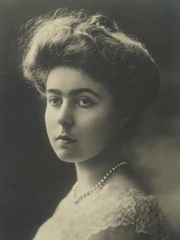
Princess Margaret of Connaught
NOBLEMAN
1882 - 1920
HPI: 71.68
排名: 12
在德国
在出生于德国的人中,威廉·冯特排名第87位(共8,184人)。 排在他之前的有:Christoph Willibald Gluck (1714), Peter Gustav Lejeune Dirichlet (1805), Martin Bormann (1900), Henry IV, Holy Roman Emperor (1050), Clara Zetkin (1857), 和Otto II, Holy Roman Emperor (955). 排在他之后的有:Erich von Manstein (1887), Ludwig II of Bavaria (1845), Bruce Willis (1955), Clara Schumann (1819), Charles the Bald (823), 和Nicholas of Cusa (1401).
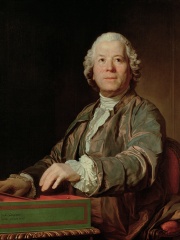
Christoph Willibald Gluck
COMPOSER
1714 - 1787
HPI: 80.81
排名: 81
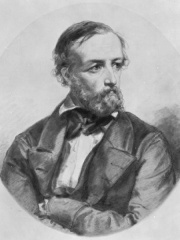
Peter Gustav Lejeune Dirichlet
MATHEMATICIAN
1805 - 1859
HPI: 80.77
排名: 82
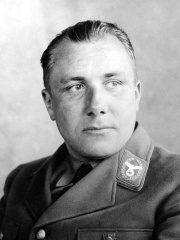
Martin Bormann
POLITICIAN
1900 - 1945
HPI: 80.75
排名: 83
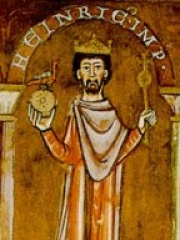
Henry IV, Holy Roman Emperor
POLITICIAN
1050 - 1106
HPI: 80.67
排名: 84
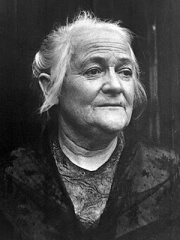
Clara Zetkin
POLITICIAN
1857 - 1933
HPI: 80.61
排名: 85
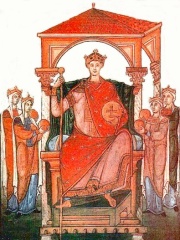
Otto II, Holy Roman Emperor
POLITICIAN
955 - 983
HPI: 80.57
排名: 86
Wilhelm Wundt
PSYCHOLOGIST
1832 - 1920
HPI: 80.54
排名: 87
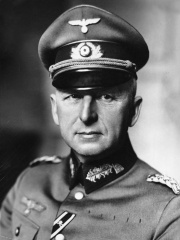
Erich von Manstein
MILITARY PERSONNEL
1887 - 1973
HPI: 80.50
排名: 88
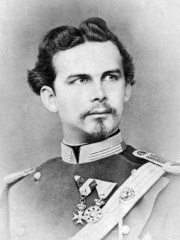
Ludwig II of Bavaria
POLITICIAN
1845 - 1886
HPI: 80.49
排名: 89

Bruce Willis
ACTOR
1955 - 至今
HPI: 80.48
排名: 90
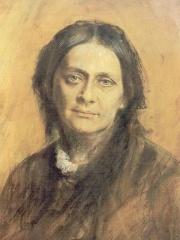
Clara Schumann
MUSICIAN
1819 - 1896
HPI: 80.48
排名: 91
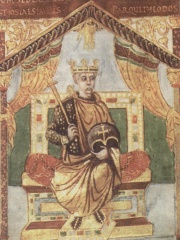
Charles the Bald
POLITICIAN
823 - 877
HPI: 80.43
排名: 92
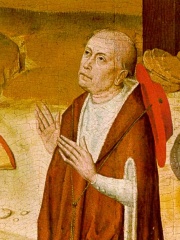
Nicholas of Cusa
PHILOSOPHER
1401 - 1464
HPI: 80.39
排名: 93
在德国的心理学家中
在出生于德国的心理学家中,威廉·冯特排名第2位。 排在他之前的有:Erich Fromm (1900). 排在他之后的有:Erik Erikson (1902), Hermann Ebbinghaus (1850), Karen Horney (1885), Hans Eysenck (1916), Ernst Heinrich Weber (1795), Kurt Koffka (1886), Fritz Perls (1893), William Stern (1871), Karl Bühler (1879), 和Karl Abraham (1877).
Erich Fromm
1900 - 1980
HPI: 81.27
排名: 1
Wilhelm Wundt
1832 - 1920
HPI: 80.54
排名: 2
Erik Erikson
1902 - 1994
HPI: 78.99
排名: 3
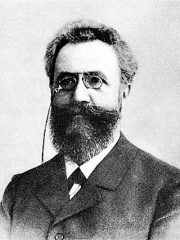
Hermann Ebbinghaus
1850 - 1909
HPI: 74.08
排名: 4
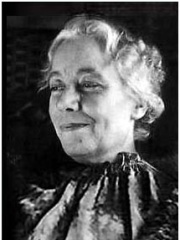
Karen Horney
1885 - 1952
HPI: 73.22
排名: 5
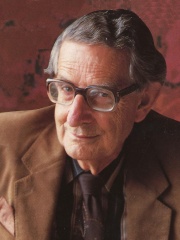
Hans Eysenck
1916 - 1997
HPI: 71.77
排名: 6
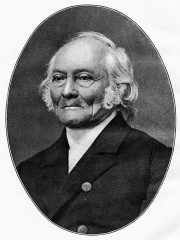
Ernst Heinrich Weber
1795 - 1878
HPI: 69.82
排名: 7
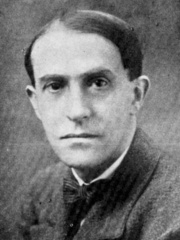
Kurt Koffka
1886 - 1941
HPI: 69.72
排名: 8
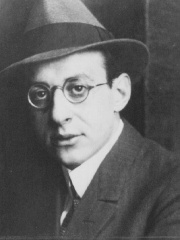
Fritz Perls
1893 - 1970
HPI: 68.90
排名: 9
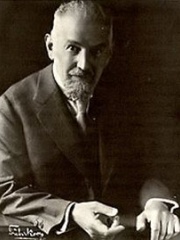
William Stern
1871 - 1938
HPI: 68.86
排名: 10
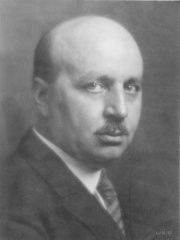
Karl Bühler
1879 - 1963
HPI: 68.37
排名: 11
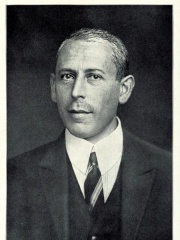
Karl Abraham
1877 - 1925
HPI: 68.34
排名: 12




