Psycholog
William James
1842 - 1910
WYŚWIETLENIA PL.WIKIPEDIA (PV)
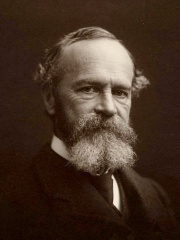
 William James
Jego biografia jest dostępna w 86 różnych językach w Wikipedii (wzrost z 84 w 2024 roku). William James jest 13. najpopularniejszym psycholog (spadek z 12. w 2024 roku), 166. najpopularniejszą biografią Stany Zjednoczone (spadek z 135. w 2019 roku) oraz 3. najpopularniejszym psycholog Stany Zjednoczone.
Wskaźniki rozpoznawalności
520k
Wyświetlenia strony
Ostatnie 12 miesięcy
78.62
HPI
Indeks historycznej popularności
Ciekawostki z danych
#166 / 23k
William James zajmuje 166. miejsce wśród 23,232 postaci w Pantheonie urodzonych w kraju Stany Zjednoczone, w najlepszych 1% tej grupy.
86
Biografia postaci William James występuje w 86 wersjach językowych Wikipedii, w większej liczbie niż u 98% wszystkich Psycholog.
Wyświetlenia strony William James według języka
Wśród przedstawicieli zawodu Psycholog
Wśród przedstawicieli zawodu „Psycholog” William James zajmuje 13. miejsce na 243. Przed nim są Wilhelm Wundt, Lev Vygotsky, Jacques Lacan, Viktor Frankl, Erik Erikson, i John Dewey. Po nim są Carl Rogers, Gustave Le Bon, Albert Bandura, Anna Freud, Kurt Lewin, i Jordan Peterson.
Najpopularniejsi w Wikipedii: Psycholog
Zobacz wszystkie rankingi
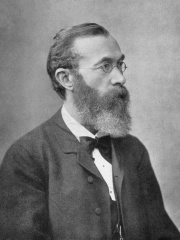
Wilhelm Wundt
1832 - 1920
HPI: 80.54
Miejsce: 7
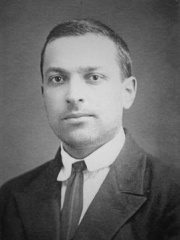
Lev Vygotsky
1896 - 1934
HPI: 80.34
Miejsce: 8
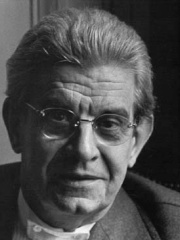
Jacques Lacan
1901 - 1981
HPI: 80.10
Miejsce: 9
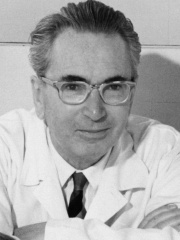
Viktor Frankl
1905 - 1997
HPI: 79.30
Miejsce: 10
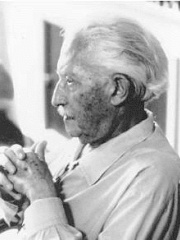
Erik Erikson
1902 - 1994
HPI: 78.99
Miejsce: 11
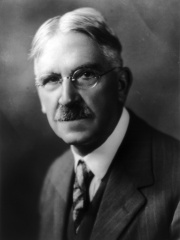
John Dewey
1859 - 1952
HPI: 78.90
Miejsce: 12
William James
1842 - 1910
HPI: 78.62
Miejsce: 13
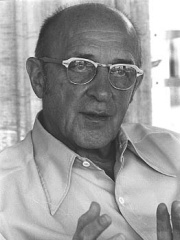
Carl Rogers
1902 - 1987
HPI: 78.56
Miejsce: 14
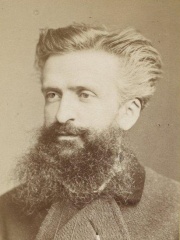
Gustave Le Bon
1841 - 1931
HPI: 77.78
Miejsce: 15
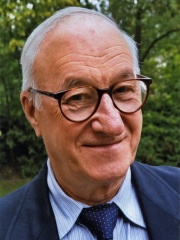
Albert Bandura
1925 - 2021
HPI: 76.67
Miejsce: 16
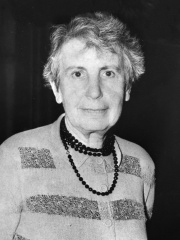
Anna Freud
1895 - 1982
HPI: 76.60
Miejsce: 17

Kurt Lewin
1890 - 1947
HPI: 75.66
Miejsce: 18

Jordan Peterson
1962 - obecnie
HPI: 75.52
Miejsce: 19

Współcześni
Wśród osób urodzonych w 1842 roku William James zajmuje 4. miejsce. Przed nim są John William Strutt, 3rd Baron Rayleigh, Abdul Hamid II, i Stéphane Mallarmé. Po nim są Peter Kropotkin, Jules Massenet, Archduke Ludwig Viktor of Austria, Alfred Marshall, Karl May, Dominic Savio, Josef Breuer, i Camille Flammarion. Wśród osób zmarłych w 1910 roku William James zajmuje 8. miejsce. Przed nim są Edward VII, Mark Twain, Robert Koch, Henry Dunant, Florence Nightingale, i Bjørnstjerne Bjørnson. Po nim są Henri Rousseau, Nadar, O. Henry, Giovanni Schiaparelli, Mily Balakirev, i Chulalongkorn.
Inne osoby urodzone w 1842 roku
Zobacz wszystkie rankingi
John William Strutt, 3rd Baron Rayleigh
PHYSICIST
1842 - 1919
HPI: 83.12
Miejsce: 1
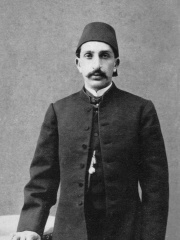
Abdul Hamid II
POLITICIAN
1842 - 1918
HPI: 82.43
Miejsce: 2
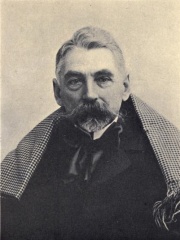
Stéphane Mallarmé
WRITER
1842 - 1898
HPI: 78.77
Miejsce: 3
William James
PSYCHOLOGIST
1842 - 1910
HPI: 78.62
Miejsce: 4
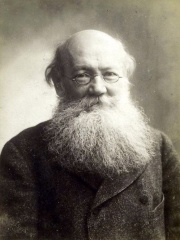
Peter Kropotkin
SOCIAL ACTIVIST
1842 - 1921
HPI: 78.36
Miejsce: 5
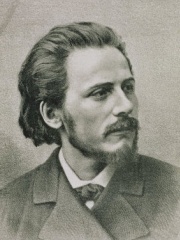
Jules Massenet
COMPOSER
1842 - 1912
HPI: 76.83
Miejsce: 6
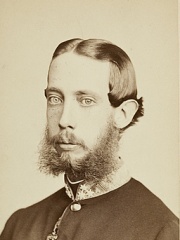
Archduke Ludwig Viktor of Austria
NOBLEMAN
1842 - 1919
HPI: 75.78
Miejsce: 7
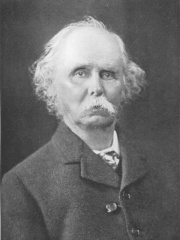
Alfred Marshall
ECONOMIST
1842 - 1924
HPI: 75.63
Miejsce: 8
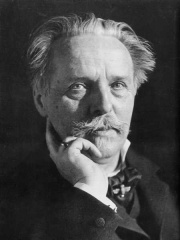
Karl May
WRITER
1842 - 1912
HPI: 74.35
Miejsce: 9

Dominic Savio
RELIGIOUS FIGURE
1842 - 1857
HPI: 73.33
Miejsce: 10
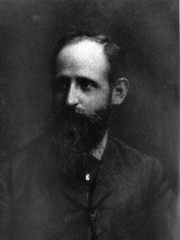
Josef Breuer
PHILOSOPHER
1842 - 1925
HPI: 72.48
Miejsce: 11
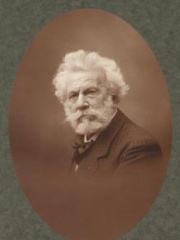
Camille Flammarion
WRITER
1842 - 1925
HPI: 72.22
Miejsce: 12
Inne osoby zmarłe w 1910 roku
Zobacz wszystkie rankingi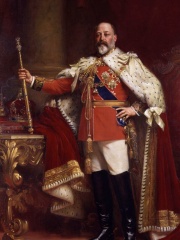
Edward VII
NOBLEMAN
1841 - 1910
HPI: 89.68
Miejsce: 2
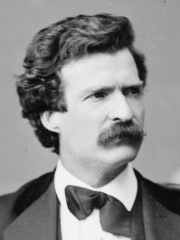
Mark Twain
WRITER
1835 - 1910
HPI: 83.94
Miejsce: 3
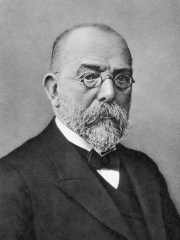
Robert Koch
PHYSICIAN
1843 - 1910
HPI: 83.47
Miejsce: 4
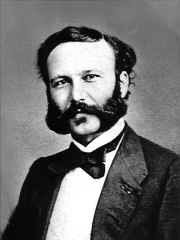
Henry Dunant
SOCIAL ACTIVIST
1828 - 1910
HPI: 83.32
Miejsce: 5
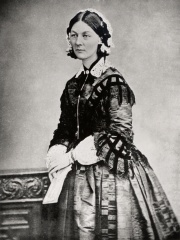
Florence Nightingale
PHYSICIAN
1820 - 1910
HPI: 83.23
Miejsce: 6
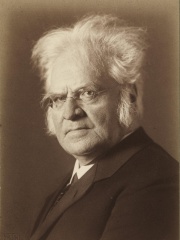
Bjørnstjerne Bjørnson
WRITER
1832 - 1910
HPI: 81.19
Miejsce: 7
William James
PSYCHOLOGIST
1842 - 1910
HPI: 78.62
Miejsce: 8
Henri Rousseau
PAINTER
1844 - 1910
HPI: 78.41
Miejsce: 9
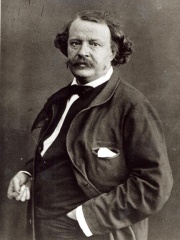
Nadar
PHOTOGRAPHER
1820 - 1910
HPI: 77.63
Miejsce: 10
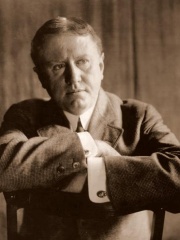
O. Henry
WRITER
1862 - 1910
HPI: 74.72
Miejsce: 11
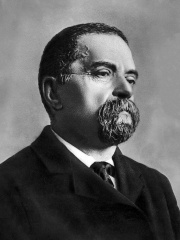
Giovanni Schiaparelli
ASTRONOMER
1835 - 1910
HPI: 74.56
Miejsce: 12
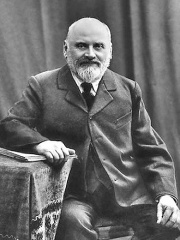
Mily Balakirev
COMPOSER
1837 - 1910
HPI: 74.24
Miejsce: 13
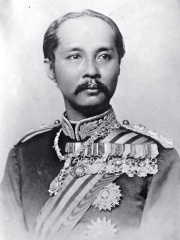
Chulalongkorn
POLITICIAN
1853 - 1910
HPI: 74.23
Miejsce: 14
W kraju Stany Zjednoczone
Wśród osób urodzonych w kraju Stany Zjednoczone William James zajmuje 166. miejsce na 23,232. Przed nim są Kirk Douglas (1916), Tina Turner (1939), John Wayne (1907), George Washington Carver (1864), Katharine Hepburn (1907), i Charles Francis Richter (1900). Po nim są John Steinbeck (1902), Richard Gere (1949), Carl Rogers (1902), Richard Feynman (1918), Sheldon Lee Glashow (1932), i Tupac Shakur (1971).
Inne osoby urodzone w kraju Stany Zjednoczone
Zobacz wszystkie rankingi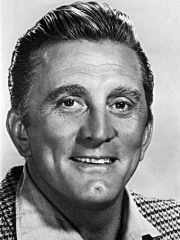
Kirk Douglas
ACTOR
1916 - 2020
HPI: 78.83
Miejsce: 160

Tina Turner
SINGER
1939 - 2023
HPI: 78.83
Miejsce: 161
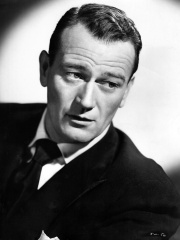
John Wayne
ACTOR
1907 - 1979
HPI: 78.81
Miejsce: 162
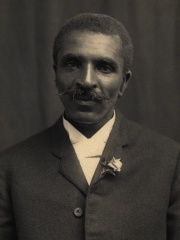
George Washington Carver
CHEMIST
1864 - 1943
HPI: 78.70
Miejsce: 163
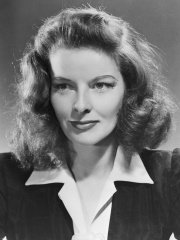
Katharine Hepburn
ACTOR
1907 - 2003
HPI: 78.63
Miejsce: 164
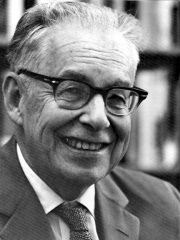
Charles Francis Richter
GEOLOGIST
1900 - 1985
HPI: 78.63
Miejsce: 165
William James
PSYCHOLOGIST
1842 - 1910
HPI: 78.62
Miejsce: 166
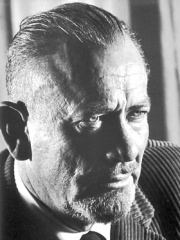
John Steinbeck
WRITER
1902 - 1968
HPI: 78.61
Miejsce: 167
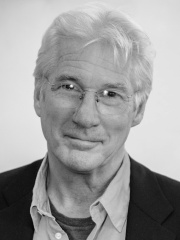
Richard Gere
ACTOR
1949 - obecnie
HPI: 78.57
Miejsce: 168
Carl Rogers
PSYCHOLOGIST
1902 - 1987
HPI: 78.56
Miejsce: 169
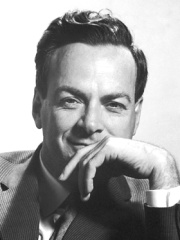
Richard Feynman
PHYSICIST
1918 - 1988
HPI: 78.55
Miejsce: 170

Sheldon Lee Glashow
PHYSICIST
1932 - obecnie
HPI: 78.53
Miejsce: 171
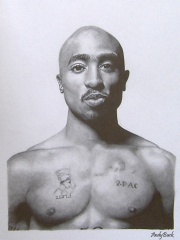
Tupac Shakur
SINGER
1971 - 1996
HPI: 78.51
Miejsce: 172
Wśród przedstawicieli zawodu Psycholog w kraju Stany Zjednoczone
Wśród przedstawicieli zawodu „Psycholog” urodzonych w kraju Stany Zjednoczone William James zajmuje 3. miejsce. Przed nim są Abraham Maslow (1908), i John Dewey (1859). Po nim są Carl Rogers (1902), John B. Watson (1878), Irvin D. Yalom (1931), B. F. Skinner (1904), Edward Thorndike (1874), Aaron T. Beck (1921), Howard Gardner (1943), Gordon Allport (1897), i Paul Ekman (1934).
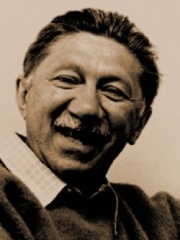
Abraham Maslow
1908 - 1970
HPI: 80.93
Miejsce: 1
John Dewey
1859 - 1952
HPI: 78.90
Miejsce: 2
William James
1842 - 1910
HPI: 78.62
Miejsce: 3
Carl Rogers
1902 - 1987
HPI: 78.56
Miejsce: 4
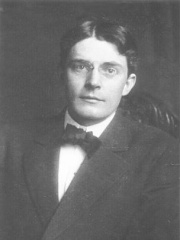
John B. Watson
1878 - 1958
HPI: 75.34
Miejsce: 5
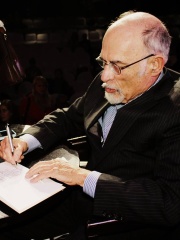
Irvin D. Yalom
1931 - obecnie
HPI: 75.24
Miejsce: 6
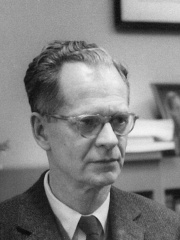
B. F. Skinner
1904 - 1990
HPI: 75.08
Miejsce: 7
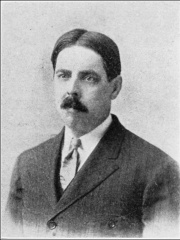
Edward Thorndike
1874 - 1949
HPI: 74.93
Miejsce: 8
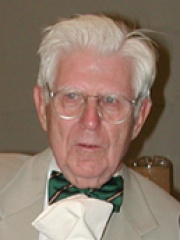
Aaron T. Beck
1921 - 2021
HPI: 73.89
Miejsce: 9
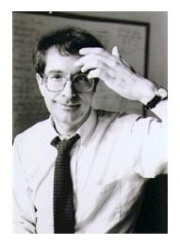
Howard Gardner
1943 - obecnie
HPI: 72.88
Miejsce: 10

Gordon Allport
1897 - 1967
HPI: 72.50
Miejsce: 11
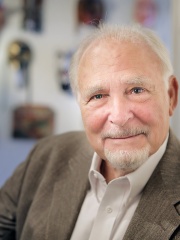
Paul Ekman
1934 - 2025
HPI: 72.26
Miejsce: 12




