Psycholog
Jean Piaget
1896 - 1980
WYŚWIETLENIA PL.WIKIPEDIA (PV)
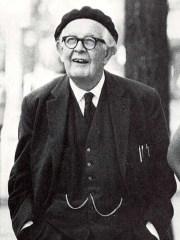
 Jean Piaget
Jego biografia jest dostępna w 87 różnych językach w Wikipedii (wzrost z 86 w 2024 roku). Jean Piaget jest 3. najpopularniejszym psycholog, 7. najpopularniejszą biografią Szwajcaria oraz 2. najpopularniejszym psycholog Szwajcaria.
Wskaźniki rozpoznawalności
700k
Wyświetlenia strony
Ostatnie 12 miesięcy
82.27
HPI
Indeks historycznej popularności
Ciekawostki z danych
#7 / 1,198
Jean Piaget zajmuje 7. miejsce wśród 1,198 postaci w Pantheonie urodzonych w kraju Szwajcaria, w najlepszych 1% tej grupy.
87
Biografia postaci Jean Piaget występuje w 87 wersjach językowych Wikipedii, w większej liczbie niż u 98% wszystkich Psycholog.
Wyświetlenia strony Jean Piaget według języka
Wśród przedstawicieli zawodu Psycholog
Wśród przedstawicieli zawodu „Psycholog” Jean Piaget zajmuje 3. miejsce na 243. Przed nim są Sigmund Freud, i Carl Jung. Po nim są Erich Fromm, Alfred Adler, Abraham Maslow, Wilhelm Wundt, Lev Vygotsky, Jacques Lacan, Viktor Frankl, Erik Erikson, i John Dewey.
Najpopularniejsi w Wikipedii: Psycholog
Zobacz wszystkie rankingi
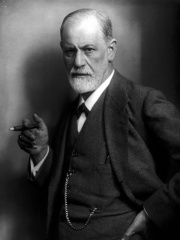
Sigmund Freud
1856 - 1939
HPI: 91.09
Miejsce: 1
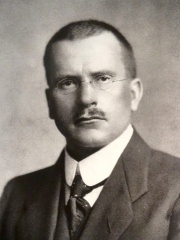
Carl Jung
1875 - 1961
HPI: 85.60
Miejsce: 2
Jean Piaget
1896 - 1980
HPI: 82.27
Miejsce: 3
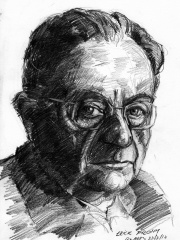
Erich Fromm
1900 - 1980
HPI: 81.27
Miejsce: 4
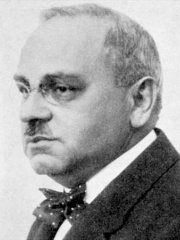
Alfred Adler
1870 - 1937
HPI: 81.23
Miejsce: 5
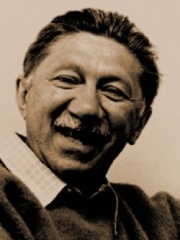
Abraham Maslow
1908 - 1970
HPI: 80.93
Miejsce: 6
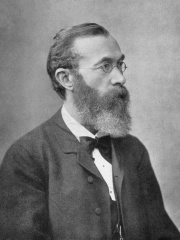
Wilhelm Wundt
1832 - 1920
HPI: 80.54
Miejsce: 7
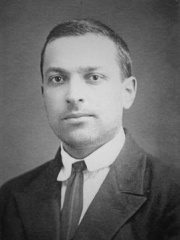
Lev Vygotsky
1896 - 1934
HPI: 80.34
Miejsce: 8
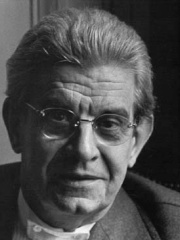
Jacques Lacan
1901 - 1981
HPI: 80.10
Miejsce: 9
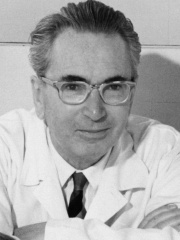
Viktor Frankl
1905 - 1997
HPI: 79.30
Miejsce: 10
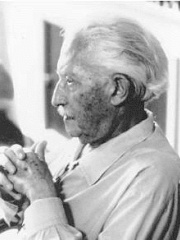
Erik Erikson
1902 - 1994
HPI: 78.99
Miejsce: 11
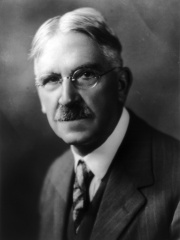
John Dewey
1859 - 1952
HPI: 78.90
Miejsce: 12

Współcześni
Wśród osób urodzonych w 1896 roku Jean Piaget zajmuje 3. miejsce. Przed nim są F. Scott Fitzgerald, i Wallis Simpson. Po nim są Georgy Zhukov, Lev Vygotsky, André Breton, Imre Nagy, A. C. Bhaktivedanta Swami Prabhupada, Tristan Tzara, Roman Jakobson, Antonin Artaud, i Gerty Cori. Wśród osób zmarłych w 1980 roku Jean Piaget zajmuje 5. miejsce. Przed nim są Jean-Paul Sartre, Josip Broz Tito, Karl Dönitz, i John Lennon. Po nim są Alfred Hitchcock, Mohammad Reza Pahlavi, Erich Fromm, Roland Barthes, Steve McQueen, Bon Scott, i Oskar Kokoschka.
Inne osoby urodzone w 1896 roku
Zobacz wszystkie rankingi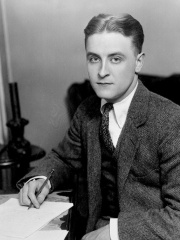
F. Scott Fitzgerald
WRITER
1896 - 1940
HPI: 84.65
Miejsce: 1
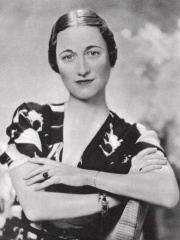
Wallis Simpson
CELEBRITY
1896 - 1986
HPI: 83.16
Miejsce: 2
Jean Piaget
PSYCHOLOGIST
1896 - 1980
HPI: 82.27
Miejsce: 3
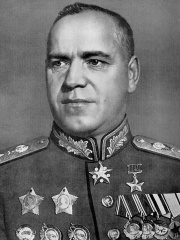
Georgy Zhukov
POLITICIAN
1896 - 1974
HPI: 80.82
Miejsce: 4
Lev Vygotsky
PSYCHOLOGIST
1896 - 1934
HPI: 80.34
Miejsce: 5
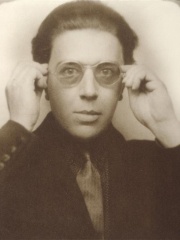
André Breton
WRITER
1896 - 1966
HPI: 79.00
Miejsce: 6
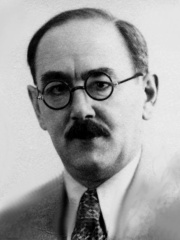
Imre Nagy
POLITICIAN
1896 - 1958
HPI: 77.93
Miejsce: 7
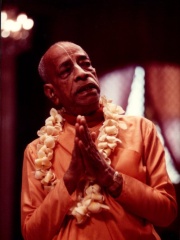
A. C. Bhaktivedanta Swami Prabhupada
RELIGIOUS FIGURE
1896 - 1977
HPI: 77.86
Miejsce: 8
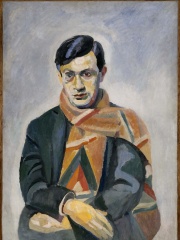
Tristan Tzara
WRITER
1896 - 1963
HPI: 77.53
Miejsce: 9
Roman Jakobson
LINGUIST
1896 - 1982
HPI: 76.47
Miejsce: 10
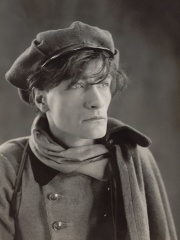
Antonin Artaud
WRITER
1896 - 1948
HPI: 75.38
Miejsce: 11
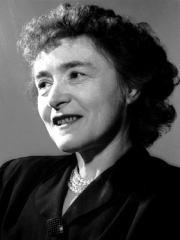
Gerty Cori
CHEMIST
1896 - 1957
HPI: 75.23
Miejsce: 12
Inne osoby zmarłe w 1980 roku
Zobacz wszystkie rankingi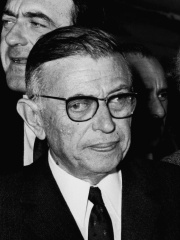
Jean-Paul Sartre
WRITER
1905 - 1980
HPI: 87.31
Miejsce: 1
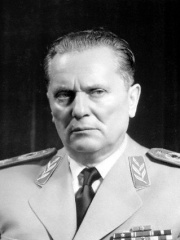
Josip Broz Tito
POLITICIAN
1892 - 1980
HPI: 86.53
Miejsce: 2
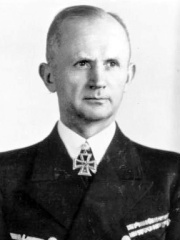
Karl Dönitz
MILITARY PERSONNEL
1891 - 1980
HPI: 84.90
Miejsce: 3
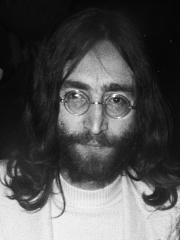
John Lennon
MUSICIAN
1940 - 1980
HPI: 83.61
Miejsce: 4
Jean Piaget
PSYCHOLOGIST
1896 - 1980
HPI: 82.27
Miejsce: 5
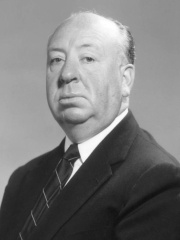
Alfred Hitchcock
FILM DIRECTOR
1899 - 1980
HPI: 82.16
Miejsce: 6
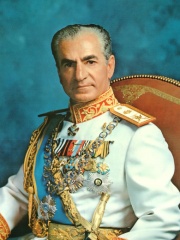
Mohammad Reza Pahlavi
POLITICIAN
1919 - 1980
HPI: 82.03
Miejsce: 7
Erich Fromm
PSYCHOLOGIST
1900 - 1980
HPI: 81.27
Miejsce: 8
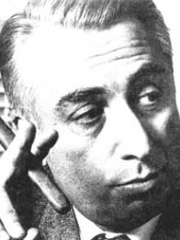
Roland Barthes
PHILOSOPHER
1915 - 1980
HPI: 80.26
Miejsce: 9
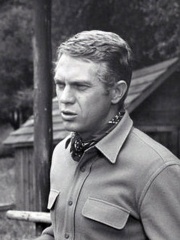
Steve McQueen
ACTOR
1930 - 1980
HPI: 78.50
Miejsce: 10

Bon Scott
MUSICIAN
1946 - 1980
HPI: 78.13
Miejsce: 11
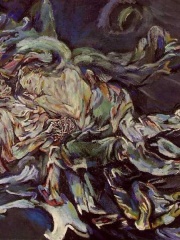
Oskar Kokoschka
PAINTER
1886 - 1980
HPI: 77.14
Miejsce: 12
W kraju Szwajcaria
Wśród osób urodzonych w kraju Szwajcaria Jean Piaget zajmuje 7. miejsce na 1,198. Przed nim są Jean-Jacques Rousseau (1712), Leonhard Euler (1707), Le Corbusier (1887), Carl Jung (1875), Paracelsus (1493), i Henry Dunant (1828). Po nim są Ferdinand de Saussure (1857), Jacob Bernoulli (1654), Huldrych Zwingli (1484), Sepp Blatter (1936), Johann Heinrich Pestalozzi (1746), i Paul Klee (1879).
Inne osoby urodzone w kraju Szwajcaria
Zobacz wszystkie rankingi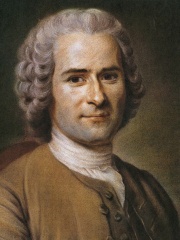
Jean-Jacques Rousseau
PHILOSOPHER
1712 - 1778
HPI: 91.27
Miejsce: 1
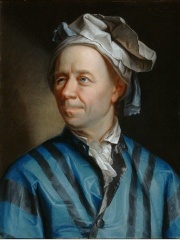
Leonhard Euler
MATHEMATICIAN
1707 - 1783
HPI: 87.60
Miejsce: 2
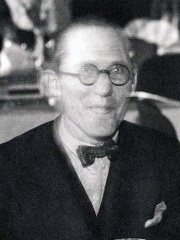
Le Corbusier
ARCHITECT
1887 - 1965
HPI: 86.85
Miejsce: 3
Carl Jung
PSYCHOLOGIST
1875 - 1961
HPI: 85.60
Miejsce: 4
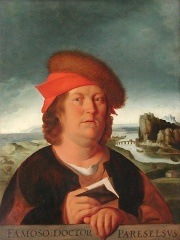
Paracelsus
PHYSICIAN
1493 - 1541
HPI: 85.08
Miejsce: 5
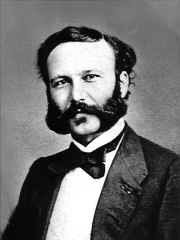
Henry Dunant
SOCIAL ACTIVIST
1828 - 1910
HPI: 83.32
Miejsce: 6
Jean Piaget
PSYCHOLOGIST
1896 - 1980
HPI: 82.27
Miejsce: 7
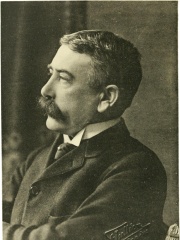
Ferdinand de Saussure
LINGUIST
1857 - 1913
HPI: 82.09
Miejsce: 8
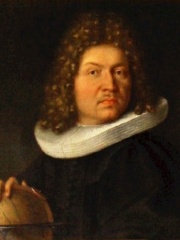
Jacob Bernoulli
MATHEMATICIAN
1654 - 1705
HPI: 81.66
Miejsce: 9
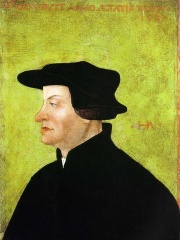
Huldrych Zwingli
RELIGIOUS FIGURE
1484 - 1531
HPI: 81.35
Miejsce: 10
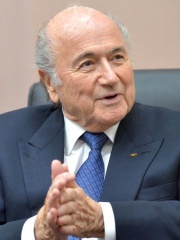
Sepp Blatter
BUSINESSPERSON
1936 - obecnie
HPI: 80.94
Miejsce: 11
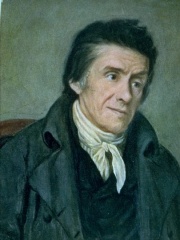
Johann Heinrich Pestalozzi
SOCIAL ACTIVIST
1746 - 1827
HPI: 80.39
Miejsce: 12
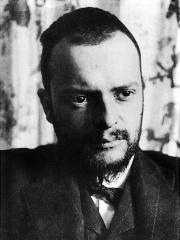
Paul Klee
PAINTER
1879 - 1940
HPI: 80.07
Miejsce: 13
Wśród przedstawicieli zawodu Psycholog w kraju Szwajcaria
Wśród przedstawicieli zawodu „Psycholog” urodzonych w kraju Szwajcaria Jean Piaget zajmuje 2. miejsce. Przed nim jest Carl Jung (1875). Po nim są Hermann Rorschach (1884), Ludwig Binswanger (1881), Auguste Forel (1848), Édouard Claparède (1873), Edgar Schein (1928), Otto Binswanger (1852), i Théodore Flournoy (1854).
Carl Jung
1875 - 1961
HPI: 85.60
Miejsce: 1
Jean Piaget
1896 - 1980
HPI: 82.27
Miejsce: 2
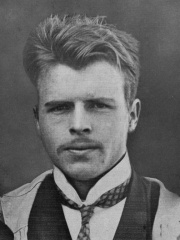
Hermann Rorschach
1884 - 1922
HPI: 72.22
Miejsce: 3
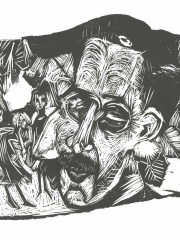
Ludwig Binswanger
1881 - 1966
HPI: 66.82
Miejsce: 4
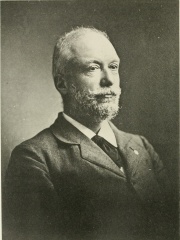
Auguste Forel
1848 - 1931
HPI: 66.27
Miejsce: 5
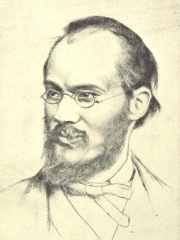
Édouard Claparède
1873 - 1940
HPI: 64.32
Miejsce: 6

Edgar Schein
1928 - 2023
HPI: 58.89
Miejsce: 7
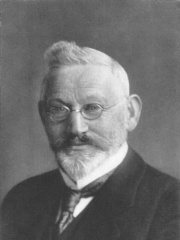
Otto Binswanger
1852 - 1929
HPI: 58.30
Miejsce: 8
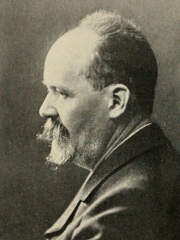
Théodore Flournoy
1854 - 1920
HPI: 56.99
Miejsce: 9




