Político
Regalianus
250 - 260
VISUALIZAÇÕES EM PT.WIKIPEDIA (PV)
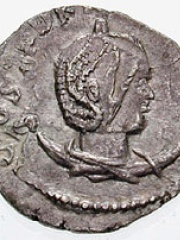
 Regalianus
Sua biografia está disponível em 29 idiomas na Wikipédia. Regalianus é o 3268º político mais popular (subiu do 8773º em 2024), a 53ª biografia mais popular da Romênia (subiu do 163ª em 2019) e o 28º político mais popular da Romênia.
Métricas de memorabilidade
15k
Visualizações
Últimos 12 meses
69.20
HPI
Índice de Popularidade Histórica
Destaques dos dados
+17k
Regalianus subiu 17,314 posições no ranking global de HPI do Pantheon, da posição nº 27,506 para a nº 10,201.
#53 / 1,050
Regalianus ocupa a posição nº 53 entre as 1,050 pessoas do Pantheon nascidas em Romênia, entre os 6% melhores do grupo.
Visualizações da página de Regalianus por idioma
Entre Político
Entre Político, Regalianus ocupa a posição 3,266 de 20,022. Antes dele vêm Otto Ernst Remer, Konrad Henlein, Junichiro Koizumi, Yazdegerd II, Gebre Mesqel Lalibela, e Nobusuke Kishi. Depois dele vêm Elio Di Rupo, Günter Schabowski, Wang Xizhi, Gudrun Burwitz, Biligtü Khan Ayushiridara, e Musa ibn Nusayr.
Político mais populares na Wikipédia
Ver todas as classificações
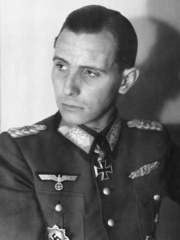
Otto Ernst Remer
1912 - 1997
HPI: 69.21
Posição: 3,262
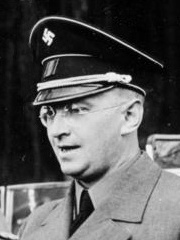
Konrad Henlein
1898 - 1945
HPI: 69.21
Posição: 3,263

Junichiro Koizumi
1942 - presente
HPI: 69.21
Posição: 3,264
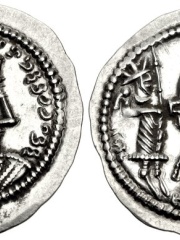
Yazdegerd II
500 - 457
HPI: 69.20
Posição: 3,265

Gebre Mesqel Lalibela
1200 - 1221
HPI: 69.20
Posição: 3,266

Nobusuke Kishi
1896 - 1987
HPI: 69.20
Posição: 3,267
Regalianus
250 - 260
HPI: 69.20
Posição: 3,268

Elio Di Rupo
1951 - presente
HPI: 69.20
Posição: 3,269
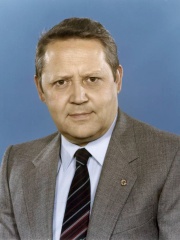
Günter Schabowski
1929 - 2015
HPI: 69.19
Posição: 3,270

Wang Xizhi
303 - 361
HPI: 69.19
Posição: 3,271

Gudrun Burwitz
1929 - 2018
HPI: 69.19
Posição: 3,272

Biligtü Khan Ayushiridara
1338 - 1378
HPI: 69.19
Posição: 3,273
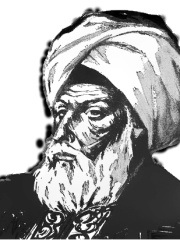
Musa ibn Nusayr
640 - 716
HPI: 69.18
Posição: 3,274

Contemporâneos
Entre as pessoas nascidas em 250, Regalianus ocupa a posição 18. Antes dele vêm Martinian, Carinus, Saint Maurice, Heliodorus of Emesa, Bahram I, e Hormizd I. Depois dele vêm Laelianus, Tetricus I, Postumus, Bahram II, Saint Chrysogonus, e Marcus Aurelius Marius. Entre as pessoas falecidas em 260, Regalianus ocupa a posição 2. Antes dele vem Valerian. Depois dele vêm Saloninus, Cao Mao, Marcus Minucius Felix, Sun Liang, e Ingenuus.
Outras pessoas nascidas em 250
Ver todas as classificações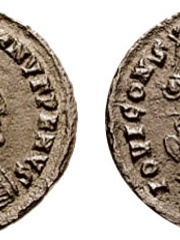
Martinian
POLITICIAN
250 - 324
HPI: 73.09
Posição: 12
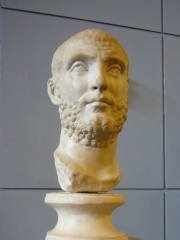
Carinus
POLITICIAN
250 - 285
HPI: 72.69
Posição: 13
Saint Maurice
RELIGIOUS FIGURE
250 - 287
HPI: 72.41
Posição: 14

Heliodorus of Emesa
WRITER
250 - 400
HPI: 69.89
Posição: 15
Bahram I
POLITICIAN
250 - 276
HPI: 69.85
Posição: 16
Hormizd I
POLITICIAN
250 - 273
HPI: 69.38
Posição: 17
Regalianus
POLITICIAN
250 - 260
HPI: 69.20
Posição: 18
Laelianus
POLITICIAN
250 - 269
HPI: 68.75
Posição: 19
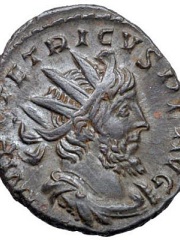
Tetricus I
POLITICIAN
250 - 274
HPI: 68.73
Posição: 20
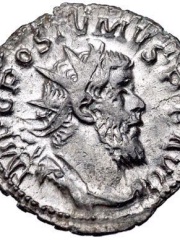
Postumus
POLITICIAN
250 - 269
HPI: 68.59
Posição: 21
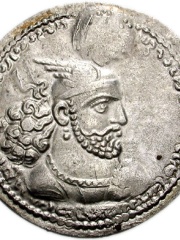
Bahram II
POLITICIAN
250 - 293
HPI: 68.39
Posição: 22
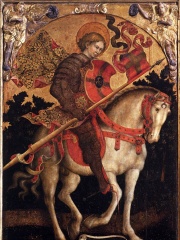
Saint Chrysogonus
RELIGIOUS FIGURE
250 - 303
HPI: 66.40
Posição: 23
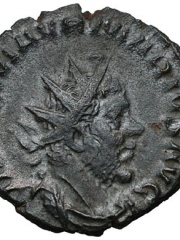
Marcus Aurelius Marius
POLITICIAN
250 - 269
HPI: 66.03
Posição: 24
Outras pessoas falecidas em 260
Ver todas as classificações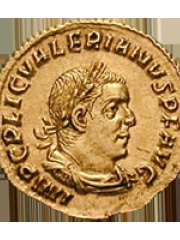
Valerian
POLITICIAN
200 - 260
HPI: 77.94
Posição: 1
Regalianus
POLITICIAN
250 - 260
HPI: 69.20
Posição: 2
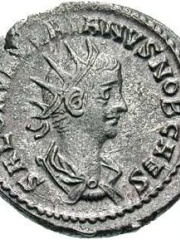
Saloninus
POLITICIAN
242 - 260
HPI: 68.96
Posição: 3

Cao Mao
POLITICIAN
241 - 260
HPI: 67.37
Posição: 4

Marcus Minucius Felix
WRITER
110 - 260
HPI: 67.16
Posição: 5

Sun Liang
POLITICIAN
243 - 260
HPI: 66.24
Posição: 6
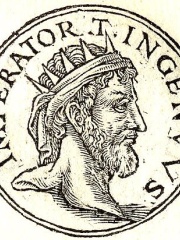
Ingenuus
POLITICIAN
200 - 260
HPI: 63.50
Posição: 7
Em Romênia
Entre as pessoas nascidas em Romênia, Regalianus ocupa a posição 53 de 1,050. Antes dele vêm Milan I of Serbia (1854), Alexandru Ioan Cuza (1820), Ben Ferencz (1920), Alexander Löhr (1885), Gabriel Bethlen (1580), e Mircea II of Wallachia (1422). Depois dele vêm Gheorghe Zamfir (1941), George Emil Palade (1912), Corneliu Zelea Codreanu (1899), Henri Coandă (1886), Mircea I of Wallachia (1355), e Chivu Stoica (1908).
Outras pessoas nascidas em Romênia
Ver todas as classificações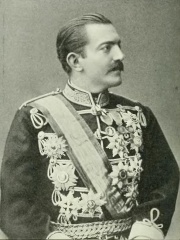
Milan I of Serbia
POLITICIAN
1854 - 1901
HPI: 69.91
Posição: 47
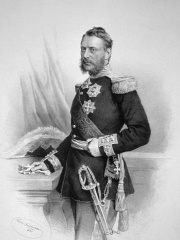
Alexandru Ioan Cuza
POLITICIAN
1820 - 1873
HPI: 69.88
Posição: 48
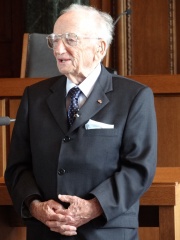
Ben Ferencz
POLITICIAN
1920 - 2023
HPI: 69.71
Posição: 49
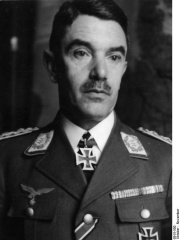
Alexander Löhr
MILITARY PERSONNEL
1885 - 1947
HPI: 69.66
Posição: 50

Gabriel Bethlen
POLITICIAN
1580 - 1629
HPI: 69.51
Posição: 51

Mircea II of Wallachia
POLITICIAN
1422 - 1447
HPI: 69.33
Posição: 52
Regalianus
POLITICIAN
250 - 260
HPI: 69.20
Posição: 53
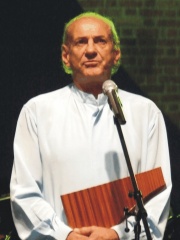
Gheorghe Zamfir
MUSICIAN
1941 - presente
HPI: 69.05
Posição: 54

George Emil Palade
PHYSICIAN
1912 - 2008
HPI: 68.99
Posição: 55

Corneliu Zelea Codreanu
POLITICIAN
1899 - 1938
HPI: 68.80
Posição: 56
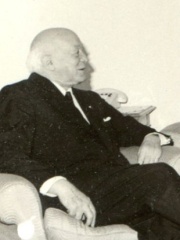
Henri Coandă
INVENTOR
1886 - 1972
HPI: 68.53
Posição: 57
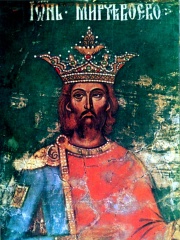
Mircea I of Wallachia
POLITICIAN
1355 - 1418
HPI: 68.46
Posição: 58
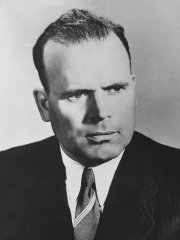
Chivu Stoica
POLITICIAN
1908 - 1975
HPI: 68.44
Posição: 59
Entre Político em Romênia
Entre Político nascidos em Romênia, Regalianus ocupa a posição 28. Antes dele vêm Traian Băsescu (1951), Milan I of Serbia (1854), Alexandru Ioan Cuza (1820), Ben Ferencz (1920), Gabriel Bethlen (1580), e Mircea II of Wallachia (1422). Depois dele vêm Corneliu Zelea Codreanu (1899), Mircea I of Wallachia (1355), Chivu Stoica (1908), Ana Pauker (1893), Sigismund Báthory (1572), e György Dózsa (1470).

Traian Băsescu
1951 - presente
HPI: 70.60
Posição: 22
Milan I of Serbia
1854 - 1901
HPI: 69.91
Posição: 23
Alexandru Ioan Cuza
1820 - 1873
HPI: 69.88
Posição: 24
Ben Ferencz
1920 - 2023
HPI: 69.71
Posição: 25
Gabriel Bethlen
1580 - 1629
HPI: 69.51
Posição: 26
Mircea II of Wallachia
1422 - 1447
HPI: 69.33
Posição: 27
Regalianus
250 - 260
HPI: 69.20
Posição: 28
Corneliu Zelea Codreanu
1899 - 1938
HPI: 68.80
Posição: 29
Mircea I of Wallachia
1355 - 1418
HPI: 68.46
Posição: 30
Chivu Stoica
1908 - 1975
HPI: 68.44
Posição: 31
Ana Pauker
1893 - 1960
HPI: 68.21
Posição: 32
Sigismund Báthory
1572 - 1613
HPI: 67.97
Posição: 33
György Dózsa
1470 - 1514
HPI: 67.84
Posição: 34




