Politicus
Regalianus
250 - 260
NL.WIKIPEDIA-PAGINAWEERGAVEN (PV)
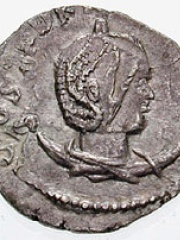
 Regalianus
Zijn biografie is beschikbaar in 29 verschillende talen op Wikipedia. Regalianus staat op plaats 3.268 onder de meest populaire politicus (gestegen van plaats 8.772 in 2024), plaats 53 onder de meest populaire biografieën uit Roemenië (gestegen van plaats 163 in 2019) en op plaats 28 onder de populairste politicus uit Roemenië.
Bekendheidsstatistieken
15k
Paginaweergaven
Afgelopen 12 maanden
69.20
HPI
Historische populariteitsindex
Data-inzichten
+17k
Regalianus steeg 17,314 plaatsen in de wereldwijde HPI-ranglijst van Pantheon, van plaats 27,506 naar 10,201.
#53 / 1,050
Regalianus staat op plaats 53 van de 1,050 personen in Pantheon die in Roemenië zijn geboren, bij de beste 6% van die groep.
Paginaweergaven van Regalianus per taal
Onder Politicus
Onder Politicus staat Regalianus op plaats 3,266 van 20,022. Vóór hem staan Otto Ernst Remer, Konrad Henlein, Junichiro Koizumi, Yazdegerd II, Gebre Mesqel Lalibela, en Nobusuke Kishi. Na hem komen Elio Di Rupo, Günter Schabowski, Wang Xizhi, Gudrun Burwitz, Biligtü Khan Ayushiridara, en Musa ibn Nusayr.
Populairste Politicus op Wikipedia
Naar alle ranglijsten
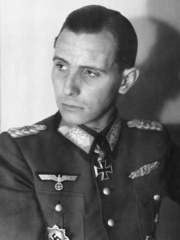
Otto Ernst Remer
1912 - 1997
HPI: 69.21
Plaats: 3,262
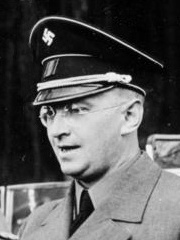
Konrad Henlein
1898 - 1945
HPI: 69.21
Plaats: 3,263
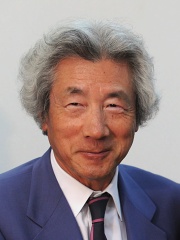
Junichiro Koizumi
1942 - heden
HPI: 69.21
Plaats: 3,264
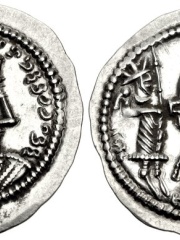
Yazdegerd II
500 - 457
HPI: 69.20
Plaats: 3,265
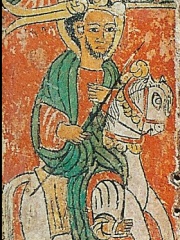
Gebre Mesqel Lalibela
1200 - 1221
HPI: 69.20
Plaats: 3,266

Nobusuke Kishi
1896 - 1987
HPI: 69.20
Plaats: 3,267
Regalianus
250 - 260
HPI: 69.20
Plaats: 3,268

Elio Di Rupo
1951 - heden
HPI: 69.20
Plaats: 3,269
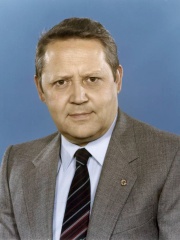
Günter Schabowski
1929 - 2015
HPI: 69.19
Plaats: 3,270

Wang Xizhi
303 - 361
HPI: 69.19
Plaats: 3,271

Gudrun Burwitz
1929 - 2018
HPI: 69.19
Plaats: 3,272

Biligtü Khan Ayushiridara
1338 - 1378
HPI: 69.19
Plaats: 3,273
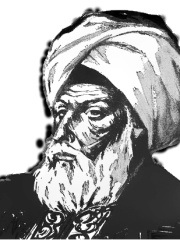
Musa ibn Nusayr
640 - 716
HPI: 69.18
Plaats: 3,274

Tijdgenoten
Onder de mensen geboren in 250 staat Regalianus op plaats 18. Vóór hem staan Martinian, Carinus, Saint Maurice, Heliodorus of Emesa, Bahram I, en Hormizd I. Na hem komen Laelianus, Tetricus I, Postumus, Bahram II, Saint Chrysogonus, en Marcus Aurelius Marius. Onder de mensen overleden in 260 staat Regalianus op plaats 2. Vóór hem staat Valerian. Na hem komen Saloninus, Cao Mao, Marcus Minucius Felix, Sun Liang, en Ingenuus.
Anderen geboren in 250
Naar alle ranglijsten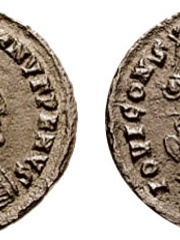
Martinian
POLITICIAN
250 - 324
HPI: 73.09
Plaats: 12
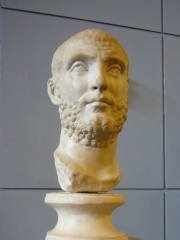
Carinus
POLITICIAN
250 - 285
HPI: 72.69
Plaats: 13
Saint Maurice
RELIGIOUS FIGURE
250 - 287
HPI: 72.41
Plaats: 14
Heliodorus of Emesa
WRITER
250 - 400
HPI: 69.89
Plaats: 15
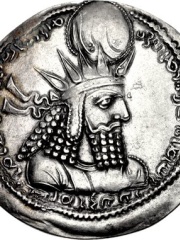
Bahram I
POLITICIAN
250 - 276
HPI: 69.85
Plaats: 16
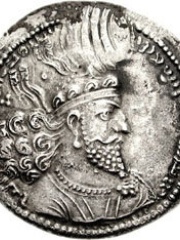
Hormizd I
POLITICIAN
250 - 273
HPI: 69.38
Plaats: 17
Regalianus
POLITICIAN
250 - 260
HPI: 69.20
Plaats: 18
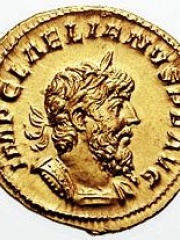
Laelianus
POLITICIAN
250 - 269
HPI: 68.75
Plaats: 19
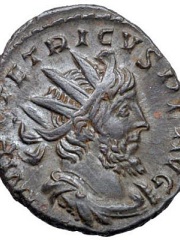
Tetricus I
POLITICIAN
250 - 274
HPI: 68.73
Plaats: 20
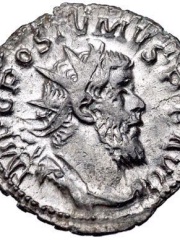
Postumus
POLITICIAN
250 - 269
HPI: 68.59
Plaats: 21
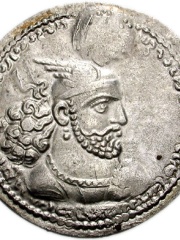
Bahram II
POLITICIAN
250 - 293
HPI: 68.39
Plaats: 22
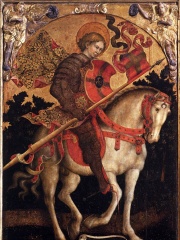
Saint Chrysogonus
RELIGIOUS FIGURE
250 - 303
HPI: 66.40
Plaats: 23
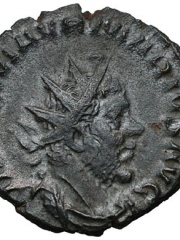
Marcus Aurelius Marius
POLITICIAN
250 - 269
HPI: 66.03
Plaats: 24
Anderen overleden in 260
Naar alle ranglijsten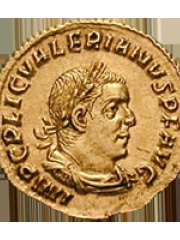
Valerian
POLITICIAN
200 - 260
HPI: 77.94
Plaats: 1
Regalianus
POLITICIAN
250 - 260
HPI: 69.20
Plaats: 2
Saloninus
POLITICIAN
242 - 260
HPI: 68.96
Plaats: 3

Cao Mao
POLITICIAN
241 - 260
HPI: 67.37
Plaats: 4

Marcus Minucius Felix
WRITER
110 - 260
HPI: 67.16
Plaats: 5

Sun Liang
POLITICIAN
243 - 260
HPI: 66.24
Plaats: 6
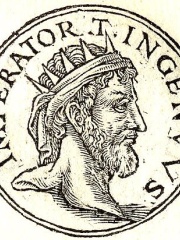
Ingenuus
POLITICIAN
200 - 260
HPI: 63.50
Plaats: 7
In Roemenië
Onder de mensen geboren in Roemenië staat Regalianus op plaats 53 van 1,050. Vóór hem staan Milan I of Serbia (1854), Alexandru Ioan Cuza (1820), Ben Ferencz (1920), Alexander Löhr (1885), Gabriel Bethlen (1580), en Mircea II of Wallachia (1422). Na hem komen Gheorghe Zamfir (1941), George Emil Palade (1912), Corneliu Zelea Codreanu (1899), Henri Coandă (1886), Mircea I of Wallachia (1355), en Chivu Stoica (1908).
Anderen geboren in Roemenië
Naar alle ranglijsten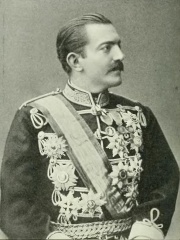
Milan I of Serbia
POLITICIAN
1854 - 1901
HPI: 69.91
Plaats: 47
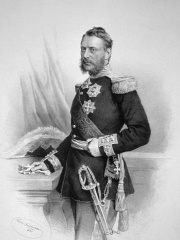
Alexandru Ioan Cuza
POLITICIAN
1820 - 1873
HPI: 69.88
Plaats: 48
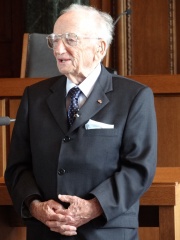
Ben Ferencz
POLITICIAN
1920 - 2023
HPI: 69.71
Plaats: 49
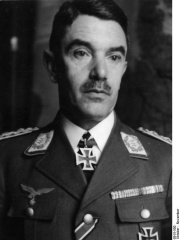
Alexander Löhr
MILITARY PERSONNEL
1885 - 1947
HPI: 69.66
Plaats: 50
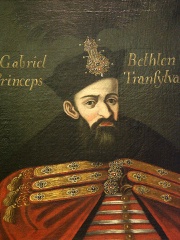
Gabriel Bethlen
POLITICIAN
1580 - 1629
HPI: 69.51
Plaats: 51

Mircea II of Wallachia
POLITICIAN
1422 - 1447
HPI: 69.33
Plaats: 52
Regalianus
POLITICIAN
250 - 260
HPI: 69.20
Plaats: 53
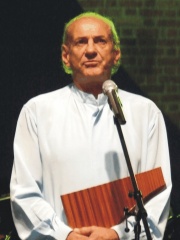
Gheorghe Zamfir
MUSICIAN
1941 - heden
HPI: 69.05
Plaats: 54

George Emil Palade
PHYSICIAN
1912 - 2008
HPI: 68.99
Plaats: 55

Corneliu Zelea Codreanu
POLITICIAN
1899 - 1938
HPI: 68.80
Plaats: 56
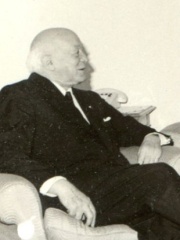
Henri Coandă
INVENTOR
1886 - 1972
HPI: 68.53
Plaats: 57
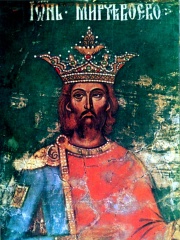
Mircea I of Wallachia
POLITICIAN
1355 - 1418
HPI: 68.46
Plaats: 58
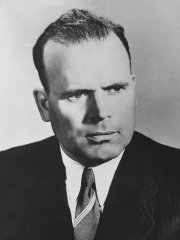
Chivu Stoica
POLITICIAN
1908 - 1975
HPI: 68.44
Plaats: 59
Onder Politicus in Roemenië
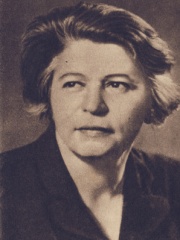
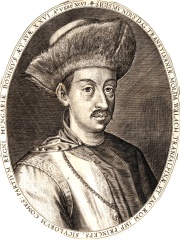
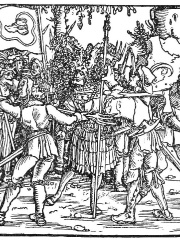
Onder Politicus geboren in Roemenië staat Regalianus op plaats 28. Vóór hem staan Traian Băsescu (1951), Milan I of Serbia (1854), Alexandru Ioan Cuza (1820), Ben Ferencz (1920), Gabriel Bethlen (1580), en Mircea II of Wallachia (1422). Na hem komen Corneliu Zelea Codreanu (1899), Mircea I of Wallachia (1355), Chivu Stoica (1908), Ana Pauker (1893), Sigismund Báthory (1572), en György Dózsa (1470).

Traian Băsescu
1951 - heden
HPI: 70.60
Plaats: 22
Milan I of Serbia
1854 - 1901
HPI: 69.91
Plaats: 23
Alexandru Ioan Cuza
1820 - 1873
HPI: 69.88
Plaats: 24
Ben Ferencz
1920 - 2023
HPI: 69.71
Plaats: 25
Gabriel Bethlen
1580 - 1629
HPI: 69.51
Plaats: 26
Mircea II of Wallachia
1422 - 1447
HPI: 69.33
Plaats: 27
Regalianus
250 - 260
HPI: 69.20
Plaats: 28
Corneliu Zelea Codreanu
1899 - 1938
HPI: 68.80
Plaats: 29
Mircea I of Wallachia
1355 - 1418
HPI: 68.46
Plaats: 30
Chivu Stoica
1908 - 1975
HPI: 68.44
Plaats: 31
Ana Pauker
1893 - 1960
HPI: 68.21
Plaats: 32
Sigismund Báthory
1572 - 1613
HPI: 67.97
Plaats: 33
György Dózsa
1470 - 1514
HPI: 67.84
Plaats: 34




