Politico
Ingenuus
200 - 260
VISUALIZZAZIONI SU IT.WIKIPEDIA (PV)
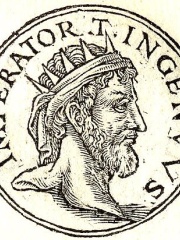
 Ingenuus
La sua biografia è disponibile in 26 lingue su Wikipedia. Ingenuus è il 7662° politico più popolare (in calo dal 6864° nel 2024), la 224ª biografia più popolare dell'Ungheria (in calo dal 200ª nel 2019) e il 74° politico più popolare dell'Ungheria.
Metriche di memorabilità
13k
Visualizzazioni
Ultimi 12 mesi
63.50
HPI
Indice di popolarità storica
Dati in evidenza
26
La biografia di Ingenuus copre 26 edizioni linguistiche di Wikipedia e ottiene un Indice di Popolarità Storica di 63.50.
Visualizzazioni della pagina di Ingenuus per lingua
Tra Politico
Tra Politico, Ingenuus occupa la posizione 7,659 su 20,022. Prima di lui ci sono Francis I Rákóczi, Namhae of Silla, Macky Sall, Lin Sen, Irina Rodnina, e Ali Zeidan. Dopo di lui ci sono Prince Charles of Luxembourg, Soraya Tarzi, Gunnor, Prince Francis Xavier of Saxony, Louis VI, Landgrave of Hesse-Darmstadt, e Alois Lexa von Aehrenthal.
Politico più popolari su Wikipedia
Vai a tutte le classifiche
Francis I Rákóczi
1645 - 1676
HPI: 63.51
Posizione: 7,656

Namhae of Silla
50 BC - 24
HPI: 63.51
Posizione: 7,657
Macky Sall
1961 - presente
HPI: 63.50
Posizione: 7,658
Lin Sen
1868 - 1943
HPI: 63.50
Posizione: 7,659

Irina Rodnina
1949 - presente
HPI: 63.50
Posizione: 7,660
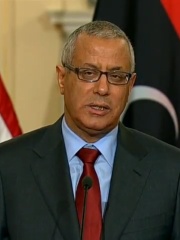
Ali Zeidan
1950 - presente
HPI: 63.50
Posizione: 7,661
Ingenuus
200 - 260
HPI: 63.50
Posizione: 7,662
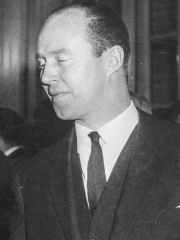
Prince Charles of Luxembourg
1927 - 1977
HPI: 63.50
Posizione: 7,663
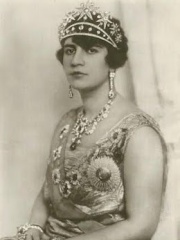
Soraya Tarzi
1899 - 1968
HPI: 63.50
Posizione: 7,664
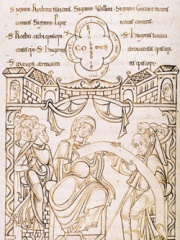
Gunnor
950 - 1031
HPI: 63.49
Posizione: 7,665
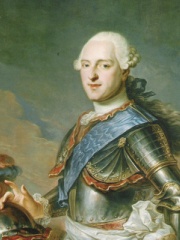
Prince Francis Xavier of Saxony
1730 - 1806
HPI: 63.49
Posizione: 7,666

Louis VI, Landgrave of Hesse-Darmstadt
1630 - 1678
HPI: 63.49
Posizione: 7,667
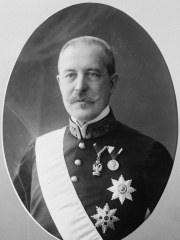
Alois Lexa von Aehrenthal
1854 - 1912
HPI: 63.49
Posizione: 7,668

Contemporanei
Tra le persone nate nel 200, Ingenuus occupa la posizione 44. Prima di lui ci sono Pope Demetrius I of Alexandria, Fulvia Plautilla, Hua Xiong, Marcia, Diogenes of Oenoanda, e Maximus of Tyre. Dopo di lui ci sono Zhuge Dan, Pantaenus, Jotapianus, Alexander of Jerusalem, Alciphron, e Aryadeva. Tra le persone decedute nel 260, Ingenuus occupa la posizione 7. Prima di lui ci sono Valerian, Regalianus, Saloninus, Cao Mao, Marcus Minucius Felix, e Sun Liang.
Altre persone nate nel 200
Vai a tutte le classifiche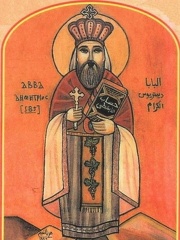
Pope Demetrius I of Alexandria
RELIGIOUS FIGURE
200 - 231
HPI: 64.76
Posizione: 38
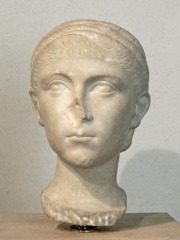
Fulvia Plautilla
COMPANION
200 - 212
HPI: 64.37
Posizione: 39

Hua Xiong
MILITARY PERSONNEL
200 - 191
HPI: 63.86
Posizione: 40
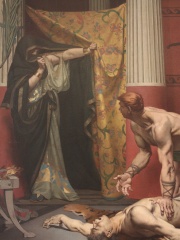
Marcia
POLITICIAN
200 - 193
HPI: 63.72
Posizione: 41

Diogenes of Oenoanda
PHILOSOPHER
200 - 200
HPI: 63.67
Posizione: 42
Maximus of Tyre
PHILOSOPHER
200 - 200
HPI: 63.54
Posizione: 43
Ingenuus
POLITICIAN
200 - 260
HPI: 63.50
Posizione: 44
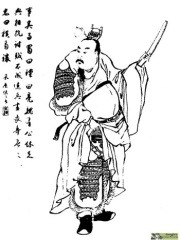
Zhuge Dan
POLITICIAN
200 - 258
HPI: 63.49
Posizione: 45
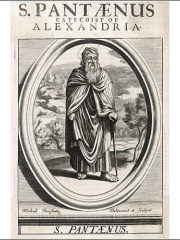
Pantaenus
PHILOSOPHER
200 - 216
HPI: 63.40
Posizione: 46
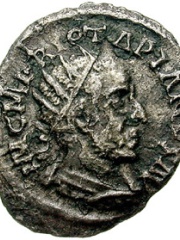
Jotapianus
POLITICIAN
200 - 249
HPI: 63.31
Posizione: 47
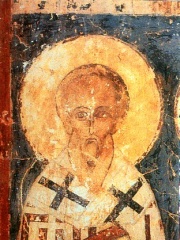
Alexander of Jerusalem
RELIGIOUS FIGURE
200 - 251
HPI: 63.22
Posizione: 48

Alciphron
WRITER
200 - 200
HPI: 63.19
Posizione: 49

Aryadeva
WRITER
200 - 250
HPI: 63.10
Posizione: 50
Altre persone decedute nel 260
Vai a tutte le classifiche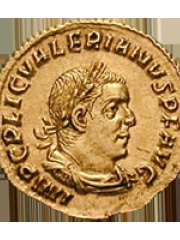
Valerian
POLITICIAN
200 - 260
HPI: 77.94
Posizione: 1
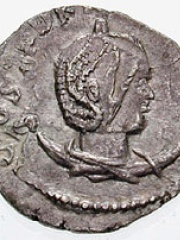
Regalianus
POLITICIAN
250 - 260
HPI: 69.20
Posizione: 2
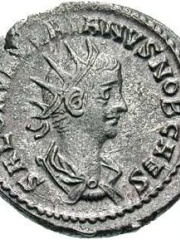
Saloninus
POLITICIAN
242 - 260
HPI: 68.96
Posizione: 3
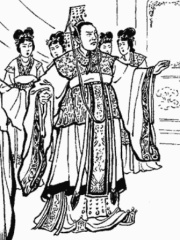
Cao Mao
POLITICIAN
241 - 260
HPI: 67.37
Posizione: 4

Marcus Minucius Felix
WRITER
110 - 260
HPI: 67.16
Posizione: 5

Sun Liang
POLITICIAN
243 - 260
HPI: 66.24
Posizione: 6
Ingenuus
POLITICIAN
200 - 260
HPI: 63.50
Posizione: 7
In Ungheria
Tra le persone nate in Ungheria, Ingenuus occupa la posizione 224 su 1,306. Prima di lui ci sono Stephan Burián von Rajecz (1851), Imre Schlosser (1889), Rudolf E. Kálmán (1930), Teddy Kollek (1911), Archduchess Margarethe Klementine of Austria (1870), e Arpad Elo (1903). Dopo di lui ci sono Klára Dán von Neumann (1911), Lajos Portisch (1937), Paul Lukas (1894), Kálmán Kalocsay (1891), Hans Swarowsky (1899), e László Bárdossy (1890).
Altre persone nate in Ungheria
Vai a tutte le classifiche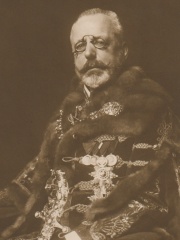
Stephan Burián von Rajecz
POLITICIAN
1851 - 1922
HPI: 63.63
Posizione: 218
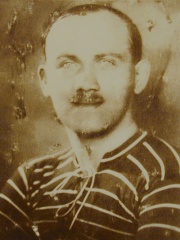
Imre Schlosser
SOCCER PLAYER
1889 - 1959
HPI: 63.58
Posizione: 219
Rudolf E. Kálmán
MATHEMATICIAN
1930 - 2016
HPI: 63.57
Posizione: 220
Teddy Kollek
POLITICIAN
1911 - 2007
HPI: 63.56
Posizione: 221
Archduchess Margarethe Klementine of Austria
NOBLEMAN
1870 - 1955
HPI: 63.56
Posizione: 222
Arpad Elo
PHYSICIST
1903 - 1992
HPI: 63.56
Posizione: 223
Ingenuus
POLITICIAN
200 - 260
HPI: 63.50
Posizione: 224
Klára Dán von Neumann
MATHEMATICIAN
1911 - 1963
HPI: 63.48
Posizione: 225
Lajos Portisch
CHESS PLAYER
1937 - presente
HPI: 63.47
Posizione: 226
Paul Lukas
ACTOR
1894 - 1971
HPI: 63.43
Posizione: 227
Kálmán Kalocsay
PHYSICIAN
1891 - 1976
HPI: 63.43
Posizione: 228
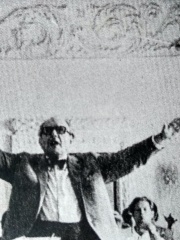
Hans Swarowsky
COMPOSER
1899 - 1975
HPI: 63.41
Posizione: 229
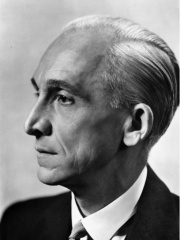
László Bárdossy
POLITICIAN
1890 - 1946
HPI: 63.40
Posizione: 230
Tra Politico in Ungheria
Tra Politico nati in Ungheria, Ingenuus occupa la posizione 74. Prima di lui ci sono István Dobi (1898), Miklós Németh (1948), Ferenc Fricsay (1914), Ferenc Gyulay (1799), Stephan Burián von Rajecz (1851), e Teddy Kollek (1911). Dopo di lui ci sono László Bárdossy (1890), Chaka of Bulgaria (1210), Fajsz (900), András Hegedüs (1922), Miklós Kállay (1887), e László Kövér (1959).
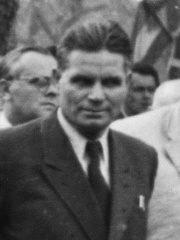
István Dobi
1898 - 1968
HPI: 64.60
Posizione: 68
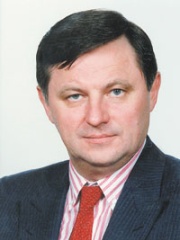
Miklós Németh
1948 - presente
HPI: 64.39
Posizione: 69
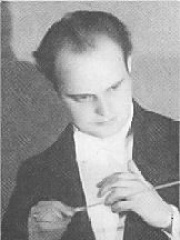
Ferenc Fricsay
1914 - 1963
HPI: 63.98
Posizione: 70
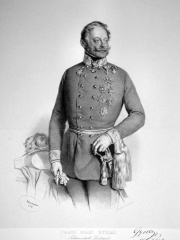
Ferenc Gyulay
1799 - 1868
HPI: 63.66
Posizione: 71
Stephan Burián von Rajecz
1851 - 1922
HPI: 63.63
Posizione: 72
Teddy Kollek
1911 - 2007
HPI: 63.56
Posizione: 73
Ingenuus
200 - 260
HPI: 63.50
Posizione: 74
László Bárdossy
1890 - 1946
HPI: 63.40
Posizione: 75
Chaka of Bulgaria
1210 - 1300
HPI: 63.40
Posizione: 76
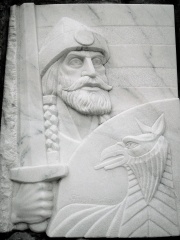
Fajsz
900 - 955
HPI: 63.17
Posizione: 77
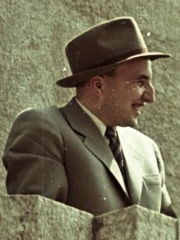
András Hegedüs
1922 - 1999
HPI: 62.98
Posizione: 78
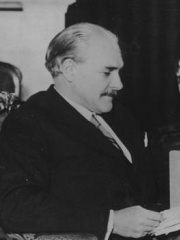
Miklós Kállay
1887 - 1967
HPI: 62.79
Posizione: 79
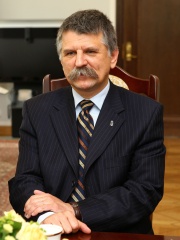
László Kövér
1959 - presente
HPI: 62.61
Posizione: 80




