Político
Ingenuus
200 - 260
VISUALIZAÇÕES EM PT.WIKIPEDIA (PV)
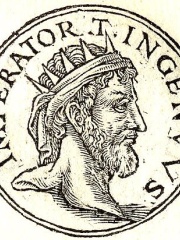
 Ingenuus
Sua biografia está disponível em 26 idiomas na Wikipédia. Ingenuus é o 7662º político mais popular (caiu do 6864º em 2024), a 224ª biografia mais popular da Hungria (caiu do 200ª em 2019) e o 74º político mais popular da Hungria.
Métricas de memorabilidade
13k
Visualizações
Últimos 12 meses
63.50
HPI
Índice de Popularidade Histórica
Destaques dos dados
#23,753
Mais de 17 séculos após a morte, Ingenuus ainda ocupa a posição nº 23,753 entre todas as personalidades do Pantheon.
Visualizações da página de Ingenuus por idioma
Entre Político
Entre Político, Ingenuus ocupa a posição 7,659 de 19,576. Antes dele vêm Francis I Rákóczi, Namhae of Silla, Macky Sall, Lin Sen, Irina Rodnina, e Ali Zeidan. Depois dele vêm Prince Charles of Luxembourg, Soraya Tarzi, Gunnor, Prince Francis Xavier of Saxony, Louis VI, Landgrave of Hesse-Darmstadt, e Alois Lexa von Aehrenthal.
Político mais populares na Wikipédia
Ver todas as classificações
Francis I Rákóczi
1645 - 1676
HPI: 63.51
Posição: 7,656

Namhae of Silla
50 BC - 24
HPI: 63.51
Posição: 7,657
Macky Sall
1961 - presente
HPI: 63.50
Posição: 7,658
Lin Sen
1868 - 1943
HPI: 63.50
Posição: 7,659

Irina Rodnina
1949 - presente
HPI: 63.50
Posição: 7,660
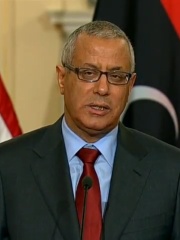
Ali Zeidan
1950 - presente
HPI: 63.50
Posição: 7,661
Ingenuus
200 - 260
HPI: 63.50
Posição: 7,662
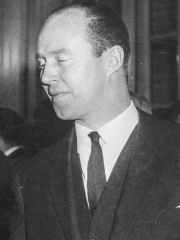
Prince Charles of Luxembourg
1927 - 1977
HPI: 63.50
Posição: 7,663
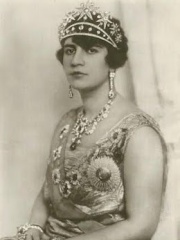
Soraya Tarzi
1899 - 1968
HPI: 63.50
Posição: 7,664
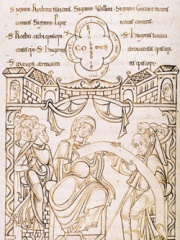
Gunnor
950 - 1031
HPI: 63.49
Posição: 7,665
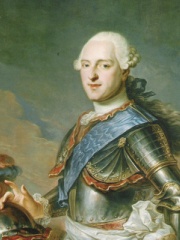
Prince Francis Xavier of Saxony
1730 - 1806
HPI: 63.49
Posição: 7,666

Louis VI, Landgrave of Hesse-Darmstadt
1630 - 1678
HPI: 63.49
Posição: 7,667
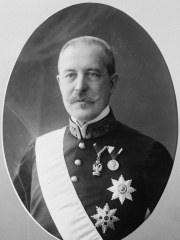
Alois Lexa von Aehrenthal
1854 - 1912
HPI: 63.49
Posição: 7,668

Contemporâneos
Entre as pessoas nascidas em 200, Ingenuus ocupa a posição 44. Antes dele vêm Pope Demetrius I of Alexandria, Fulvia Plautilla, Hua Xiong, Marcia, Diogenes of Oenoanda, e Maximus of Tyre. Depois dele vêm Zhuge Dan, Pantaenus, Jotapianus, Alexander of Jerusalem, Alciphron, e Aryadeva. Entre as pessoas falecidas em 260, Ingenuus ocupa a posição 7. Antes dele vêm Valerian, Regalianus, Saloninus, Cao Mao, Marcus Minucius Felix, e Sun Liang.
Outras pessoas nascidas em 200
Ver todas as classificações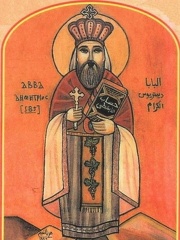
Pope Demetrius I of Alexandria
RELIGIOUS FIGURE
200 - 231
HPI: 64.76
Posição: 38
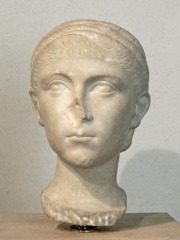
Fulvia Plautilla
COMPANION
200 - 212
HPI: 64.37
Posição: 39

Hua Xiong
MILITARY PERSONNEL
200 - 191
HPI: 63.86
Posição: 40

Marcia
POLITICIAN
200 - 193
HPI: 63.72
Posição: 41

Diogenes of Oenoanda
PHILOSOPHER
200 - 200
HPI: 63.67
Posição: 42
Maximus of Tyre
PHILOSOPHER
200 - 200
HPI: 63.54
Posição: 43
Ingenuus
POLITICIAN
200 - 260
HPI: 63.50
Posição: 44
Zhuge Dan
POLITICIAN
200 - 258
HPI: 63.49
Posição: 45
Pantaenus
PHILOSOPHER
200 - 216
HPI: 63.40
Posição: 46
Jotapianus
POLITICIAN
200 - 249
HPI: 63.31
Posição: 47
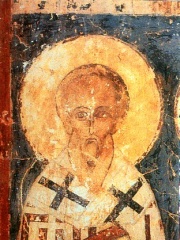
Alexander of Jerusalem
RELIGIOUS FIGURE
200 - 251
HPI: 63.22
Posição: 48

Alciphron
WRITER
200 - 200
HPI: 63.19
Posição: 49

Aryadeva
WRITER
200 - 250
HPI: 63.10
Posição: 50
Outras pessoas falecidas em 260
Ver todas as classificações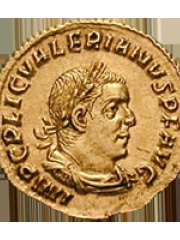
Valerian
POLITICIAN
200 - 260
HPI: 77.94
Posição: 1
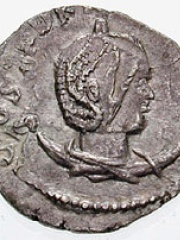
Regalianus
POLITICIAN
250 - 260
HPI: 69.20
Posição: 2
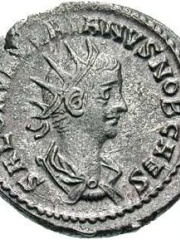
Saloninus
POLITICIAN
242 - 260
HPI: 68.96
Posição: 3
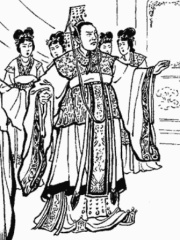
Cao Mao
POLITICIAN
241 - 260
HPI: 67.37
Posição: 4

Marcus Minucius Felix
WRITER
110 - 260
HPI: 67.16
Posição: 5

Sun Liang
POLITICIAN
243 - 260
HPI: 66.24
Posição: 6
Ingenuus
POLITICIAN
200 - 260
HPI: 63.50
Posição: 7
Em Hungria
Entre as pessoas nascidas em Hungria, Ingenuus ocupa a posição 224 de 1,077. Antes dele vêm Stephan Burián von Rajecz (1851), Imre Schlosser (1889), Rudolf E. Kálmán (1930), Teddy Kollek (1911), Archduchess Margarethe Klementine of Austria (1870), e Arpad Elo (1903). Depois dele vêm Klára Dán von Neumann (1911), Lajos Portisch (1937), Paul Lukas (1894), Kálmán Kalocsay (1891), Hans Swarowsky (1899), e László Bárdossy (1890).
Outras pessoas nascidas em Hungria
Ver todas as classificações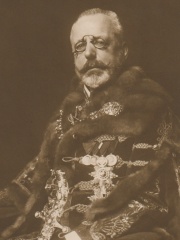
Stephan Burián von Rajecz
POLITICIAN
1851 - 1922
HPI: 63.63
Posição: 218
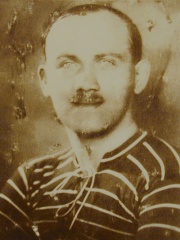
Imre Schlosser
SOCCER PLAYER
1889 - 1959
HPI: 63.58
Posição: 219
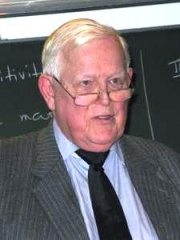
Rudolf E. Kálmán
MATHEMATICIAN
1930 - 2016
HPI: 63.57
Posição: 220
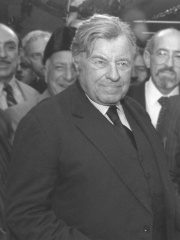
Teddy Kollek
POLITICIAN
1911 - 2007
HPI: 63.56
Posição: 221
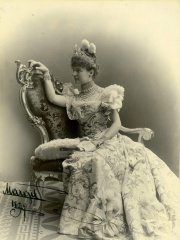
Archduchess Margarethe Klementine of Austria
NOBLEMAN
1870 - 1955
HPI: 63.56
Posição: 222
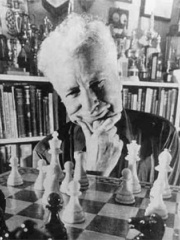
Arpad Elo
PHYSICIST
1903 - 1992
HPI: 63.56
Posição: 223
Ingenuus
POLITICIAN
200 - 260
HPI: 63.50
Posição: 224
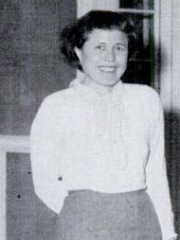
Klára Dán von Neumann
MATHEMATICIAN
1911 - 1963
HPI: 63.48
Posição: 225
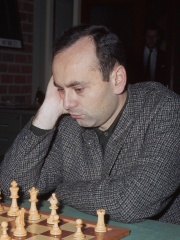
Lajos Portisch
CHESS PLAYER
1937 - presente
HPI: 63.47
Posição: 226
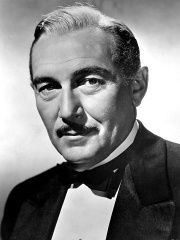
Paul Lukas
ACTOR
1894 - 1971
HPI: 63.43
Posição: 227
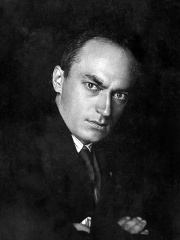
Kálmán Kalocsay
PHYSICIAN
1891 - 1976
HPI: 63.43
Posição: 228
Hans Swarowsky
COMPOSER
1899 - 1975
HPI: 63.41
Posição: 229
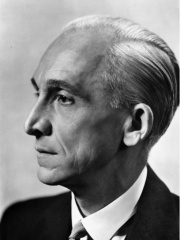
László Bárdossy
POLITICIAN
1890 - 1946
HPI: 63.40
Posição: 230
Entre Político em Hungria
Entre Político nascidos em Hungria, Ingenuus ocupa a posição 74. Antes dele vêm István Dobi (1898), Miklós Németh (1948), Ferenc Fricsay (1914), Ferenc Gyulay (1799), Stephan Burián von Rajecz (1851), e Teddy Kollek (1911). Depois dele vêm László Bárdossy (1890), Chaka of Bulgaria (1210), Fajsz (900), András Hegedüs (1922), Miklós Kállay (1887), e László Kövér (1959).
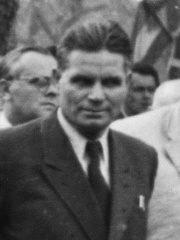
István Dobi
1898 - 1968
HPI: 64.60
Posição: 68
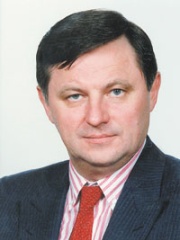
Miklós Németh
1948 - presente
HPI: 64.39
Posição: 69
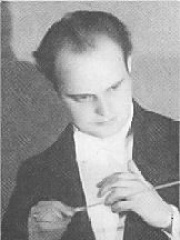
Ferenc Fricsay
1914 - 1963
HPI: 63.98
Posição: 70
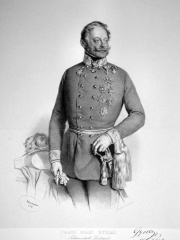
Ferenc Gyulay
1799 - 1868
HPI: 63.66
Posição: 71
Stephan Burián von Rajecz
1851 - 1922
HPI: 63.63
Posição: 72
Teddy Kollek
1911 - 2007
HPI: 63.56
Posição: 73
Ingenuus
200 - 260
HPI: 63.50
Posição: 74
László Bárdossy
1890 - 1946
HPI: 63.40
Posição: 75
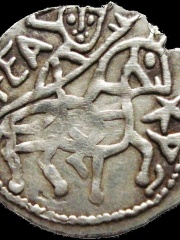
Chaka of Bulgaria
1210 - 1300
HPI: 63.40
Posição: 76
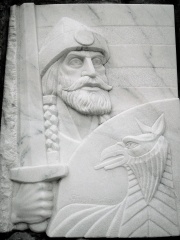
Fajsz
900 - 955
HPI: 63.17
Posição: 77
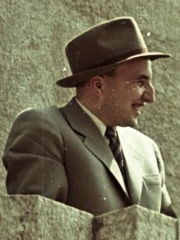
András Hegedüs
1922 - 1999
HPI: 62.98
Posição: 78
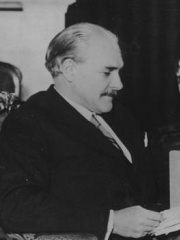
Miklós Kállay
1887 - 1967
HPI: 62.79
Posição: 79
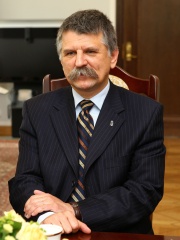
László Kövér
1959 - presente
HPI: 62.61
Posição: 80




