Philosophe
Maximus of Tyre
200 - 200
PAGES VUES SUR FR.WIKIPEDIA (PV)
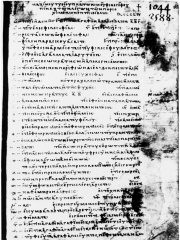
 Maximus of Tyre
Sa biographie est disponible en 21 langues sur Wikipédia (en hausse par rapport à 20 en 2024). Maximus of Tyre est le 676th philosophe le plus populaire (en hausse du 681st en 2024), la 56th biographie la plus populaire du Liban (en baisse du 55th en 2019), ainsi que le 3rd philosophe du Liban le plus populaire.
Indicateurs de mémorabilité
6.5k
Pages vues
12 derniers mois
63.54
HPI
Indice de popularité historique
Faits marquants
21
La biographie de Maximus of Tyre couvre 21 éditions linguistiques de Wikipédia et obtient un Indice de Popularité Historique de 63.54.
Pages vues de Maximus of Tyre par langue
Parmi les Philosophe
Parmi les Philosophe, Maximus of Tyre occupe le rang 676 sur 1,285. Avant lui viennent Diogenes of Oenoanda, Hippo, Ian Stevenson, Dharmakirti, Paul Nizan, et Bernard of Chartres. Après lui viennent Paul Virilio, Pyotr Lavrov, Cristoforo Landino, N. T. Wright, Johan Vilhelm Snellman, et Michael Dummett.
Philosophe les plus populaires sur Wikipédia
Voir tous les classements

Diogenes of Oenoanda
200 - 200
HPI : 63.67
Rang : 670

Hippo
500 av. J.-C. - 460 av. J.-C.
HPI : 63.65
Rang : 671
Ian Stevenson
1918 - 2007
HPI : 63.64
Rang : 672

Dharmakirti
700 - 660
HPI : 63.61
Rang : 673
Paul Nizan
1905 - 1940
HPI : 63.61
Rang : 674

Bernard of Chartres
1070 - 1130
HPI : 63.54
Rang : 675
Maximus of Tyre
200 - 200
HPI : 63.54
Rang : 676

Paul Virilio
1932 - 2018
HPI : 63.54
Rang : 677
Pyotr Lavrov
1823 - 1900
HPI : 63.52
Rang : 678
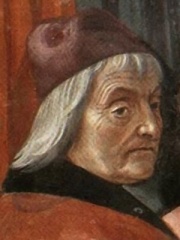
Cristoforo Landino
1424 - 1498
HPI : 63.51
Rang : 679
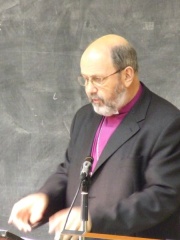
N. T. Wright
1948 - présent
HPI : 63.51
Rang : 680
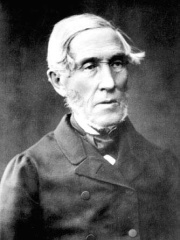
Johan Vilhelm Snellman
1806 - 1881
HPI : 63.49
Rang : 681
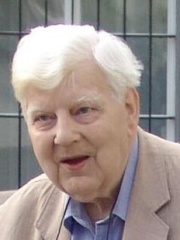
Michael Dummett
1925 - 2011
HPI : 63.46
Rang : 682

Contemporains
Parmi les personnes nées en 200, Maximus of Tyre occupe le rang 43. Avant lui viennent Yue Jin, Pope Demetrius I of Alexandria, Fulvia Plautilla, Hua Xiong, Marcia, et Diogenes of Oenoanda. Après lui viennent Ingenuus, Zhuge Dan, Pantaenus, Jotapianus, Alexander of Jerusalem, et Alciphron. Parmi les personnes décédées en 200, Maximus of Tyre occupe le rang 16. Avant lui viennent Aretaeus of Cappadocia, Soranus of Ephesus, Babrius, Caesarius of Africa, Aelianus Tacticus, et Diogenes of Oenoanda. Après lui viennent Aquila of Sinope, Alciphron, Numenius of Apamea, Gaius Appuleius Diocles, Albinus, et Cerinthus.
Autres personnes nées en 200
Voir tous les classements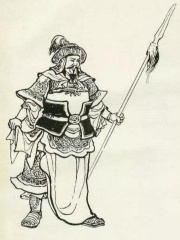
Yue Jin
MILITARY PERSONNEL
200 - présent
HPI : 64.78
Rang : 37
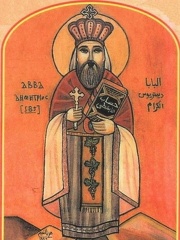
Pope Demetrius I of Alexandria
RELIGIOUS FIGURE
200 - 231
HPI : 64.76
Rang : 38
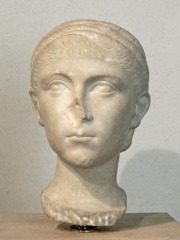
Fulvia Plautilla
COMPANION
200 - 212
HPI : 64.37
Rang : 39

Hua Xiong
MILITARY PERSONNEL
200 - 191
HPI : 63.86
Rang : 40

Marcia
POLITICIAN
200 - 193
HPI : 63.72
Rang : 41
Diogenes of Oenoanda
PHILOSOPHER
200 - 200
HPI : 63.67
Rang : 42
Maximus of Tyre
PHILOSOPHER
200 - 200
HPI : 63.54
Rang : 43
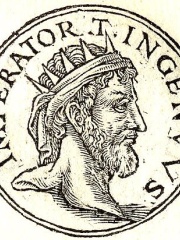
Ingenuus
POLITICIAN
200 - 260
HPI : 63.50
Rang : 44

Zhuge Dan
POLITICIAN
200 - 258
HPI : 63.49
Rang : 45
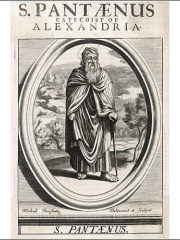
Pantaenus
PHILOSOPHER
200 - 216
HPI : 63.40
Rang : 46
Jotapianus
POLITICIAN
200 - 249
HPI : 63.31
Rang : 47
Alexander of Jerusalem
RELIGIOUS FIGURE
200 - 251
HPI : 63.22
Rang : 48

Alciphron
WRITER
200 - 200
HPI : 63.19
Rang : 49
Autres personnes décédées en 200
Voir tous les classements
Aretaeus of Cappadocia
PHYSICIAN
100 - 200
HPI : 66.68
Rang : 10

Soranus of Ephesus
PHYSICIAN
98 - 200
HPI : 65.48
Rang : 11

Babrius
WRITER
110 - 200
HPI : 64.63
Rang : 12
Caesarius of Africa
RELIGIOUS FIGURE
1 - 200
HPI : 63.90
Rang : 13

Aelianus Tacticus
WRITER
100 - 200
HPI : 63.71
Rang : 14
Diogenes of Oenoanda
PHILOSOPHER
200 - 200
HPI : 63.67
Rang : 15
Maximus of Tyre
PHILOSOPHER
200 - 200
HPI : 63.54
Rang : 16
Aquila of Sinope
POLITICIAN
100 - 200
HPI : 63.22
Rang : 17
Alciphron
WRITER
200 - 200
HPI : 63.19
Rang : 18

Numenius of Apamea
PHILOSOPHER
200 - 200
HPI : 62.99
Rang : 19
Gaius Appuleius Diocles
POLITICIAN
104 - 200
HPI : 62.88
Rang : 20

Albinus
PHILOSOPHER
100 - 200
HPI : 62.42
Rang : 21

Cerinthus
PHILOSOPHER
100 - 200
HPI : 62.35
Rang : 22
En Liban
Parmi les personnes nées en Liban, Maximus of Tyre occupe le rang 56 sur 169. Avant lui viennent Omar Karami (1934), Hassan Diab (1959), Sabah (1927), Bertrand, Count of Toulouse (1065), Elias Hrawi (1926), et Layal Abboud (1982). Après lui viennent Antonella Lualdi (1931), Raphaël Bedros XXI Minassian (1946), Fuad Chehab (1902), Suleiman Frangieh (1910), Marinus of Tyre (100), et René Moawad (1925).
Autres personnes nées en Liban
Voir tous les classements
Omar Karami
POLITICIAN
1934 - 2015
HPI : 63.89
Rang : 50
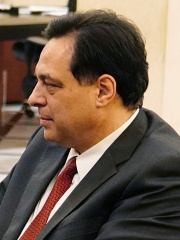
Hassan Diab
POLITICIAN
1959 - présent
HPI : 63.88
Rang : 51

Sabah
SINGER
1927 - 2014
HPI : 63.83
Rang : 52
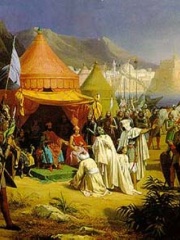
Bertrand, Count of Toulouse
NOBLEMAN
1065 - 1112
HPI : 63.78
Rang : 53
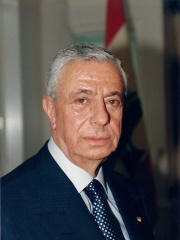
Elias Hrawi
POLITICIAN
1926 - 2006
HPI : 63.71
Rang : 54
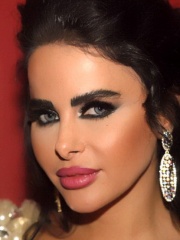
Layal Abboud
SINGER
1982 - présent
HPI : 63.68
Rang : 55
Maximus of Tyre
PHILOSOPHER
200 - 200
HPI : 63.54
Rang : 56

Antonella Lualdi
ACTOR
1931 - 2023
HPI : 63.51
Rang : 57
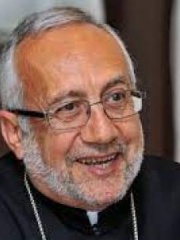
Raphaël Bedros XXI Minassian
RELIGIOUS FIGURE
1946 - présent
HPI : 63.18
Rang : 58
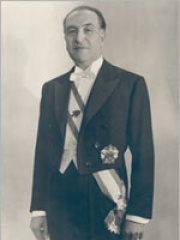
Fuad Chehab
POLITICIAN
1902 - 1973
HPI : 62.81
Rang : 59
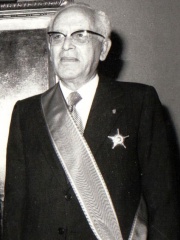
Suleiman Frangieh
POLITICIAN
1910 - 1992
HPI : 62.68
Rang : 60
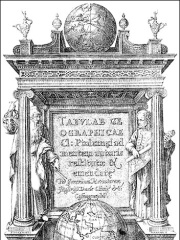
Marinus of Tyre
GEOGRAPHER
100 - 130
HPI : 62.61
Rang : 61
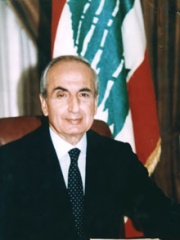
René Moawad
POLITICIAN
1925 - 1989
HPI : 62.59
Rang : 62
Parmi les Philosophe en Liban
Parmi les Philosophe nés en Liban, Maximus of Tyre occupe le rang 3. Avant lui viennent Porphyry (233), et Zeno of Sidon (-150). Après lui viennent Bahāʾ al-dīn al-ʿĀmilī (1547), et Antoun Saadeh (1904).
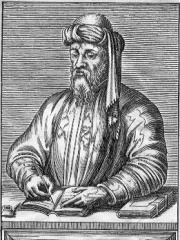
Porphyry
233 - 305
HPI : 80.06
Rang : 1
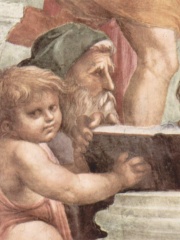
Zeno of Sidon
150 av. J.-C. - 75 av. J.-C.
HPI : 64.89
Rang : 2
Maximus of Tyre
200 - 200
HPI : 63.54
Rang : 3
Bahāʾ al-dīn al-ʿĀmilī
1547 - 1621
HPI : 61.20
Rang : 4
Antoun Saadeh
1904 - 1949
HPI : 60.46
Rang : 5




