Político
Caio Otávio
100 BC - 58 BC
PT.WIKIPEDIA PAGE VIEWS (PV)
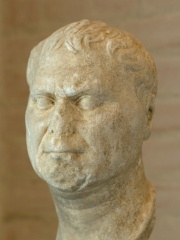
 Caio Otávio
Sua biografia está disponível em 32 idiomas na Wikipédia (aumento em relação a 31 em 2024). Caio Otávio é o 899º político mais popular (subiu do 2015º em 2024), a 398ª biografia mais popular da Itália (subiu do 726ª em 2019) e o 60º político mais popular da Itália.
Memorability Metrics
150k
Page Views
Past 12 months
76.35
HPI
Historical Popularity Index
Page views of Caio Otávio by language
Among Políticos
Among políticos, Caio Otávio ranks 899 out of 19,576. Before him are Vigdís Finnbogadóttir, Robert II of France, Imad ad-Din Zengi, Lothair II, Holy Roman Emperor, Ptolemy IV Philopator, and Lee Myung-bak. After him are Zine El Abidine Ben Ali, Darius II, Simon of Cyrene, Justin I, Felix Dzerzhinsky, and Arnulf of Carinthia.
Most Popular Políticos in Wikipedia
Go to all Rankings
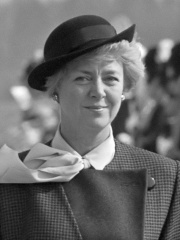
Vigdís Finnbogadóttir
1930 - Present
HPI: 76.38
Rank: 893
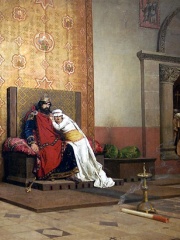
Robert II of France
972 - 1031
HPI: 76.37
Rank: 894
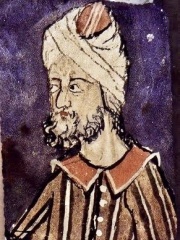
Imad ad-Din Zengi
1087 - 1146
HPI: 76.37
Rank: 895
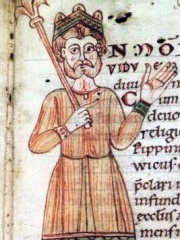
Lothair II, Holy Roman Emperor
1075 - 1137
HPI: 76.35
Rank: 896
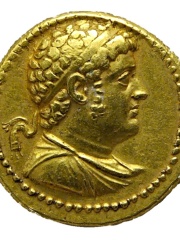
Ptolemy IV Philopator
244 BC - 205 BC
HPI: 76.35
Rank: 897

Lee Myung-bak
1941 - Present
HPI: 76.35
Rank: 898
Gaius Octavius
100 BC - 58 BC
HPI: 76.35
Rank: 899

Zine El Abidine Ben Ali
1936 - 2019
HPI: 76.34
Rank: 900
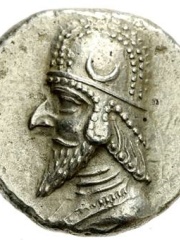
Darius II
475 BC - 404 BC
HPI: 76.34
Rank: 901
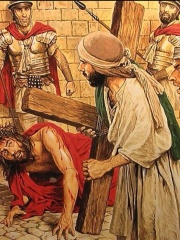
Simon of Cyrene
100 BC - 100
HPI: 76.33
Rank: 902
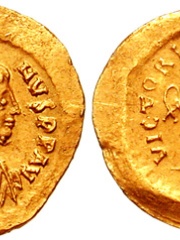
Justin I
450 - 527
HPI: 76.33
Rank: 903
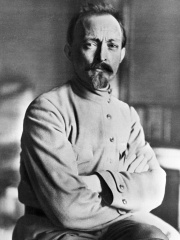
Felix Dzerzhinsky
1877 - 1926
HPI: 76.33
Rank: 904
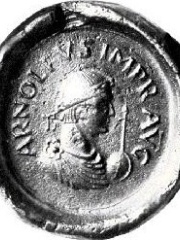
Arnulf of Carinthia
850 - 899
HPI: 76.31
Rank: 905

Contemporaries
Among people born in 100 BC, Caio Otávio ranks 6. Before him are Julius Caesar, Elizabeth, Bartholomew the Apostle, Lazarus of Bethany, and Joachim. After him are Simon of Cyrene, Herodias, Cornelius Nepos, Cleopatra V of Egypt, Quintus Caecilius Metellus Pius Scipio Nasica, and Gamaliel. Among people deceased in 58 BC, Caio Otávio ranks 1.
Others Born in 100 BC
Go to all Rankings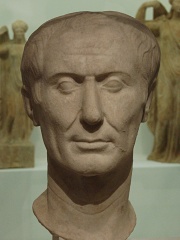
Julius Caesar
POLITICIAN
100 BC - 44 BC
HPI: 93.78
Rank: 1

Elizabeth
RELIGIOUS FIGURE
100 BC - 100
HPI: 83.98
Rank: 2

Bartholomew the Apostle
RELIGIOUS FIGURE
100 BC - 100
HPI: 82.57
Rank: 3
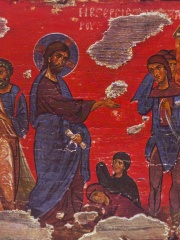
Lazarus of Bethany
RELIGIOUS FIGURE
100 BC - Present
HPI: 80.00
Rank: 4
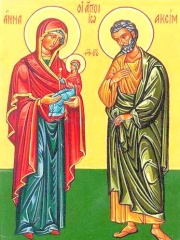
Joachim
RELIGIOUS FIGURE
100 BC - 10 BC
HPI: 78.87
Rank: 5
Gaius Octavius
POLITICIAN
100 BC - 58 BC
HPI: 76.35
Rank: 6
Simon of Cyrene
POLITICIAN
100 BC - 100
HPI: 76.33
Rank: 7
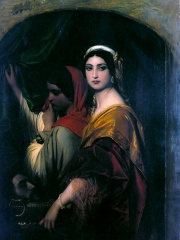
Herodias
NOBLEMAN
100 BC - 100
HPI: 74.71
Rank: 8
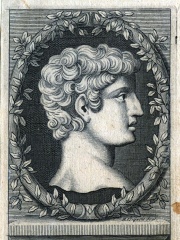
Cornelius Nepos
WRITER
100 BC - 25 BC
HPI: 74.23
Rank: 9
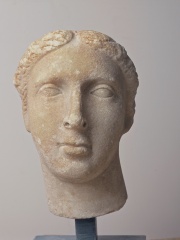
Cleopatra V of Egypt
POLITICIAN
100 BC - 57 BC
HPI: 73.68
Rank: 10
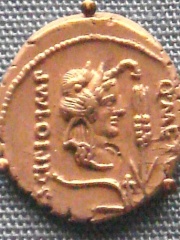
Quintus Caecilius Metellus Pius Scipio Nasica
POLITICIAN
100 BC - 46 BC
HPI: 72.35
Rank: 11

Gamaliel
RELIGIOUS FIGURE
100 BC - 63
HPI: 71.56
Rank: 12
Others Deceased in 58 BC
Go to all RankingsIn Itália
Among people born in Itália, Caio Otávio ranks 398 out of NaN. Before him are Pope John IX (850), Charles IV of Spain (1748), Pope Mark (290), Gallienus (218), Antonio Canova (1757), and Pope Stephen IV (770). After him are Pope Sergius I (650), Filippo Lippi (1406), Guido Reni (1575), Nero Claudius Drusus (-38), Antonio da Correggio (1489), and Mario Draghi (1947).
Others born in Itália
Go to all Rankings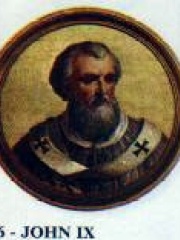
Pope John IX
RELIGIOUS FIGURE
850 - 900
HPI: 76.41
Rank: 392
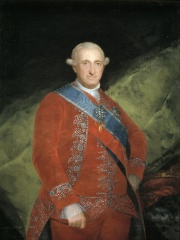
Charles IV of Spain
POLITICIAN
1748 - 1819
HPI: 76.39
Rank: 393
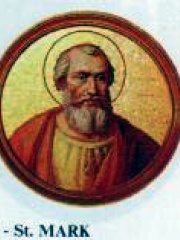
Pope Mark
RELIGIOUS FIGURE
290 - 336
HPI: 76.39
Rank: 394
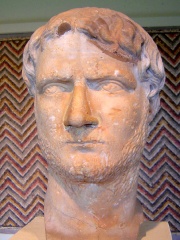
Gallienus
POLITICIAN
218 - 268
HPI: 76.39
Rank: 395

Antonio Canova
SCULPTOR
1757 - 1822
HPI: 76.37
Rank: 396
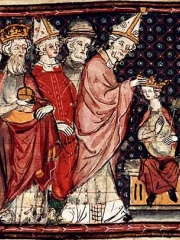
Pope Stephen IV
RELIGIOUS FIGURE
770 - 817
HPI: 76.36
Rank: 397
Gaius Octavius
POLITICIAN
100 BC - 58 BC
HPI: 76.35
Rank: 398
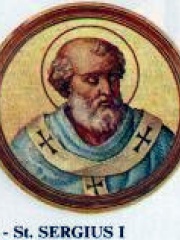
Pope Sergius I
RELIGIOUS FIGURE
650 - 701
HPI: 76.34
Rank: 399
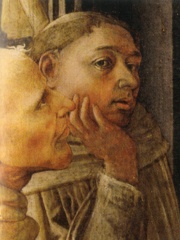
Filippo Lippi
PAINTER
1406 - 1469
HPI: 76.31
Rank: 400
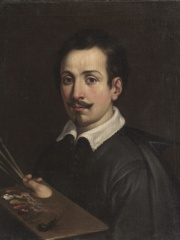
Guido Reni
PAINTER
1575 - 1642
HPI: 76.27
Rank: 401
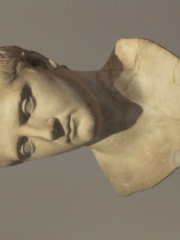
Nero Claudius Drusus
MILITARY PERSONNEL
38 BC - 9 BC
HPI: 76.26
Rank: 402
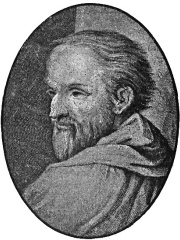
Antonio da Correggio
PAINTER
1489 - 1534
HPI: 76.24
Rank: 403

Mario Draghi
ECONOMIST
1947 - Present
HPI: 76.21
Rank: 404
Among Políticos In Itália
Among políticos born in Itália, Caio Otávio ranks 60. Before him are Herod Agrippa II (28), Atia (-85), Catiline (-109), Maxentius (278), Charles IV of Spain (1748), and Gallienus (218). After him are Enrico Dandolo (1107), Lucius Caesar (-17), Giorgio Napolitano (1925), Ferdinand I of the Two Sicilies (1751), Conrad IV of Germany (1228), and Amadeo I of Spain (1845).
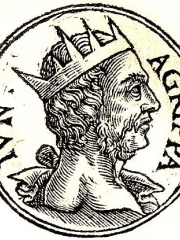
Herod Agrippa II
28 - 100
HPI: 76.66
Rank: 54
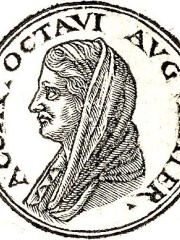
Atia
85 BC - 43 BC
HPI: 76.61
Rank: 55
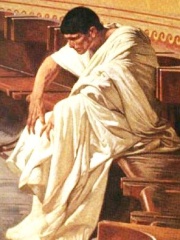
Catiline
109 BC - 62 BC
HPI: 76.46
Rank: 56
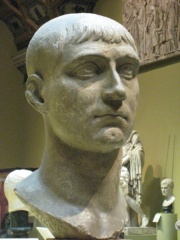
Maxentius
278 - 312
HPI: 76.43
Rank: 57
Charles IV of Spain
1748 - 1819
HPI: 76.39
Rank: 58
Gallienus
218 - 268
HPI: 76.39
Rank: 59
Gaius Octavius
100 BC - 58 BC
HPI: 76.35
Rank: 60
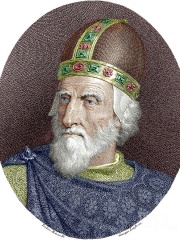
Enrico Dandolo
1107 - 1205
HPI: 76.16
Rank: 61
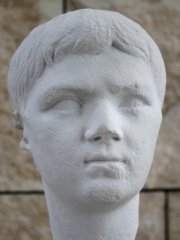
Lucius Caesar
17 BC - 2
HPI: 76.00
Rank: 62
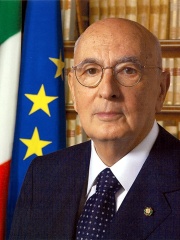
Giorgio Napolitano
1925 - 2023
HPI: 75.95
Rank: 63
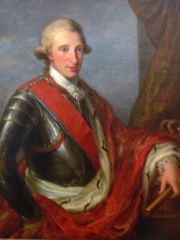
Ferdinand I of the Two Sicilies
1751 - 1825
HPI: 75.79
Rank: 64
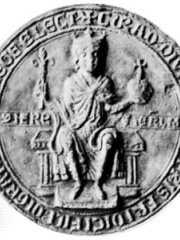
Conrad IV of Germany
1228 - 1254
HPI: 75.78
Rank: 65
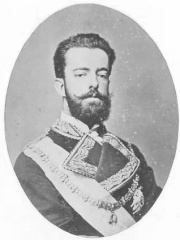
Amadeo I of Spain
1845 - 1890
HPI: 75.78
Rank: 66




