Militaire
Marcus Vipsanius Agrippa
63 BC - 12 BC
PAGES VUES SUR FR.WIKIPEDIA (PV)
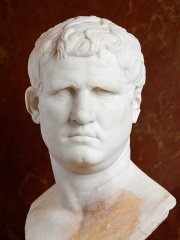
 Marcus Vipsanius Agrippa
Sa biographie est disponible en 62 langues sur Wikipédia (en hausse par rapport à 61 en 2024). Marcus Vipsanius Agrippa est le 41st militaire le plus populaire (en baisse du 38th en 2024), la 4th biographie la plus populaire de Croatie (en hausse du 5th en 2019), ainsi que le militaire de Croatie le plus populaire.
Indicateurs de mémorabilité
590k
Pages vues
12 derniers mois
79.19
HPI
Indice de popularité historique
Faits marquants
Pages vues de Marcus Vipsanius Agrippa par langue
Parmi les Militaire
Parmi les Militaire, Marcus Vipsanius Agrippa occupe le rang 41 sur 2,188. Avant lui viennent Friedrich Paulus, Miltiades, Vercingetorix, Ratko Mladić, Arminius, et Pyrrhus of Epirus. Après lui viennent Tariq ibn Ziyad, Bohdan Khmelnytsky, Guan Yu, Stonewall Jackson, Horatio Nelson, 1st Viscount Nelson, et Charles X Gustav of Sweden.
Militaire les plus populaires sur Wikipédia
Voir tous les classements
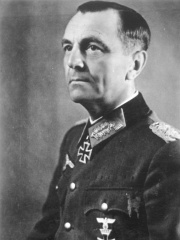
Friedrich Paulus
1890 - 1957
HPI : 80.08
Rang : 35
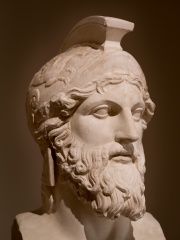
Miltiades
540 BC - 488 BC
HPI : 80.08
Rang : 36
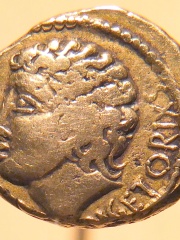
Vercingetorix
80 BC - 46 BC
HPI : 79.79
Rang : 37
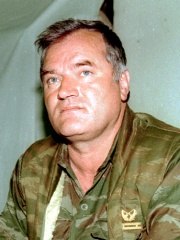
Ratko Mladić
1942 - présent
HPI : 79.73
Rang : 38
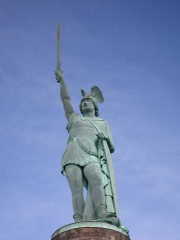
Arminius
17 BC - 21
HPI : 79.71
Rang : 39
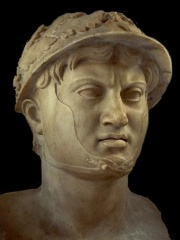
Pyrrhus of Epirus
318 BC - 272 BC
HPI : 79.22
Rang : 40
Marcus Vipsanius Agrippa
63 BC - 12 BC
HPI : 79.19
Rang : 41
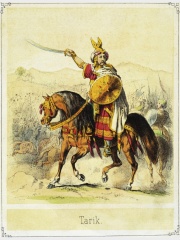
Tariq ibn Ziyad
670 - 720
HPI : 79.15
Rang : 42
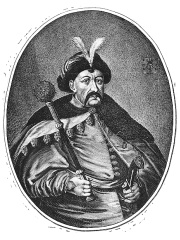
Bohdan Khmelnytsky
1595 - 1657
HPI : 78.96
Rang : 43
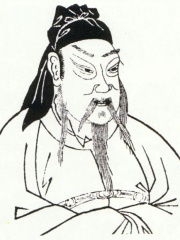
Guan Yu
162 - 220
HPI : 78.46
Rang : 44
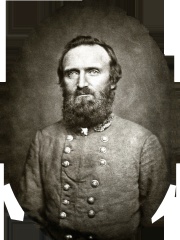
Stonewall Jackson
1824 - 1863
HPI : 78.41
Rang : 45
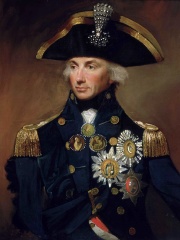
Horatio Nelson, 1st Viscount Nelson
1758 - 1805
HPI : 78.38
Rang : 46
Charles X Gustav of Sweden
1622 - 1660
HPI : 78.35
Rang : 47

Contemporains
Parmi les personnes nées en 63 BC, Marcus Vipsanius Agrippa occupe le rang 2. Avant lui vient Augustus. Après lui viennent Pacorus I, Didymus Chalcenterus, et Antonius Musa. Parmi les personnes décédées en 12 BC, Marcus Vipsanius Agrippa occupe le rang 1. Après lui viennent Mithridates III of Commagene, et Marcus Valerius Messalla Appianus.
Autres personnes nées en 63 BC
Voir tous les classements
Augustus
POLITICIAN
63 BC - 14
HPI : 92.03
Rang : 1
Marcus Vipsanius Agrippa
MILITARY PERSONNEL
63 BC - 12 BC
HPI : 79.19
Rang : 2
Pacorus I
POLITICIAN
63 BC - 38 BC
HPI : 67.32
Rang : 3

Didymus Chalcenterus
WRITER
63 BC - 10
HPI : 64.34
Rang : 4

Antonius Musa
PHYSICIAN
63 BC - 14
HPI : 57.32
Rang : 5
Autres personnes décédées en 12 BC
Voir tous les classementsMarcus Vipsanius Agrippa
MILITARY PERSONNEL
63 BC - 12 BC
HPI : 79.19
Rang : 1

Mithridates III of Commagene
POLITICIAN
100 BC - 12 BC
HPI : 59.44
Rang : 2

Marcus Valerius Messalla Appianus
POLITICIAN
45 BC - 12 BC
HPI : 57.60
Rang : 3
En Croatie
Parmi les personnes nées en Croatie, Marcus Vipsanius Agrippa occupe le rang 4 sur 813. Avant lui viennent Nikola Tesla (1856), Josip Broz Tito (1892), et Diocletian (244). Après lui viennent Rüstem Pasha (1500), Franjo Tuđman (1922), Valens (328), Leopold Ružička (1887), János Kádár (1912), Roger Joseph Boscovich (1711), Pope John IV (600), et Pope Caius (250).
Autres personnes nées en Croatie
Voir tous les classements
Nikola Tesla
INVENTOR
1856 - 1943
HPI : 91.90
Rang : 1
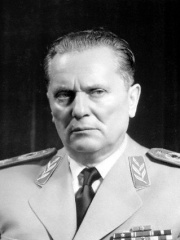
Josip Broz Tito
POLITICIAN
1892 - 1980
HPI : 86.53
Rang : 2
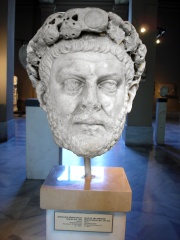
Diocletian
POLITICIAN
244 - 311
HPI : 84.07
Rang : 3
Marcus Vipsanius Agrippa
MILITARY PERSONNEL
63 BC - 12 BC
HPI : 79.19
Rang : 4
Rüstem Pasha
POLITICIAN
1500 - 1561
HPI : 78.62
Rang : 5
Franjo Tuđman
POLITICIAN
1922 - 1999
HPI : 77.61
Rang : 6
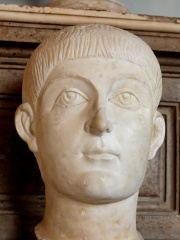
Valens
POLITICIAN
328 - 378
HPI : 76.61
Rang : 7
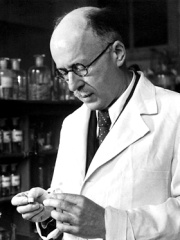
Leopold Ružička
CHEMIST
1887 - 1976
HPI : 75.35
Rang : 8
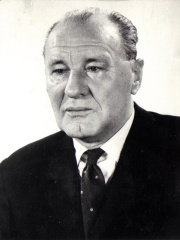
János Kádár
POLITICIAN
1912 - 1989
HPI : 75.08
Rang : 9
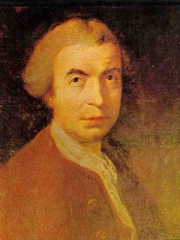
Roger Joseph Boscovich
ASTRONOMER
1711 - 1787
HPI : 74.76
Rang : 10
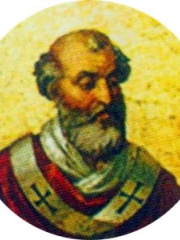
Pope John IV
RELIGIOUS FIGURE
600 - 642
HPI : 74.28
Rang : 11
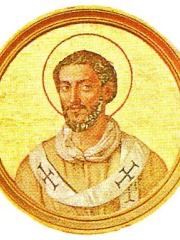
Pope Caius
RELIGIOUS FIGURE
250 - 296
HPI : 73.34
Rang : 12
Parmi les Militaire en Croatie
Parmi les Militaire nés en Croatie, Marcus Vipsanius Agrippa occupe le rang 1. Après lui viennent Svetozar Boroević (1856), Georg von Trapp (1880), Omar Pasha (1806), Ante Gotovina (1955), Viktor Pavičić (1898), Momčilo Đujić (1907), Janko Bobetko (1919), Archduke Karl Albrecht of Austria (1888), Mile Mrkšić (1947), Jure Francetić (1912), et Stjepan Sarkotić (1858).
Marcus Vipsanius Agrippa
63 BC - 12 BC
HPI : 79.19
Rang : 1
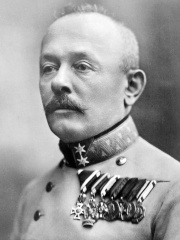
Svetozar Boroević
1856 - 1920
HPI : 70.08
Rang : 2
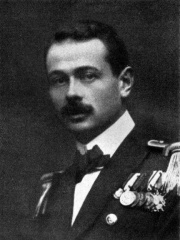
Georg von Trapp
1880 - 1947
HPI : 69.46
Rang : 3
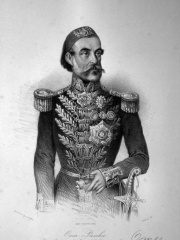
Omar Pasha
1806 - 1871
HPI : 68.58
Rang : 4

Ante Gotovina
1955 - présent
HPI : 66.26
Rang : 5
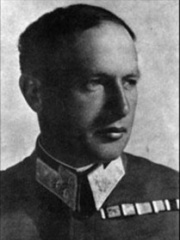
Viktor Pavičić
1898 - 1943
HPI : 65.11
Rang : 6
Momčilo Đujić
1907 - 1999
HPI : 63.40
Rang : 7
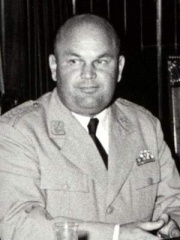
Janko Bobetko
1919 - 2003
HPI : 63.11
Rang : 8
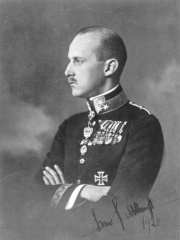
Archduke Karl Albrecht of Austria
1888 - 1951
HPI : 60.90
Rang : 9
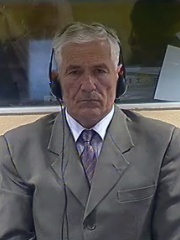
Mile Mrkšić
1947 - 2015
HPI : 60.88
Rang : 10

Jure Francetić
1912 - 1942
HPI : 60.85
Rang : 11
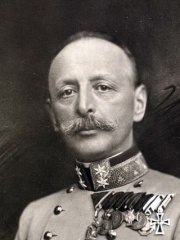
Stjepan Sarkotić
1858 - 1939
HPI : 60.73
Rang : 12




