Politiker
Julia Minor
101 BC - 51 BC
DE.WIKIPEDIA PAGE VIEWS (PV)
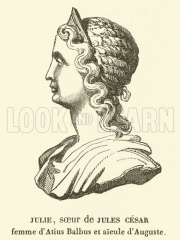
 Julia Minor
Ihre Biografie ist in 22 verschiedenen Sprachen auf Wikipedia verfügbar. Julia Minor ist die 2,727th beliebteste Politiker (gestiegen vom 5,437th im Jahr 2024), die 905th beliebteste Biografie aus Italien (gestiegen vom 1,554th im Jahr 2019) und die 193rd beliebteste aus Italien Politiker.
Memorability Metrics
28k
Page Views
Past 12 months
70.33
HPI
Historical Popularity Index
Page views of Julia Minor by language
Among Politikers
Among politikers, Julia Minor ranks 2,726 out of 19,576. Before her are Vajiravudh, Alfonso III of Asturias, Xanthippus, Konstantinos Karamanlis, Crown Prince Sado, and Crazy Horse. After her are Ranavalona I, Taichang Emperor, Prince Edward, Duke of Kent and Strathearn, Gaykhatu, Li Hongzhang, and Ahmad ibn Ibrahim al-Ghazi.
Most Popular Politikers in Wikipedia
Go to all Rankings
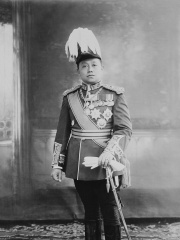
Vajiravudh
1880 - 1925
HPI: 70.34
Rank: 2,721
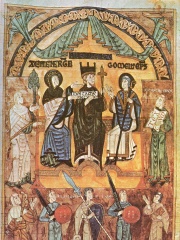
Alfonso III of Asturias
848 - 910
HPI: 70.34
Rank: 2,722
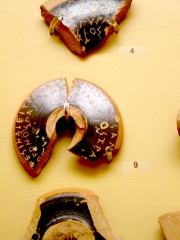
Xanthippus
590 BC - 500 BC
HPI: 70.34
Rank: 2,723
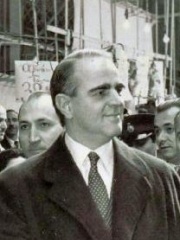
Konstantinos Karamanlis
1907 - 1998
HPI: 70.34
Rank: 2,724
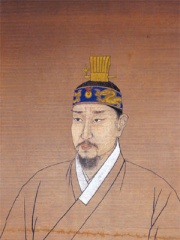
Crown Prince Sado
1735 - 1762
HPI: 70.34
Rank: 2,725
Crazy Horse
1840 - 1877
HPI: 70.33
Rank: 2,726
Julia Minor
101 BC - 51 BC
HPI: 70.33
Rank: 2,727
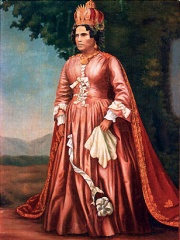
Ranavalona I
1788 - 1861
HPI: 70.33
Rank: 2,728
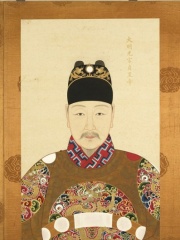
Taichang Emperor
1582 - 1620
HPI: 70.33
Rank: 2,729
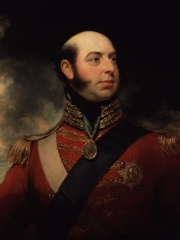
Prince Edward, Duke of Kent and Strathearn
1767 - 1820
HPI: 70.32
Rank: 2,730
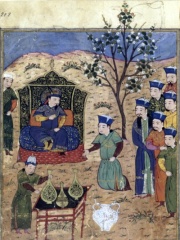
Gaykhatu
1300 - 1295
HPI: 70.32
Rank: 2,731

Li Hongzhang
1823 - 1901
HPI: 70.31
Rank: 2,732
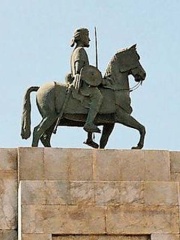
Ahmad ibn Ibrahim al-Ghazi
1506 - 1543
HPI: 70.30
Rank: 2,733

Contemporaries
Among people born in 101 BC, Julia Minor ranks 1. After her are Ariovistus, Ptolemy Apion, Rhodogune of Parthia, Manius Aquillius, and Ariarathes VIII of Cappadocia. Among people deceased in 51 BC, Julia Minor ranks 3. Before her are Ptolemy XII Auletes, and Posidonius.
Others Born in 101 BC
Go to all RankingsJulia Minor
POLITICIAN
101 BC - 51 BC
HPI: 70.33
Rank: 1
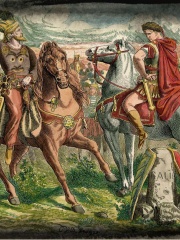
Ariovistus
POLITICIAN
101 BC - 54 BC
HPI: 67.18
Rank: 2
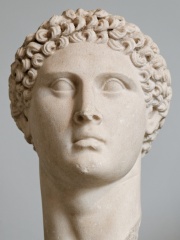
Ptolemy Apion
POLITICIAN
101 BC - 96 BC
HPI: 60.36
Rank: 3
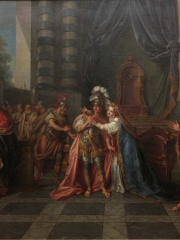
Rhodogune of Parthia
POLITICIAN
101 BC - Present
HPI: 58.41
Rank: 4
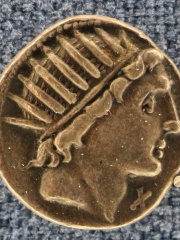
Manius Aquillius
POLITICIAN
101 BC - 88 BC
HPI: 57.29
Rank: 5
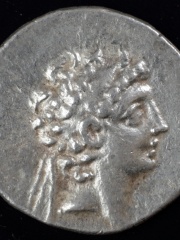
Ariarathes VIII of Cappadocia
POLITICIAN
101 BC - 1 BC
HPI: 55.19
Rank: 6
Others Deceased in 51 BC
Go to all Rankings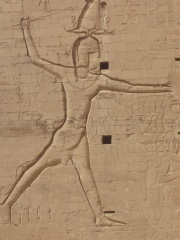
Ptolemy XII Auletes
POLITICIAN
117 BC - 51 BC
HPI: 76.02
Rank: 1
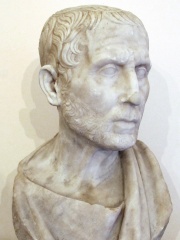
Posidonius
PHILOSOPHER
135 BC - 51 BC
HPI: 75.13
Rank: 2
Julia Minor
POLITICIAN
101 BC - 51 BC
HPI: 70.33
Rank: 3
In Italien
Among people born in Italien, Julia Minor ranks 905 out of NaN. Before her are Lodovico Ferrari (1522), Silas (1), Gentile da Fabriano (1370), Baldassare Galuppi (1706), Vincenzo Galilei (1520), and Claudia Mori (1944). After her are Mario Beccaria (1920), Orazio Gentileschi (1563), Raimondo Montecuccoli (1609), Pietro Pomponazzi (1462), Roberto Cavalli (1940), and François Gérard (1770).
Others born in Italien
Go to all Rankings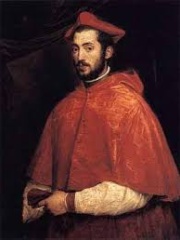
Lodovico Ferrari
MATHEMATICIAN
1522 - 1565
HPI: 70.38
Rank: 899

Silas
RELIGIOUS FIGURE
1 - 100
HPI: 70.37
Rank: 900
Gentile da Fabriano
PAINTER
1370 - 1427
HPI: 70.35
Rank: 901
Baldassare Galuppi
COMPOSER
1706 - 1785
HPI: 70.34
Rank: 902
Vincenzo Galilei
COMPOSER
1520 - 1591
HPI: 70.34
Rank: 903

Claudia Mori
ACTOR
1944 - Present
HPI: 70.34
Rank: 904
Julia Minor
POLITICIAN
101 BC - 51 BC
HPI: 70.33
Rank: 905
Mario Beccaria
POLITICIAN
1920 - 2003
HPI: 70.30
Rank: 906

Orazio Gentileschi
PAINTER
1563 - 1639
HPI: 70.27
Rank: 907
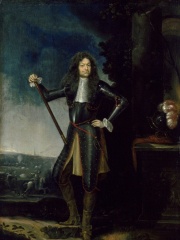
Raimondo Montecuccoli
MILITARY PERSONNEL
1609 - 1680
HPI: 70.27
Rank: 908
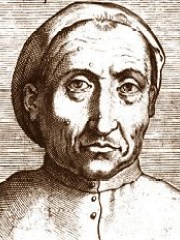
Pietro Pomponazzi
PHILOSOPHER
1462 - 1525
HPI: 70.27
Rank: 909

Roberto Cavalli
FASHION DESIGNER
1940 - 2024
HPI: 70.27
Rank: 910
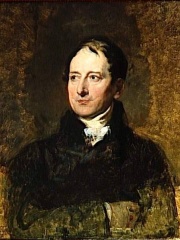
François Gérard
PAINTER
1770 - 1837
HPI: 70.27
Rank: 911
Among Politikers In Italien
Among politikers born in Italien, Julia Minor ranks 193. Before her are Phalaris (-700), Maria Amalia of Naples and Sicily (1782), Filippo Maria Visconti (1392), Berengar II of Italy (900), Ladislaus of Naples (1377), and Quirinius (-45). After her are Mario Beccaria (1920), Sandro Pertini (1896), Giuseppe Guarneri (1698), Ambrogio Spinola, 1st Marquess of Balbases (1569), Teia (550), and Gnaeus Domitius Corbulo (5).
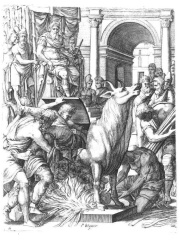
Phalaris
700 BC - 600 BC
HPI: 70.56
Rank: 187
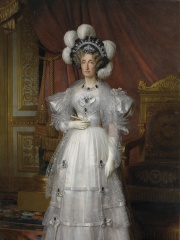
Maria Amalia of Naples and Sicily
1782 - 1866
HPI: 70.55
Rank: 188
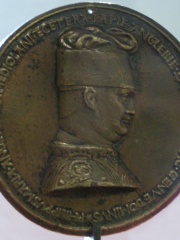
Filippo Maria Visconti
1392 - 1447
HPI: 70.53
Rank: 189
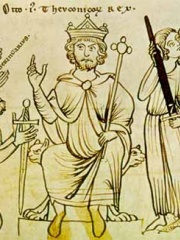
Berengar II of Italy
900 - 966
HPI: 70.44
Rank: 190
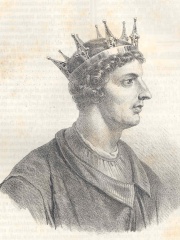
Ladislaus of Naples
1377 - 1414
HPI: 70.39
Rank: 191
Quirinius
45 BC - 21
HPI: 70.38
Rank: 192
Julia Minor
101 BC - 51 BC
HPI: 70.33
Rank: 193
Mario Beccaria
1920 - 2003
HPI: 70.30
Rank: 194
Sandro Pertini
1896 - 1990
HPI: 70.20
Rank: 195

Giuseppe Guarneri
1698 - 1744
HPI: 70.20
Rank: 196
Ambrogio Spinola, 1st Marquess of Balbases
1569 - 1630
HPI: 70.18
Rank: 197
Teia
550 - 552
HPI: 70.16
Rank: 198
Gnaeus Domitius Corbulo
5 - 67
HPI: 70.10
Rank: 199




