Közgazdász
Mario Draghi
1947 - napjainkig
HU.WIKIPEDIA OLDALMEGTEKINTÉSEK (PV)
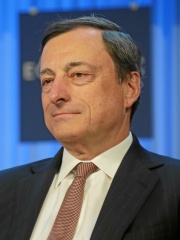
 Mario Draghi
Életrajza 81 különböző nyelven érhető el a Wikipédián. Mario Draghi a 14th legnépszerűbb közgazdász (növekedés a 20th-ről 2024-ben), a 404th legnépszerűbb életrajz Olaszország országából (növekedés a 483rd-ről 2019-ben) és a legnépszerűbb Olaszországból közgazdász.
Ismertségi mutatók
670k
Oldalmegtekintések
Elmúlt 12 hónap
76.21
HPI
Történelmi népszerűségi index
Adatérdekességek
81
Mario Draghi életrajza a Wikipédia 81 nyelvi változatában szerepel, több nyelven, mint a(z) Közgazdász 97%-a esetében.
#14 / 432
Mario Draghi a(z) 14. helyen áll a világ 432 Közgazdász között, a szakma legjobb 4%-ában.
+792
Mario Draghi 792 helyet javított a Pantheon globális HPI-rangsorában, a(z) 3,791. helyről a(z) 2,999. helyre lépett.
Mario Draghi oldalmegtekintései nyelvenként
A(z) Közgazdász között
A(z) Közgazdász között Mario Draghi a(z) 14. helyen áll 432 közül. Előtte állnak: Friedrich Hayek, Frédéric Passy, Vilfredo Pareto, Milton Friedman, François Quesnay, és Joseph Schumpeter. Utána következnek: George Shultz, Alfred Marshall, John Law, Ludwig von Mises, W. Arthur Lewis, és Klaus Schwab.
A legnépszerűbb Közgazdász a Wikipédián
Összes rangsor megtekintése
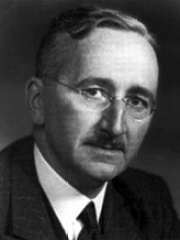
Friedrich Hayek
1899 - 1992
HPI: 78.84
Helyezés: 8
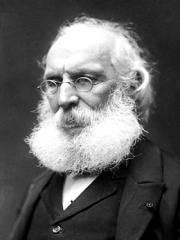
Frédéric Passy
1822 - 1912
HPI: 78.38
Helyezés: 9
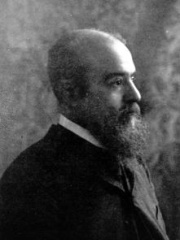
Vilfredo Pareto
1848 - 1923
HPI: 77.84
Helyezés: 10
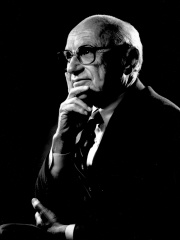
Milton Friedman
1912 - 2006
HPI: 77.39
Helyezés: 11
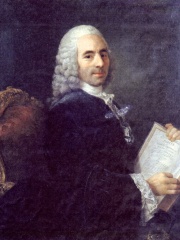
François Quesnay
1694 - 1774
HPI: 76.73
Helyezés: 12
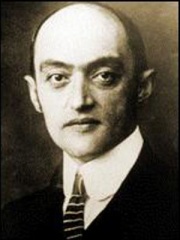
Joseph Schumpeter
1883 - 1950
HPI: 76.49
Helyezés: 13
Mario Draghi
1947 - napjainkig
HPI: 76.21
Helyezés: 14
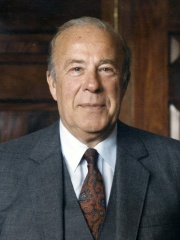
George Shultz
1920 - 2021
HPI: 76.07
Helyezés: 15
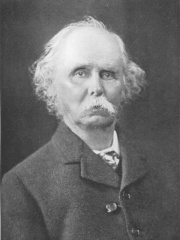
Alfred Marshall
1842 - 1924
HPI: 75.63
Helyezés: 16

John Law
1671 - 1729
HPI: 75.44
Helyezés: 17
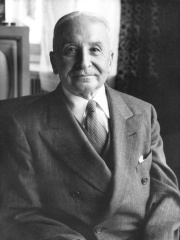
Ludwig von Mises
1881 - 1973
HPI: 74.80
Helyezés: 18
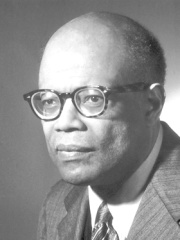
W. Arthur Lewis
1915 - 1991
HPI: 74.61
Helyezés: 19

Klaus Schwab
1938 - napjainkig
HPI: 74.42
Helyezés: 20

Kortársak
A(z) 1947. évben születettek között Mario Draghi a(z) 18. helyen áll. Előtte állnak: Dilma Rousseff, Gloria Macapagal Arroyo, Brian May, Mary Simon, O. J. Simpson, és James Hunt. Utána következnek: Shirin Ebadi, Anwar Ibrahim, Paul Auster, Mohammad Najibullah, Carlos Santana, és Iggy Pop.
További személyek, akik a(z) 1947. évben születtek
Összes rangsor megtekintése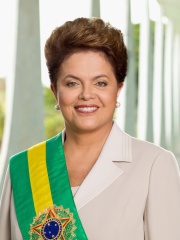
Dilma Rousseff
POLITICIAN
1947 - napjainkig
HPI: 77.08
Helyezés: 12
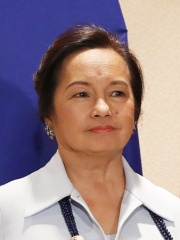
Gloria Macapagal Arroyo
POLITICIAN
1947 - napjainkig
HPI: 76.92
Helyezés: 13

Brian May
MUSICIAN
1947 - napjainkig
HPI: 76.75
Helyezés: 14
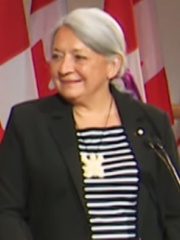
Mary Simon
POLITICIAN
1947 - napjainkig
HPI: 76.61
Helyezés: 15
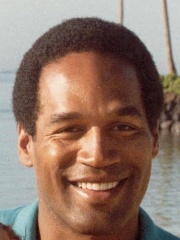
O. J. Simpson
AMERICAN FOOTBALL PLAYER
1947 - 2024
HPI: 76.56
Helyezés: 16

James Hunt
RACING DRIVER
1947 - 1993
HPI: 76.33
Helyezés: 17
Mario Draghi
ECONOMIST
1947 - napjainkig
HPI: 76.21
Helyezés: 18
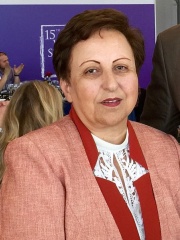
Shirin Ebadi
SOCIAL ACTIVIST
1947 - napjainkig
HPI: 76.17
Helyezés: 19

Anwar Ibrahim
POLITICIAN
1947 - napjainkig
HPI: 76.01
Helyezés: 20
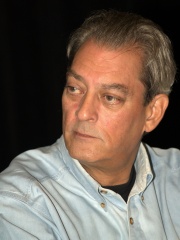
Paul Auster
WRITER
1947 - 2024
HPI: 75.86
Helyezés: 21
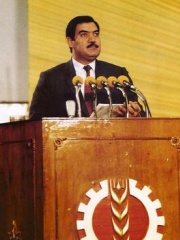
Mohammad Najibullah
POLITICIAN
1947 - 1996
HPI: 75.28
Helyezés: 22

Carlos Santana
MUSICIAN
1947 - napjainkig
HPI: 74.91
Helyezés: 23
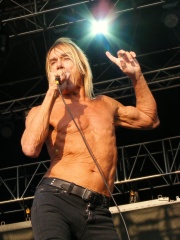
Iggy Pop
MUSICIAN
1947 - napjainkig
HPI: 74.75
Helyezés: 24
A(z) Olaszország rangsorában
A(z) Olaszország területén születettek között Mario Draghi a(z) 404. helyen áll 5,905 közül. Előtte állnak: Gaius Octavius (-100), Pope Sergius I (650), Filippo Lippi (1406), Guido Reni (1575), Nero Claudius Drusus (-38), és Antonio da Correggio (1489). Utána következnek: Pope Theodore II (840), Yves Montand (1921), Pope Celestine II (1100), Pope Nicholas IV (1227), Enrico Dandolo (1107), és Ludovico Ariosto (1474).
További személyek, akik Olaszország területén születtek
Összes rangsor megtekintése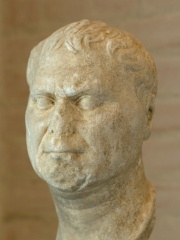
Gaius Octavius
POLITICIAN
100 BC - 58 BC
HPI: 76.35
Helyezés: 398
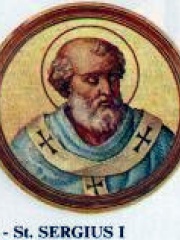
Pope Sergius I
RELIGIOUS FIGURE
650 - 701
HPI: 76.34
Helyezés: 399
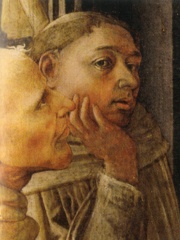
Filippo Lippi
PAINTER
1406 - 1469
HPI: 76.31
Helyezés: 400
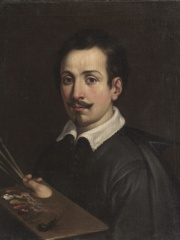
Guido Reni
PAINTER
1575 - 1642
HPI: 76.27
Helyezés: 401
Nero Claudius Drusus
MILITARY PERSONNEL
38 BC - 9 BC
HPI: 76.26
Helyezés: 402
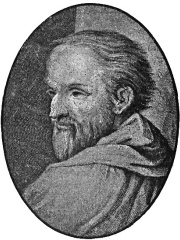
Antonio da Correggio
PAINTER
1489 - 1534
HPI: 76.24
Helyezés: 403
Mario Draghi
ECONOMIST
1947 - napjainkig
HPI: 76.21
Helyezés: 404
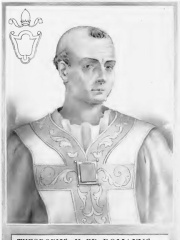
Pope Theodore II
RELIGIOUS FIGURE
840 - 897
HPI: 76.21
Helyezés: 405

Yves Montand
ACTOR
1921 - 1991
HPI: 76.18
Helyezés: 406
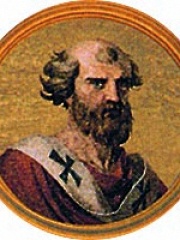
Pope Celestine II
RELIGIOUS FIGURE
1100 - 1144
HPI: 76.17
Helyezés: 407
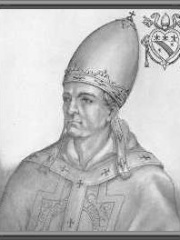
Pope Nicholas IV
RELIGIOUS FIGURE
1227 - 1292
HPI: 76.17
Helyezés: 408
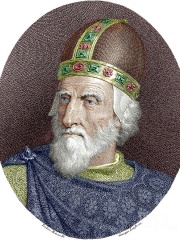
Enrico Dandolo
POLITICIAN
1107 - 1205
HPI: 76.16
Helyezés: 409
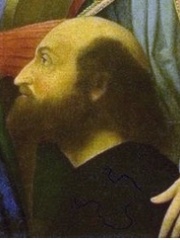
Ludovico Ariosto
WRITER
1474 - 1533
HPI: 76.15
Helyezés: 410
A(z) Közgazdász között – Olaszország
A(z) Olaszország területén született Közgazdász között Mario Draghi a(z) 1. helyen áll. Utána következnek: Franco Modigliani (1918), Carlo M. Cipolla (1922), Piero Sraffa (1898), Giovanni Arrighi (1937), Ferdinando Galiani (1728), Gian Domenico Romagnosi (1761), Pietro Verri (1728), Mariana Mazzucato (1968), Pier Carlo Padoan (1950), Daniele Archibugi (1958), és Alberto Alesina (1957).
Mario Draghi
1947 - napjainkig
HPI: 76.21
Helyezés: 1
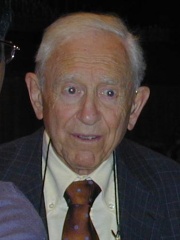
Franco Modigliani
1918 - 2003
HPI: 69.67
Helyezés: 2
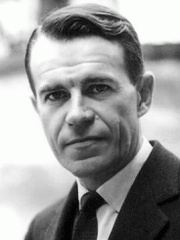
Carlo M. Cipolla
1922 - 2000
HPI: 65.73
Helyezés: 3
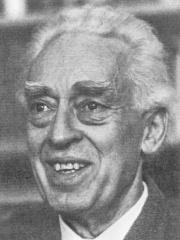
Piero Sraffa
1898 - 1983
HPI: 63.00
Helyezés: 4
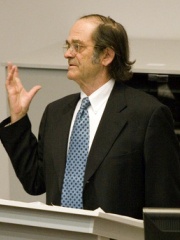
Giovanni Arrighi
1937 - 2009
HPI: 61.17
Helyezés: 5
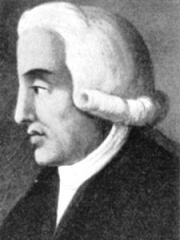
Ferdinando Galiani
1728 - 1787
HPI: 60.16
Helyezés: 6
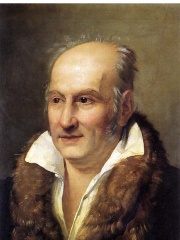
Gian Domenico Romagnosi
1761 - 1835
HPI: 60.12
Helyezés: 7
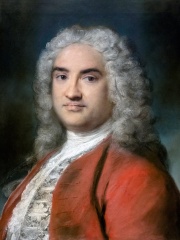
Pietro Verri
1728 - 1797
HPI: 56.83
Helyezés: 8

Mariana Mazzucato
1968 - napjainkig
HPI: 52.59
Helyezés: 9
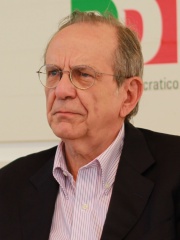
Pier Carlo Padoan
1950 - napjainkig
HPI: 51.61
Helyezés: 10

Daniele Archibugi
1958 - napjainkig
HPI: 50.77
Helyezés: 11
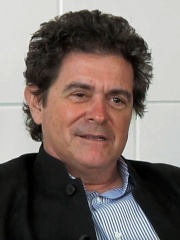
Alberto Alesina
1957 - 2020
HPI: 49.56
Helyezés: 12




