Politikus
Gaius Octavius
100 BC - 58 BC
HU.WIKIPEDIA OLDALMEGTEKINTÉSEK (PV)
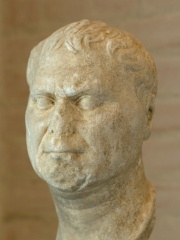
 Gaius Octavius
Életrajza 32 különböző nyelven érhető el a Wikipédián (növekedés 31-ről 2024-ben). Gaius Octavius a 899th legnépszerűbb politikus (növekedés a 2,015th-ről 2024-ben), a 398th legnépszerűbb életrajz Olaszország országából (növekedés a 726th-ről 2019-ben) és a 60th legnépszerűbb Olaszországból politikus.
Ismertségi mutatók
150k
Oldalmegtekintések
Elmúlt 12 hónap
76.35
HPI
Történelmi népszerűségi index
Gaius Octavius oldalmegtekintései nyelvenként
A(z) Politikus között
A(z) Politikus között Gaius Octavius a(z) 899. helyen áll 19,576 közül. Előtte állnak: Vigdís Finnbogadóttir, Robert II of France, Imad ad-Din Zengi, Lothair II, Holy Roman Emperor, Ptolemy IV Philopator, és Lee Myung-bak. Utána következnek: Zine El Abidine Ben Ali, Darius II, Simon of Cyrene, Justin I, Felix Dzerzhinsky, és Arnulf of Carinthia.
A legnépszerűbb Politikus a Wikipédián
Összes rangsor megtekintése
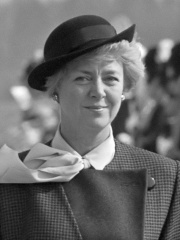
Vigdís Finnbogadóttir
1930 - napjainkig
HPI: 76.38
Helyezés: 893
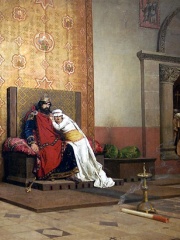
Robert II of France
972 - 1031
HPI: 76.37
Helyezés: 894
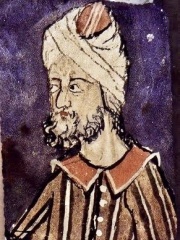
Imad ad-Din Zengi
1087 - 1146
HPI: 76.37
Helyezés: 895
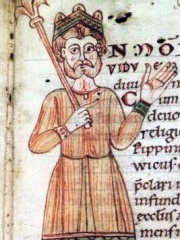
Lothair II, Holy Roman Emperor
1075 - 1137
HPI: 76.35
Helyezés: 896
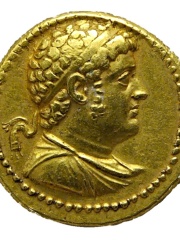
Ptolemy IV Philopator
244 BC - 205 BC
HPI: 76.35
Helyezés: 897

Lee Myung-bak
1941 - napjainkig
HPI: 76.35
Helyezés: 898
Gaius Octavius
100 BC - 58 BC
HPI: 76.35
Helyezés: 899

Zine El Abidine Ben Ali
1936 - 2019
HPI: 76.34
Helyezés: 900
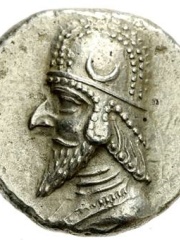
Darius II
475 BC - 404 BC
HPI: 76.34
Helyezés: 901
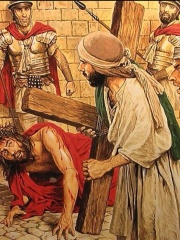
Simon of Cyrene
100 BC - 100
HPI: 76.33
Helyezés: 902
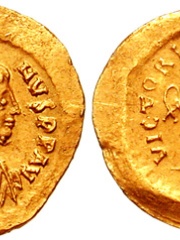
Justin I
450 - 527
HPI: 76.33
Helyezés: 903
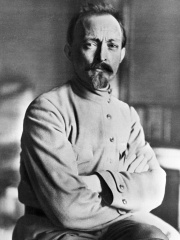
Felix Dzerzhinsky
1877 - 1926
HPI: 76.33
Helyezés: 904
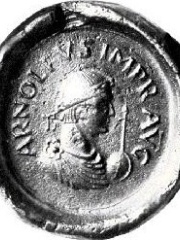
Arnulf of Carinthia
850 - 899
HPI: 76.31
Helyezés: 905

Kortársak
A(z) 100 BC. évben születettek között Gaius Octavius a(z) 6. helyen áll. Előtte állnak: Julius Caesar, Elizabeth, Bartholomew the Apostle, Lazarus of Bethany, és Joachim. Utána következnek: Simon of Cyrene, Herodias, Cornelius Nepos, Cleopatra V of Egypt, Quintus Caecilius Metellus Pius Scipio Nasica, és Gamaliel. A(z) 58 BC. évben elhunytak között Gaius Octavius a(z) 1. helyen áll.
További személyek, akik a(z) 100 BC. évben születtek
Összes rangsor megtekintése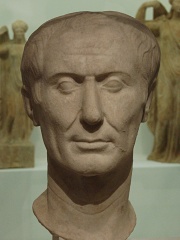
Julius Caesar
POLITICIAN
100 BC - 44 BC
HPI: 93.78
Helyezés: 1

Elizabeth
RELIGIOUS FIGURE
100 BC - 100
HPI: 83.98
Helyezés: 2

Bartholomew the Apostle
RELIGIOUS FIGURE
100 BC - 100
HPI: 82.57
Helyezés: 3
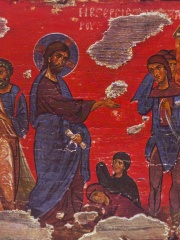
Lazarus of Bethany
RELIGIOUS FIGURE
100 BC - napjainkig
HPI: 80.00
Helyezés: 4
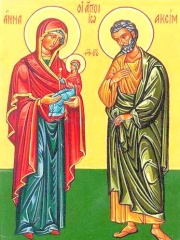
Joachim
RELIGIOUS FIGURE
100 BC - 10 BC
HPI: 78.87
Helyezés: 5
Gaius Octavius
POLITICIAN
100 BC - 58 BC
HPI: 76.35
Helyezés: 6
Simon of Cyrene
POLITICIAN
100 BC - 100
HPI: 76.33
Helyezés: 7
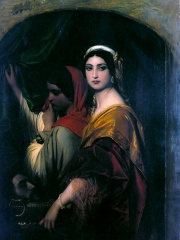
Herodias
NOBLEMAN
100 BC - 100
HPI: 74.71
Helyezés: 8
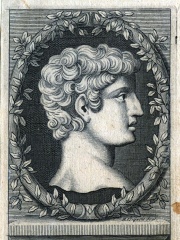
Cornelius Nepos
WRITER
100 BC - 25 BC
HPI: 74.23
Helyezés: 9
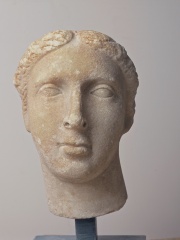
Cleopatra V of Egypt
POLITICIAN
100 BC - 57 BC
HPI: 73.68
Helyezés: 10
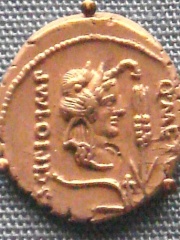
Quintus Caecilius Metellus Pius Scipio Nasica
POLITICIAN
100 BC - 46 BC
HPI: 72.35
Helyezés: 11

Gamaliel
RELIGIOUS FIGURE
100 BC - 63
HPI: 71.56
Helyezés: 12
További személyek, akik a(z) 58 BC. évben hunytak el
Összes rangsor megtekintéseA(z) Olaszország rangsorában
A(z) Olaszország területén születettek között Gaius Octavius a(z) 398. helyen áll NaN közül. Előtte állnak: Pope John IX (850), Charles IV of Spain (1748), Pope Mark (290), Gallienus (218), Antonio Canova (1757), és Pope Stephen IV (770). Utána következnek: Pope Sergius I (650), Filippo Lippi (1406), Guido Reni (1575), Nero Claudius Drusus (-38), Antonio da Correggio (1489), és Mario Draghi (1947).
További személyek, akik Olaszország területén születtek
Összes rangsor megtekintése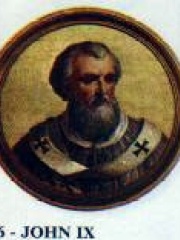
Pope John IX
RELIGIOUS FIGURE
850 - 900
HPI: 76.41
Helyezés: 392
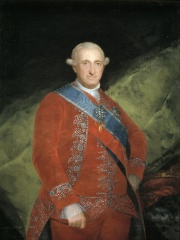
Charles IV of Spain
POLITICIAN
1748 - 1819
HPI: 76.39
Helyezés: 393
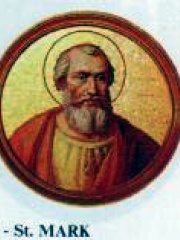
Pope Mark
RELIGIOUS FIGURE
290 - 336
HPI: 76.39
Helyezés: 394
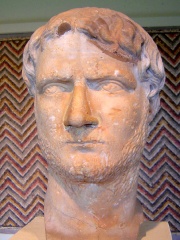
Gallienus
POLITICIAN
218 - 268
HPI: 76.39
Helyezés: 395

Antonio Canova
SCULPTOR
1757 - 1822
HPI: 76.37
Helyezés: 396
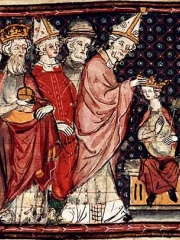
Pope Stephen IV
RELIGIOUS FIGURE
770 - 817
HPI: 76.36
Helyezés: 397
Gaius Octavius
POLITICIAN
100 BC - 58 BC
HPI: 76.35
Helyezés: 398
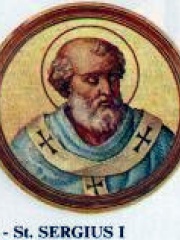
Pope Sergius I
RELIGIOUS FIGURE
650 - 701
HPI: 76.34
Helyezés: 399
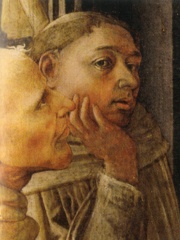
Filippo Lippi
PAINTER
1406 - 1469
HPI: 76.31
Helyezés: 400
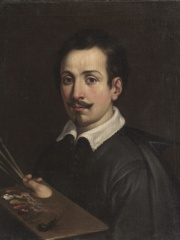
Guido Reni
PAINTER
1575 - 1642
HPI: 76.27
Helyezés: 401
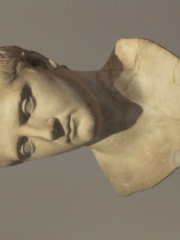
Nero Claudius Drusus
MILITARY PERSONNEL
38 BC - 9 BC
HPI: 76.26
Helyezés: 402
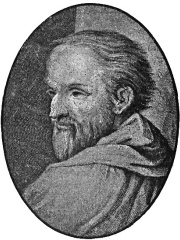
Antonio da Correggio
PAINTER
1489 - 1534
HPI: 76.24
Helyezés: 403

Mario Draghi
ECONOMIST
1947 - napjainkig
HPI: 76.21
Helyezés: 404
A(z) Politikus között – Olaszország
A(z) Olaszország területén született Politikus között Gaius Octavius a(z) 60. helyen áll. Előtte állnak: Herod Agrippa II (28), Atia (-85), Catiline (-109), Maxentius (278), Charles IV of Spain (1748), és Gallienus (218). Utána következnek: Enrico Dandolo (1107), Lucius Caesar (-17), Giorgio Napolitano (1925), Ferdinand I of the Two Sicilies (1751), Conrad IV of Germany (1228), és Amadeo I of Spain (1845).
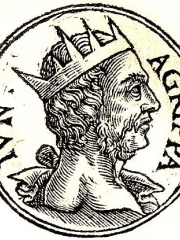
Herod Agrippa II
28 - 100
HPI: 76.66
Helyezés: 54
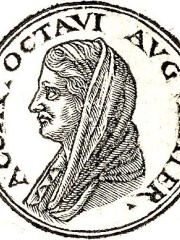
Atia
85 BC - 43 BC
HPI: 76.61
Helyezés: 55
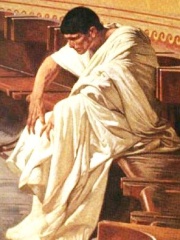
Catiline
109 BC - 62 BC
HPI: 76.46
Helyezés: 56
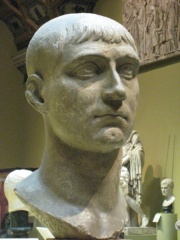
Maxentius
278 - 312
HPI: 76.43
Helyezés: 57
Charles IV of Spain
1748 - 1819
HPI: 76.39
Helyezés: 58
Gallienus
218 - 268
HPI: 76.39
Helyezés: 59
Gaius Octavius
100 BC - 58 BC
HPI: 76.35
Helyezés: 60
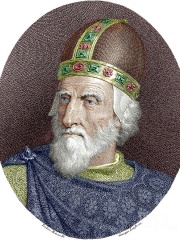
Enrico Dandolo
1107 - 1205
HPI: 76.16
Helyezés: 61
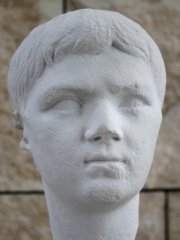
Lucius Caesar
17 BC - 2
HPI: 76.00
Helyezés: 62
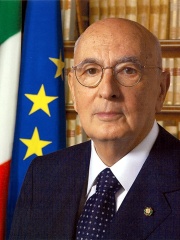
Giorgio Napolitano
1925 - 2023
HPI: 75.95
Helyezés: 63
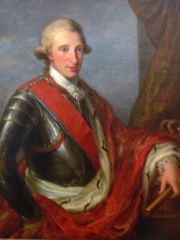
Ferdinand I of the Two Sicilies
1751 - 1825
HPI: 75.79
Helyezés: 64
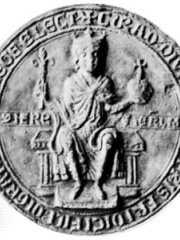
Conrad IV of Germany
1228 - 1254
HPI: 75.78
Helyezés: 65
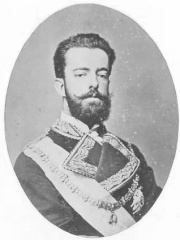
Amadeo I of Spain
1845 - 1890
HPI: 75.78
Helyezés: 66




