رسام
Ma Yuan
1160 - 1225

 Ma Yuan
سيرته الذاتية متاحة بـ26 لغة مختلفة على ويكيبيديا. يحتل Ma Yuan المرتبة 886 بين أكثر رسام شعبيةً (تراجعًا من 567 في 2024)، والمرتبة 618 بين أكثر السير الذاتية شعبيةً في الصين (تراجعًا من 428 في 2019)، كما يحتل المرتبة 15 بين أكثر رسام من الصين شعبيةً.
Memorability Metrics
21k
Page Views
Past 12 months
62.13
HPI
Historical Popularity Index
Page views of Ma Yuan by language
Among رسام
Among رسام, Ma Yuan ranks 886 out of 2,023. Before him are Maximilien Luce, Jacques Villon, Aleksander Orłowski, Felix Nussbaum, Grandma Moses, and Louise Catherine Breslau. After him are Giovanni Ambrogio de Predis, Huang Tingjian, Antoine Pesne, Jacopo Amigoni, Anna Bilińska, and Eero Järnefelt.
Most Popular رسام in Wikipedia
Go to all Rankings
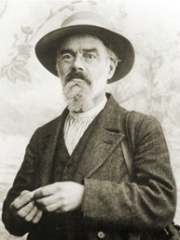
Maximilien Luce
1858 - 1941
HPI: 62.20
Rank: 880
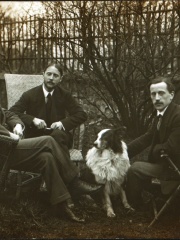
Jacques Villon
1875 - 1963
HPI: 62.19
Rank: 881
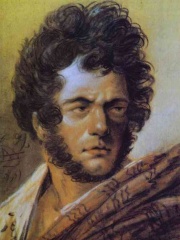
Aleksander Orłowski
1777 - 1832
HPI: 62.18
Rank: 882

Felix Nussbaum
1904 - 1944
HPI: 62.16
Rank: 883
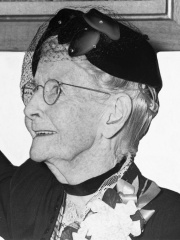
Grandma Moses
1860 - 1961
HPI: 62.15
Rank: 884
Louise Catherine Breslau
1856 - 1927
HPI: 62.13
Rank: 885
Ma Yuan
1160 - 1225
HPI: 62.13
Rank: 886
Giovanni Ambrogio de Predis
1455 - 1522
HPI: 62.12
Rank: 887
Huang Tingjian
1045 - 1105
HPI: 62.11
Rank: 888
Antoine Pesne
1683 - 1757
HPI: 62.11
Rank: 889

Jacopo Amigoni
1682 - 1752
HPI: 62.10
Rank: 890
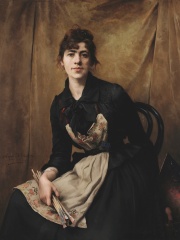
Anna Bilińska
1854 - 1893
HPI: 62.09
Rank: 891
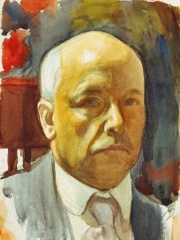
Eero Järnefelt
1863 - 1937
HPI: 62.07
Rank: 892

Contemporaries
Among people born in 1160, Ma Yuan ranks 15. Before him are Abu Yusuf Yaqub al-Mansur, Dulce of Aragon, Arnaud Amalric, Isaac the Blind, Vladislaus III, Duke of Bohemia, and William of Champlitte. After him are Berthold V, Duke of Zähringen, David Kimhi, Adelaide of Meissen, Ida, Countess of Boulogne, Adolf III of Holstein, and David of Dinant. Among people deceased in 1225, Ma Yuan ranks 8. Before him are Al-Afdal ibn Salah ad-Din, Al-Nasir, Comtessa de Dia, Arnaud Amalric, Hōjō Masako, and Angelus of Jerusalem. After him are Jien, Engelbert II of Berg, and Adolf III of Holstein.
Others Born in 1160
Go to all Rankings
Abu Yusuf Yaqub al-Mansur
POLITICIAN
1160 - 1199
HPI: 68.02
Rank: 9
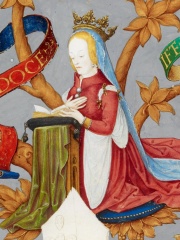
Dulce of Aragon
COMPANION
1160 - 1198
HPI: 65.70
Rank: 10

Arnaud Amalric
RELIGIOUS FIGURE
1160 - 1225
HPI: 65.34
Rank: 11

Isaac the Blind
WRITER
1160 - 1235
HPI: 62.98
Rank: 12
Vladislaus III, Duke of Bohemia
POLITICIAN
1160 - 1222
HPI: 62.42
Rank: 13

William of Champlitte
POLITICIAN
1160 - 1209
HPI: 62.16
Rank: 14
Ma Yuan
PAINTER
1160 - 1225
HPI: 62.13
Rank: 15
Berthold V, Duke of Zähringen
POLITICIAN
1160 - 1218
HPI: 61.80
Rank: 16

David Kimhi
POLITICIAN
1160 - 1235
HPI: 60.88
Rank: 17

Adelaide of Meissen
COMPANION
1160 - 1211
HPI: 60.07
Rank: 18
Ida, Countess of Boulogne
POLITICIAN
1160 - 1216
HPI: 59.45
Rank: 19
Adolf III of Holstein
POLITICIAN
1160 - 1225
HPI: 59.04
Rank: 20

David of Dinant
PHILOSOPHER
1160 - 1217
HPI: 57.99
Rank: 21
Others Deceased in 1225
Go to all Rankings
Al-Afdal ibn Salah ad-Din
POLITICIAN
1170 - 1225
HPI: 68.27
Rank: 2
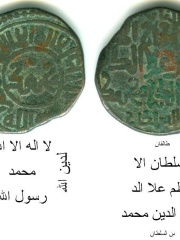
Al-Nasir
POLITICIAN
1158 - 1225
HPI: 67.58
Rank: 3
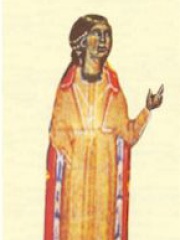
Comtessa de Dia
WRITER
1175 - 1225
HPI: 67.12
Rank: 4
Arnaud Amalric
RELIGIOUS FIGURE
1160 - 1225
HPI: 65.34
Rank: 5
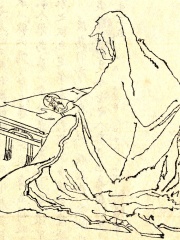
Hōjō Masako
POLITICIAN
1156 - 1225
HPI: 65.20
Rank: 6
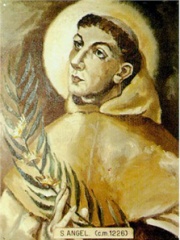
Angelus of Jerusalem
RELIGIOUS FIGURE
1185 - 1225
HPI: 64.19
Rank: 7
Ma Yuan
PAINTER
1160 - 1225
HPI: 62.13
Rank: 8
Jien
WRITER
1155 - 1225
HPI: 59.76
Rank: 9
Engelbert II of Berg
RELIGIOUS FIGURE
1185 - 1225
HPI: 59.55
Rank: 10
Adolf III of Holstein
POLITICIAN
1160 - 1225
HPI: 59.04
Rank: 11
In الصين
Among people born in الصين, Ma Yuan ranks 618 out of NaN. Before him are Sakya Pandita (1182), Liu Yongfu (1837), Qin Liangyu (1574), Wu Yi (1938), Zhou Daguan (1266), and Gongsun Du (200). After him are Di Yi (-1200), Huang Tingjian (1045), Li Cunxu (885), Tian Han (1898), Huang Xing (1874), and Zhu Yujian (1602).
Others born in الصين
Go to all Rankings
Sakya Pandita
WRITER
1182 - 1251
HPI: 62.24
Rank: 612
Liu Yongfu
POLITICIAN
1837 - 1917
HPI: 62.23
Rank: 613
Qin Liangyu
MILITARY PERSONNEL
1574 - 1648
HPI: 62.19
Rank: 614
Wu Yi
POLITICIAN
1938 - Present
HPI: 62.16
Rank: 615

Zhou Daguan
WRITER
1266 - 1346
HPI: 62.15
Rank: 616

Gongsun Du
MILITARY PERSONNEL
200 - Present
HPI: 62.13
Rank: 617
Ma Yuan
PAINTER
1160 - 1225
HPI: 62.13
Rank: 618

Di Yi
POLITICIAN
1200 BC - 1076 BC
HPI: 62.12
Rank: 619
Huang Tingjian
PAINTER
1045 - 1105
HPI: 62.11
Rank: 620
Li Cunxu
POLITICIAN
885 - 926
HPI: 62.10
Rank: 621

Tian Han
WRITER
1898 - 1968
HPI: 62.08
Rank: 622
Huang Xing
POLITICIAN
1874 - 1916
HPI: 62.07
Rank: 623
Zhu Yujian
POLITICIAN
1602 - 1646
HPI: 62.06
Rank: 624
Among رسام In الصين
Among رسام born in الصين, Ma Yuan ranks 15. Before him are Liang Kai (1200), Bada Shanren (1626), Wen Zhengming (1470), Shen Zhou (1427), Ni Zan (1301), and Wu Daozi (680). After him are Huang Tingjian (1045), Xia Gui (1195), Pan Yuliang (1895), Zhang Zeduan (1085), Xu Beihong (1895), and Xu Wei (1521).
Liang Kai
1200 - 1300
HPI: 63.31
Rank: 9
Bada Shanren
1626 - 1705
HPI: 63.17
Rank: 10
Wen Zhengming
1470 - 1559
HPI: 63.11
Rank: 11
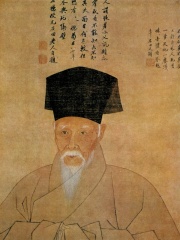
Shen Zhou
1427 - 1509
HPI: 63.08
Rank: 12
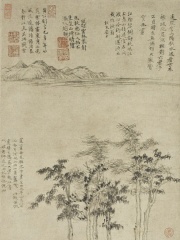
Ni Zan
1301 - 1374
HPI: 62.79
Rank: 13
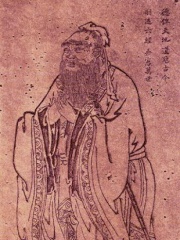
Wu Daozi
680 - 740
HPI: 62.74
Rank: 14
Ma Yuan
1160 - 1225
HPI: 62.13
Rank: 15
Huang Tingjian
1045 - 1105
HPI: 62.11
Rank: 16
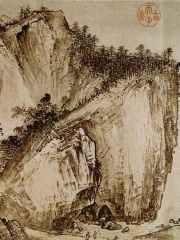
Xia Gui
1195 - 1224
HPI: 61.74
Rank: 17
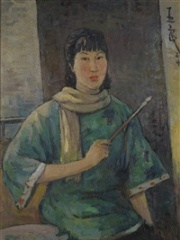
Pan Yuliang
1895 - 1977
HPI: 61.68
Rank: 18
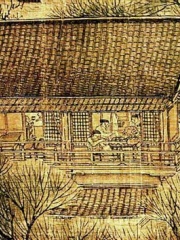
Zhang Zeduan
1085 - 1145
HPI: 61.59
Rank: 19
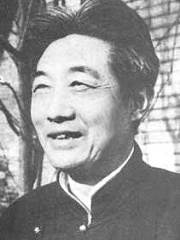
Xu Beihong
1895 - 1953
HPI: 61.17
Rank: 20
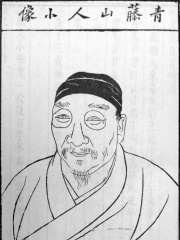
Xu Wei
1521 - 1593
HPI: 61.07
Rank: 21




