画家
Zhang Zeduan
1085 - 1145
ZH.WIKIPEDIA PAGE VIEWS (PV)
 Zhang Zeduan
Memorability Metrics
19k
Page Views
Past 12 months
61.59
HPI
Historical Popularity Index
Page views of Zhang Zeduan by language
Among 画家
Among 画家, Zhang Zeduan ranks 964 out of 2,023. Before him are Luca Cambiaso, Félix Ziem, Gilbert Stuart, Gaspard Dughet, Milena Pavlović-Barili, and Hasegawa Tōhaku. After him are Ignacio Zuloaga, Evel Knievel, Tivadar Csontváry Kosztka, Gerbrand van den Eeckhout, Elisabeth Jerichau-Baumann, and Frans van Mieris the Elder.
Most Popular 画家 in Wikipedia
Go to all Rankings
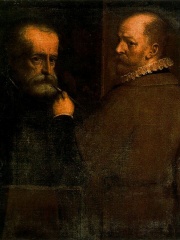
Luca Cambiaso
1527 - 1585
HPI: 61.60
Rank: 958
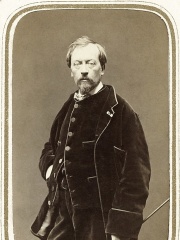
Félix Ziem
1821 - 1911
HPI: 61.60
Rank: 959
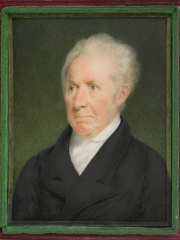
Gilbert Stuart
1755 - 1828
HPI: 61.59
Rank: 960

Gaspard Dughet
1613 - 1675
HPI: 61.59
Rank: 961
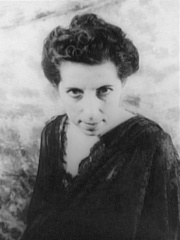
Milena Pavlović-Barili
1909 - 1945
HPI: 61.59
Rank: 962
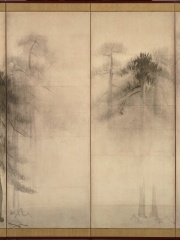
Hasegawa Tōhaku
1539 - 1610
HPI: 61.59
Rank: 963
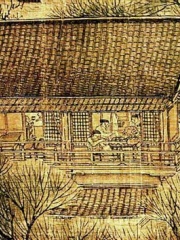
Zhang Zeduan
1085 - 1145
HPI: 61.59
Rank: 964
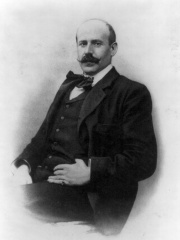
Ignacio Zuloaga
1870 - 1945
HPI: 61.58
Rank: 965
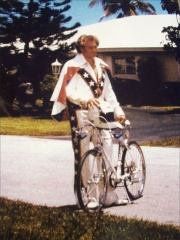
Evel Knievel
1938 - 2007
HPI: 61.57
Rank: 966

Tivadar Csontváry Kosztka
1853 - 1919
HPI: 61.57
Rank: 967
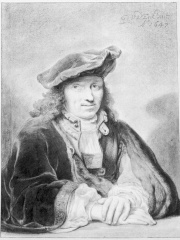
Gerbrand van den Eeckhout
1621 - 1674
HPI: 61.57
Rank: 968
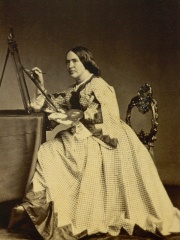
Elisabeth Jerichau-Baumann
1819 - 1881
HPI: 61.57
Rank: 969
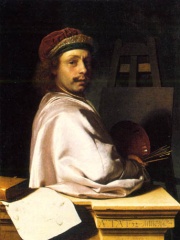
Frans van Mieris the Elder
1635 - 1681
HPI: 61.56
Rank: 970

Contemporaries
Among people born in 1085, Zhang Zeduan ranks 5. Before him are William of St-Thierry, Ralph I, Count of Vermandois, Bernardus Silvestris, and Hugh II, Duke of Burgundy. After him are Berthold III, Duke of Zähringen, and Waleran, Duke of Lower Lorraine. Among people deceased in 1145, Zhang Zeduan ranks 4. Before him are Pope Lucius II, Gallus Anonymus, and Abraham bar Hiyya. After him are Tashfin ibn Ali, Uroš I, Grand Prince of Serbia, Plato Tiburtinus, and Cecile of France.
Others Born in 1085
Go to all Rankings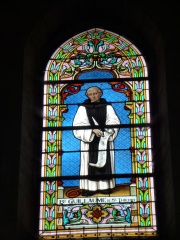
William of St-Thierry
RELIGIOUS FIGURE
1085 - 1148
HPI: 63.49
Rank: 1
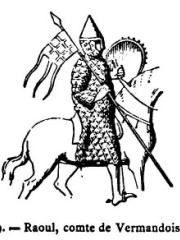
Ralph I, Count of Vermandois
POLITICIAN
1085 - 1152
HPI: 63.48
Rank: 2

Bernardus Silvestris
WRITER
1085 - 1160
HPI: 62.62
Rank: 3
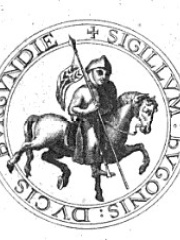
Hugh II, Duke of Burgundy
POLITICIAN
1085 - 1143
HPI: 62.51
Rank: 4
Zhang Zeduan
PAINTER
1085 - 1145
HPI: 61.59
Rank: 5
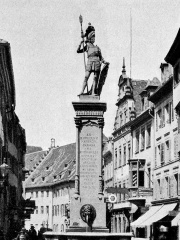
Berthold III, Duke of Zähringen
NOBLEMAN
1085 - 1122
HPI: 59.52
Rank: 6

Waleran, Duke of Lower Lorraine
NOBLEMAN
1085 - 1139
HPI: 59.25
Rank: 7
Others Deceased in 1145
Go to all Rankings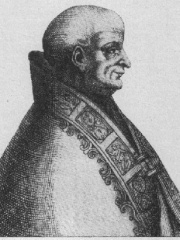
Pope Lucius II
RELIGIOUS FIGURE
1100 - 1145
HPI: 78.86
Rank: 1

Gallus Anonymus
POLITICIAN
1010 - 1145
HPI: 64.77
Rank: 2

Abraham bar Hiyya
MATHEMATICIAN
1070 - 1145
HPI: 63.41
Rank: 3
Zhang Zeduan
PAINTER
1085 - 1145
HPI: 61.59
Rank: 4

Tashfin ibn Ali
POLITICIAN
1200 - 1145
HPI: 61.42
Rank: 5
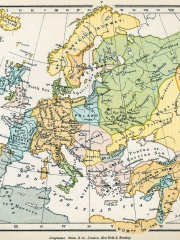
Uroš I, Grand Prince of Serbia
POLITICIAN
1083 - 1145
HPI: 61.17
Rank: 6

Plato Tiburtinus
MATHEMATICIAN
1110 - 1145
HPI: 59.14
Rank: 7
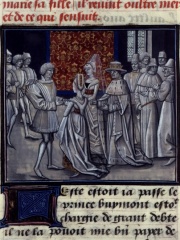
Cecile of France
POLITICIAN
1097 - 1145
HPI: 58.81
Rank: 8
In 中国
Among people born in 中国, Zhang Zeduan ranks 652 out of NaN. Before him are Sogyal Rinpoche (1947), Bo Gu (1907), Kenneth Tsang (1935), Song Yingxing (1587), James Tien (1942), and Zhu of Xia (null). After him are Pei Songzhi (372), Choekyi Gyaltsen, 10th Panchen Lama (1938), Luo Yixiu (1889), Liu Penzi (11), Guan Daosheng (1262), and Jung Chang (1952).
Others born in 中国
Go to all Rankings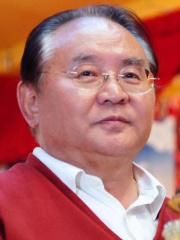
Sogyal Rinpoche
WRITER
1947 - 2019
HPI: 61.68
Rank: 646
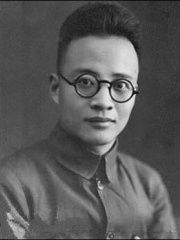
Bo Gu
POLITICIAN
1907 - 1946
HPI: 61.67
Rank: 647

Kenneth Tsang
ACTOR
1935 - 2022
HPI: 61.64
Rank: 648
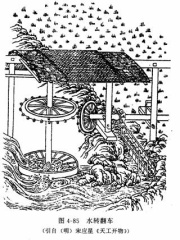
Song Yingxing
WRITER
1587 - 1666
HPI: 61.62
Rank: 649

James Tien
ACTOR
1942 - Present
HPI: 61.61
Rank: 650

Zhu of Xia
POLITICIAN
HPI: 61.60
Rank: 651
Zhang Zeduan
PAINTER
1085 - 1145
HPI: 61.59
Rank: 652

Pei Songzhi
HISTORIAN
372 - 451
HPI: 61.53
Rank: 653
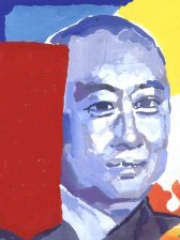
Choekyi Gyaltsen, 10th Panchen Lama
POLITICIAN
1938 - 1989
HPI: 61.52
Rank: 654

Luo Yixiu
WRITER
1889 - 1910
HPI: 61.51
Rank: 655

Liu Penzi
POLITICIAN
11 - 100
HPI: 61.49
Rank: 656
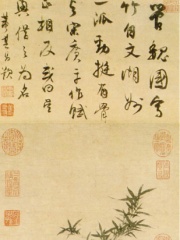
Guan Daosheng
WRITER
1262 - 1319
HPI: 61.48
Rank: 657
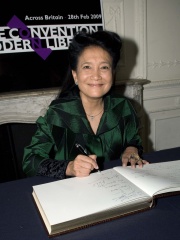
Jung Chang
WRITER
1952 - Present
HPI: 61.47
Rank: 658
Among 画家 In 中国
Among 画家 born in 中国, Zhang Zeduan ranks 19. Before him are Ni Zan (1301), Wu Daozi (680), Ma Yuan (1160), Huang Tingjian (1045), Xia Gui (1195), and Pan Yuliang (1895). After him are Xu Beihong (1895), Xu Wei (1521), Li Cheng (919), Li Tang (1050), Muqi (1210), and Huang Gongwang (1269).
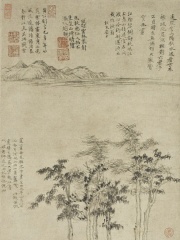
Ni Zan
1301 - 1374
HPI: 62.79
Rank: 13
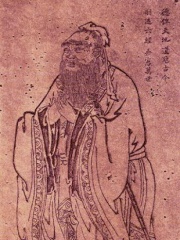
Wu Daozi
680 - 740
HPI: 62.74
Rank: 14
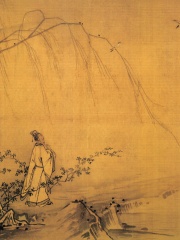
Ma Yuan
1160 - 1225
HPI: 62.13
Rank: 15
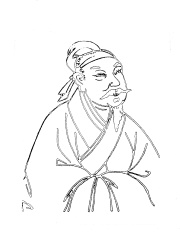
Huang Tingjian
1045 - 1105
HPI: 62.11
Rank: 16
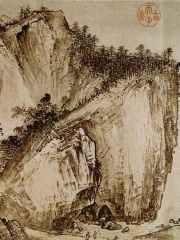
Xia Gui
1195 - 1224
HPI: 61.74
Rank: 17
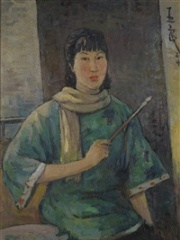
Pan Yuliang
1895 - 1977
HPI: 61.68
Rank: 18
Zhang Zeduan
1085 - 1145
HPI: 61.59
Rank: 19
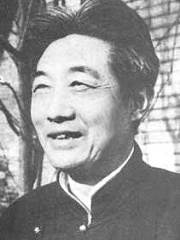
Xu Beihong
1895 - 1953
HPI: 61.17
Rank: 20
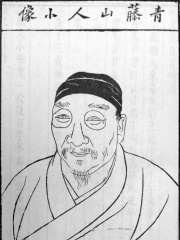
Xu Wei
1521 - 1593
HPI: 61.07
Rank: 21
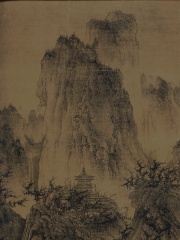
Li Cheng
919 - 967
HPI: 60.85
Rank: 22
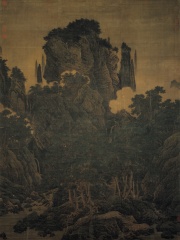
Li Tang
1050 - 1130
HPI: 60.63
Rank: 23
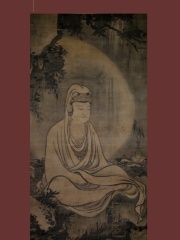
Muqi
1210 - 1270
HPI: 60.47
Rank: 24
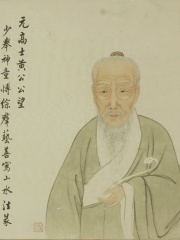
Huang Gongwang
1269 - 1354
HPI: 60.45
Rank: 25




