Pintor
Huang Gongwang
1269 - 1354
ES.WIKIPEDIA PAGE VIEWS (PV)
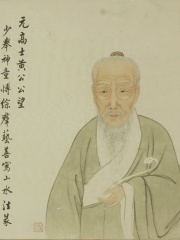
 Huang Gongwang
Su biografía está disponible en 16 idiomas en Wikipedia. Huang Gongwang ocupa el puesto 1130 entre los pintor más populares (subió del puesto 1146 en 2024), el puesto 709 entre las biografías más populares de China (subió del puesto 720 en 2019) y el puesto 25 entre los pintor de china más populares.
Memorability Metrics
16k
Page Views
Past 12 months
60.45
HPI
Historical Popularity Index
Page views of Huang Gongwang by language
Among Pintors
Among pintors, Huang Gongwang ranks 1,130 out of 2,023. Before him are Ephraim Moses Lilien, Joos de Momper, Mica Todorović, Muqi, Albrecht Adam, and Jean-François Raffaëlli. After him are Wilhelm von Kaulbach, Zao Wou-Ki, Nicolas Froment, George Romney, Taddeo di Bartolo, and Frank Dicksee.
Most Popular Pintors in Wikipedia
Go to all Rankings
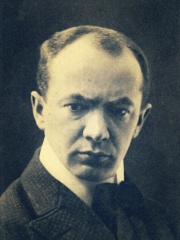
Ephraim Moses Lilien
1874 - 1925
HPI: 60.48
Rank: 1,124
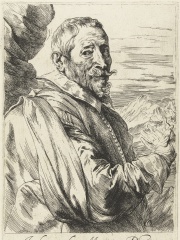
Joos de Momper
1564 - 1635
HPI: 60.48
Rank: 1,125
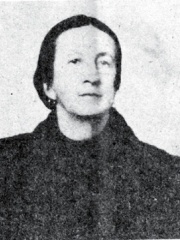
Mica Todorović
1900 - 1981
HPI: 60.47
Rank: 1,126
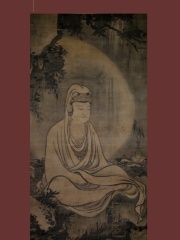
Muqi
1210 - 1270
HPI: 60.47
Rank: 1,127
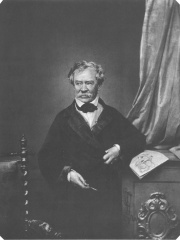
Albrecht Adam
1786 - 1862
HPI: 60.45
Rank: 1,128

Jean-François Raffaëlli
1850 - 1924
HPI: 60.45
Rank: 1,129
Huang Gongwang
1269 - 1354
HPI: 60.45
Rank: 1,130
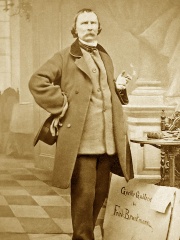
Wilhelm von Kaulbach
1805 - 1874
HPI: 60.44
Rank: 1,131
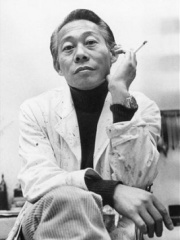
Zao Wou-Ki
1920 - 2013
HPI: 60.44
Rank: 1,132
Nicolas Froment
1430 - 1484
HPI: 60.43
Rank: 1,133
George Romney
1734 - 1802
HPI: 60.43
Rank: 1,134

Taddeo di Bartolo
1362 - 1422
HPI: 60.43
Rank: 1,135
Frank Dicksee
1853 - 1928
HPI: 60.43
Rank: 1,136

Contemporaries
Among people born in 1269, Huang Gongwang ranks 3. Before him are Mahaut, Countess of Artois, and Louis III, Duke of Bavaria. After him are Eleanor of England, Countess of Bar, and Muiz ud din Qaiqabad. Among people deceased in 1354, Huang Gongwang ranks 8. Before him are Yusuf I of Granada, Andrea Dandolo, Baldwin of Luxembourg, Charles de la Cerda, Irene Asanina, and Giovanni Visconti. After him are Wu Zhen, and Mary of Avesnes.
Others Born in 1269
Go to all Rankings
Mahaut, Countess of Artois
POLITICIAN
1269 - 1329
HPI: 64.14
Rank: 1

Louis III, Duke of Bavaria
NOBLEMAN
1269 - 1296
HPI: 62.10
Rank: 2
Huang Gongwang
PAINTER
1269 - 1354
HPI: 60.45
Rank: 3
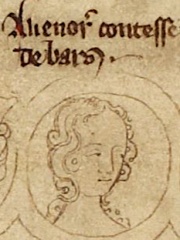
Eleanor of England, Countess of Bar
COMPANION
1269 - 1297
HPI: 60.43
Rank: 4
Muiz ud din Qaiqabad
POLITICIAN
1269 - 1290
HPI: 50.64
Rank: 5
Others Deceased in 1354
Go to all Rankings
Yusuf I of Granada
POLITICIAN
1318 - 1354
HPI: 67.19
Rank: 2
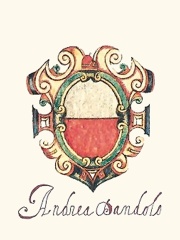
Andrea Dandolo
POLITICIAN
1306 - 1354
HPI: 66.04
Rank: 3
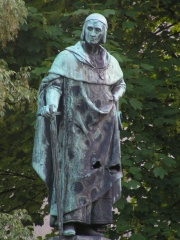
Baldwin of Luxembourg
RELIGIOUS FIGURE
1285 - 1354
HPI: 62.30
Rank: 4

Charles de la Cerda
POLITICIAN
1327 - 1354
HPI: 61.94
Rank: 5

Irene Asanina
POLITICIAN
1400 - 1354
HPI: 61.70
Rank: 6
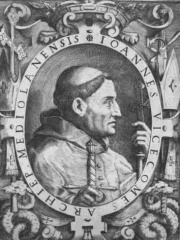
Giovanni Visconti
POLITICIAN
1290 - 1354
HPI: 61.24
Rank: 7
Huang Gongwang
PAINTER
1269 - 1354
HPI: 60.45
Rank: 8
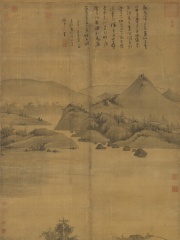
Wu Zhen
PAINTER
1280 - 1354
HPI: 59.67
Rank: 9

Mary of Avesnes
NOBLEMAN
1280 - 1354
HPI: 57.48
Rank: 10
In China
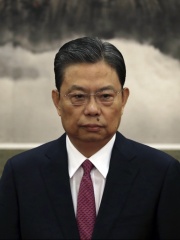
Among people born in China, Huang Gongwang ranks 709 out of NaN. Before him are Li Yuanchao (1950), Zhao Leji (1957), Lei Jun (1969), Liu Yuxi (772), Muqi (1210), and Andrew Yao (1946). After him are Li Bingbing (1973), Zao Wou-Ki (1920), Li Na (1982), Charlie Soong (1861), Zeng Gong (1019), and Feng Youlan (1895).
Others born in China
Go to all Rankings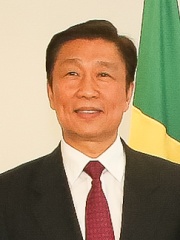
Li Yuanchao
POLITICIAN
1950 - Present
HPI: 60.55
Rank: 703
Zhao Leji
POLITICIAN
1957 - Present
HPI: 60.53
Rank: 704

Lei Jun
BUSINESSPERSON
1969 - Present
HPI: 60.51
Rank: 705
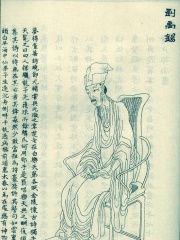
Liu Yuxi
PHILOSOPHER
772 - 842
HPI: 60.50
Rank: 706
Muqi
PAINTER
1210 - 1270
HPI: 60.47
Rank: 707
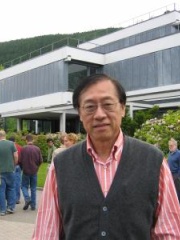
Andrew Yao
PHYSICIAN
1946 - Present
HPI: 60.46
Rank: 708
Huang Gongwang
PAINTER
1269 - 1354
HPI: 60.45
Rank: 709
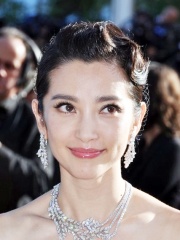
Li Bingbing
ACTOR
1973 - Present
HPI: 60.45
Rank: 710
Zao Wou-Ki
PAINTER
1920 - 2013
HPI: 60.44
Rank: 711

Li Na
TENNIS PLAYER
1982 - Present
HPI: 60.43
Rank: 712
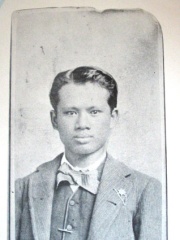
Charlie Soong
POLITICIAN
1861 - 1918
HPI: 60.42
Rank: 713
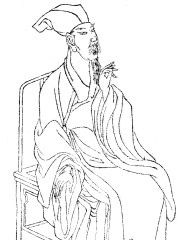
Zeng Gong
POLITICIAN
1019 - 1083
HPI: 60.40
Rank: 714
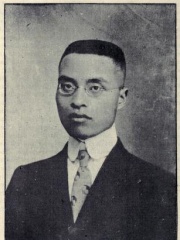
Feng Youlan
PHILOSOPHER
1895 - 1990
HPI: 60.38
Rank: 715
Among Pintors In China
Among pintors born in China, Huang Gongwang ranks 25. Before him are Zhang Zeduan (1085), Xu Beihong (1895), Xu Wei (1521), Li Cheng (919), Li Tang (1050), and Muqi (1210). After him are Zao Wou-Ki (1920), Wang Meng (1308), Wu Zhen (1280), Dong Yuan (932), Dai Jin (1388), and Chen Hongshou (1598).
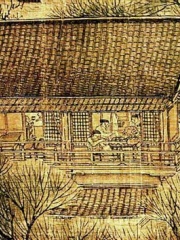
Zhang Zeduan
1085 - 1145
HPI: 61.59
Rank: 19
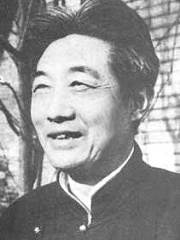
Xu Beihong
1895 - 1953
HPI: 61.17
Rank: 20
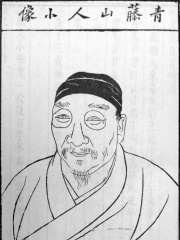
Xu Wei
1521 - 1593
HPI: 61.07
Rank: 21
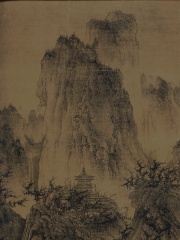
Li Cheng
919 - 967
HPI: 60.85
Rank: 22
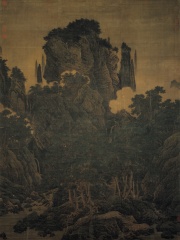
Li Tang
1050 - 1130
HPI: 60.63
Rank: 23
Muqi
1210 - 1270
HPI: 60.47
Rank: 24
Huang Gongwang
1269 - 1354
HPI: 60.45
Rank: 25
Zao Wou-Ki
1920 - 2013
HPI: 60.44
Rank: 26
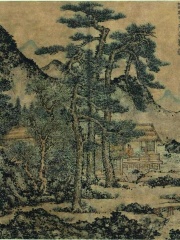
Wang Meng
1308 - 1385
HPI: 60.03
Rank: 27
Wu Zhen
1280 - 1354
HPI: 59.67
Rank: 28
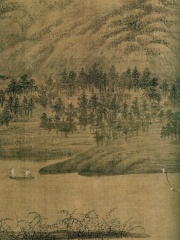
Dong Yuan
932 - 962
HPI: 59.65
Rank: 29
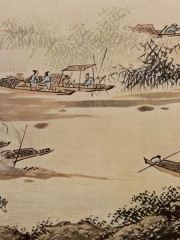
Dai Jin
1388 - 1462
HPI: 59.24
Rank: 30
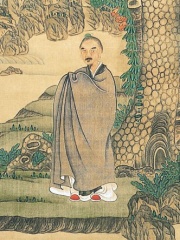
Chen Hongshou
1598 - 1652
HPI: 58.68
Rank: 31




