Pittore
Liang Kai
1200 - 1300
VISUALIZZAZIONI SU IT.WIKIPEDIA (PV)
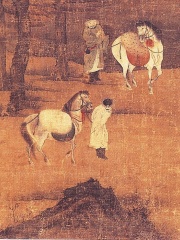
 Liang Kai
La sua biografia è disponibile in 22 lingue su Wikipedia. Liang Kai è il 764° pittore più popolare (in aumento dal 796° nel 2024), la 528ª biografia più popolare della Cina (in aumento dal 577ª nel 2019) e il 9° pittore più popolare della Cina.
Metriche di memorabilità
12k
Visualizzazioni
Ultimi 12 mesi
63.31
HPI
Indice di popolarità storica
Dati in evidenza
22
La biografia di Liang Kai copre 22 edizioni linguistiche di Wikipedia e ottiene un Indice di Popolarità Storica di 63.31.
Visualizzazioni della pagina di Liang Kai per lingua
Tra Pittore
Tra Pittore, Liang Kai occupa la posizione 764 su 2,055. Prima di lui ci sono Louis Anquetin, Giovanni Baglione, Philipp Veit, Hans Bellmer, Amédée Ozenfant, e Tang Yin. Dopo di lui ci sono Charlotte Salomon, Domenico Fetti, Peter Johann Nepomuk Geiger, Frans Floris, Bartolomeo Vivarini, e Marie Krøyer.
Pittore più popolari su Wikipedia
Vai a tutte le classifiche
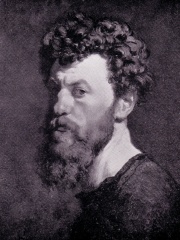
Louis Anquetin
1861 - 1932
HPI: 63.34
Posizione: 758
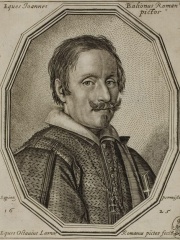
Giovanni Baglione
1566 - 1643
HPI: 63.34
Posizione: 759
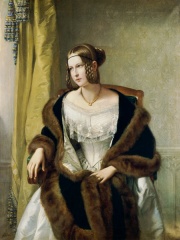
Philipp Veit
1793 - 1877
HPI: 63.34
Posizione: 760
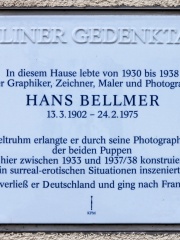
Hans Bellmer
1902 - 1975
HPI: 63.34
Posizione: 761

Amédée Ozenfant
1886 - 1966
HPI: 63.34
Posizione: 762

Tang Yin
1470 - 1524
HPI: 63.33
Posizione: 763
Liang Kai
1200 - 1300
HPI: 63.31
Posizione: 764
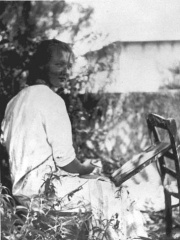
Charlotte Salomon
1917 - 1943
HPI: 63.29
Posizione: 765
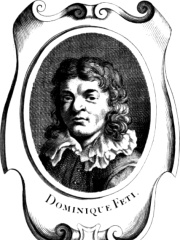
Domenico Fetti
1589 - 1623
HPI: 63.29
Posizione: 766
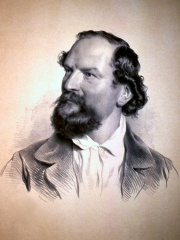
Peter Johann Nepomuk Geiger
1805 - 1880
HPI: 63.29
Posizione: 767
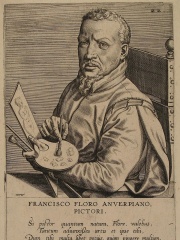
Frans Floris
1519 - 1570
HPI: 63.26
Posizione: 768

Bartolomeo Vivarini
1432 - 1499
HPI: 63.25
Posizione: 769
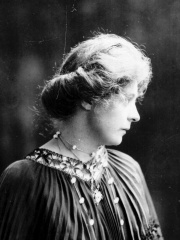
Marie Krøyer
1867 - 1940
HPI: 63.24
Posizione: 770

Contemporanei
Tra le persone nate nel 1200, Liang Kai occupa la posizione 26. Prima di lui ci sono Mstislav II of Kiev, Marcabru, Michael I Komnenos Doukas, Louis IV, Landgrave of Thuringia, Anonymus, e Kaliman Asen II of Bulgaria. Dopo di lui ci sono Jean de Chelles, Hadewijch, Othon de la Roche, Smilets of Bulgaria, Suleiman II, e Lembitu. Tra le persone decedute nel 1300, Liang Kai occupa la posizione 12. Prima di lui ci sono Petrus Peregrinus de Maricourt, Trần Hưng Đạo, Maria Palaiologina, Anonymus, Roy Mata, e Chaka of Bulgaria. Dopo di lui ci sono Robert de Boron, Kilij Arslan III, Mitso Asen of Bulgaria, Albert III, Margrave of Brandenburg-Salzwedel, Ivanko, e Dobromir Chrysos.
Altre persone nate nel 1200
Vai a tutte le classifiche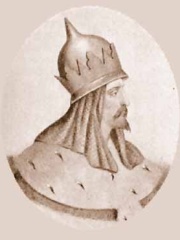
Mstislav II of Kiev
POLITICIAN
1200 - 1170
HPI: 65.50
Posizione: 20
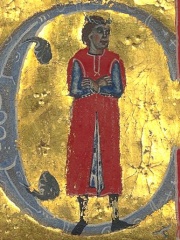
Marcabru
RELIGIOUS FIGURE
1200 - 1150
HPI: 64.48
Posizione: 21
Michael I Komnenos Doukas
POLITICIAN
1200 - 1215
HPI: 64.17
Posizione: 22
Louis IV, Landgrave of Thuringia
POLITICIAN
1200 - 1227
HPI: 63.85
Posizione: 23
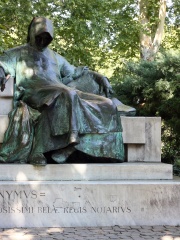
Anonymus
WRITER
1200 - 1300
HPI: 63.55
Posizione: 24

Kaliman Asen II of Bulgaria
POLITICIAN
1200 - 1256
HPI: 63.51
Posizione: 25
Liang Kai
PAINTER
1200 - 1300
HPI: 63.31
Posizione: 26
Jean de Chelles
SCULPTOR
1200 - 1265
HPI: 63.29
Posizione: 27
Hadewijch
WRITER
1200 - 1260
HPI: 63.04
Posizione: 28
Othon de la Roche
NOBLEMAN
1200 - presente
HPI: 62.92
Posizione: 29

Smilets of Bulgaria
POLITICIAN
1200 - 1298
HPI: 62.65
Posizione: 30
Suleiman II
POLITICIAN
1200 - 1204
HPI: 62.57
Posizione: 31
Lembitu
POLITICIAN
1200 - 1217
HPI: 62.34
Posizione: 32
Altre persone decedute nel 1300
Vai a tutte le classifiche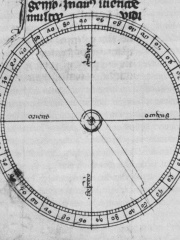
Petrus Peregrinus de Maricourt
ENGINEER
1240 - 1300
HPI: 64.37
Posizione: 6
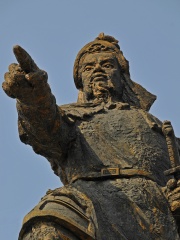
Trần Hưng Đạo
POLITICIAN
1228 - 1300
HPI: 64.25
Posizione: 7
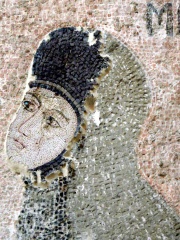
Maria Palaiologina
POLITICIAN
1300 - 1300
HPI: 63.97
Posizione: 8
Anonymus
WRITER
1200 - 1300
HPI: 63.55
Posizione: 9
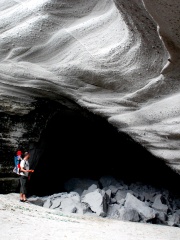
Roy Mata
POLITICIAN
1510 - 1300
HPI: 63.46
Posizione: 10
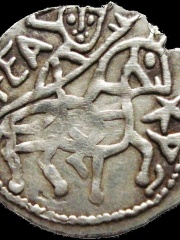
Chaka of Bulgaria
POLITICIAN
1210 - 1300
HPI: 63.40
Posizione: 11
Liang Kai
PAINTER
1200 - 1300
HPI: 63.31
Posizione: 12
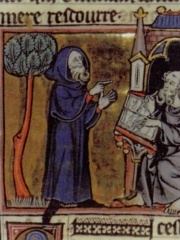
Robert de Boron
WRITER
1110 - 1300
HPI: 63.17
Posizione: 13

Kilij Arslan III
POLITICIAN
1200 - 1300
HPI: 62.16
Posizione: 14
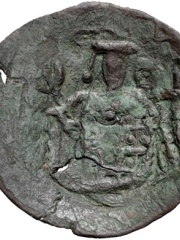
Mitso Asen of Bulgaria
POLITICIAN
1300 - 1300
HPI: 61.70
Posizione: 15
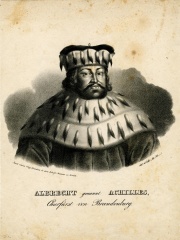
Albert III, Margrave of Brandenburg-Salzwedel
NOBLEMAN
1250 - 1300
HPI: 59.61
Posizione: 16

Ivanko
POLITICIAN
1200 - 1300
HPI: 59.05
Posizione: 17

Dobromir Chrysos
MILITARY PERSONNEL
1200 - 1300
HPI: 58.91
Posizione: 18
In Cina
Tra le persone nate in Cina, Liang Kai occupa la posizione 528 su 2,131. Prima di lui ci sono Wellington Koo (1888), Cao Zhang (190), Chai Rong (921), Rabban Bar Sauma (1220), Liu Xin (-50), e Tang Yin (1470). Dopo di lui ci sono Watchman Nee (1903), Jia Yi (-200), Lu Ban (-507), Emperor Xuanzong of Tang (810), Song Jiaoren (1882), e Osman Batur (1899).
Altre persone nate in Cina
Vai a tutte le classifiche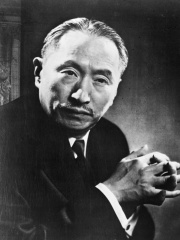
Wellington Koo
POLITICIAN
1888 - 1985
HPI: 63.45
Posizione: 522
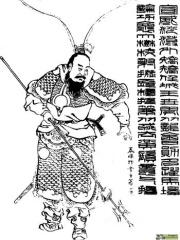
Cao Zhang
POLITICIAN
190 - 223
HPI: 63.45
Posizione: 523
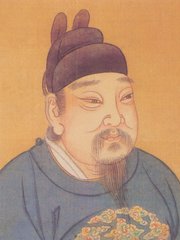
Chai Rong
NOBLEMAN
921 - 959
HPI: 63.43
Posizione: 524

Rabban Bar Sauma
RELIGIOUS FIGURE
1220 - 1294
HPI: 63.40
Posizione: 525

Liu Xin
MATHEMATICIAN
50 a.C. - 23
HPI: 63.40
Posizione: 526
Tang Yin
PAINTER
1470 - 1524
HPI: 63.33
Posizione: 527
Liang Kai
PAINTER
1200 - 1300
HPI: 63.31
Posizione: 528
Watchman Nee
WRITER
1903 - 1972
HPI: 63.30
Posizione: 529

Jia Yi
POLITICIAN
200 a.C. - 168 a.C.
HPI: 63.28
Posizione: 530
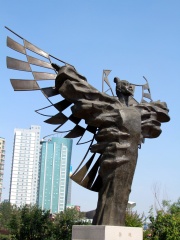
Lu Ban
ENGINEER
507 a.C. - 440 a.C.
HPI: 63.28
Posizione: 531
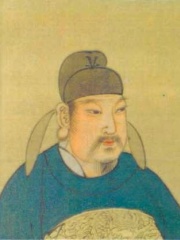
Emperor Xuanzong of Tang
POLITICIAN
810 - 859
HPI: 63.27
Posizione: 532
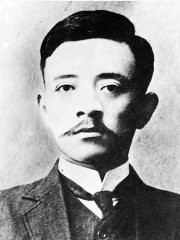
Song Jiaoren
POLITICIAN
1882 - 1913
HPI: 63.26
Posizione: 533
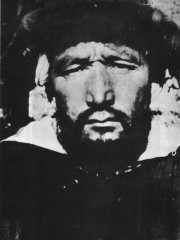
Osman Batur
MILITARY PERSONNEL
1899 - 1951
HPI: 63.26
Posizione: 534
Tra Pittore in Cina
Tra Pittore nati in Cina, Liang Kai occupa la posizione 9. Prima di lui ci sono Mi Fu (1051), Guo Xi (1020), Qi Baishi (1864), Han Gan (706), Dong Qichang (1555), e Tang Yin (1470). Dopo di lui ci sono Bada Shanren (1626), Wen Zhengming (1470), Shen Zhou (1427), Ni Zan (1301), Wu Daozi (680), e Ma Yuan (1160).

Mi Fu
1051 - 1107
HPI: 66.57
Posizione: 3
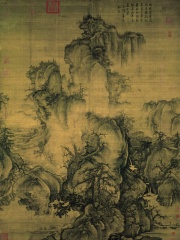
Guo Xi
1020 - 1090
HPI: 66.28
Posizione: 4
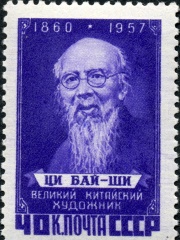
Qi Baishi
1864 - 1957
HPI: 65.83
Posizione: 5

Han Gan
706 - 783
HPI: 63.87
Posizione: 6
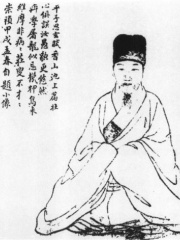
Dong Qichang
1555 - 1636
HPI: 63.84
Posizione: 7
Tang Yin
1470 - 1524
HPI: 63.33
Posizione: 8
Liang Kai
1200 - 1300
HPI: 63.31
Posizione: 9
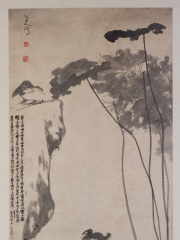
Bada Shanren
1626 - 1705
HPI: 63.17
Posizione: 10
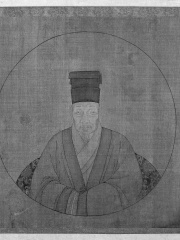
Wen Zhengming
1470 - 1559
HPI: 63.11
Posizione: 11
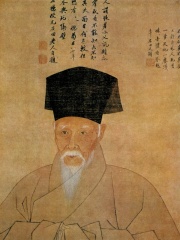
Shen Zhou
1427 - 1509
HPI: 63.08
Posizione: 12
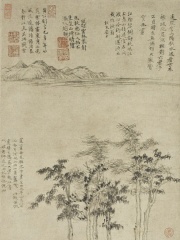
Ni Zan
1301 - 1374
HPI: 62.79
Posizione: 13
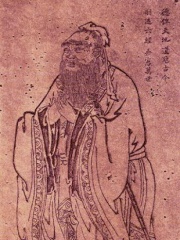
Wu Daozi
680 - 740
HPI: 62.74
Posizione: 14

Ma Yuan
1160 - 1225
HPI: 62.13
Posizione: 15




